Within the contemporary pursuit of creating harmonious living spaces, one figure remains timeless in its ability to transform any environment into a haven of positivity and warmth. The jovial presence of this beloved icon has transcended centuries and cultures, finding a cherished place in homes across the globe. As awareness grows around the importance of balancing energy in our daily surroundings, more people are discovering how this ancient symbol continues to enrich modern interiors with its profound message of joy and abundance.
The Cultural Heritage and Symbolism of the Laughing Buddha
Origins of Budai: From Chinese Folklore to Global Icon
The Laughing Buddha, known variously as Budai or Hotei depending on cultural context, traces its roots to a real monk who walked the earth during China's 10th century. This historical figure embodied the qualities of generosity and contentment to such a degree that his memory evolved into a powerful symbol embraced far beyond his native land. Unlike the serene and meditative depictions of Siddhartha Gautama, this particular representation emerged from folklore celebrating a wandering eccentric whose kindness and perpetual cheerfulness left a lasting impression on those he encountered. Over time, the image of this rotund, ever-smiling monk became intertwined with spiritual aspirations, eventually being associated with Maitreya, regarded in Buddhist tradition as the Buddha of the future who will bring universal enlightenment.
As centuries passed, the figure's reputation spread throughout Asia and eventually reached Western shores, where it found fresh appreciation among those seeking to incorporate elements of Eastern philosophy into their homes. The global fascination with this icon reflects a universal longing for happiness and security, values that transcend geographical and cultural boundaries. Today, whether displayed in a metropolitan flat in London or a countryside cottage, the presence of Budai serves as a reminder that prosperity and joy need not be elusive ideals but can be cultivated through mindfulness and positive intention.
Understanding the Symbolism: What the Laughing Buddha's Features Represent
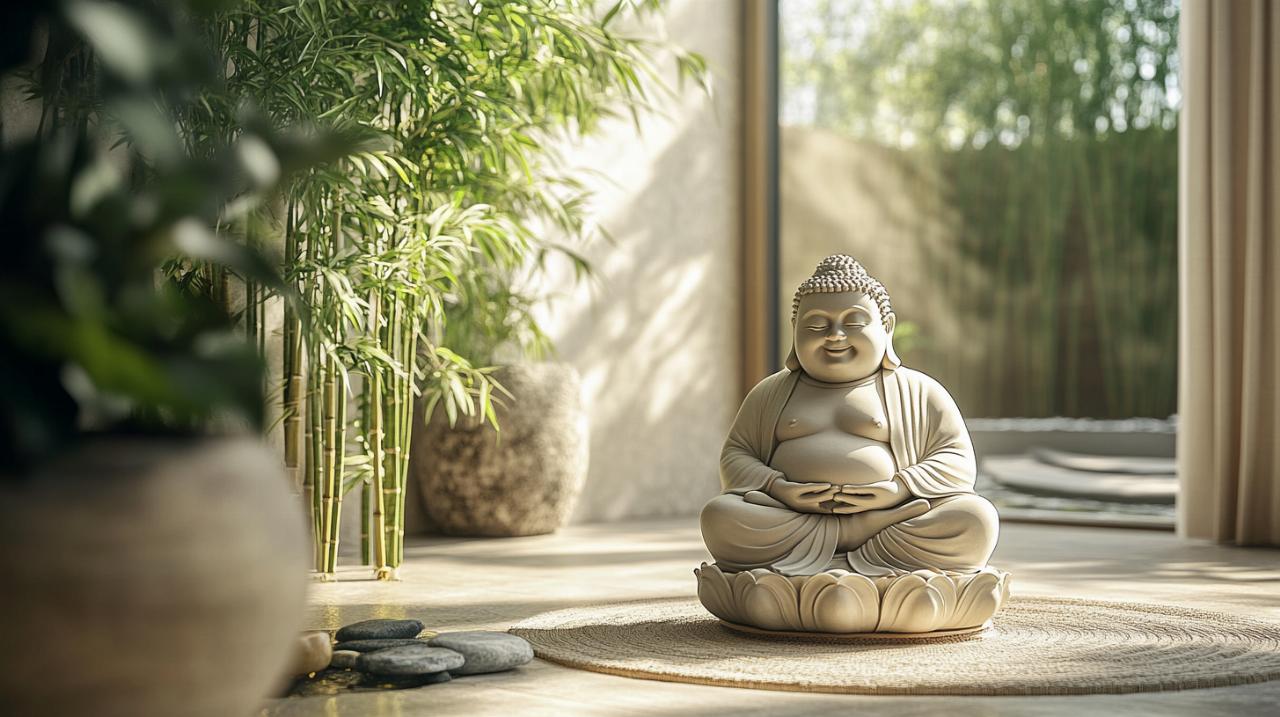
Every detail of the Laughing Buddha's appearance carries layers of meaning that invite contemplation and reflection. The most immediately striking feature is the wide, beaming smile that radiates an infectious sense of contentment and inner peace. This laughing face represents not merely superficial happiness but a deeper state of joy rooted in spiritual fulfilment and acceptance of life's ebb and flow. The ample belly, perhaps the most iconic attribute, symbolises abundance, good fortune, and the ability to weather life's challenges with equanimity. According to tradition, gently rubbing the belly is believed to invite luck and prosperity into one's life, a practice that has become a cherished ritual for many who seek to connect with the statue's positive energy.
Beyond these well-known features, other symbolic elements enrich the statue's narrative. The cloth sack often depicted in the figure's hands signifies compassion and generosity, reflecting the historical monk's reputed habit of carrying food and small treasures to distribute among those in need. When adorned with mala beads, the statue evokes mindfulness and the importance of meditation in achieving spiritual clarity. Representations featuring a gold ingot emphasise material wealth and financial success, whilst an aura of light surrounding the figure symbolises divine energy and spiritual illumination. Each of these attributes combines to create a multifaceted emblem that speaks to both worldly prosperity and inner harmony, offering a holistic vision of well-being that resonates deeply with contemporary seekers of balance.
Incorporating the Laughing Buddha into Your Feng Shui Home Design
Strategic Placement: Where to Position Your Laughing Buddha for Maximum Positive Energy
In the practice of Feng Shui, the deliberate arrangement of objects within a space is believed to influence the flow of vital energy, and the positioning of a Laughing Buddha statue is no exception. Placing the figure near the main entrance is considered particularly auspicious, as it welcomes prosperity and positive vibrations into the home whilst creating a warm first impression for visitors. The entrance area serves as a threshold between the external world and the sanctuary of one's private space, making it an ideal location to establish an atmosphere of abundance and joy from the moment one crosses the doorway.
The living room also offers an excellent setting for this cherished icon, as it is typically the heart of family gatherings and social interactions. Positioning the statue here encourages harmony among household members and spreads an uplifting energy that can enhance daily interactions. For those seeking to boost career prospects and professional success, placing the figure in a home office or workspace is recommended, as it is thought to attract opportunities and foster a productive environment. Additionally, the southeast corner of a room holds special significance in Feng Shui as the wealth sector, making it a strategic location to amplify financial fortune. Meanwhile, a meditation space benefits from the statue's calming presence, inspiring inner peace and supporting spiritual practices.
Conversely, certain locations are best avoided to prevent the dilution or obstruction of positive energy. Bathrooms and kitchens are generally unsuitable due to the conflicting energies associated with water and fire elements, whilst placing the statue under stairs or facing a wall can hinder the free flow of beneficial vibrations. Ensuring the figure is positioned above waist height, in a clean and visible area, further enhances its effectiveness and honours the reverence traditionally accorded to such symbols.
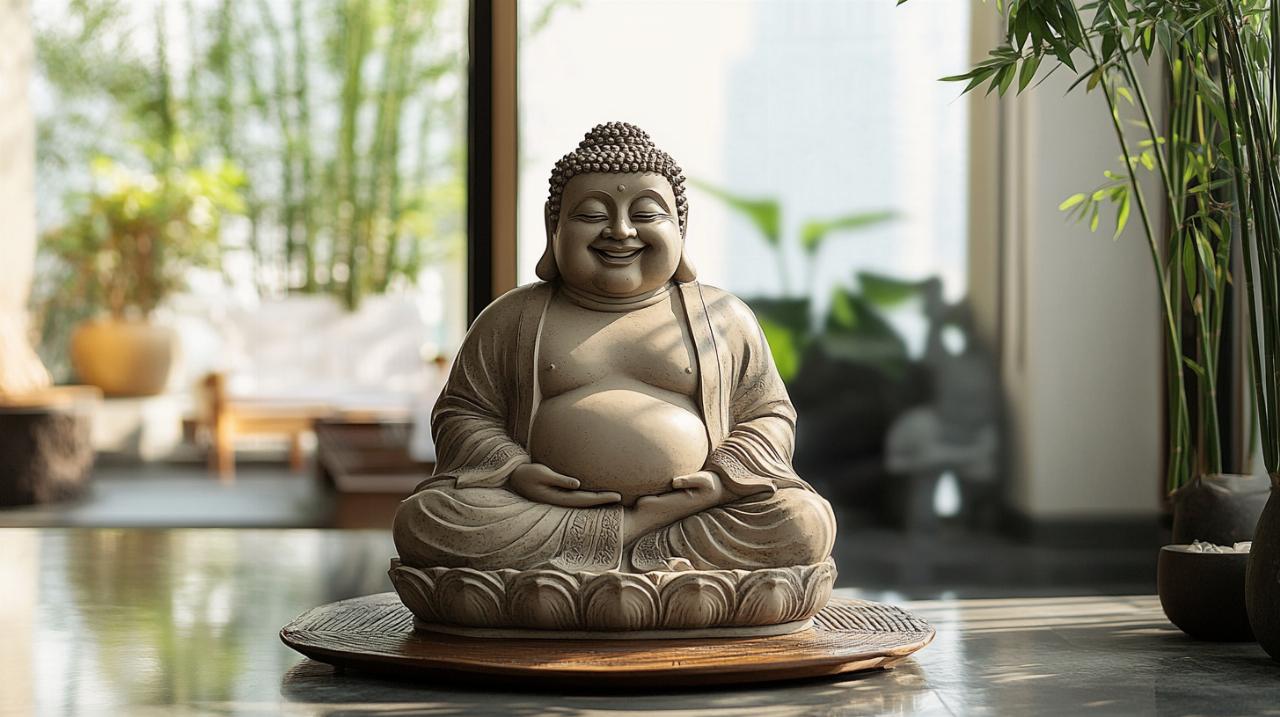
Choosing the Right Statue: Materials, Sizes, and Styles to Complement Your Interior
Selecting an appropriate Laughing Buddha statue involves considering not only aesthetic preferences but also the symbolic properties associated with different materials and forms. Figures crafted from brass or bronze are traditionally valued for their protective qualities and enduring presence, whilst those finished in gold are believed to amplify wealth and prosperity. Resin statues, which have gained popularity for their affordability and versatility, are considered superior to plastic alternatives in terms of energy conduction, making them a practical choice for those mindful of both budget and spiritual efficacy. Crystal representations bring an element of purity and clarity, often favoured by individuals who prioritise spiritual refinement alongside material well-being.
Beyond material, the pose and accessories of the statue carry distinct meanings that can align with specific intentions. A seated Buddha radiates contentment and stability, ideal for fostering domestic happiness, whereas a standing figure symbolises progress and triumph, making it suitable for those embarking on new ventures or seeking to overcome obstacles. Statues depicting the Buddha holding a cloth sack are associated with the removal of burdens and the lightening of worries, whilst those featuring children emphasise family joy and harmony. The inclusion of coins or a Ru Yi sceptre underscores aspirations for career success and financial advancement.
Size and style should harmonise with the overall decor of the space, ensuring the statue complements rather than overwhelms the surrounding environment. A modest figurine may suit a minimalist interior, whilst a larger, more ornate piece can serve as a striking focal point in a room designed with bold, eclectic tastes. As the wellness decor market continues to expand, projected to reach fifteen billion pounds globally by 2027, the variety of available designs reflects an increasing appetite for meaningful, intention-driven home embellishments. This trend underscores a broader cultural shift towards creating living spaces that nurture both aesthetic pleasure and emotional well-being.
The Laughing Buddha as a Thoughtful Gift and Bearer of Good Fortune
Gifting Wisdom: When and Why to Present a Laughing Buddha Statue
Offering a Laughing Buddha statue as a gift carries profound significance, transcending mere material exchange to become an expression of goodwill and heartfelt wishes for the recipient's happiness and success. This gesture is particularly meaningful during occasions that mark new beginnings, such as housewarmings, weddings, or the start of a new business venture, as it symbolises the hope that the recipient's path will be blessed with prosperity and laughter. The act of giving such a statue reflects an understanding of the recipient's journey and a desire to contribute positively to their spiritual and material well-being.
Friends and family members often appreciate this thoughtful present precisely because it embodies universal values of joy and abundance that resonate across different belief systems and cultural backgrounds. Unlike fleeting or superficial gifts, a carefully chosen Laughing Buddha figure serves as a lasting reminder of the giver's care and the shared aspiration for a life marked by contentment and fortune. The popularity of gifting these statues has grown alongside broader interest in mindfulness and holistic living, with many people recognising the statue not merely as an ornament but as a catalyst for cultivating a positive mindset and nurturing gratitude.
Cultivating Well-Being: How the Laughing Buddha Enhances Daily Life and Mindfulness
Integrating a Laughing Buddha into one's daily environment extends beyond decorative appeal to influence mental and emotional states in subtle yet meaningful ways. The presence of this symbol serves as a gentle prompt to pause, breathe, and reconnect with the present moment, encouraging a mindful approach to the routines and challenges of everyday life. Those who engage with the statue's imagery often report a heightened awareness of gratitude and a renewed commitment to approaching difficulties with humour and resilience, qualities embodied by the figure's ever-present smile.
Recent data indicates a twenty-five per cent increase in searches related to the significance of the Laughing Buddha throughout 2025, whilst sales of smaller Buddha statues surged by forty per cent on e-commerce platforms during the same period. These figures reflect a growing recognition of the role that intentional decor can play in shaping one's mental landscape and fostering environments conducive to well-being. User testimonials frequently highlight tangible benefits, from career advancements to improved household harmony, attributed to the strategic placement of these figures in alignment with Feng Shui principles.
Looking ahead, innovations in wellness decor promise to merge traditional symbolism with modern technology, with anticipated releases including smart LED Laughing Buddha statues equipped with app control and eco-friendly materials. Such developments signal an evolving relationship between ancient wisdom and contemporary lifestyles, ensuring that the enduring message of joy and prosperity remains accessible and relevant to future generations. As individuals continue to seek balance amidst the demands of modern existence, the Laughing Buddha stands as a timeless emblem of the possibility of cultivating happiness, abundance, and inner peace within the sanctuary of one's own home.