Transforming a corner of your garden into a secluded retreat offers a unique opportunity to escape the hustle and bustle of daily life without leaving home. Whether you seek a peaceful spot for morning tea, a playful haven for children, or simply a green sanctuary to unwind, creating a small private area requires thoughtful planning and an understanding of how natural elements, layout, and maintenance come together. The following guide explores practical steps and creative ideas to help you craft a garden space that serves as an extended living room, blending relaxation with functionality while respecting the local climate and sustainable practices.
Designing your garden sanctuary: natural elements and privacy
The foundation of any secluded garden area lies in its ability to shield you from external distractions and foster a sense of calm. Achieving this balance begins with a careful evaluation of your personal privacy needs and an appreciation for how plants, vertical elements, and layout work in harmony. Garden design is not merely about aesthetics but also about creating a space that feels intimate and inviting, where every element contributes to a tranquil atmosphere.
Selecting the Right Plants and Flowers for a Tranquil Atmosphere
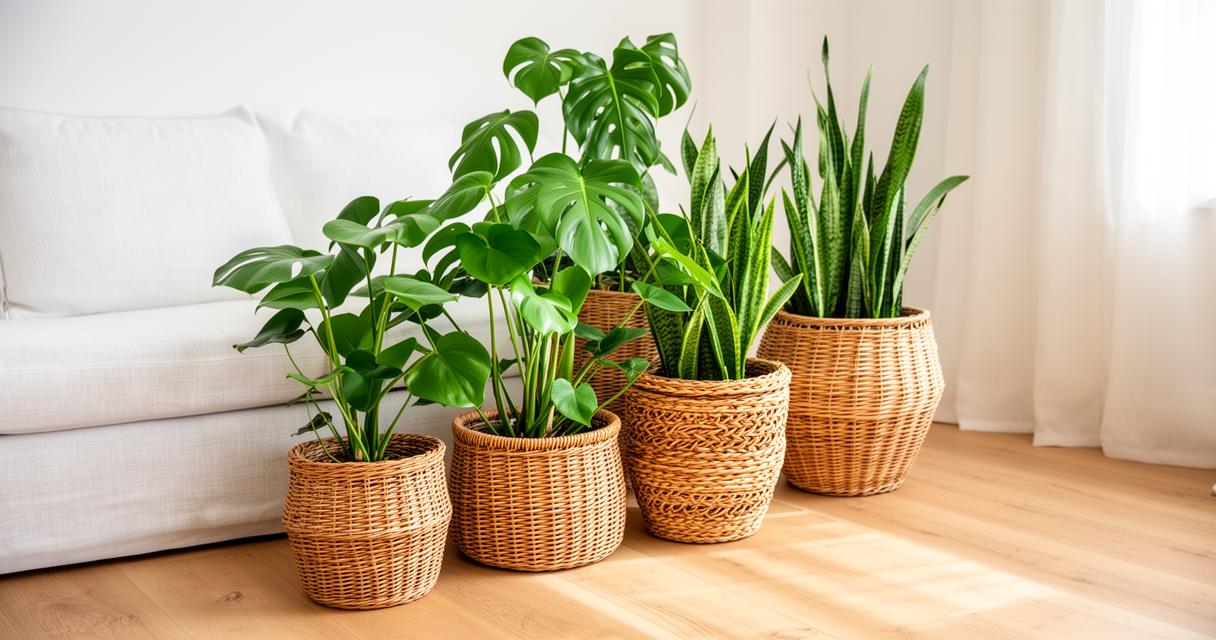
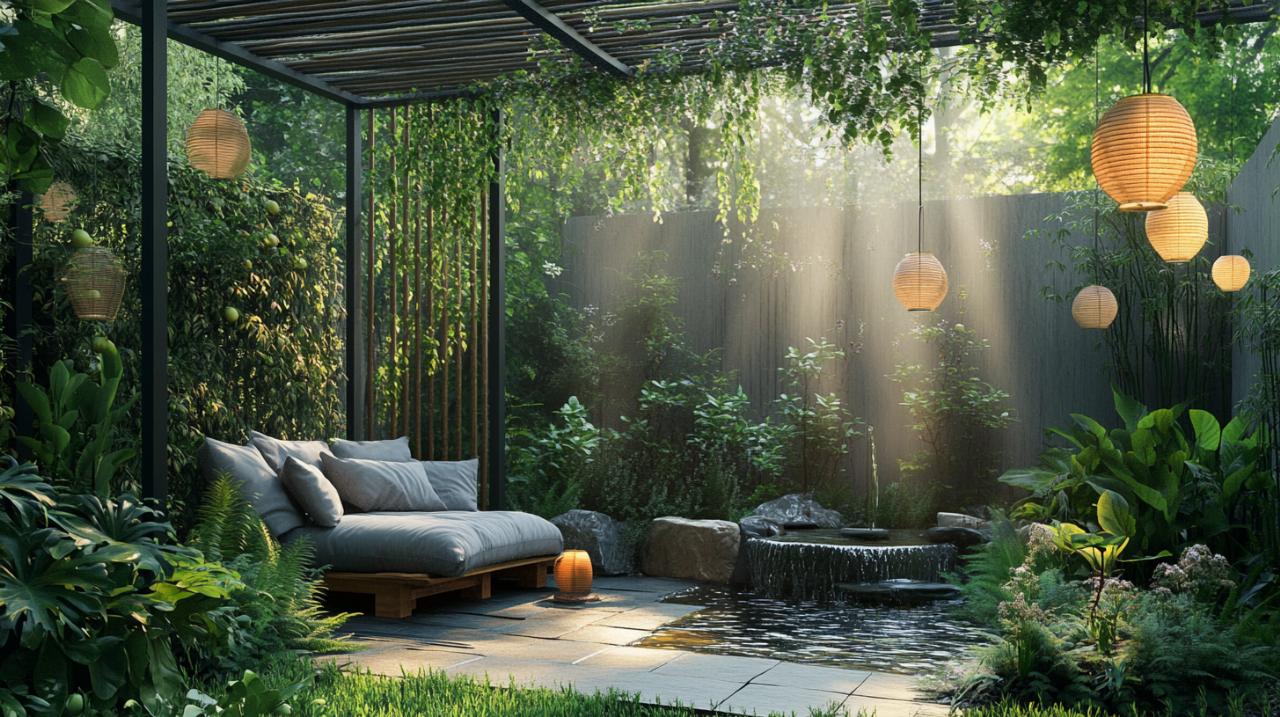
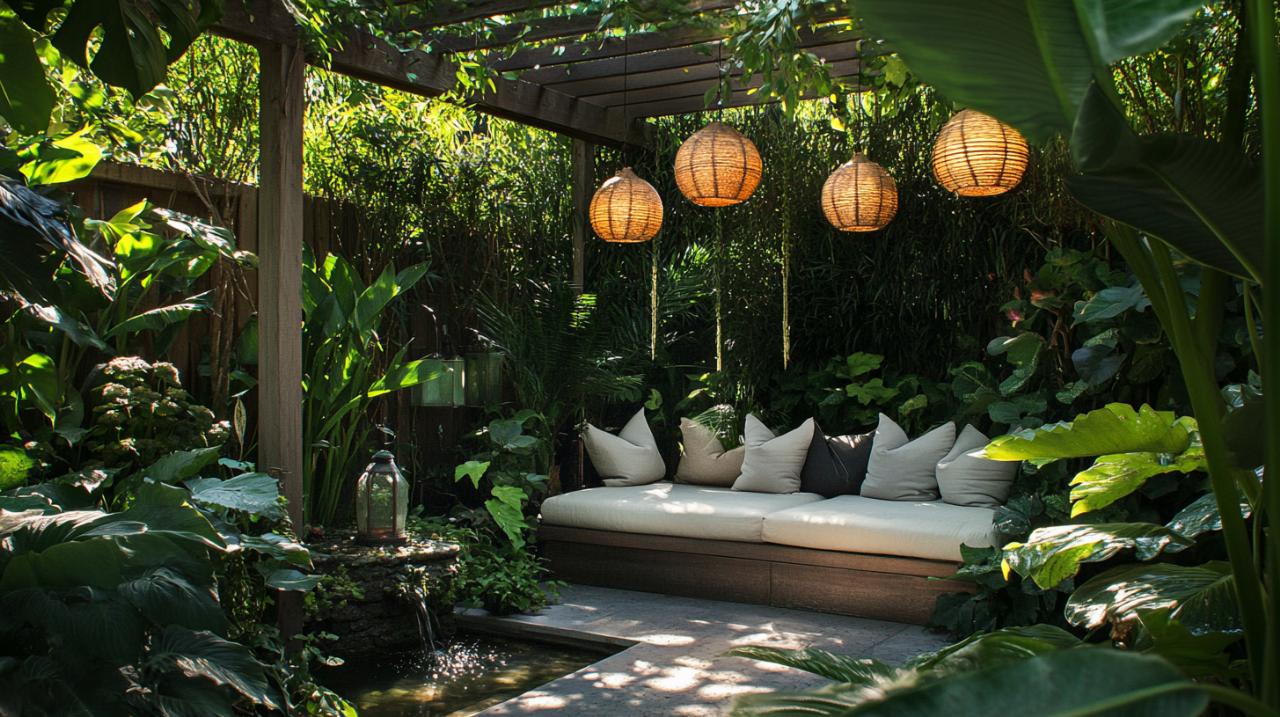
Choosing the right plants and flowers is essential for establishing a serene environment. Consider species that thrive in your local climate and require minimal intervention, ensuring that your garden remains low-maintenance over time. Opt for a mix of evergreen shrubs and seasonal blooms to provide year-round interest and colour. Climbing plants such as jasmine or honeysuckle can be trained along trellises or pergolas, adding vertical layers that enhance privacy while infusing the air with delicate fragrances. For a more tropical effect, select varieties with large, lush leaves that create a sense of abundance and shelter. Integrating these choices with organic principles ensures that your garden remains healthy and environmentally friendly, supporting local wildlife and reducing the need for chemical interventions.
Flowers play a dual role in your sanctuary by offering visual beauty and attracting beneficial insects. Soft hues of lavender, delicate roses, or vibrant daisies can be interspersed among greenery to break up monotony and provide focal points throughout the space. When planning your planting scheme, think about how different heights and textures interact. Taller perennials can act as natural screens, while ground cover plants soften edges and reduce weed growth. This layered approach not only enhances seclusion but also contributes to a more dynamic and engaging garden design.
Incorporating Trees and Greenery to Enhance Seclusion and Serenity
Trees serve as the backbone of any secluded garden, offering shade, structure, and a powerful sense of enclosure. Selecting species that suit your soil type and available space is critical. Smaller ornamental trees or fruit-bearing varieties can provide seasonal interest without overwhelming a compact area. Position them strategically to block sightlines from neighbouring properties or busy streets, creating a natural barrier that feels both organic and intentional. Hedges and evergreen shrubs complement trees by filling gaps and adding density to your green walls. Consider planting box, yew, or privet to form a living fence that matures over time, offering year-round screening and a backdrop for other plantings.
Greenery also plays a role in masking unwanted noise. The rustling of leaves and the presence of dense foliage help absorb sound, making your sanctuary feel even more removed from the outside world. Layering different types of vegetation at varying heights further amplifies this effect. Introduce climbers along fences or walls to soften hard boundaries and add vertical interest. These elements work together to create a cocoon-like environment where you can relax without disturbance. Remember that sustainability and biodiversity are enhanced when you choose native species and avoid invasive varieties. This approach supports local ecosystems and ensures that your garden remains resilient through changing seasons.
Creating a Family-Friendly Space: Activities and Layout Considerations
A secluded garden area need not be solely a retreat for adults; it can also serve as a vibrant space for children to explore and play. Striking a balance between tranquillity and fun requires thoughtful organisation and flexible design. By considering how different zones can coexist within a limited footprint, you create a multifunctional environment that meets the needs of all family members while maintaining the overall sense of privacy and calm.
Organising Elements to Accommodate Children's Play and Games
Designing for children involves anticipating movement, curiosity, and the occasional burst of energy. Allocate a section of your secluded area for activities such as games, imaginative play, or even a small vegetable patch where youngsters can learn about gardening. Incorporate durable materials such as wood and stone for pathways and play surfaces, ensuring safety while blending seamlessly with the natural aesthetic. A small lawn area can serve as a soft landing zone for active play, and regular maintenance through aeration, scarification, and over-seeding will keep it lush and resilient. Consider integrating a sensory garden with textured plants, fragrant herbs, and colourful blooms to stimulate curiosity and encourage hands-on exploration.
Furniture and fixtures should be robust yet inviting. Wooden benches, stone seats, or log stumps can double as seating and play props, encouraging imaginative scenarios. Keep pathways clear and avoid sharp corners or protruding edges that might pose hazards. Incorporating climbing structures such as a simple trellis or a sturdy tree swing adds an element of adventure without compromising the overall design ethos. By organising elements thoughtfully, you ensure that the space remains friendly for children while preserving the tranquil atmosphere that defines your sanctuary.
Blending Relaxation Zones with Fun Activity Areas for All Ages
Balancing adult relaxation with children's play requires zoning and visual cues. Use low hedges, planters, or changes in surface material to subtly delineate different areas without erecting stark barriers. A quiet corner with comfortable outdoor seating and a fire pit invites evening gatherings, while an adjacent patch of lawn or a paved area can host daytime games. Solar lighting placed along pathways and near seating areas extends usability into the evening, creating a warm ambiance that transitions smoothly from day to night.
Water features add both visual interest and a soothing soundtrack that masks background noise, enhancing the sense of seclusion. A small pond, fountain, or bubbling urn can become a focal point that draws the eye and calms the mind. Position these features where they can be enjoyed from multiple vantage points, ensuring that all family members benefit from their presence. Shade sails offer flexible sun protection, particularly during warmer months, and can be adjusted to suit changing weather conditions. By integrating these elements, you create a layered environment where relaxation and activity coexist harmoniously, making your garden a true extension of your living space.
Practical features and maintenance: sustainable garden solutions
Creating a secluded garden area is only the beginning; maintaining it requires ongoing attention to materials, seasonal needs, and sustainable practices. By choosing durable features and adapting your approach to local climate conditions, you ensure that your sanctuary remains beautiful and functional for years to come. This section explores practical strategies for incorporating wood and stone, managing lawn health, and embracing low-maintenance solutions that support both your lifestyle and the environment.
Using Wood and Stone for Durable Furniture and Hardscaping
Wood and stone are timeless materials that bring warmth and solidity to garden design. Wooden furniture, whether handcrafted benches or rustic tables, weathers gracefully and blends naturally with plantings. Opt for sustainably sourced timber treated for outdoor use to ensure longevity and resistance to the elements. Stone paths, retaining walls, and decorative features provide structure and contrast, anchoring your design while requiring minimal upkeep. These materials also contribute to a sense of permanence, making your secluded area feel like a well-established part of the landscape rather than a temporary addition.
When planning hardscaping, consider how materials interact with the surrounding greenery. Stone pavers interspersed with creeping thyme or moss create a softer transition between hard and soft elements. Wooden edging can define planting beds without feeling overly formal, and natural finishes allow the materials to age beautifully over time. Investing in quality construction and thoughtful placement reduces the need for frequent repairs and ensures that your garden remains a low-maintenance haven. Incorporating organic principles into your maintenance routine further enhances sustainability, as natural treatments and eco-friendly practices support soil health and plant vitality.
Adapting Your Design to Local Climate and Seasonal Gardening Needs
Understanding your local climate is crucial for successful garden design and long-term maintenance. Selecting plants that are well-suited to your region's temperature range, rainfall patterns, and soil conditions reduces the need for intensive care and increases resilience. Seasonal gardening tasks such as pruning, mulching, and adjusting irrigation schedules help keep your secluded area looking its best throughout the year. For lawns, regular treatments including scarification to remove thatch, aeration to improve root growth, and over-seeding to maintain density ensure a healthy, attractive surface that withstands foot traffic and changing weather.
Consider enlisting professional consultancy services for more complex projects or ongoing maintenance programmes. Expertise in lawn repair, renovation, and sports turf management can make a significant difference, particularly if you are tackling a larger area or addressing specific challenges such as poor drainage or pest issues. Programmes that incorporate organic solutions or wildlife seeding promote biodiversity and support mental health by fostering a connection with nature. Adapting your design to include features such as rainwater harvesting, composting areas, or native plantings further enhances sustainability and reduces environmental impact. By aligning your garden practices with local conditions and ecological principles, you create a secluded sanctuary that thrives with minimal intervention, offering a peaceful retreat for years to come.