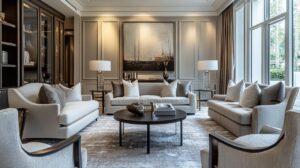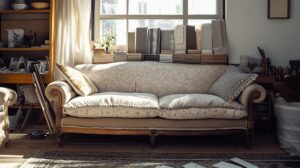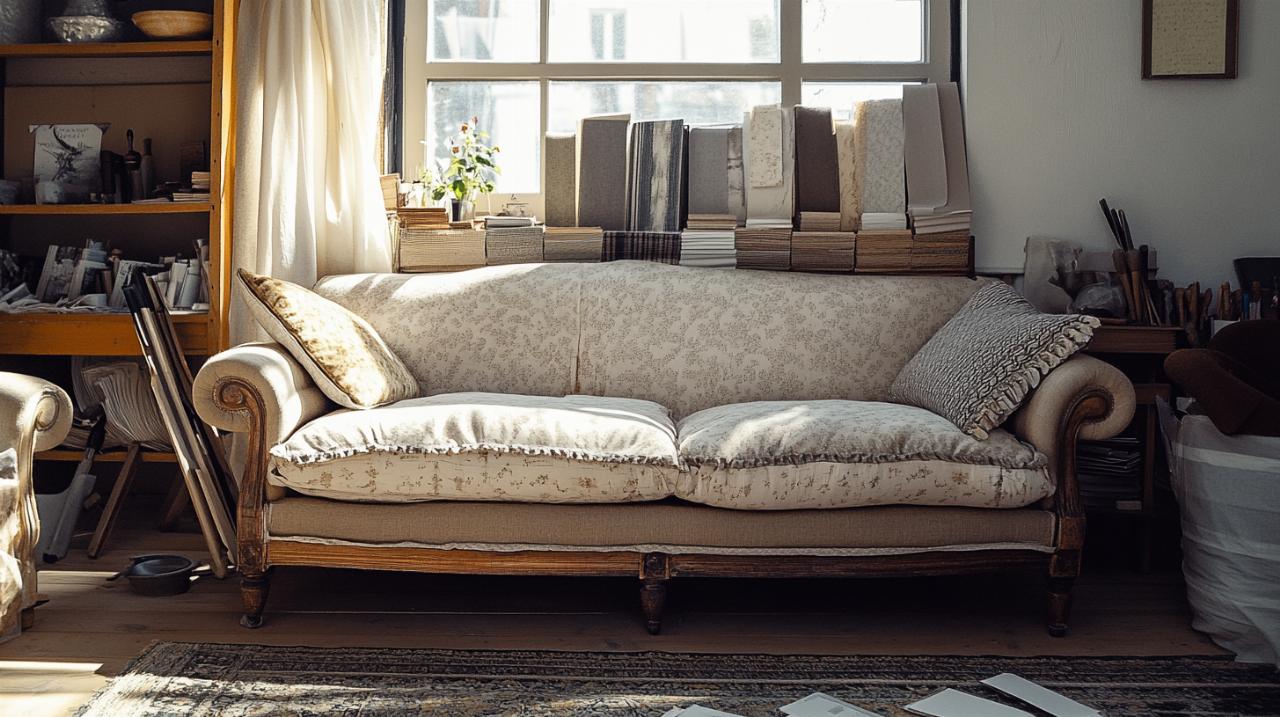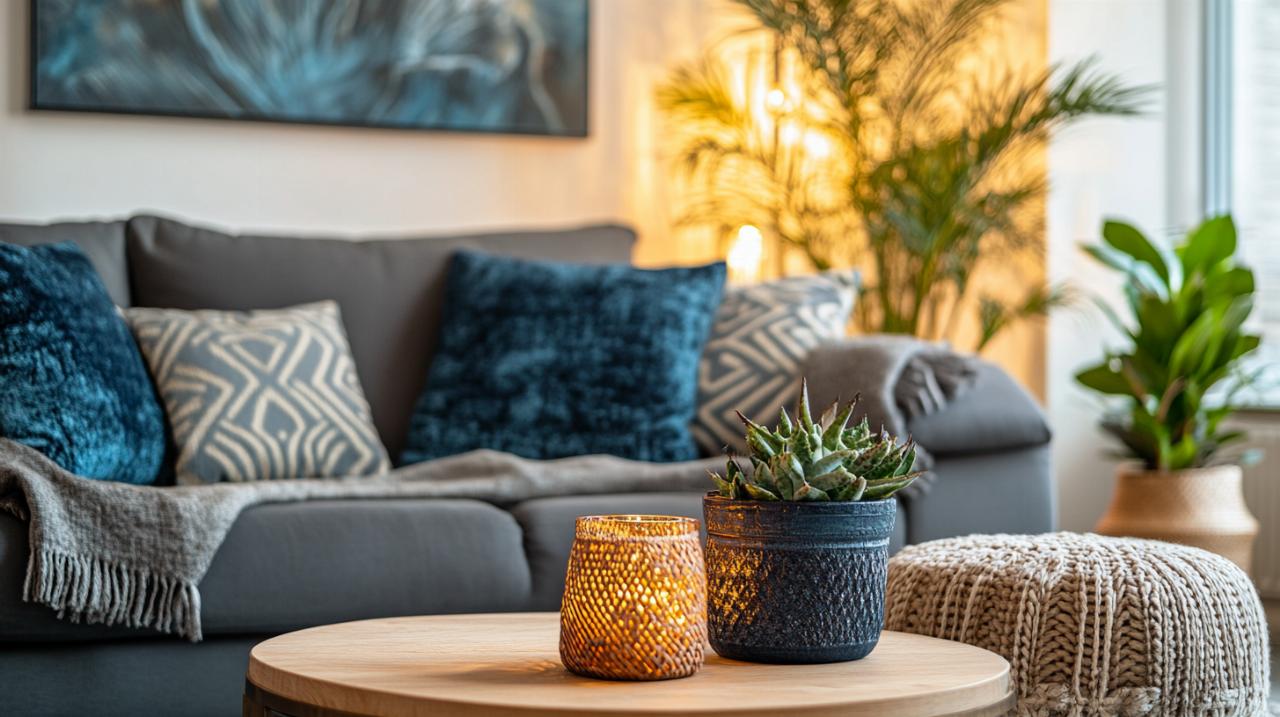
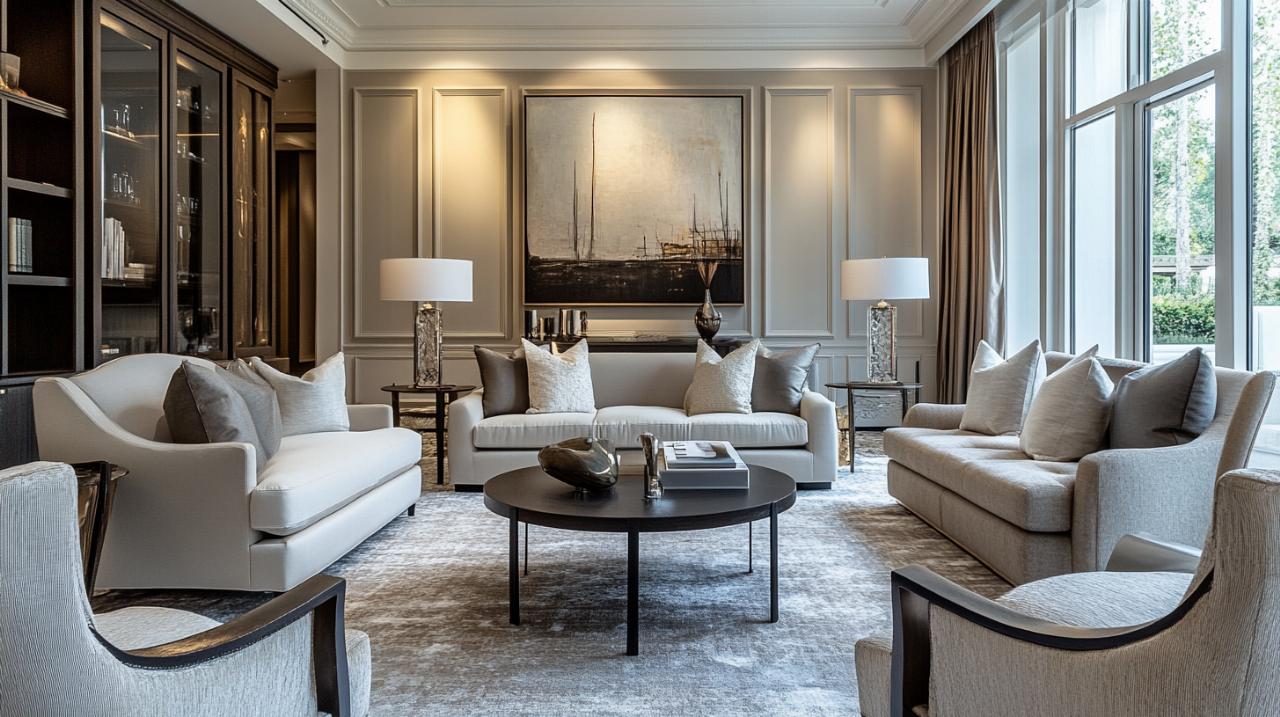
Transforming your living space into a reflection of your personality requires more than just furniture and paint. It involves thoughtfully curating items that bring warmth, character, and a sense of completion to each room. Whether you are drawn to minimalist aesthetics or prefer a more eclectic approach, understanding how to incorporate decorative elements for your home can elevate your interiors from ordinary to extraordinary. This journey involves balancing personal taste with practical considerations, ensuring that every piece contributes to a harmonious and inviting environment.
Essential tips for selecting decorative pieces that complement your space
Choosing the right decorative elements for your home begins with a clear understanding of your existing environment and the atmosphere you wish to create. Interior designers often emphasise the importance of establishing a cohesive decorating strategy rather than adopting a scattergun approach. This means identifying common themes, such as a restricted colour palette or a particular material grouping, that can tie disparate pieces together. For instance, if you are drawn to multiple styles, consider grouping objects by colour or material to create collections that feel intentional rather than random. This method not only simplifies decision-making but also ensures that each decorative element contributes to a unified narrative within your space.
Another crucial aspect is to develop a vision board before making significant purchases. This process allows you to visualise how different pieces will interact within your rooms, helping you avoid costly mistakes. A core colour story can serve as the foundation for your decorating scheme, ensuring that even bold or eclectic items feel connected. Interior designer Gillian Lawlee recommends this approach as a way to define your style and maintain consistency across different areas of your home. Additionally, trusting your instincts and buying what you love, as suggested by Sophie Rowell, can lead to a more authentic and satisfying interior. The key is to balance personal preference with spatial storytelling, ensuring that each decorative element enhances the overall aesthetic.
Understanding Scale and Proportion in Your Rooms
Scale and proportion play a vital role in determining how well decorative elements integrate into your living spaces. Furniture height and room scale must be carefully considered to ensure a good flow and prevent overcrowding. Before purchasing any decorative piece, measure the intended space and compare it to the dimensions of the item. This simple step can save you from the frustration of discovering that a cherished vase or sculpture overwhelms a small side table or gets lost on a vast mantel. Interior designer Adam Bray advises playing with contrasts of scale and texture to create visual interest, which means pairing large statement pieces with smaller, more delicate items to achieve balance.
Vignettes, or curated focal points, are an excellent way to showcase decorative elements while maintaining harmony. By planning multiple focal points in each room, you can draw the eye to different areas, creating layers of interest. This approach works particularly well when you use a mix of heights and shapes, ensuring that no single piece dominates the space. Embracing trial and error, as suggested by Tobias Vernon, can help you find the perfect placement for each item. Moving pieces around until they feel right allows you to discover unexpected combinations that enhance the spatial storytelling of your home. Remember, achieving the right scale and proportion is not about rigid rules but rather about creating a sense of equilibrium that feels natural and inviting.
Mixing Textures and Materials for Visual Interest
Texture balance is essential for adding depth and warmth to your interiors. Mixing different textures, such as pairing hard flooring with soft rugs or combining smooth marble with rough-hewn wood, creates a dynamic and inviting atmosphere. This contrast not only enhances visual interest but also makes a space feel more lived-in and comfortable. When selecting decorative elements, consider how various materials will interact. For example, a sleek glass vase might be beautifully offset by a woven basket, while a polished brass sculpture could complement a textured linen throw.
Material grouping can also serve as a unifying theme in your decorating strategy. Natural materials such as wood, stone, and marble are timeless choices that bring a sense of authenticity and durability to any room. These elements have been celebrated in classical architecture and continue to be favoured in contemporary interiors for their versatility and enduring appeal. By grouping items made from similar materials, you can create collections that feel cohesive even if the individual pieces vary in style or origin. Additionally, incorporating contrast textures within a single vignette can elevate the overall aesthetic, making your decorative elements feel thoughtfully curated rather than haphazardly placed.
Current trends shaping modern home decoration
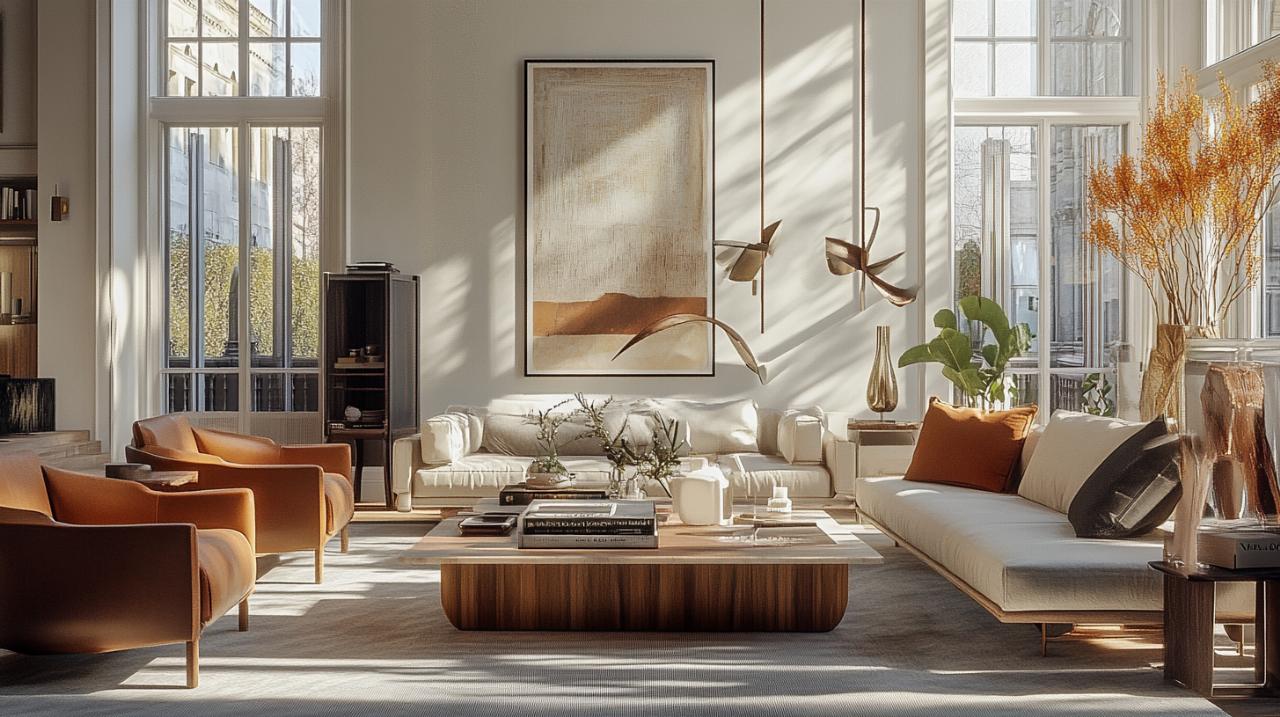
Staying informed about current trends can inspire fresh ideas while ensuring your home feels contemporary and relevant. However, it is equally important to recognise your personal style and avoid being swayed by fleeting fashions. The most successful interiors blend timeless design principles with carefully selected modern touches, creating spaces that feel both current and enduring. Recent market trends indicate a growing preference for instinct-led design, where homeowners prioritise items that resonate on an emotional level rather than simply following what is popular. This shift towards authenticity is reflected in the increasing demand for unique, handcrafted decorative elements that tell a story.
Sustainable and Natural Elements in Contemporary Interiors
Sustainability has become a central theme in modern home decoration, with many homeowners seeking decorative elements that are both beautiful and environmentally responsible. Natural materials like solid wood farm tables, stately armoires, and display cabinets crafted from reclaimed timber are highly sought after for their durability and eco-friendly credentials. These pieces not only reduce environmental impact but also add a sense of history and character to a space. Incorporating such items aligns with the broader trend of instinct-led design, where the focus is on investing in quality pieces that will stand the test of time.
Another aspect of this trend is the emphasis on authentic trimwork and classical architecture, which bring a sense of permanence and craftsmanship to contemporary homes. Beautiful windows and doors, for instance, can serve as both functional elements and decorative focal points, enhancing the overall aesthetic while improving energy efficiency. The integration of natural materials extends beyond furniture to include decorative accessories such as marbled checker floors, eclectic salon art walls, and carefully curated collections of books. These elements create a layered, sophisticated look that feels both timeless and of the moment, embodying the principle that good design transcends trends.
Bold Colours and Statement Pieces for 2024
While timeless design elements provide a solid foundation, bold colours and statement pieces are essential for injecting personality and energy into your home. The year 2024 has seen a resurgence of vibrant hues and daring decorative choices, as homeowners move away from neutral palettes in favour of more expressive interiors. A restricted colour palette can still be effective, but the emphasis is on choosing colours that evoke emotion and create a strong sense of place. For example, a deep emerald green accent wall paired with brass fixtures and rich velvet upholstery can transform a living room into a sumptuous retreat.
Statement pieces, such as a mid-century modern lighting fixture or an English roll-arm sofa, serve as anchors that define the character of a room. These items should be selected with care, ensuring they complement rather than compete with other decorative elements. When incorporating bold colours, it is helpful to create a vision board to experiment with different combinations before committing to a final scheme. This process allows you to visualise how a vibrant piece will interact with existing furnishings and whether it will enhance or overwhelm the space. Balancing opposites, such as pairing a sleek, modern sculpture with a rustic wooden console, can also create a dynamic tension that makes a room feel curated and intentional. By thoughtfully integrating bold colours and statement pieces, you can create interiors that are both visually striking and deeply personal, reflecting your unique taste and the evolving trends of contemporary design.