Transforming your home into a space that captures the essence of urban sophistication requires more than simply stripping back wallpaper or choosing metal furniture at random. The industrial aesthetic, born from the repurposing of old factories and warehouses, champions authenticity and honesty in design. It is about celebrating the bare bones of architecture, allowing raw materials to speak for themselves whilst ensuring your living spaces remain inviting and comfortable. Striking the perfect balance between rugged and refined is an art form, and understanding how texture, material, and function interplay is the key to mastering this distinctive style.
Laying the Foundation: Essential Elements for Your Industrial Interior
Exposed Brick, Concrete, and Raw Materials: The Backbone of Industrial Design
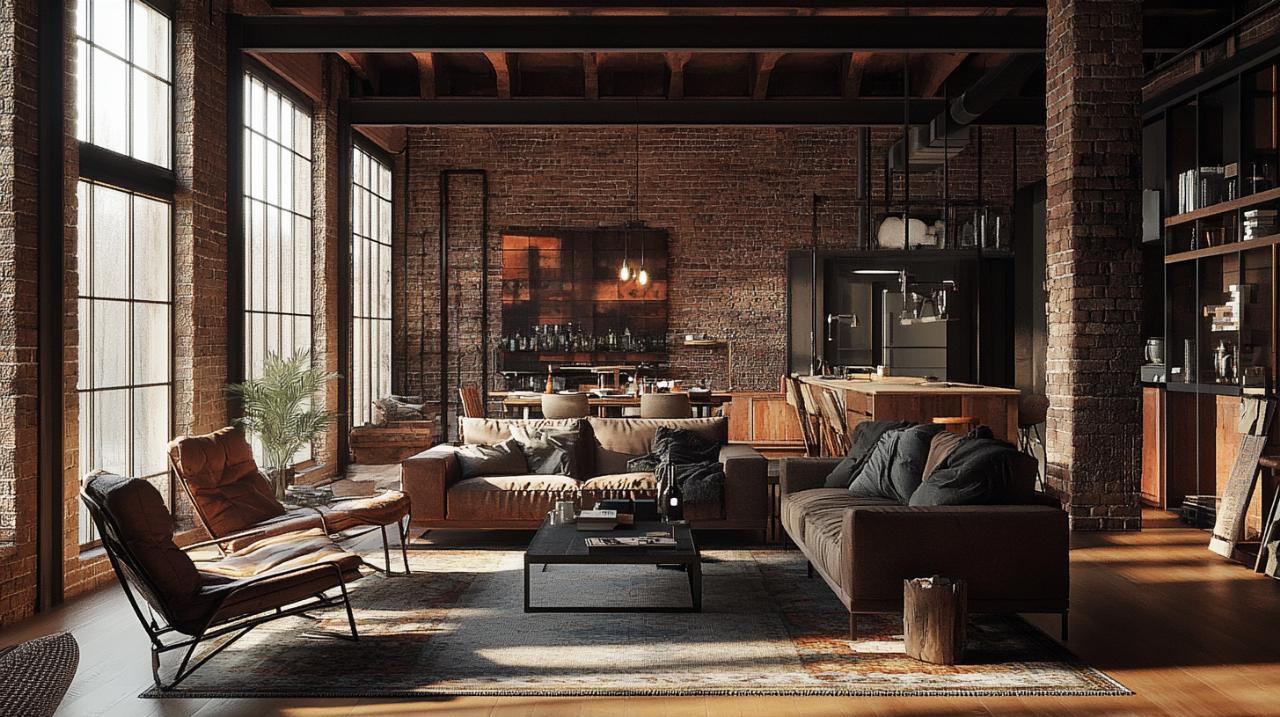
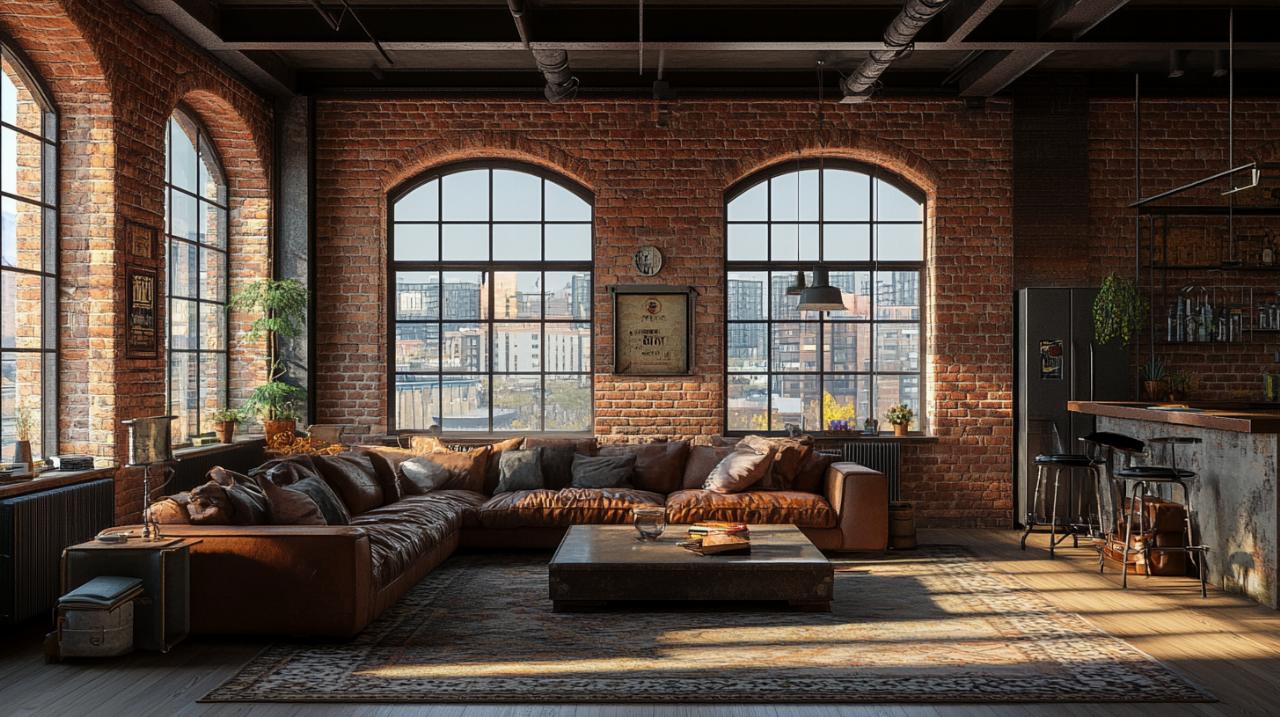
At the heart of any industrial interior lies a commitment to showcasing elements that many traditional design approaches would rather conceal. Exposed brick walls, with their weathered patina and irregular surfaces, introduce character and history into a room. Rather than covering these surfaces with plaster or paint, the industrial approach embraces their imperfections. Concrete floors, often left unfinished or lightly polished, bring a sense of solidity and timelessness to a space. These materials reflect the origins of the style, which emerged in the 1950s when artists began converting disused factories into living quarters. They valued large, light-filled environments where raw structural elements became integral to the aesthetic rather than flaws to hide. Today, celebrating these unrefined surfaces in your home captures that same spirit of authenticity and practicality. From ducting and pipework left visible to structural beams that add verticality and drama, each raw element contributes to a cohesive visual narrative rooted in function over form.
Metal Fixtures and Wood Furnishings: Balancing Hard and Soft Textures in Your Living Room
Achieving harmony in an industrial living room means carefully balancing the hardness of metal with the warmth of wood. Metal fixtures such as steel-framed windows, iron shelving, and industrial-style radiators add an unmistakably robust quality to interiors. These pieces are often left in their natural state or finished with matte black paint to emphasise their utilitarian origins. Yet metal alone can feel cold and unwelcoming. This is where reclaimed wood enters the picture. Salvaged timber, rich with the marks of its previous life, brings texture and warmth that softens the harshness of metal and concrete. Whether used for flooring, ceiling beams, or furniture, wood adds a layer of organic comfort that prevents the space from feeling sterile. Together, these materials create a dialogue between strength and softness, allowing your living room to feel both grounded and inviting. The interplay of textures encourages a sensory richness that is central to successful industrial decor.
Curating character: selecting statement furniture and decoration pieces
Reclaimed Timber Tables and Metal-Framed Seating: Anchoring Your Space with Purpose
Furniture selection in an industrial house should prioritise pieces that combine functionality with visual impact. Reclaimed timber tables, for instance, serve as powerful focal points. Their substantial presence anchors a room, whilst their weathered surfaces tell stories of past use. Paired with metal-framed seating, such as wrought iron chairs or steel-legged stools, the combination reinforces the aesthetic's core philosophy. These pieces are not delicate or ornamental; they are built to endure, reflecting a respect for craftsmanship and durability. When choosing furniture, seek out items that display honest construction. Visible joinery, raw edges, and unadorned finishes align with the industrial ethos. Avoid overly polished or decorative pieces that might dilute the style's authenticity. Instead, embrace furniture that looks as though it could have been salvaged from a workshop or factory floor. This approach not only strengthens the visual coherence of your interior but also ensures that each piece contributes meaningfully to the overall atmosphere of your home.
Vintage Lighting and Factory-Inspired Accents: Adding Personality to Your House
Lighting plays a pivotal role in defining the mood of an industrial interior. Bare bulbs suspended from fabric-covered cables or housed in wire cages evoke the no-nonsense illumination of early factory floors. Vintage pendant lights, Edison bulbs, and exposed filament designs add warmth and character without sacrificing the utilitarian aesthetic. Factory-inspired accents, such as metal lockers repurposed as storage, old signage, or vintage machinery parts displayed as sculpture, inject personality and narrative into your decoration. These elements transform a house into a home with soul, offering glimpses into industrial history and craftsmanship. Incorporating such pieces requires a discerning eye; the goal is to curate rather than clutter. Each accent should feel intentional, contributing to the overall story you wish to tell about your space. This careful selection process ensures that your home reflects individuality whilst remaining true to the principles of industrial design.
Perfecting the balance: softening industrial style without losing its edge
Textiles, Rugs, and Greenery: Warming Up Metal and Wood Dominated Rooms
While raw materials form the foundation of industrial interiors, introducing softer elements prevents spaces from feeling stark or unwelcoming. Textiles such as linen cushions, woollen throws, and heavy curtains add layers of tactile comfort. Rugs, particularly those with subtle patterns or muted tones, define seating areas and absorb sound, counteracting the acoustics of hard flooring and bare walls. Greenery introduces life and colour, breaking up the neutral palette typically associated with the style. Large potted plants, trailing vines, or clusters of succulents soften hard edges and bring organic vitality into metal and wood dominated rooms. These additions do not compromise the industrial aesthetic; rather, they enhance it by creating a more liveable, breathable environment. The evolution of industrial decor has seen it merge gracefully with influences such as Scandinavian minimalism and Japandi warmth, resulting in spaces that honour the style's origins whilst embracing contemporary comfort. Softening touches ensure your home remains both visually striking and genuinely inviting.
Colour palettes and finishing touches: refining your industrial living home aesthetic
Colour selection in an industrial living home typically gravitates towards a neutral palette. Shades of grey, charcoal, white, and beige dominate, allowing textures and materials to take centre stage. However, introducing selective pops of colour through art, cushions, or ceramics can inject personality without overwhelming the space. Deep blues, muted greens, or rust tones work particularly well, echoing the industrial origins whilst adding warmth. Finishing touches such as statement lighting, carefully chosen artwork, and curated accessories refine the overall aesthetic. These elements should enhance rather than distract, maintaining the minimal and calm atmosphere that defines the style. The beauty of industrial decor lies in its timelessness and adaptability. It evolves with trends yet remains rooted in principles of honesty, functionality, and material integrity. By thoughtfully layering textures, balancing hard and soft elements, and curating pieces with purpose, you can create a living home that embodies the perfect marriage of rough and refined. This approach ensures your space is not only stylish but also deeply personal and enduringly comfortable.