The allure of the Art Deco movement continues to captivate enthusiasts of interior design, offering a sophisticated blend of glamour and modernity that first emerged during the early twentieth century. This aesthetic, celebrated for its bold geometry and luxurious materials, has found a fresh lease of life in contemporary homes, particularly through the medium of wallpaper. Whether one seeks to evoke the opulence of a Gatsby-inspired soirée or simply wishes to introduce a touch of vintage charm to a living space, the revival of this iconic style presents endless possibilities for transforming any room into a statement of refined elegance.
The Origins and Defining Characteristics of Art Deco Wallpaper from the Roaring Twenties
Historical Context: How the Jazz Age Shaped Bold Geometric Patterns and Luxurious Design
The Art Deco movement emerged as a celebration of progress and prosperity during the years following the First World War, reaching its zenith in the 1920s and extending into the 1930s. This period, often referred to as the Roaring Twenties, was characterised by a newfound sense of freedom and a desire to break away from the constraints of the past. The Jazz Age brought with it a spirit of exuberance that was reflected in every aspect of culture, from music and fashion to architecture and interior design. It was during these transformative years that the distinctive visual language of Art Deco took shape, drawing inspiration from a variety of sources including ancient Egyptian motifs, the bold simplicity of the Bauhaus movement, and the organic curves of Art Nouveau.
Wallpaper became a canvas for this vibrant aesthetic, translating the grandeur of monumental buildings like the Chrysler Building and the Empire State Building into domestic interiors. The emphasis was on symmetry and geometric refinement, with patterns featuring chevrons, zigzags, and stylised fan shapes that conveyed a sense of dynamic movement. These designs were not merely decorative; they embodied the optimism and forward-thinking ethos of an era that embraced technological advancement and artistic experimentation. The use of luxurious materials such as polished metals, velvet, and silk in furnishings was mirrored in wallpaper designs that evoked similar richness through printed imagery and texture.
Signature Features: Exploring Black, White, and Metallic Colour Palettes in Classic Deco Style
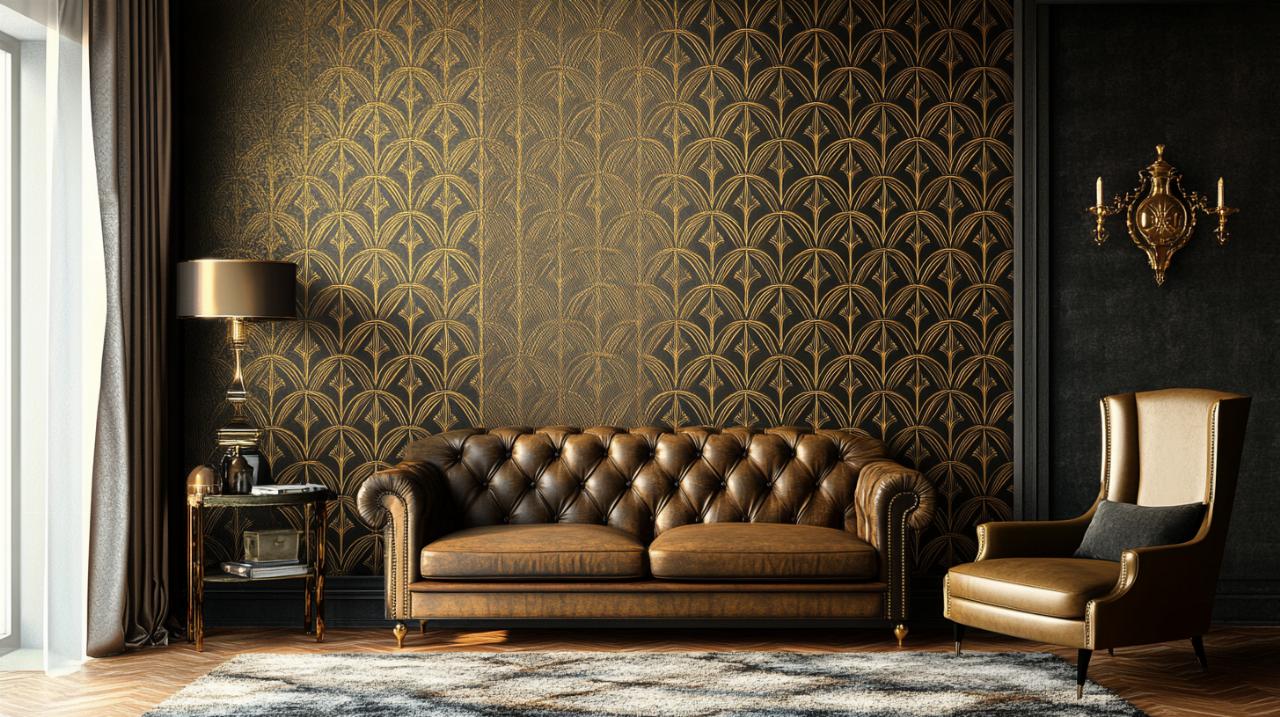
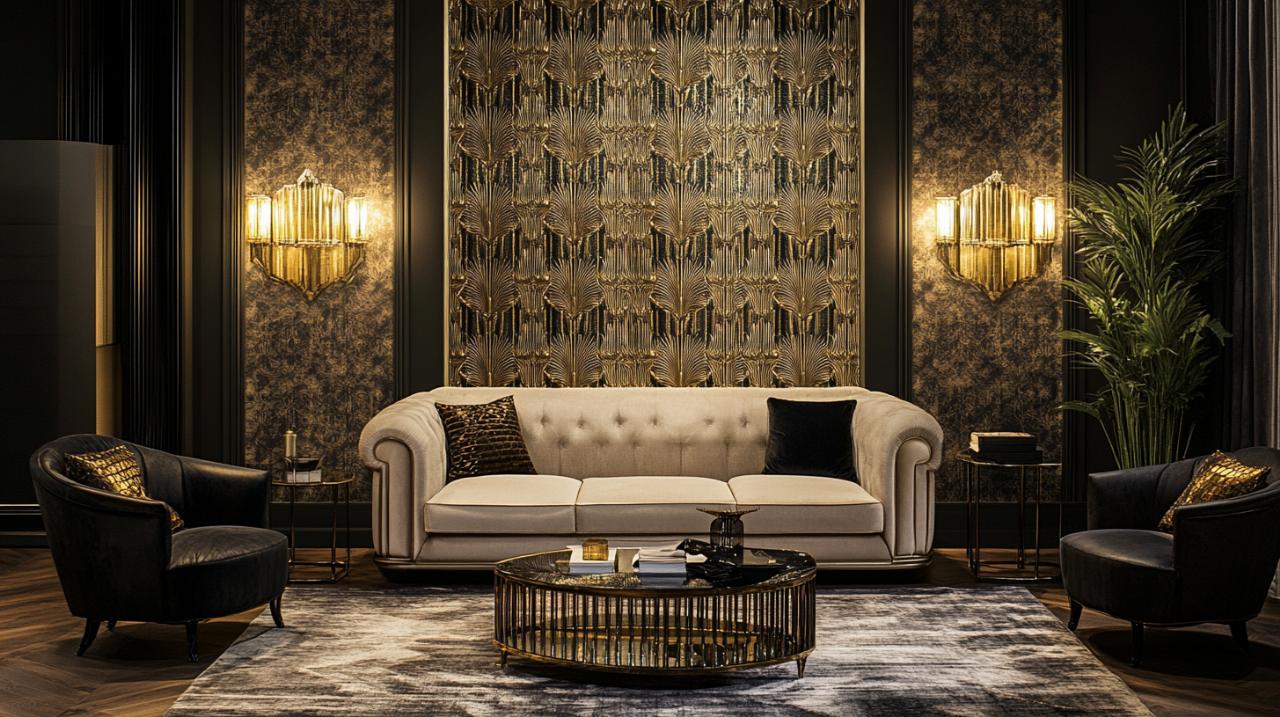
One of the most striking aspects of Art Deco wallpaper lies in its distinctive colour schemes, which often feature a dramatic interplay of contrasts. Black and white combinations remain timeless, offering a crisp and sophisticated backdrop that highlights the intricate geometry of the patterns. This monochromatic approach allows the shapes themselves to take centre stage, creating a sense of depth and visual interest without overwhelming the space. The addition of metallic accents, particularly gold and silver, introduces an element of luxury that is quintessentially Art Deco. These shimmering touches catch the light and add a layer of opulence, transforming a simple wall into a focal point of glamour.
Beyond the classic black and white palette, the era was also known for its bold use of vibrant hues. Emerald green, sapphire blue, and ruby red were frequently employed to create interiors that exuded confidence and drama. These rich colours were often paired with neutral tones or metallic finishes to balance their intensity, resulting in spaces that felt both lavish and harmonious. The careful selection of colour was integral to achieving the desired ambiance, whether that was the cool elegance of a sophisticated salon or the warm richness of a cosy dining room. The versatility of these palettes ensures that Art Deco wallpaper can be adapted to suit a wide range of tastes and interior styles, from the understated to the extravagant.
Contemporary interpretations: modern art deco wallpaper for today's interior spaces
From Painted Murals to Panoramic Non-Woven Papers: Material and Format Innovations
The evolution of wallpaper technology has brought with it a host of innovations that make it easier than ever to incorporate Art Deco aesthetics into modern homes. Contemporary offerings range from traditional rolls to expansive panoramic designs that transform entire walls into works of art. Non-woven materials have become particularly popular due to their ease of installation and removal, making them an ideal choice for those who wish to experiment with different styles without committing to a permanent change. This type of wallpaper is typically more breathable than vinyl alternatives, allowing walls to maintain their natural properties while providing a durable and washable surface.
Panoramic designs, in particular, have opened up new possibilities for creating immersive environments that capture the grandeur of the Art Deco era. These large-scale murals often depict stylised cityscapes, abstract compositions, or intricate geometric patterns that span the length of a room, creating a sense of continuity and flow. The use of painted effects within these designs adds depth and texture, mimicking the appearance of hand-applied finishes without the associated cost or complexity. Such innovations allow homeowners and designers to achieve a high level of visual impact while maintaining the practicality required for everyday living. The availability of these materials from online shops, often accompanied by free samples and delivery options, has made it more accessible for individuals to explore and implement these designs within their own interiors.
Versatile styles: floral motifs, abstract compositions, and retro sticker applications
While geometric patterns are the hallmark of Art Deco design, the movement also embraced a variety of other motifs that add versatility to the aesthetic. Floral patterns, for instance, were reimagined in a stylised manner that stripped away the organic irregularity of natural forms in favour of symmetrical, almost architectural arrangements. These designs often feature bold outlines and simplified shapes that maintain the elegance of the era while introducing a softer, more decorative element. Abstract compositions, on the other hand, push the boundaries of the style by incorporating elements of cubism and other avant-garde movements, resulting in wallpapers that are both thought-provoking and visually striking.
For those seeking a more playful or temporary approach, retro sticker applications offer a convenient way to introduce Art Deco motifs into a space. These removable decals can be applied to walls, furniture, or even accessories, providing a cost-effective solution for renters or anyone who enjoys frequently updating their surroundings. The vintage appeal of these designs is undeniable, evoking the glamour of flapper girls and the sophisticated atmosphere of a Gatsby-style gathering. Whether used in a bedroom to create a serene retreat, a living room to make a bold statement, or even a bathroom or kitchen to add unexpected charm, these versatile styles demonstrate the enduring relevance of Art Deco design in contemporary interiors. The ability to mix and match different patterns and formats allows for a high degree of personalisation, ensuring that each space reflects the unique taste and personality of its occupants.
Choosing the Perfect Art Deco Wallpaper: Considerations for Price, Pattern, and Placement
Understanding Cost Factors: Roll Versus Custom Designs and Quality of Materials
When selecting Art Deco wallpaper, one of the primary considerations is the price, which can vary significantly depending on the material, design complexity, and brand. Standard rolls of wallpaper tend to be more affordable and are ideal for covering large areas or multiple rooms without exceeding a budget. These options often feature classic patterns that have been reproduced from original designs, offering an authentic vintage appeal at a reasonable cost. On the other hand, custom or designer wallpapers, such as those produced by renowned brands like Versace or NLXL, command a higher price due to their exclusivity and the superior quality of materials used in their manufacture. These premium options often incorporate textile or metallic finishes that add a tactile dimension to the visual design, enhancing the overall sense of luxury.
The quality of materials plays a crucial role in determining both the appearance and longevity of the wallpaper. Non-woven papers are celebrated for their durability and ease of maintenance, making them a practical choice for high-traffic areas or households with children and pets. Vinyl wallpapers, while also durable, offer a slightly different finish and are particularly well-suited to spaces that require frequent cleaning, such as kitchens and bathrooms. Natural and textile-based papers, though more delicate, provide a richness of texture that is difficult to replicate with synthetic materials, making them a favoured choice for formal spaces like dining rooms or corridors. Understanding these differences allows buyers to make informed decisions that balance aesthetic preferences with practical requirements, ensuring that the investment in wallpaper delivers both immediate visual impact and long-term satisfaction.
Matching Shapes and Colours to Your Space: Achieving Vintage Elegance with Timeless Appeal
The final step in selecting the perfect Art Deco wallpaper involves careful consideration of how the shapes and colours will interact with the existing elements of a room. Geometric patterns, with their bold lines and angular forms, are best suited to spaces where they can be appreciated without competition from overly busy furnishings or accessories. A living room with clean-lined furniture and minimal clutter provides an ideal backdrop for showcasing intricate zigzag or chevron designs, while a bedroom might benefit from more subtle, abstract compositions that promote a sense of calm and relaxation. The choice of colour is equally important, as it sets the mood and influences the perceived size and warmth of the space.
For those aiming to achieve vintage elegance, it is often advisable to select a palette that echoes the era's penchant for drama and sophistication. Deep jewel tones paired with metallic accents can transform a room into a luxurious retreat, while black and white schemes offer a timeless appeal that transcends passing trends. In spaces with limited natural light, lighter hues or patterns with reflective metallic elements can help to brighten and open up the area, preventing it from feeling enclosed or oppressive. Conversely, in rooms with ample sunlight, richer colours can be employed to create a cosy, enveloping atmosphere that invites relaxation and conversation. The key is to view the wallpaper not as a standalone element but as an integral part of the overall design scheme, working in harmony with furniture, lighting, and accessories to create a cohesive and inviting interior. By taking the time to consider these factors, homeowners can ensure that their choice of Art Deco wallpaper not only pays homage to the elegance of the past but also meets the practical demands of modern living, resulting in a space that is both beautiful and functional.