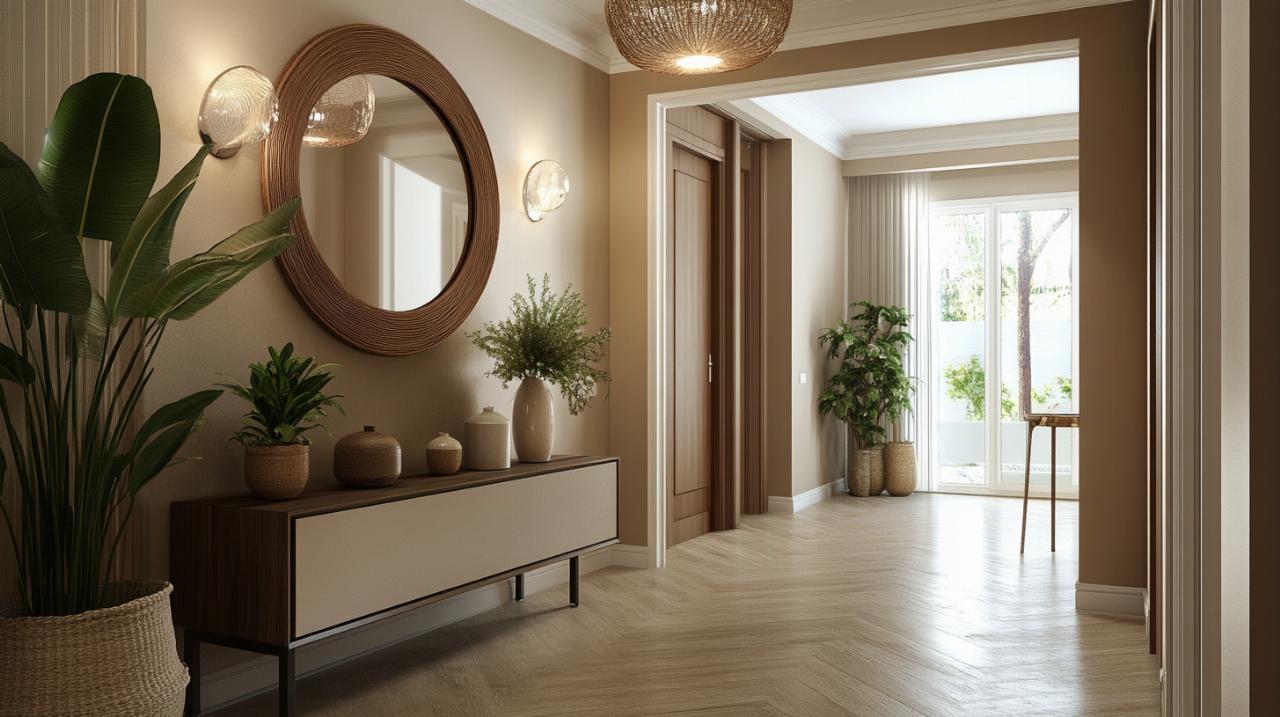
Stepping through your front door should always feel like a warm embrace, and the colours you select for your entrance can make all the difference between a forgettable passageway and a truly memorable first impression. When it comes to transforming a hall into something special, deep purple shades offer a striking yet sophisticated choice that combines elegance with a touch of the unexpected. This rich hue has the power to elevate an often-overlooked space, turning your corridor into a statement of style that sets the tone for the rest of your house.
Understanding the Power of Deep Purple in Entry Hall Decor
Why Deep Purple Creates a Welcoming Ambiance in Your Corridor
Deep purple possesses a unique ability to create a moody yet inviting ambiance that can completely reimagine an unloved entryway. Unlike lighter pastels that sometimes feel too delicate for high-traffic areas, darker purple tones bring a sense of drama and depth that makes guests pause and take notice. This choice of colour works particularly well in halls where natural light may be limited, as the richness of the shade adds character and warmth rather than making the space feel closed in. The key lies in how purple manages to be both bold and comforting at the same time, a balance that few other hues achieve so effortlessly.
When you opt for shades like a medium dusky purple, you introduce a versatile backdrop that pairs beautifully with metallic accents and slate grey furnishings. This combination creates a sophisticated atmosphere that feels both contemporary and timeless. The beauty of working with purple in your entry space is that it allows you to experiment with different intensities throughout the day, as changing light conditions reveal new dimensions within the colour. Morning light might bring out subtle violet undertones, while evening illumination enhances the deeper, more mysterious qualities of the paint.
The psychology behind purple hues for interior spaces
The psychology of colour reveals that purple has long been associated with creativity, luxury, and a sense of calm contemplation. In the context of interior design, these associations translate into a colour that helps visitors feel immediately at ease while also suggesting a homeowner with refined taste and confidence. Purple sits at the intersection of warm and cool tones, which explains its remarkable adaptability across different decorating styles and existing colour schemes within your house.
Lighter shades like lilacs and lavenders offer a gentle introduction to the purple family, making a hallway feel light and airy whilst still maintaining visual interest. These softer tones work wonderfully when you want to create a welcoming atmosphere without overwhelming the senses. A calm lavender shade can transform even the smallest corridor into a peaceful transition zone between the outside world and the sanctuary of your living room or dining room. The versatility of purple extends to its ability to complement various materials and textures, from natural wood accents to crisp white trim, allowing you to build a cohesive decorating vision that flows seamlessly throughout your home.
Practical Tips for Incorporating Deep Purple Shades into Your Hall
Choosing the Right Purple Paint Combinations with White and Wood Accents
The selection of the perfect purple shade for your entry requires careful consideration of the existing elements within your space. When working with wood features such as skirting boards or door frames, a darker lilac that pairs well with light greys or pure whites can create a striking contrast that highlights architectural details. This approach allows the natural beauty of wood to shine whilst the walls provide a rich, colourful backdrop. For those who prefer a more subtle effect, a soft grey with lilac undertones offers an understated elegance that works beautifully in various spaces throughout your house.
White remains an invaluable companion to purple in any decorating scheme, as it provides visual relief and prevents the space from feeling too heavy. Consider painting your ceiling and trim in a crisp white to frame your purple walls and enhance the sense of height in your corridor. This technique also helps to bounce light around the room, which is particularly beneficial in halls that may lack windows or natural illumination. For a more contemporary look, you might explore a versatile purple-grey that works wonderfully as a feature wall, allowing you to introduce the colour gradually whilst maintaining a lighter palette on adjacent walls.
Balancing Light and Dark Purple Tones to Enhance Your Entry Space
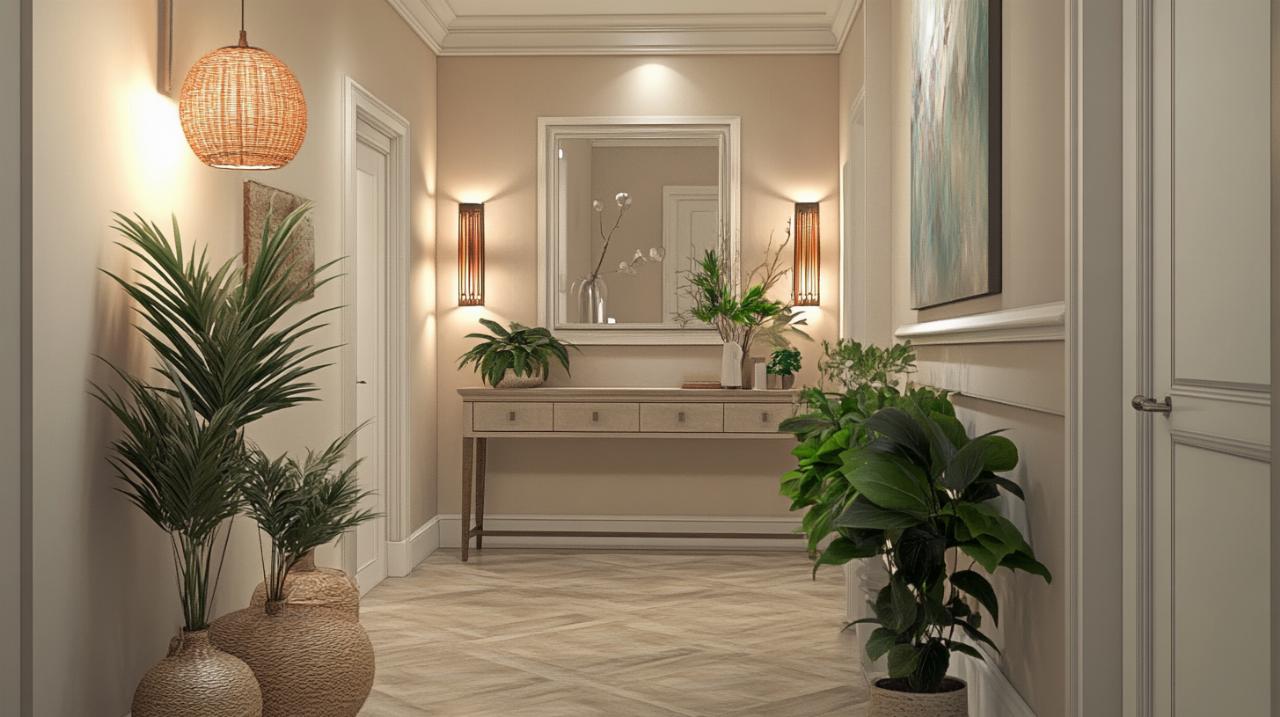
Achieving the right balance between light and dark purple tones can transform your hall from a simple passageway into a carefully curated space that reflects your personal style. Dark purples excel at creating a moody ambiance that feels cocooning and intimate, particularly effective in larger entrance areas where you want to create a sense of enclosure and warmth. However, in smaller spaces, a subtle grey with blue undertones that leans towards purple can provide just enough colour interest without making the area feel cramped.
The beauty of modern paint technology is that you can explore countless shades before committing to a final choice. Many providers now offer samples that allow you to test colours in your actual lighting conditions, a crucial step given how dramatically purple can shift in appearance throughout the day. When decorating with deeper tones, consider how they interact with your flooring and any existing furnishings in the adjacent living room or dining room. A cohesive colour scheme that carries subtle purple accents into neighbouring spaces creates a sense of flow that makes your entire house feel more harmonious and thoughtfully designed.
Decorating ideas to complement your purple entry hall
Furnishing and Accessory Choices That Harmonise with Purple Walls
Once you have committed to purple walls in your entry, the furnishing and decoration of the space become opportunities to either amplify or soften the colour's impact. Greys, tans, and pastels all work beautifully alongside purple, offering a range of possibilities depending on the mood you wish to create. For a sophisticated, gallery-like ambiance, consider artwork framed in metallic finishes that pick up on any shimmer in your paint or wallpaper. These reflective surfaces catch the light and add dimension to the space, preventing it from feeling flat despite the depth of colour on the walls.
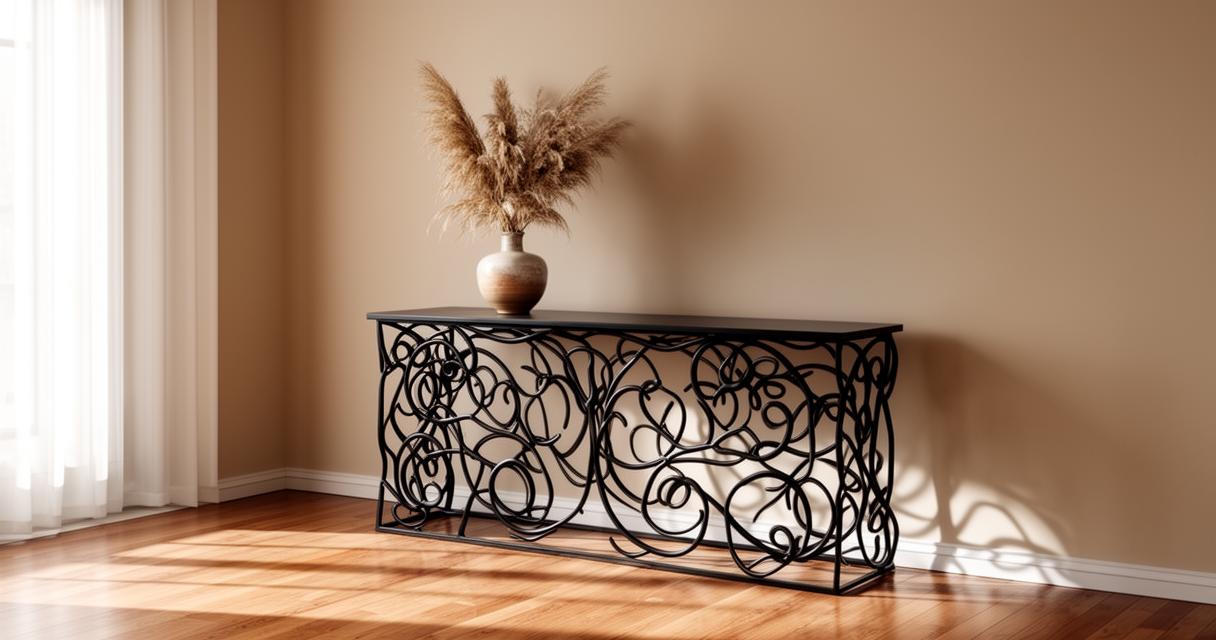
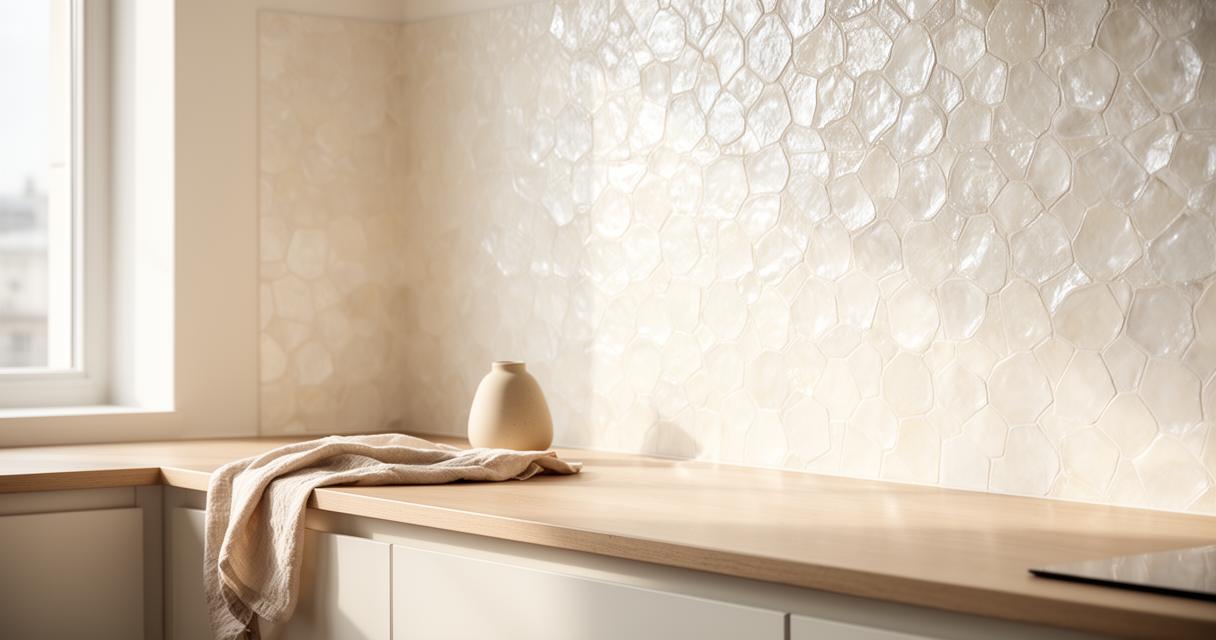
Textured elements bring another layer of interest to a purple hallway. Whether you opt for a console table in natural wood, a plush runner in complementary tones, or botanical prints that introduce organic shapes, these choices help to ground the colour and make the space feel lived-in rather than overly formal. For those drawn to current trends, textured wallpaper options such as Venetian plaster effects or marble patterns can add extraordinary depth to a feature wall, creating a focal point that elevates the entire entry. These special finishes work particularly well when paired with understated furnishings that allow the walls to take centre stage.
Extending the Purple Theme from Hall to Living Room and Dining Room
The most successful interior schemes are those that create a sense of continuity throughout a house, and your purple entry offers an excellent starting point for this kind of cohesive approach. Rather than treating your hall as an isolated space, consider how you might echo its purple tones in adjacent rooms through carefully chosen accessories, soft furnishings, or even an accent wall. This technique helps visitors experience your home as a unified whole rather than a collection of disconnected spaces.
In the living room, you might introduce purple through cushions, throws, or artwork that picks up on the exact shade used in your hallway, creating a visual thread that ties the spaces together. Similarly, in the dining room, table linens or decorative objects in complementary purples can reinforce your colour choice without overwhelming these more social spaces. The key is to maintain balance, using purple as an accent in these larger rooms whilst allowing it to dominate in the more intimate confines of your entry. This approach demonstrates a sophisticated understanding of colour theory and creates a home that feels both thoughtfully decorated and genuinely welcoming to all who enter.