The allure of French country cooking lies in its effortless elegance and unpretentious charm, a culinary philosophy that celebrates the beauty of simple, honest food. Rooted in the rustic traditions of rural France, this approach to the kitchen transforms everyday meals into moments of connection and comfort. By drawing inspiration from the timeworn kitchens of Provence and the rolling hills of Burgundy, home cooks can infuse their daily routines with warmth, generosity, and a deep appreciation for the ingredients at hand. The essence of this style is not about mastering complex techniques or sourcing exotic components, but rather about embracing the rhythms of nature, the pleasure of sharing, and the joy of cooking with what is fresh, seasonal, and true to its origins.
Embracing rustic simplicity in your kitchen
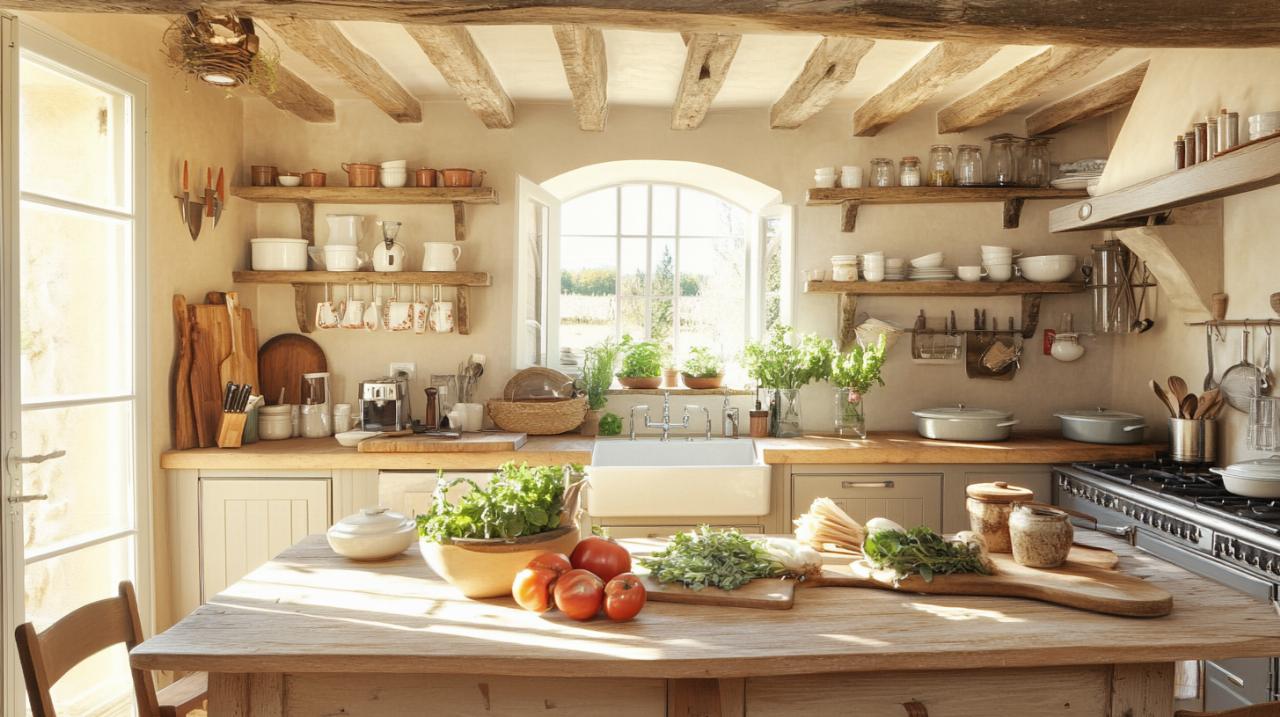
At the heart of French country cooking is a commitment to rustic simplicity, a principle that guides both the selection of ingredients and the methods used to prepare them. This culinary tradition rejects unnecessary fuss and instead champions the natural flavours and textures that quality produce can offer. The goal is to let each ingredient shine, whether it is a ripe tomato picked at the peak of summer or a handful of freshly snipped herbs from the garden. This philosophy extends to the kitchen itself, where distressed wood, reclaimed furniture, and antique elements create a lived-in atmosphere that feels both welcoming and timeless. Copper accents and neutral colour palettes evoke the charm of old farmhouses, while handmade tiles and limestone flooring add character and warmth underfoot. The beauty of this aesthetic lies in its celebration of imperfection, where worn edges and patina tell stories of meals shared and memories made. By incorporating french country style ideas into your daily cooking, you can transform your kitchen into a space that honours tradition while remaining thoroughly practical and inviting.
Natural ingredients and honest flavours
French country cooking thrives on the use of natural ingredients that are allowed to speak for themselves. This means seeking out the best quality produce available, whether from a local farmers' market, a trusted greengrocer, or your own vegetable patch. The emphasis is on freshness and seasonality, with flavours that are robust yet uncomplicated. A perfectly roasted chicken, seasoned with nothing more than sea salt, freshly cracked pepper, and a scattering of thyme, can become a centrepiece worthy of any table. Similarly, a salad of crisp lettuce, ripe tomatoes, and a simple vinaigrette made from good olive oil and wine vinegar can offer a taste of the French countryside. The key is to avoid overcomplicating dishes and to trust in the inherent goodness of the ingredients. This approach not only results in meals that are deeply satisfying but also encourages a more mindful way of cooking, where each element is chosen with care and intention.
Keeping techniques straightforward and authentic
The techniques employed in French country cooking are refreshingly straightforward, focusing on methods that have been passed down through generations. Slow roasting, gentle simmering, and careful sautéing are all hallmarks of this style, allowing flavours to develop naturally without the need for elaborate equipment or complicated procedures. A hearty daube, for instance, might require little more than a sturdy pot, a low flame, and a few hours of patient cooking to achieve its rich, melt-in-the-mouth tenderness. Similarly, a rustic tart made with shortcrust pastry and seasonal fruit can be assembled with minimal fuss, yet deliver maximum pleasure. This emphasis on authenticity means that home cooks can feel confident in their ability to recreate these dishes without requiring advanced culinary training. The beauty of French country cooking is that it is accessible to all, offering a pathway to delicious, nourishing meals that honour tradition while fitting seamlessly into modern life.
Celebrating seasonal and local produce
One of the defining characteristics of French country cooking is its deep connection to the seasons and the land. This culinary tradition is built on the understanding that the best meals are those made with ingredients that are at their peak, harvested when they are naturally abundant and bursting with flavour. By aligning your cooking with the rhythms of the year, you not only ensure that your dishes are as delicious as possible but also forge a closer relationship with the environment and the people who grow your food. This approach encourages frequent visits to local markets, where the changing stalls reflect the passage of time and offer a constant source of inspiration. Whether it is the tender asparagus of spring, the sun-ripened tomatoes of summer, the earthy mushrooms of autumn, or the robust root vegetables of winter, each season brings its own gifts to the table.
Making the Most of What's Growing Now
Cooking with seasonal produce is not only a matter of taste but also of sustainability and economy. Ingredients that are in season are typically more affordable and require less energy to grow and transport, making them a sensible choice for both your budget and the planet. French country cooks have long understood this, crafting their menus around what is readily available and at its best. A summer lunch might feature a simple ratatouille, where courgettes, aubergines, peppers, and tomatoes are slowly cooked together until they form a harmonious, flavour-packed dish. In autumn, a warming soup made from pumpkin or butternut squash, enriched with cream and seasoned with nutmeg, can provide comfort as the days grow shorter. Winter calls for hearty braises and stews, where root vegetables and cuts of meat that benefit from long, slow cooking come into their own. By embracing this seasonal approach, you can enjoy a diet that is varied, nutritious, and deeply satisfying throughout the year.
Stone fruits and summer sunshine cooking
When summer arrives, the markets overflow with stone fruits such as peaches, apricots, plums, and cherries, all of which are perfect for incorporating into both sweet and savoury dishes. These fruits, with their juicy flesh and fragrant sweetness, are a hallmark of warm-weather cooking in the French countryside. A simple dessert of fresh peaches sliced and served with a dollop of crème fraîche can be utterly sublime, while a tart made with ripe apricots and a hint of almond offers a taste of Provence in every bite. Stone fruits also lend themselves beautifully to savoury preparations, such as a salad of grilled chicken, rocket, and sliced nectarines, dressed with a light vinaigrette. The key is to let the natural sweetness and acidity of the fruit balance the other flavours in the dish, creating a meal that is refreshing and perfectly suited to long, lazy afternoons. By making the most of these seasonal treasures, you can bring a touch of summer sunshine to your table, no matter where you are.
French country herbs and aromatics
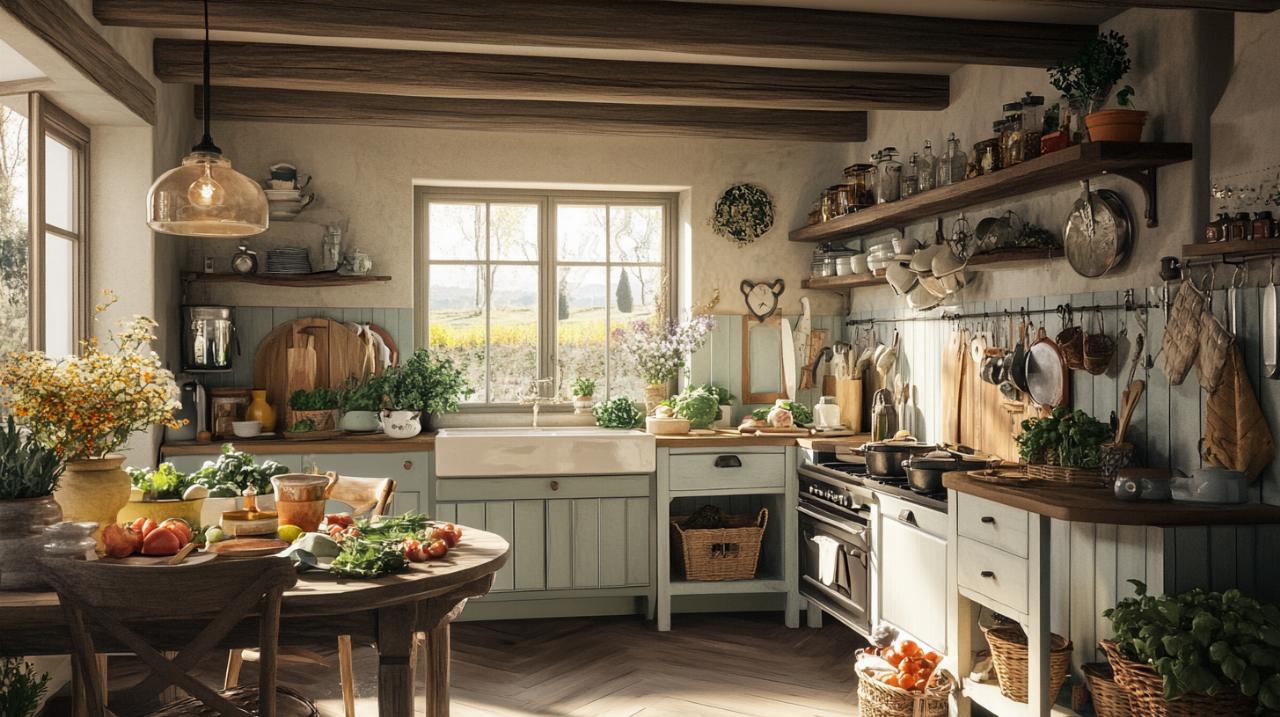
Herbs and aromatics are the soul of French country cooking, providing depth, fragrance, and complexity to even the simplest of dishes. Unlike cuisines that rely heavily on spices, the French country kitchen draws its flavour from the abundant herbs that grow wild in the hills and gardens of Provence and beyond. These herbs are not merely garnishes but essential components that define the character of the food. A handful of fresh thyme can transform a roast chicken, while a sprig of rosemary infuses a lamb stew with earthy warmth. Lavender, though often associated with perfumery, also finds its place in the kitchen, lending a floral note to baked goods and certain savoury dishes. By keeping a well-stocked herb garden or a selection of fresh herbs on hand, you can elevate your everyday cooking and bring the flavours of the French countryside into your home.
Thyme, Rosemary and Lavender as Kitchen Essentials
Thyme, rosemary, and lavender are among the most beloved herbs in French country cooking, each bringing its own distinct qualities to the table. Thyme, with its subtle, slightly minty flavour, is incredibly versatile and pairs beautifully with everything from roasted vegetables to grilled fish. It is a key component of the classic bouquet garni, a bundle of herbs used to flavour stocks, soups, and stews. Rosemary, with its bold, piney aroma, is perfect for hearty dishes such as roast lamb, potatoes, or focaccia bread. Its robust flavour can stand up to long cooking times, making it ideal for slow-roasted meats and casseroles. Lavender, though less commonly used, can add a unique and delicate fragrance to desserts, honey, and even certain savoury dishes when used sparingly. Together, these herbs form the backbone of many traditional recipes, and their presence in your kitchen is a sure sign that you are cooking in the spirit of the French countryside.
Building flavour with mediterranean herbs
Beyond thyme, rosemary, and lavender, the French country kitchen also makes generous use of other Mediterranean herbs such as oregano, basil, tarragon, and parsley. Each of these herbs contributes its own flavour profile and can be used to create layers of taste in your cooking. Oregano, with its peppery notes, is excellent in tomato-based sauces and grilled meats. Basil, with its sweet, aromatic character, is the star of a classic pistou, the French answer to pesto, and pairs wonderfully with fresh tomatoes and mozzarella. Tarragon, with its anise-like flavour, is a traditional accompaniment to chicken and is essential in making a proper béarnaise sauce. Parsley, often underestimated, brings a fresh, clean finish to dishes and is used liberally in salads, soups, and as a garnish. By learning to combine these herbs thoughtfully, you can build complex, satisfying flavours that honour the culinary traditions of France while allowing your own creativity to shine.
Family-style serving and generous portions
French country cooking is as much about the experience of sharing a meal as it is about the food itself. This tradition places great emphasis on family-style serving, where dishes are brought to the table in large platters or rustic bowls, allowing everyone to help themselves and enjoy the conviviality of communal dining. This approach not only simplifies the serving process but also creates a sense of abundance and generosity that is central to the French way of eating. Meals are meant to be leisurely affairs, where conversation flows as freely as the wine, and the act of breaking bread together strengthens bonds and creates lasting memories. By adopting this style of serving in your own home, you can transform everyday dinners into special occasions that celebrate the simple pleasures of good food and good company.
Creating dishes everyone can tuck into
The beauty of family-style serving lies in its inclusivity and ease. Dishes such as a large roasted chicken, a generous pot of cassoulet, or a hearty gratin can be placed in the centre of the table, inviting everyone to dig in and enjoy. This method encourages a relaxed, informal atmosphere where the focus is on enjoyment rather than formality. It also allows for flexibility, as guests can take as much or as little as they like, and can easily return for seconds if the dish proves irresistible. Preparing food for family-style serving often means thinking in terms of one-pot meals or dishes that can be easily portioned, such as stews, roasts, and baked pasta dishes. These types of recipes are not only practical but also deeply comforting, offering flavours that have been allowed to meld and develop over time. By creating dishes that everyone can tuck into, you are embracing a tradition that values connection and the joy of sharing over rigid formality.
The Art of Sharing Meals the French Way
Sharing meals the French way is about more than just the food on the table; it is about creating an environment where people feel welcome, relaxed, and free to savour the moment. This means setting a table that is inviting yet unpretentious, using simple linens, mismatched vintage crockery, and perhaps a few sprigs of lavender or thyme as a centrepiece. It also means taking the time to enjoy each course, to appreciate the flavours and textures, and to engage in meaningful conversation. In the French countryside, meals can stretch on for hours, with multiple courses punctuated by lively discussion and laughter. This unhurried approach to dining is a deliberate choice, a way of honouring the effort that has gone into preparing the food and the pleasure of being together. By embracing this philosophy in your own home, you can create meals that nourish not only the body but also the spirit, fostering a sense of community and well-being that lingers long after the last plate has been cleared.