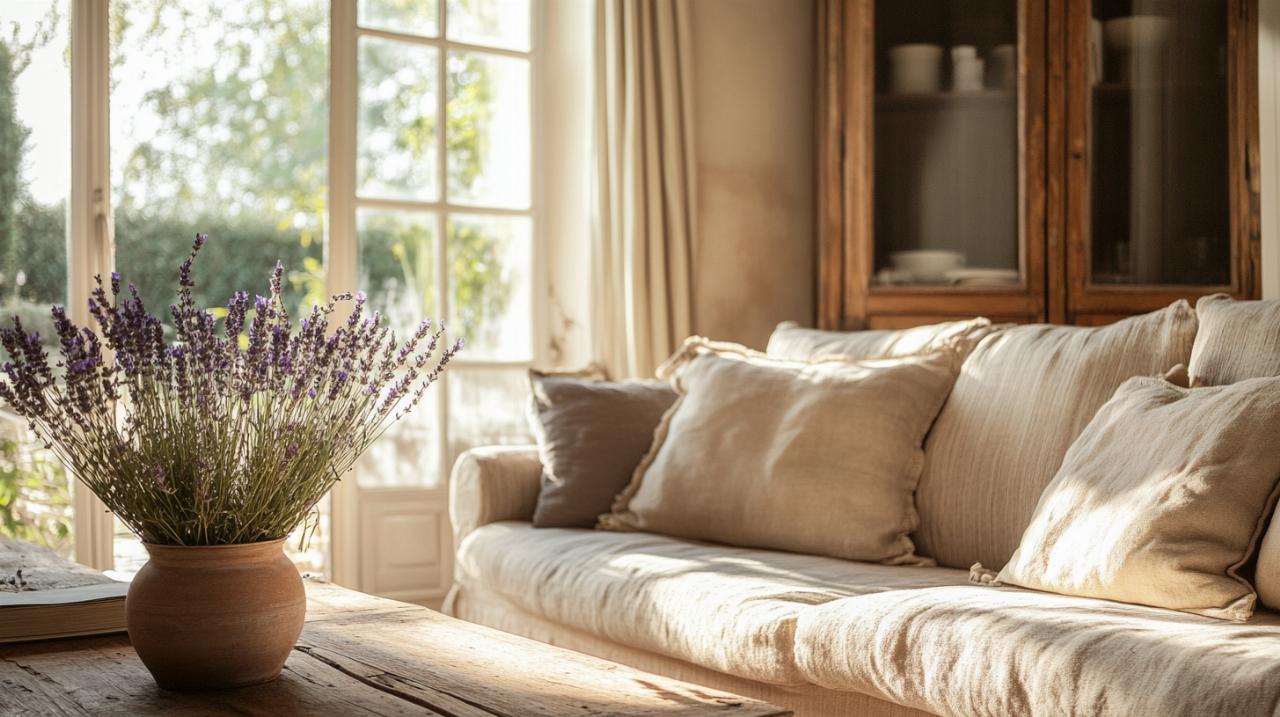
Stepping into a home adorned with French country aesthetics feels like entering a sun-drenched farmhouse in Provence, where rustic charm meets refined elegance. This timeless approach to interior decoration celebrates the beauty of imperfection, the warmth of natural materials, and the comfort of lived-in spaces. Whether you are revamping your living room or simply seeking inspiration for a cosier atmosphere, embracing this style can transform any house into a welcoming retreat that balances simplicity with sophistication.
Essential elements of french country design
At the heart of French country living room design lies an appreciation for authenticity and craftsmanship. This aesthetic draws heavily on the rural traditions of the French countryside, where homes were built to last and furnished with pieces that told stories across generations. The essence of this style is rooted in a careful selection of materials, textures, and furnishings that evoke a sense of history and belonging. Understanding these core components is essential for anyone looking to recreate this inviting atmosphere within their own space.
Natural materials and rustic textures
The foundation of french country style rests upon the use of natural materials that bring the outdoors inside. Wood and stone feature prominently, often left in their raw or lightly treated states to showcase their inherent beauty. Exposed wooden beams, reclaimed timber furniture, and stone hearths contribute to a rustic yet refined ambience that feels both grounded and elegant. These elements are not merely decorative but serve as reminders of a simpler time when craftsmanship and durability were paramount. Bespoke wooden decoration can add a unique touch, allowing homeowners to incorporate custom pieces that reflect their personal taste whilst honouring traditional techniques. The textures found in these materials create depth and interest, ensuring that each room feels layered and thoughtfully composed rather than flat or sterile.
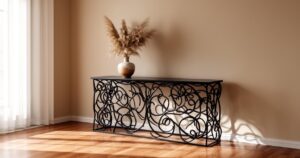
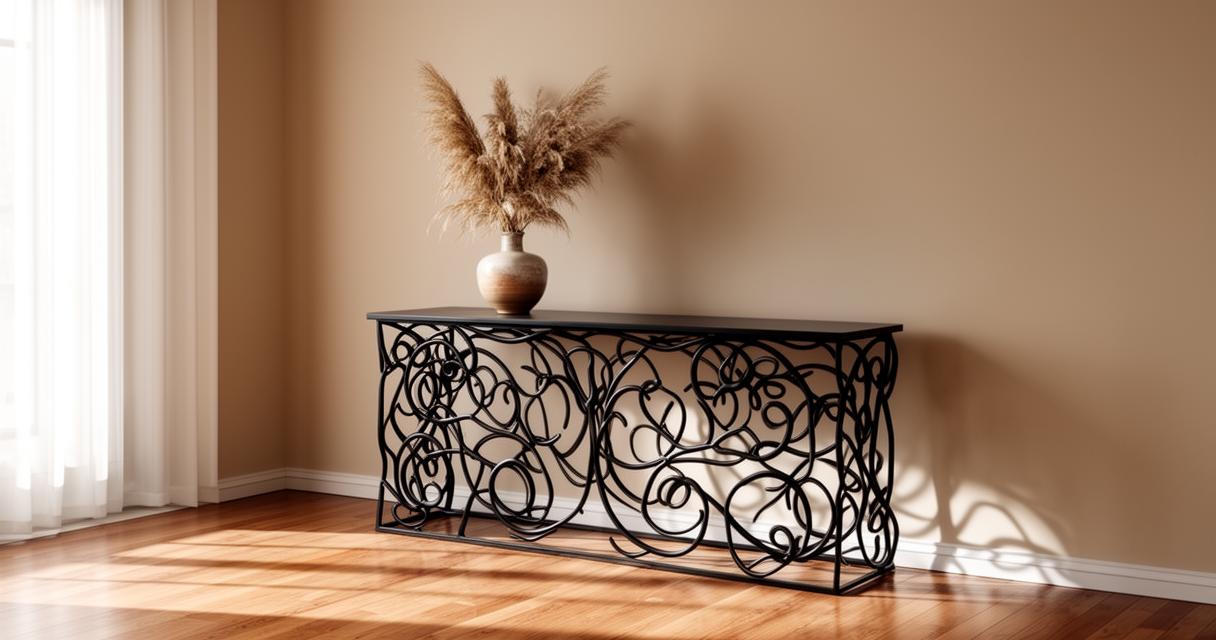
Beyond wood and stone, other natural fibres play a significant role in achieving the desired aesthetic. Linen, cotton, and wool are frequently used for upholstery, curtains, and throws, adding softness and warmth to the overall scheme. These fabrics age gracefully, developing a patina over time that enhances their appeal. The tactile quality of these materials invites touch and creates a sensory experience that is both comforting and luxurious. Incorporating elements such as wrought iron, terracotta, and ceramic further enriches the palette, providing subtle contrasts that highlight the organic beauty of the space. This thoughtful layering of textures ensures that the home decor remains dynamic and engaging, encouraging inhabitants and guests alike to linger and enjoy their surroundings.
The Role of Antique and Vintage Furnishings
Furniture ideas within the French country idiom often revolve around antique and vintage pieces that carry a sense of history and character. These items are not chosen for their perfection but rather for their ability to tell a story and evoke nostalgia. A weathered farmhouse table, a distressed armoire, or a set of ladder-back chairs can serve as focal points that anchor the room and provide a sense of continuity with the past. The charm of these furnishings lies in their imperfections, the nicks and scratches that bear witness to years of use and love. This approach to furniture selection contrasts sharply with contemporary trends that favour sleek, mass-produced items, instead celebrating individuality and craftsmanship.
Sourcing such pieces can be an adventure in itself, with flea markets, antique shops, and estate sales offering treasures waiting to be discovered. The thrill of uncovering a unique item that perfectly complements your vision is a rewarding aspect of curating a French country interior. Moreover, these furnishings often possess a quality and durability that modern alternatives lack, ensuring they remain functional and beautiful for decades to come. Mixing different periods and styles within a cohesive framework adds interest and prevents the space from feeling overly themed or contrived. The key is to select pieces that resonate with you personally, creating a home that feels authentic and lived-in rather than staged for a magazine shoot.
Creating a cosy french country atmosphere
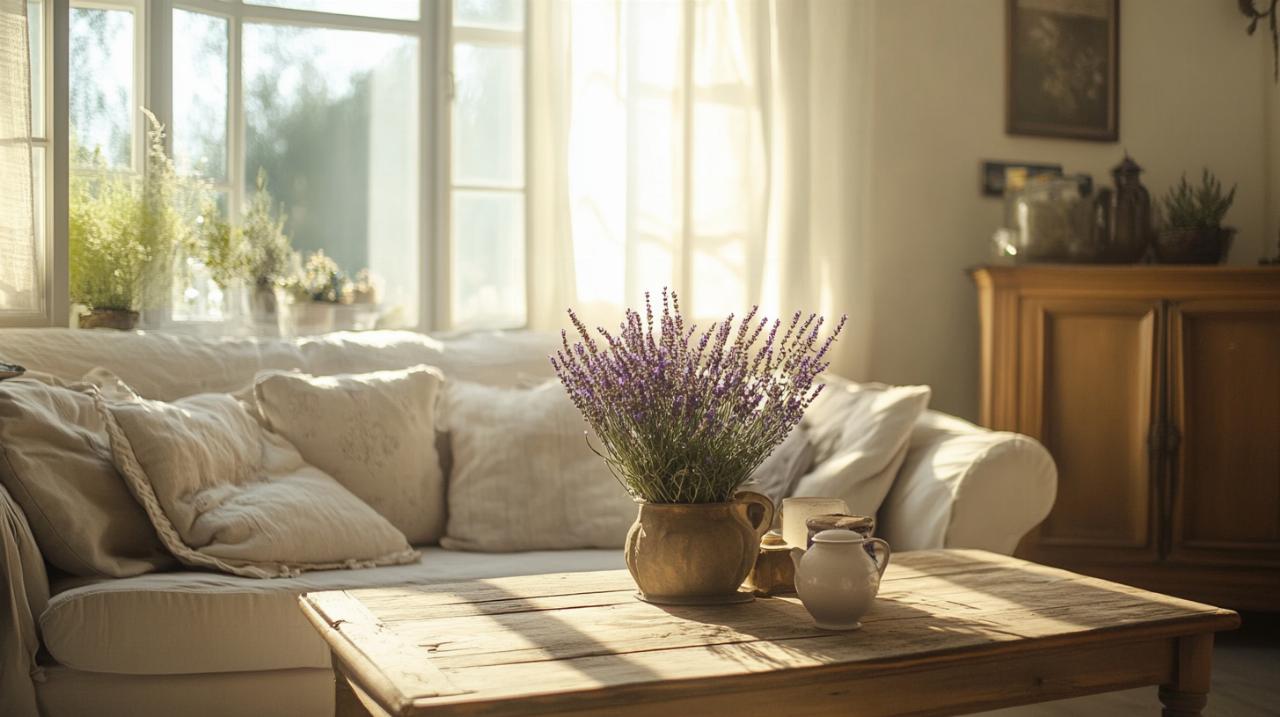
Achieving the warm and inviting ambience characteristic of French country interiors involves more than just selecting the right furniture and materials. It requires a holistic approach that considers colour, pattern, and the overall mood of the space. The goal is to create an environment that feels effortlessly elegant yet utterly comfortable, a place where one can unwind and connect with loved ones. This balance between refinement and relaxation is what makes French country living room designs so enduringly popular and universally appealing.
Soft colour palettes and floral patterns
The colour palette of a French country home is typically soft and muted, drawing inspiration from the natural landscapes of rural France. Shades of cream, beige, taupe, and soft grey form the backdrop, creating a serene and restful atmosphere. These neutral tones allow the textures and forms of the furnishings to take centre stage whilst providing a versatile canvas for layering additional elements. Accents of colour are introduced sparingly, often through textiles and decorative accessories, ensuring that the overall effect remains cohesive and harmonious. Gentle hues of lavender, sage green, and dusky rose evoke the fields of Provence and add a touch of romance without overwhelming the senses.
Floral patterns are a hallmark of French country style, appearing in upholstery, curtains, cushions, and even wallpaper. These motifs are typically rendered in a delicate, timeworn manner, avoiding the overly vibrant or graphic designs found in other decorating styles. The florals chosen often reflect native French blooms such as lavender, sunflowers, and roses, reinforcing the connection to the countryside. When used judiciously, these patterns add visual interest and a sense of whimsy, enlivening the space without detracting from its tranquil character. Mixing florals with checks, stripes, and toile de Jouy creates a layered look that feels curated over time rather than purchased in a single shopping trip. This eclectic yet thoughtful approach to pattern ensures that the interior remains engaging and personal, reflecting the unique tastes and experiences of its inhabitants.
Achieving that lived-in, welcoming feel
The true magic of French country style lies in its ability to make a space feel genuinely welcoming and comfortable. This is not a look that can be achieved overnight or through the simple acquisition of the right pieces. It requires a willingness to embrace imperfection and to prioritise comfort over formality. The goal is to create a home that feels as though it has been cherished and inhabited for generations, a place where life unfolds naturally and beautifully. This lived-in quality is what distinguishes a truly successful French country interior from a mere imitation.
Lighting plays a crucial role in establishing the right atmosphere. Soft, ambient lighting from table lamps, sconces, and candles creates a warm glow that enhances the cosy feel of the space. Avoiding harsh overhead lights in favour of layered, adjustable sources allows for greater control over the mood and ensures that the room remains inviting at all times of day. Fresh flowers, potted herbs, and bowls of seasonal fruit add life and a touch of the garden, blurring the boundaries between indoors and out. Personal touches such as family photographs, well-loved books, and handcrafted items contribute to the sense of history and authenticity that defines this style. Ultimately, the most important element is a sense of ease and comfort, a feeling that the space is designed for living rather than merely for display. By focusing on these principles, anyone can create a French country interior that is both beautiful and deeply welcoming.