Transforming your living space into a haven of warmth and character often begins with embracing a design philosophy that values authenticity and natural beauty. There is something inherently comforting about interiors that celebrate organic materials, timeworn textures, and the understated elegance of simpler times. Whether you reside in a bustling city flat or a countryside cottage, integrating elements that evoke a sense of history and connection to nature can dramatically alter the atmosphere of your home. This approach to interior styling is not merely about following trends but about creating a space that feels genuinely personal and inviting.
Embracing natural materials in your rustic interior
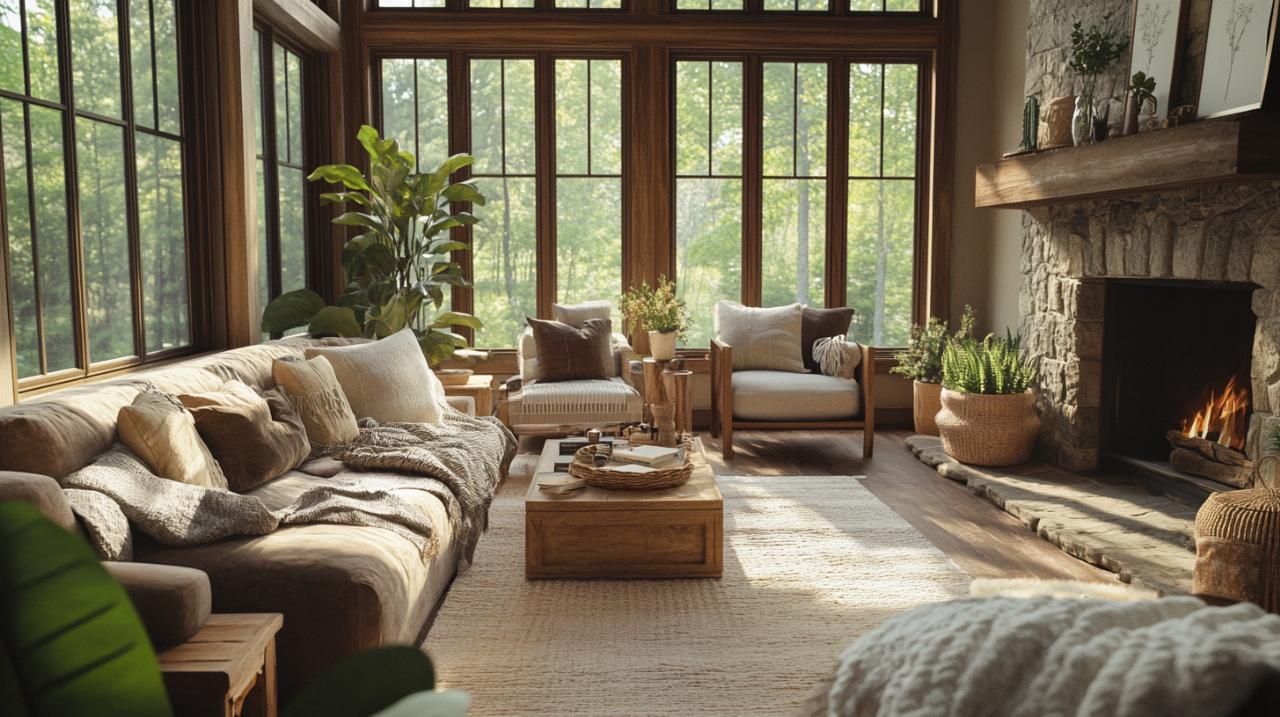
At the heart of any rustic aesthetic lies a profound respect for the raw and the unrefined. Natural materials such as wood and stone serve as the foundational elements that anchor the entire design, offering both visual warmth and tactile richness. When considering rustic home decor ideas, it is essential to prioritise these organic components, as they bring an authenticity that synthetic alternatives simply cannot replicate. The beauty of such materials is found not in their perfection but in their imperfections, where knots, grain patterns, and weathered surfaces tell stories of time and craftsmanship.
Incorporating these elements into your interior does not require a complete overhaul of your existing space. Instead, thoughtful additions and careful selection of finishes can achieve a remarkable transformation. For instance, flooring plays a pivotal role in setting the tone of a room. Options such as engineered wood, solid wood flooring, or even luxury vinyl flooring designed to mimic natural timber can provide the ideal base for a rustic scheme. Companies like Flooring Surgeons, a UK flooring company, offer a diverse range of choices, from laminate flooring to parquet flooring and herringbone flooring, ensuring that you can find a solution that suits both your aesthetic vision and practical needs. With free delivery on orders over four hundred and seventy-nine pounds, flexible payment plans with zero per cent interest, and the opportunity to try three free samples before committing, it becomes easier to experiment with different styles and textures.
Working with Reclaimed Wood and Stone Features
Reclaimed wood is a cornerstone of rustic design, prized for its character and sustainability. Salvaged timber from old barns, factories, or even shipyards carries with it a patina that new wood simply cannot match. Each plank tells a unique story, and when incorporated into your home, it adds layers of depth and interest. Whether used for flooring, exposed beams, or feature walls, reclaimed wood introduces a sense of history and continuity. The richness of its colour, the texture of its surface, and the subtle irregularities in its form all contribute to an atmosphere that is both grounded and inviting.
Stone features, similarly, offer a robust and timeless quality that complements wooden elements beautifully. Natural stone finishes, whether in the form of a fireplace surround, an accent wall, or even flooring, provide a tactile contrast that enhances the overall sensory experience of a room. The cool, solid presence of stone balances the warmth of wood, creating a harmonious interplay that is quintessentially rustic. When sourcing these materials, consider local suppliers or specialist companies that prioritise authenticity and quality. The investment in genuine materials pays dividends in both longevity and aesthetic impact.
Selecting Organic Textures for Walls and Flooring
Beyond the choice of material, the texture of surfaces plays a crucial role in achieving a rustic look. Walls finished with lime wash, textured plaster, or even exposed brick can evoke a sense of age and authenticity. These finishes soften the starkness often associated with modern interiors, replacing it with a tactile warmth that invites touch and interaction. Similarly, flooring options that emphasise grain and texture, such as chevron flooring or solid wood varieties, contribute to a cohesive rustic theme. The key is to select finishes that feel organic rather than overly polished or manufactured.
Flooring Surgeons provides a comprehensive selection of flooring types, including laminate, engineered wood, and luxury vinyl options, all available in various colours and finishes. Their room visualiser tool allows you to preview different styles within your own home, making it easier to make confident decisions. Additionally, their thirty-day free returns policy ensures that you can explore these options without undue risk. By choosing flooring that complements the natural palette of your rustic scheme, you lay a foundation that supports every other design decision you make.
Curating vintage and antique furniture pieces
Furniture is where personality truly shines in a rustic interior. Rather than opting for mass-produced items, curating vintage and antique pieces adds a layer of individuality and charm that is difficult to achieve otherwise. These items carry with them a sense of heritage and craftsmanship, qualities that resonate deeply within a rustic aesthetic. The patina of aged wood, the delicate carving on an old table, or the worn leather of a vintage armchair all contribute to a narrative that enriches your living space.
Sourcing such pieces requires patience and a discerning eye, but the rewards are well worth the effort. Antique markets, reclamation yards, and specialist dealers are treasure troves of unique finds. When selecting vintage furniture, consider not only the aesthetic appeal but also the quality of construction. Well-made pieces from earlier eras often surpass modern equivalents in durability and character. Moreover, integrating these items into your home is a sustainable choice, reducing demand for new production and celebrating the longevity of good design.
Sourcing authentic period pieces for character
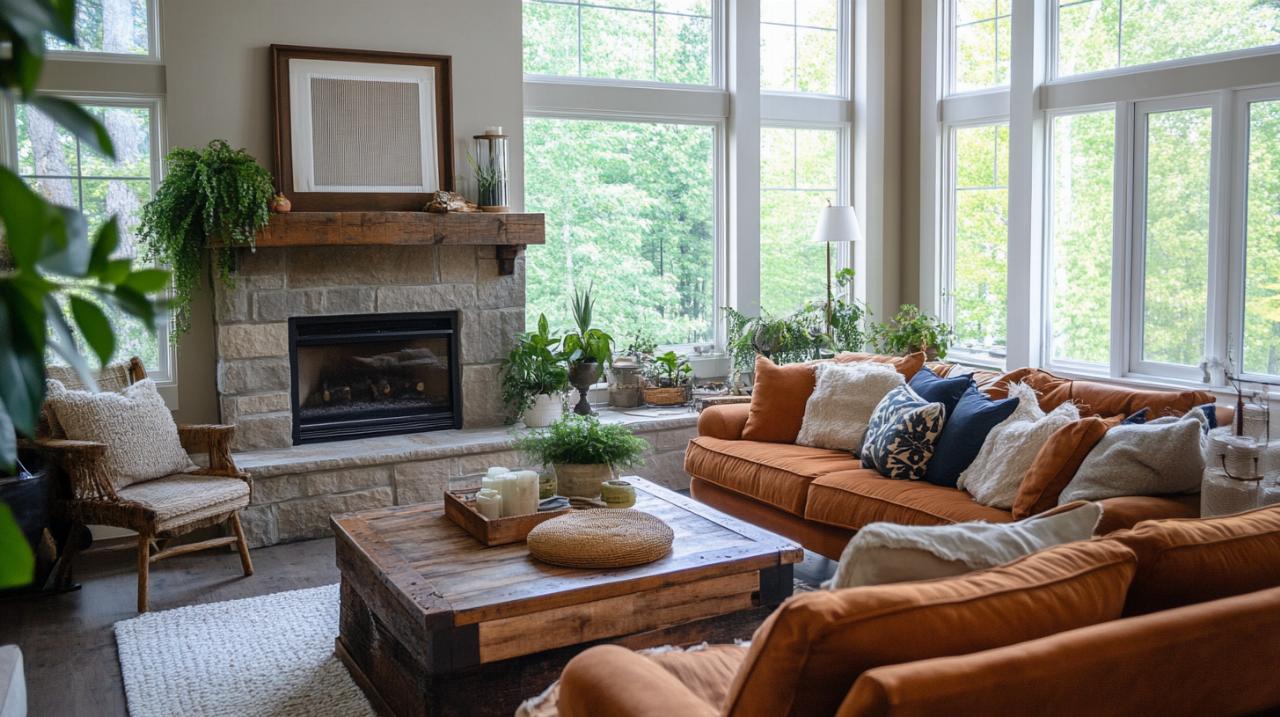
Authentic period furniture brings an unmatched depth to rustic interiors. Whether it is a farmhouse dining table, a Victorian dresser, or a mid-century wooden bench, these pieces serve as focal points that anchor the room. Their presence commands attention and invites conversation, transforming a space from merely functional to genuinely memorable. When sourcing such items, authenticity is paramount. Look for signs of age and wear that indicate genuine history, rather than artificially distressed reproductions.
Beyond traditional antique shops, online platforms and auctions offer access to a wider range of period pieces. However, it is essential to verify provenance and condition before committing to a purchase. Investing in a single standout piece can have a transformative effect on a room, setting the tone and guiding subsequent design choices. The goal is to create a layered, collected look that feels both curated and effortless, where each item has a story and a reason for being there.
Mixing old and new furnishings harmoniously
While vintage and antique pieces are central to rustic decor, it is important to strike a balance between old and new. A room filled exclusively with period furniture can feel more like a museum than a home, whereas blending contemporary elements ensures functionality and comfort. The key is to allow older pieces to take centre stage while supporting them with simpler, more modern items that do not compete for attention.
For example, pairing a reclaimed wooden dining table with sleek, understated chairs can create a dynamic contrast that feels fresh and liveable. Similarly, incorporating modern lighting or soft furnishings in natural, earthy tones can complement vintage furniture without overwhelming it. This approach also allows for greater flexibility, as you can update or refresh elements over time without disrupting the overall aesthetic. The aim is to create a space that feels cohesive yet eclectic, where different eras and styles coexist harmoniously.
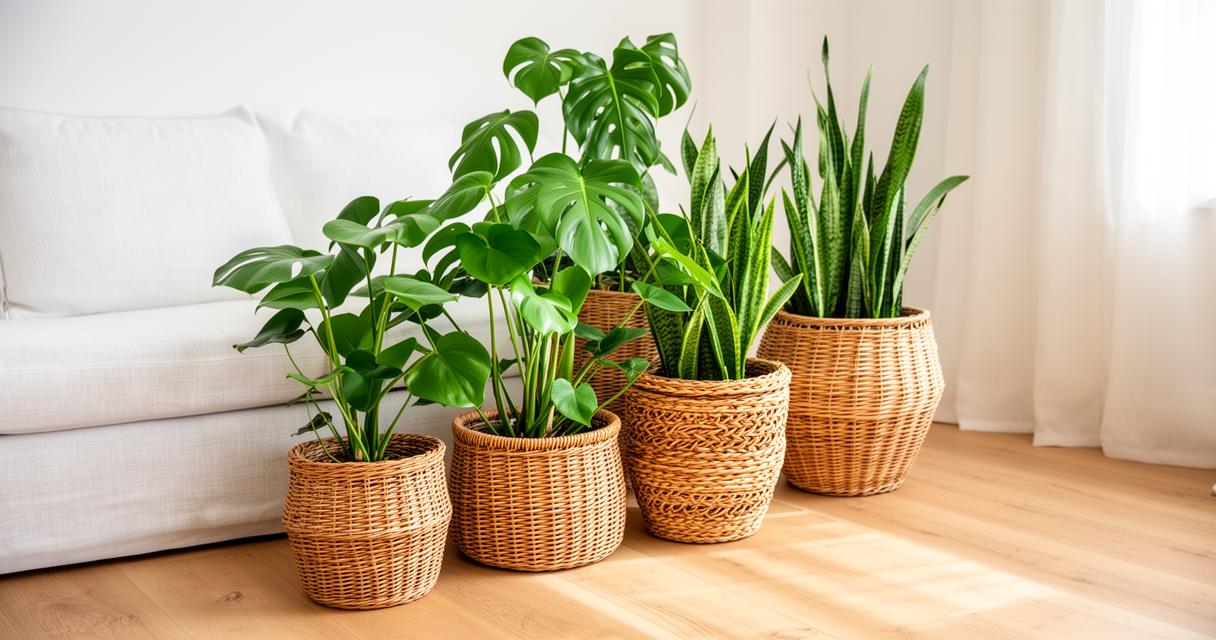
Decorative storage solutions such as woven baskets add both function and texture, whilst candle styling introduces warmth and ambience. Faux flowers, when chosen carefully, can bring a touch of greenery and freshness without the maintenance requirements of real plants. Home fragrance products further enhance the sensory experience, enveloping your space in scents that evoke the natural world. These smaller details, often overlooked, are what elevate a rustic interior from merely attractive to truly immersive.
Ultimately, transforming your living space with rustic home decor ideas is about embracing imperfection, celebrating authenticity, and creating an environment that reflects your personal story. It is an approach that values quality over quantity, substance over style, and the timeless over the transient. Whether you are embarking on a full renovation or simply seeking to refresh your interiors, the principles of rustic design offer a roadmap to a home that is as welcoming as it is beautiful.