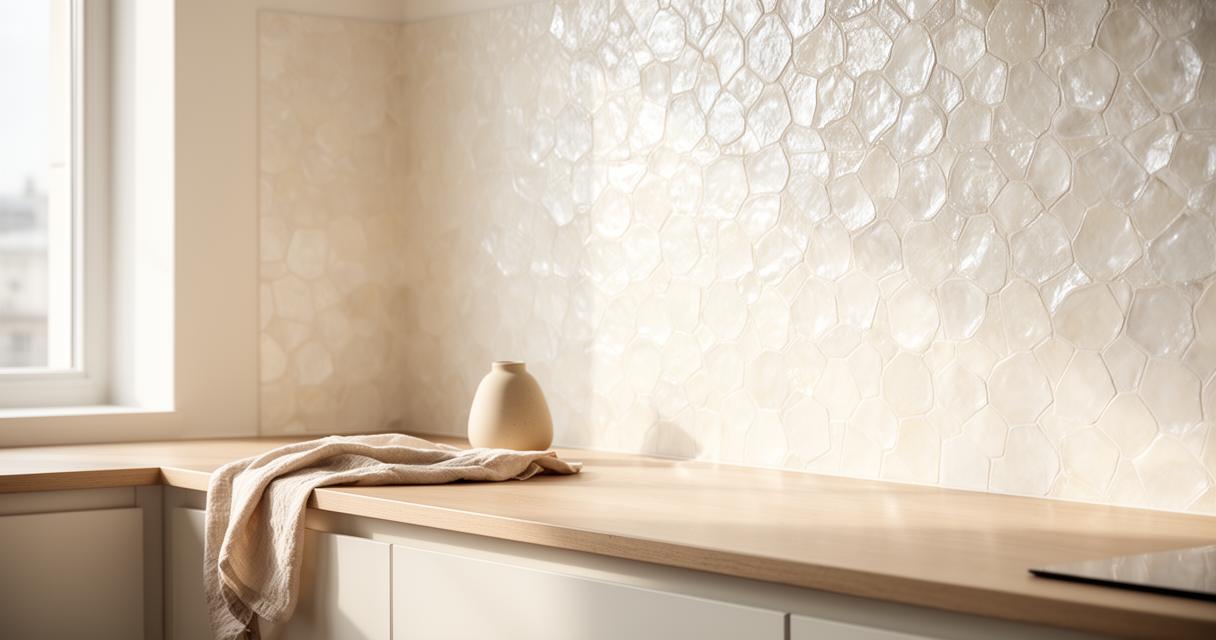
There is something quietly magnetic about a kitchen that breaks away from the predictable. Amid the sea of white shaker cupboards and stainless-steel splashbacks, a growing number of homeowners are turning to a centuries-old craft to bring warmth, texture and personality back into their homes. Zellige tiles, hand-cut and glazed using traditional Moroccan methods, are proving that a little imperfection can be far more captivating than flawless uniformity.
Key takeaways
- Zellige tiles, characterized by their handmade imperfections and traditional Moroccan craftsmanship, are increasingly favored for adding soul and texture to modern kitchens.
- The artisanal production process creates unique variations in tone, thickness, and glaze, offering an authentic, non-uniform aesthetic that mass-produced tiles cannot replicate.
- Designers use the versatile color palette of zellige tiles to create vibrant focal points, balancing them with clean-lined cabinetry and simple worktops.
- Zellige is highly adaptable and commonly used on backsplashes to capture light, turning functional kitchen areas into artistic features.
- Creative applications on kitchen islands, credenzas, and accent walls help tie together open-plan spaces through texture and pattern.
- The tiles pair exceptionally well with natural materials like wood, which adds warmth, or marble, which provides a sophisticated contrast of textures.
The Distinctive Character of Moroccan Zellige in Contemporary Kitchens
Long before it became a favourite of interior designers, zellige was a staple of Moroccan architecture, adorning courtyards, fountains and grand riads. Each tile is shaped and glazed by hand, which means no two pieces are ever truly identical. This handmade quality is precisely what gives the material its appeal in modern settings, where so much else feels mass-produced and predictable. Kitchen designers have embraced this material because it introduces a sense of soul into spaces that might otherwise feel clinical or overly polished.
Understanding the artisanal craftsmanship behind zellige tiles
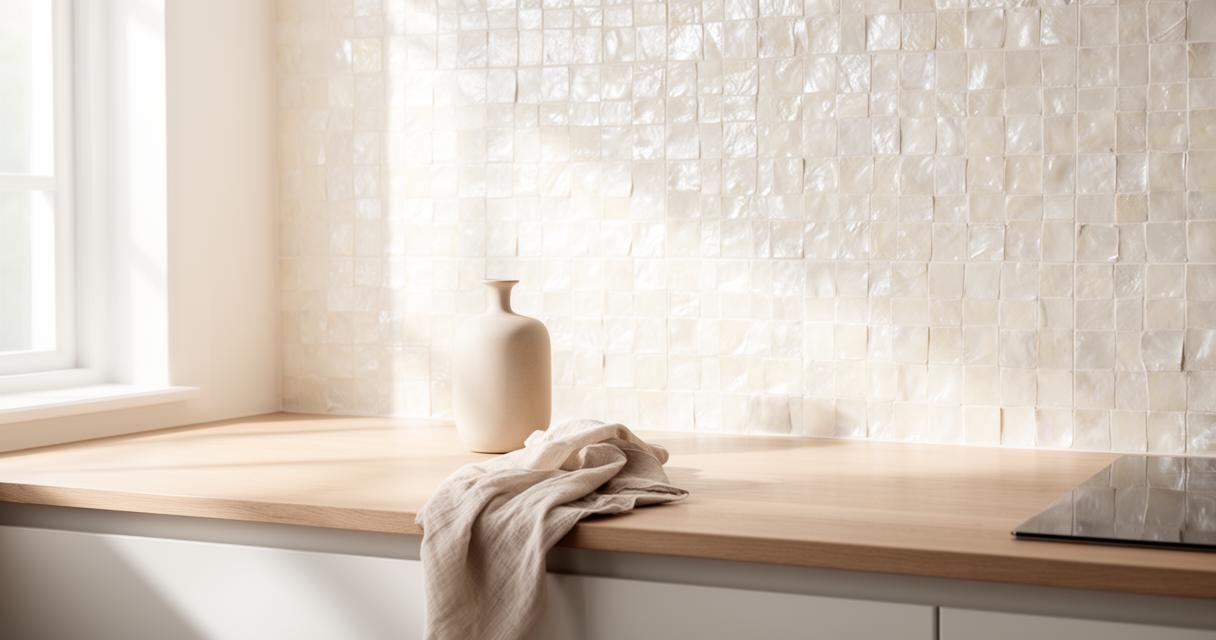
The process behind zellige is labour-intensive and deeply rooted in tradition. Artisans mould clay by hand, allow it to dry naturally, then apply glazes before firing the tiles in a kiln. The result is a surface with subtle variations in tone, texture and thickness that catches the light in unexpected ways throughout the day. This is a stark contrast to the uniform finish of factory-made ceramics, and it is exactly this artisanal craftsmanship that gives each installation its own character. Homeowners drawn to authenticity and story-driven design often find that zellige offers a tactile connection to a centuries-old tradition, something that simply cannot be replicated by machine-made alternatives.
Why zellige patterns and colours transform modern kitchen décor
Beyond the craftsmanship, it is the sheer range of colours and patterns that makes zellige so versatile. From deep cobalt blues to soft terracotta hues, the palette spans everything from calming neutrals to bold statement shades. Many interior designers use these tiles to introduce a focal point in an otherwise restrained kitchen, allowing the zellige tiles to do the visual heavy lifting while the surrounding cabinetry and worktops remain simple. This balance between vibrant detail and clean lines is part of why the material sits so comfortably within both traditional and strikingly modern kitchen design schemes.
Creative applications: from backsplashes to feature walls
One of the reasons zellige has found such popularity among architects and interior designers is its adaptability. It is not confined to a single application, and clever placement can completely shift the mood of a room. Whether used sparingly as an accent or applied more generously across a larger surface, the tiles bring a sense of craftsmanship that elevates even the simplest kitchen layout.
Using Zellige as a Stunning Kitchen Backsplash
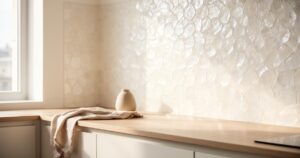
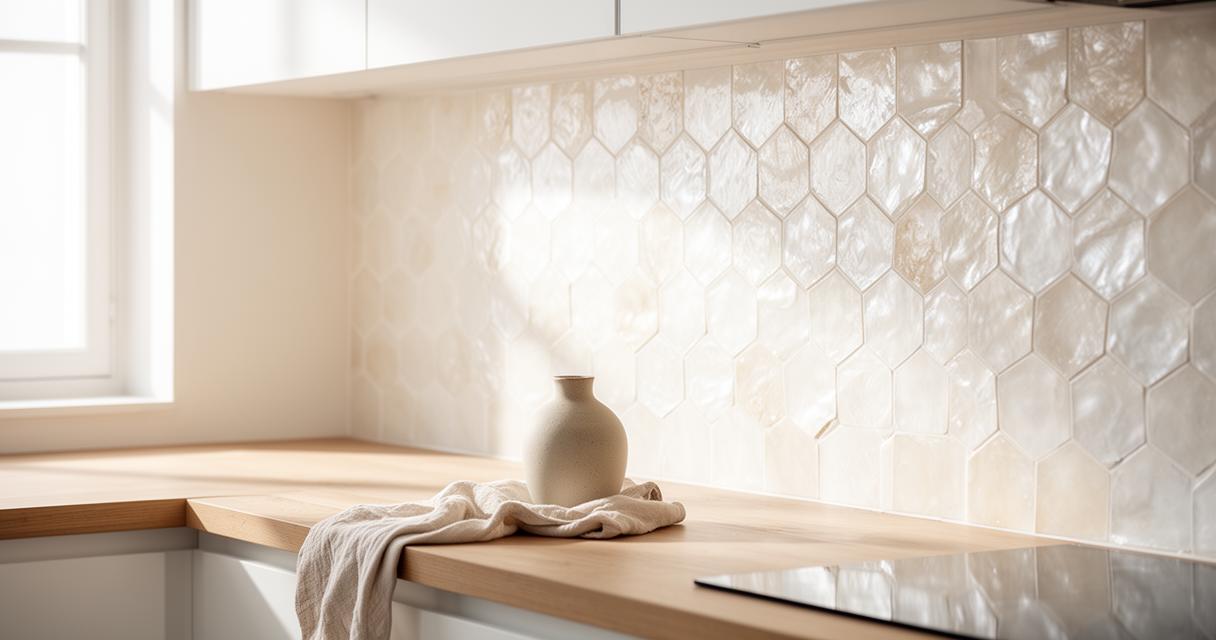
The backsplash remains one of the most popular canvases for this material, and it is easy to understand why. Positioned behind hobs and sinks, a zellige backsplash becomes an ever-present feature that guests notice the moment they step into the room. The interplay of light against the glazed surface creates subtle shifts in colour throughout the day, turning a functional element into something genuinely artistic. Many kitchen storage solutions are now being designed specifically to complement these statement backsplashes, ensuring that shelving and cabinetry do not compete with the tilework but rather frame it.
Incorporating Zellige Tiles on Credenzas and Accent Areas
Beyond the backsplash, zellige is increasingly appearing on credenzas, kitchen islands and even accent walls within dining areas. Applying the tiles to a credenza front, for instance, transforms a piece of furniture that might otherwise be overlooked into a genuine talking point. This approach works particularly well in open-plan layouts, where the kitchen flows into a living or dining space, allowing the tiled surface to act as a visual anchor that ties the whole area together. Interior designers often recommend this technique for smaller kitchens too, as a contained application of pattern and colour can make a big impact without overwhelming the room.
Design Pairings: Combining Zellige with Wood, Marble, and Modern Finishes
Part of what makes zellige so enduring in interior design circles is how well it pairs with other materials. Rather than existing in isolation, it tends to shine brightest when set against complementary textures and finishes, creating a layered look that feels considered rather than accidental.
Blending Zellige with Natural Wood Accents for Warmth
Pairing zellige with natural wood is one of the most popular combinations among designers seeking a warm, inviting atmosphere. The organic grain of timber cabinetry or open shelving softens the more graphic nature of the tiles, creating a balanced look that feels grounded rather than overly decorative. This pairing is especially effective in kitchens that lean towards a Scandinavian or rustic aesthetic, where the goal is to introduce colour and pattern without sacrificing the cosiness that wood naturally provides. Builders and carpenters working on bespoke kitchen renovations frequently suggest this combination when clients want a space that feels both characterful and comfortable.
Creating Sophisticated Spaces by Pairing Zellige with Marble and Glazed Finishes
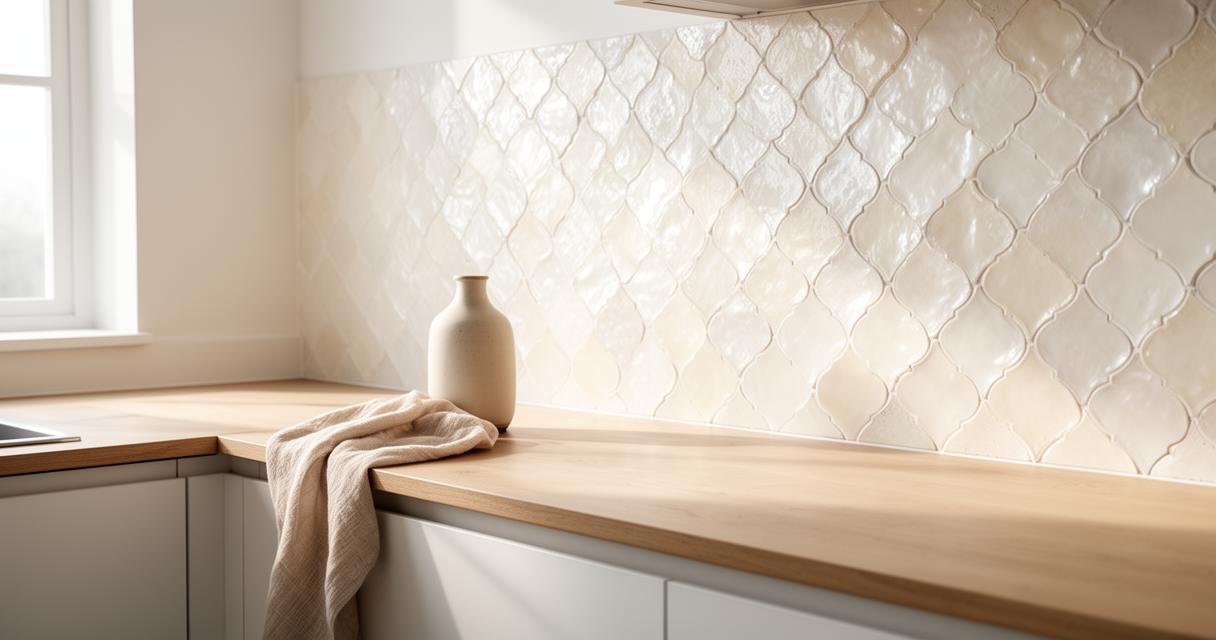
For those wanting a more refined, almost luxurious result, marble worktops alongside zellige tiling offer a striking contrast between the tile's handcrafted irregularity and the smooth, veined elegance of natural stone. This pairing has become something of a signature look in high-end kitchen and bathroom design, often featured in photography showcasing stunning renovations. Glazed finishes on cabinetry can further enhance this effect, reflecting light in a way that complements the tile's own glossy surface. Whether the space is a compact urban kitchen or a sprawling countryside renovation, this combination consistently delivers a polished, considered aesthetic that feels both timeless and thoroughly current.
Ultimately, the enduring appeal of zellige lies in its ability to bridge history and contemporary design sensibility. As more design professionals and homeowners discover its versatility, it continues to prove that a touch of Moroccan craftsmanship can bring genuine character to any modern home.