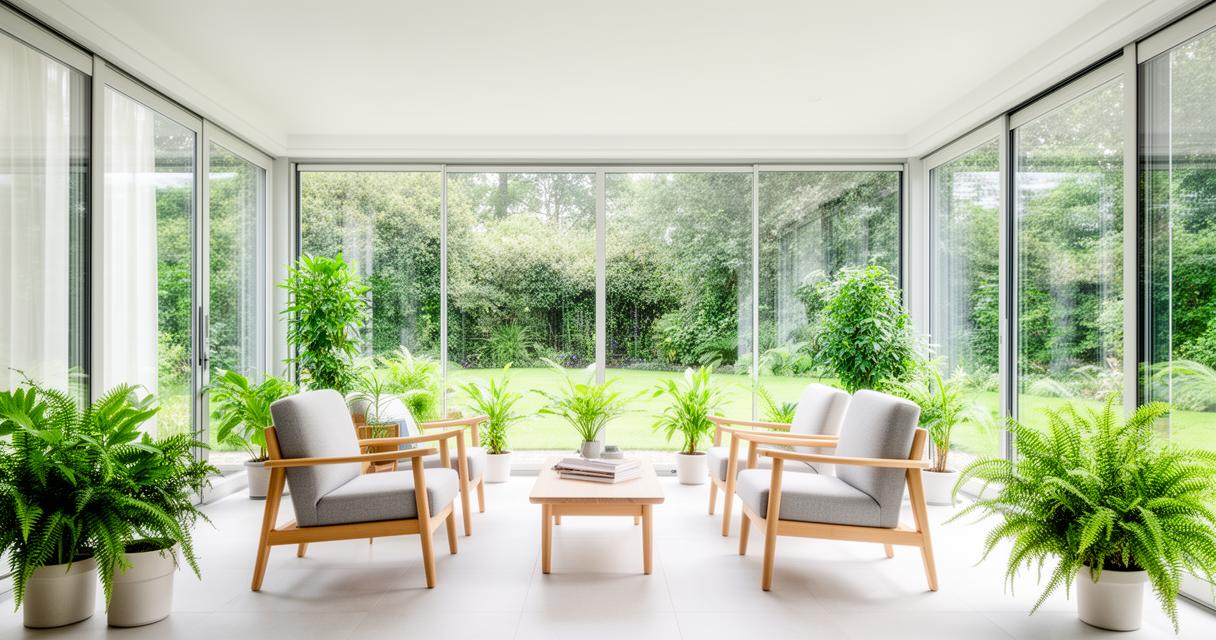
The concept of the cold veranda has steadily gained attention among homeowners seeking to extend their living areas in a practical and cost-effective manner. Unlike traditional extensions that involve substantial construction and planning hurdles, a cold veranda serves as a versatile, semi-outdoor structure that bridges the gap between the home and the garden. Crafted from materials such as aluminium, glass, wood, or steel, these elegant additions provide shelter from the elements whilst maintaining a connection with nature. They invite natural light into the home and create functional spaces for dining, relaxation, or simply enjoying the view throughout the year. As more people seek to maximise the potential of their properties, the cold veranda stands out as a sensible solution for those wishing to enhance both comfort and usability without the expense and complexity of conventional building work.
Understanding the Cold Conservatory: Design and Material Choices
What Makes a Cold Conservatory Different from Traditional Extensions
A cold conservatory distinguishes itself from traditional brick-and-mortar extensions primarily through its design ethos and intended use. Whereas a conventional extension typically aims to create a fully heated, year-round living space indoors, a cold conservatory remains unheated or minimally heated, acting as a transitional zone between the interior of the home and the outdoor environment. This approach means that the space benefits from ample natural light and offers protection from rain, wind, and other weather conditions, all whilst avoiding the significant costs associated with full insulation and central heating integration. The structure thrives on its ability to connect residents to the garden, providing views and fresh air in a sheltered setting.
Traditional extensions often require extensive planning permissions, structural alterations, and significant financial investment. In contrast, many cold conservatories can be erected under Permitted Development Rights, reducing both the bureaucracy and the expense involved. The design emphasises openness and flexibility, with large expanses of glass that flood the space with daylight and offer unobstructed views of the surrounding landscape. This makes the cold veranda an ideal choice for those who value natural light and wish to create a relaxing or dining area that remains closely linked to the outdoors. The minimal need for heating also means lower energy bills, making it an attractive option for environmentally conscious homeowners.
Key materials: aluminium, glass, wood, and steel constructions
The choice of materials plays a crucial role in determining the durability, aesthetic appeal, and overall performance of a cold veranda. Aluminium stands out as one of the most popular options due to its strength, resistance to corrosion, and low maintenance requirements. Aluminium frames can support large panes of glass without compromising structural integrity, and they offer a sleek, modern appearance that suits contemporary home designs. Additionally, aluminium structures tend to be lightweight, which simplifies installation and reduces the load on existing foundations.
Glass is the defining feature of any cold conservatory, with several types available to enhance both thermal and acoustic performance. Tempered glass provides safety by shattering into small, blunt pieces if broken, whilst laminated glass offers additional security and sound insulation. For those seeking greater energy efficiency, low-emissivity glass reduces heat loss in winter and minimises heat gain in summer, helping to maintain a more comfortable temperature throughout the year. Reflective glass can be employed to control glare and protect furnishings from excessive sunlight. The careful selection of glazing types ensures that the veranda remains bright and airy whilst providing adequate thermal control and protection from the elements.
Wood brings warmth and a traditional character to a cold veranda, making it a favoured choice for homeowners who prefer a more classic or rustic aesthetic. Timber frames can be treated and painted to suit individual tastes, and they blend harmoniously with period properties and garden settings. However, wood requires regular maintenance, including treatments to prevent rot, warping, and insect damage. Steel, whilst less common, offers unparalleled strength and can be used in designs that require larger spans or more substantial structures. PVC is another material occasionally used, valued for its cost-effectiveness, though it generally has a shorter lifespan compared to aluminium or wood. Each material brings its own set of advantages and considerations, and the final choice often depends on budget, aesthetic preferences, and the specific requirements of the site.
Maximising Comfort and Energy Efficiency in Your Cold Veranda
Insulation and Thermal Glazing: Maintaining Warmth Throughout the Year
Whilst a cold veranda is not typically designed to be a fully heated living space, thoughtful attention to insulation and glazing can significantly enhance comfort, particularly during the cooler months. Double glazing and triple glazing are essential upgrades for those wishing to use the space beyond the peak summer season. These glazing options trap air between panes, creating an insulating barrier that reduces heat loss and minimises draughts. The result is a space that remains noticeably warmer in winter and cooler in summer, extending the usable period of the veranda and making it a more inviting area for dining, reading, or simply enjoying a quiet moment.
Incorporating insulated roofing materials further improves thermal performance. Solid-roof panels with integrated insulation can be fitted beneath glass or polycarbonate roofing to provide additional warmth retention. Alternatively, some modern designs feature adjustable or retractable roofing systems, such as those offered by VERANDAIR, which can be opened during warmer months to allow fresh air and closed in winter to retain warmth. This flexibility ensures that the veranda adapts to changing weather conditions, offering protection from rain and wind whilst allowing for natural ventilation when desired. Underfloor heating can also be installed for those who wish to use the space as a true extension of their living room or dining area, providing a gentle and consistent source of warmth beneath the flooring.
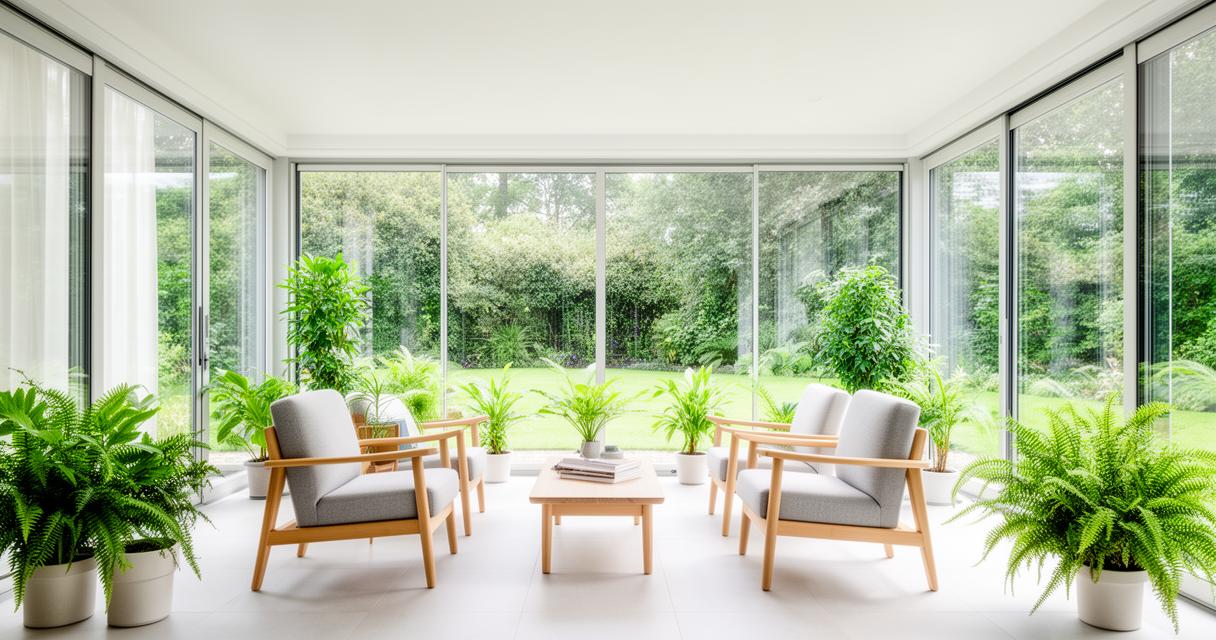
Natural Light Control and Temperature Management for Year-Round Use
Managing natural light and temperature is key to creating a comfortable environment within a cold veranda that can be enjoyed throughout the year. Large glass surfaces invite abundant daylight, brightening the interior and reducing the need for artificial lighting during the day. However, excessive sunlight can lead to overheating in summer and glare that makes the space less comfortable. To address this, many homeowners opt for adjustable shading solutions such as visor blinds, which can be positioned to block direct sunlight whilst still allowing diffused light to filter through. These blinds are particularly useful during the height of summer, when the sun is at its strongest, and they can be retracted in cooler months to maximise warmth and brightness.
Ventilation systems are equally important for maintaining a pleasant atmosphere within the veranda. Strategically placed vents or openable windows ensure that fresh air circulates through the space, preventing stuffiness and reducing condensation. Some designs incorporate sliding or folding glass panels that can be opened fully to create an almost open-air environment, ideal for spring and summer gatherings. In colder weather, these panels can be closed to provide shelter from wind and rain. Reflective or tinted glass can also be used to control the amount of solar radiation entering the veranda, reducing the risk of overheating and protecting furnishings from fading. By carefully balancing natural light, ventilation, and temperature control, a cold veranda can serve as a comfortable and versatile living space regardless of the season.
Versatile applications: transforming your cold conservatory into functional living space
Creating Relaxing and Dining Areas with Strategic Flooring and Roofing
One of the most appealing aspects of a cold veranda is its versatility as a functional living space. With the right flooring and roofing choices, the structure can be transformed into a relaxing retreat, an elegant dining area, or even a vibrant space for children's activities. Flooring materials such as treated wood decking, natural stone tiles, or polished concrete provide durability and aesthetic appeal, whilst also being easy to maintain. Underfloor heating can be integrated beneath these surfaces to ensure warmth during colder months, making the space comfortable enough for extended use throughout the year. The choice of flooring should complement the overall design of the home and garden, creating a seamless transition between indoor and outdoor areas.
Roofing options also play a crucial role in defining the character and functionality of the veranda. Glass roofing allows maximum natural light to flood the space, creating an airy and open atmosphere that feels connected to the sky and surrounding environment. For those seeking additional insulation and shade, solid-roof panels with integrated thermal materials offer superior warmth retention and protection from the elements. Some modern designs feature retractable or sliding roof systems, which provide the flexibility to enjoy an open-air experience in fine weather and the shelter of a covered space when rain or wind arrives. This adaptability ensures that the veranda remains a practical and enjoyable space for dining with family and friends, hosting gatherings, or simply unwinding with a book and a cup of tea.
Seamlessly Connecting Your Home to the Garden and Enhancing Living Spaces
A well-designed cold veranda serves as a bridge between the home and the garden, enhancing the overall living experience by extending usable space and fostering a closer connection with nature. Large glass panels and sliding doors allow for unobstructed views of the garden, bringing the beauty of the outdoors into daily life. This visual continuity encourages residents to spend more time in the veranda, whether for morning coffee, afternoon relaxation, or evening meals. The structure can be positioned to take advantage of the best views and natural light, creating a focal point that draws the eye and invites exploration.
Beyond its aesthetic appeal, the cold veranda adds tangible value to a property. Prospective buyers often appreciate the additional living space and the potential for year-round use, particularly in regions where outdoor space is limited or weather conditions are unpredictable. The veranda can serve multiple purposes, from a home office bathed in natural light to a hobby room filled with plants and personal projects. By carefully considering design elements such as thermal control, ventilation, and shading, homeowners can create a space that is both beautiful and functional, enhancing their quality of life and the overall value of their property. With proper maintenance, including regular cleaning and inspection of seals and joints, the cold veranda will remain a cherished and practical extension of the home for many years to come.