The sweeping curves and organic flourishes of Art Nouveau furniture have captivated collectors and design enthusiasts for well over a century, and nowhere is this legacy more brilliantly embodied than in the work of Émile Gallé and Louis Majorelle. Their creations, born in the final years of the nineteenth century and flourishing into the early twentieth, remain striking examples of how functional objects can transcend mere utility to become genuine works of art. The enduring appeal of these pieces lies not only in their exquisite craftsmanship but also in their ability to harmonise nature's beauty with the demands of everyday life, a quality that resonates just as powerfully in contemporary interiors as it did in the salons of Paris and Nancy over a hundred years ago.
The enduring appeal of art nouveau: where nature meets craftsmanship
The Art Nouveau movement represented a bold departure from the rigid conventions of the Victorian era, seeking to revolutionise design by embracing natural forms and flowing lines rather than the stiff historicism that had dominated the decorative arts. This international movement, which took root in cultural centres such as Brussels, Paris, and Munich, championed the idea that structure and decoration should be seamlessly integrated, creating objects that were both beautiful and purposeful. In France, the term Art Nouveau itself was popularised by the gallery of Siegfried Samuel Bing, though the style was also known by a variety of other names including Style Jules Verne, Le Style Métro, and even the somewhat irreverent Le Style nouille, or Noodle style, a nod to its sinuous, undulating forms. The movement reached its zenith at the 1900 Paris Exposition Universelle, where the world was introduced to a dazzling array of furniture, architecture, and decorative objects that seemed to pulse with life.
Organic Forms and Flowing Lines in Furniture Design
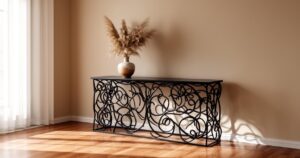
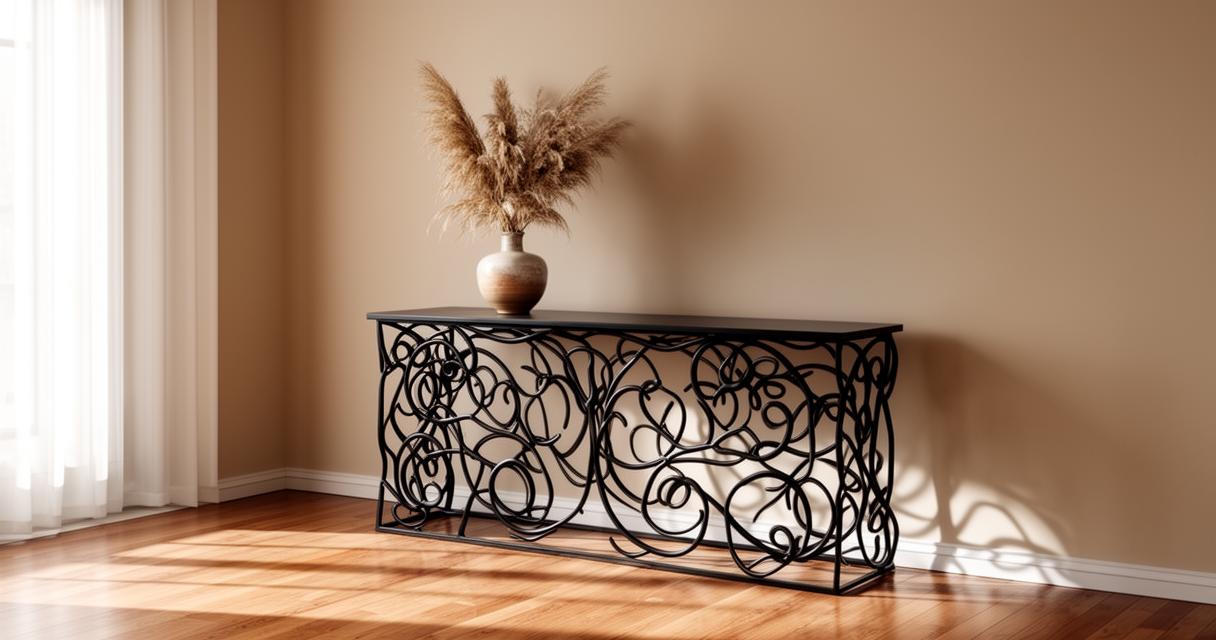
At the heart of Art Nouveau furniture design lies an unwavering commitment to the organic, a philosophy that Émile Gallé and Louis Majorelle embraced with fervour. Gallé, whose work often featured intricate marquetry depicting flowers, insects, and foliage, believed that furniture should echo the rhythms and patterns found in the natural world. His pieces frequently incorporated exotic woods and innovative techniques, resulting in tables, cabinets, and consoles that seemed to bloom with life. Majorelle, meanwhile, brought a sculptural sensibility to his creations, favouring bold, sweeping curves that suggested the growth of plants or the movement of water. His dining sets, armchairs, and buffets often featured graceful metal accents, sometimes in the form of stylised vines or tendrils, which added a dynamic, three-dimensional quality to his work. These flowing lines and natural motifs were not merely decorative; they were integral to the structure of the furniture itself, embodying the Art Nouveau ideal that beauty and function should be inseparable.
How the nancy school revolutionised early 20th century aesthetics
The city of Nancy, nestled in northeastern France, became a crucible for the Art Nouveau movement, largely due to the efforts of Gallé and Majorelle, who together launched L'École de Nancy. This collective of artists and craftsmen sought to elevate the decorative arts to the status of fine art, and their influence transformed Nancy into a veritable Ville d'Art, a city of art, adorned with stunning Art Nouveau buildings and interiors. Majorelle, who initially crafted furniture in the traditional Louis XV style, found his creative direction profoundly altered after encountering Gallé's visionary work. Inspired by his colleague's embrace of nature themes, Majorelle began to design pieces that celebrated the organic world, incorporating carved flowers, leaves, and tendrils into his creations. Around the turn of the century, he expanded his repertoire to include metalworking, collaborating with the renowned glassmakers Daum Frères to produce exquisite lamps that blended wrought iron with luminous glass shades. These innovations were met with widespread acclaim at the Paris Exposition Universelle, cementing Majorelle's reputation as a master of the Art Nouveau style. In 1904, he acquired Siegfried Bing's Maison Art Nouveau in Paris, further solidifying his position at the forefront of the movement. That same decade, he commissioned the architect Henri Sauvage to design the Villa Jika, a residence that stood as a testament to the unified vision of architecture and interior design that the Nancy School championed.
Émile Gallé and Louis Majorelle: Masterful Creators of Functional Art
The partnership and parallel careers of Émile Gallé and Louis Majorelle represent a high point in the history of decorative arts, with each man bringing distinct yet complementary talents to the Art Nouveau movement. Gallé's genius lay in his ability to coax extraordinary beauty from wood and glass, while Majorelle's strength was his sculptural vision and his skill in combining diverse materials such as metal and marble. Together, their contributions helped to define an era, and their pieces continue to be celebrated for their technical brilliance and aesthetic richness. The year 2026 marks the centenary of Louis Majorelle's death, a milestone that offers an opportunity to reflect on the enduring legacy of these two masters and their profound impact on the decorative arts.
Gallé's Innovative Use of Wood, Glass and Natural Motifs
Émile Gallé was a polymath whose talents extended across multiple media, but it is his furniture that perhaps best encapsulates his philosophy of design. His tables, dressers, and consoles were often adorned with intricate marquetry, a technique that involves inlaying pieces of wood to create elaborate patterns and images. Gallé's marquetry was not simply decorative; it was narrative, with each piece telling a story drawn from the natural world. A dining table might feature a tableau of wildflowers and butterflies, while a dresser could be embellished with a scene of dragonflies hovering over water lilies. These motifs were executed with painstaking precision, using rare and exotic woods to achieve a rich palette of colours and textures. Gallé also worked extensively in glass, creating vases and lamps that were as much sculptures as functional objects, and his innovations in this medium influenced his approach to furniture. The fluid, organic shapes of his glasswork found their way into his wooden pieces, resulting in furniture that seemed to defy the rigidity of its material. His work was deeply influenced by his botanical studies, and he saw himself as much a naturalist as an artist, bringing the beauty of the natural world into the home in a way that was both accessible and profoundly moving.
Majorelle's Integration of Metal, Marble and Sculptural Detail
Louis Majorelle's approach to furniture design was characterised by a bold, sculptural quality that set his work apart from many of his contemporaries. While Gallé's pieces often emphasised surface decoration, Majorelle's creations celebrated form and structure, with sweeping curves and dynamic lines that gave his furniture a sense of movement and vitality. His dining sets, armchairs, and buffets were not merely functional objects but statements of artistic intent, each piece carefully crafted to balance elegance with practicality. Majorelle's integration of metalwork into his designs was particularly innovative; he often incorporated wrought iron or bronze elements, which might take the form of stylised plant tendrils, insect wings, or abstract flourishes. These metal accents were not applied as afterthoughts but were integral to the overall composition, adding both visual interest and structural support. In some pieces, Majorelle combined wood with marble, creating surfaces that were both luxurious and durable. His collaboration with Daum Frères resulted in a series of lamps that are now considered masterpieces of Art Nouveau design, with their sinuous metal bases supporting shades of luminous, multi-coloured glass. Majorelle's success at the Paris Exposition Universelle brought him international acclaim, and his subsequent acquisition of Bing's Maison Art Nouveau in Paris allowed him to reach an even wider audience. His designs were not confined to the domestic sphere; he also created furniture for public spaces, demonstrating the versatility and broad appeal of the Art Nouveau aesthetic.
Collecting and Caring for Art Nouveau Pieces: Tables, Armchairs and Beyond
For those drawn to the beauty and craftsmanship of Art Nouveau furniture, the prospect of acquiring a piece by Émile Gallé or Louis Majorelle can be both thrilling and daunting. These objects are not merely antiques; they are works of art with a rich history, and understanding the market for such pieces is essential for any serious collector. The price of Art Nouveau furniture can vary widely, depending on factors such as provenance, condition, rarity, and the reputation of the maker. Pieces by Gallé and Majorelle, given their status as masters of the movement, command premium prices, with tables, armchairs, dining sets, and consoles often fetching substantial sums at auction. However, the investment is not purely financial; owning such a piece is an opportunity to live with a tangible example of one of the most vibrant and innovative periods in the history of design.
Understanding Price, Availability and Authenticity in Today's Market
The market for Art Nouveau furniture has remained robust, buoyed by a sustained interest in the decorative arts and a growing appreciation for the craftsmanship and aesthetic vision of figures such as Gallé and Majorelle. Authentic pieces by these makers are highly sought after, and availability can be limited, particularly for items in excellent condition or with well-documented provenance. Collectors should be aware that the popularity of Art Nouveau has also led to the production of reproductions and fakes, making it essential to verify authenticity before making a purchase. Consulting with reputable dealers, attending auctions at established houses, and seeking the advice of experts can help to ensure that a piece is genuine. The price of a Gallé or Majorelle piece will reflect not only its artistic merit but also its condition, with factors such as the quality of the original finish, the presence of any repairs or alterations, and the completeness of any decorative elements all playing a role in determining value. For those new to collecting, starting with smaller pieces such as a console or a single armchair can be a more accessible entry point, while more experienced collectors may seek out complete dining sets or larger buffets and dressers. The enduring appeal of these pieces is such that they can be found in collections around the world, from private homes to prestigious institutions such as the Victoria and Albert Museum in London.
Delivery Considerations and Displaying Period Furniture in Contemporary Spaces
Once a piece of Art Nouveau furniture has been acquired, the next challenge is ensuring its safe delivery and integration into a modern home. Given the age and often delicate nature of these objects, careful handling during transport is paramount. Many specialist dealers offer delivery services that are tailored to the needs of antique furniture, with experienced handlers who understand the importance of protecting both the structural integrity and the decorative surfaces of the piece. For international purchases, the logistics can be more complex, requiring customs clearance and secure shipping arrangements, but reputable dealers will typically assist with these processes. Once the piece has arrived, the question becomes how best to display it within a contemporary setting. One of the remarkable qualities of Art Nouveau furniture is its versatility; its organic forms and timeless elegance allow it to complement a wide range of interior styles. A Gallé table, with its intricate marquetry, can serve as a stunning focal point in a modern living room, while a Majorelle armchair, with its sculptural metal accents, can add a touch of drama to a minimalist space. The key is to allow the piece to breathe, giving it sufficient space to be appreciated without overwhelming the room. Lighting is also crucial; the play of light across the curves and surfaces of an Art Nouveau piece can enhance its beauty, revealing the subtle details of the craftsmanship. For those fortunate enough to own multiple pieces, creating a dedicated area that evokes the spirit of the Belle Époque can be a rewarding endeavour, but even a single well-chosen object can transform a room, serving as a bridge between the past and the present and a reminder of an era when art and everyday life were joyfully intertwined.