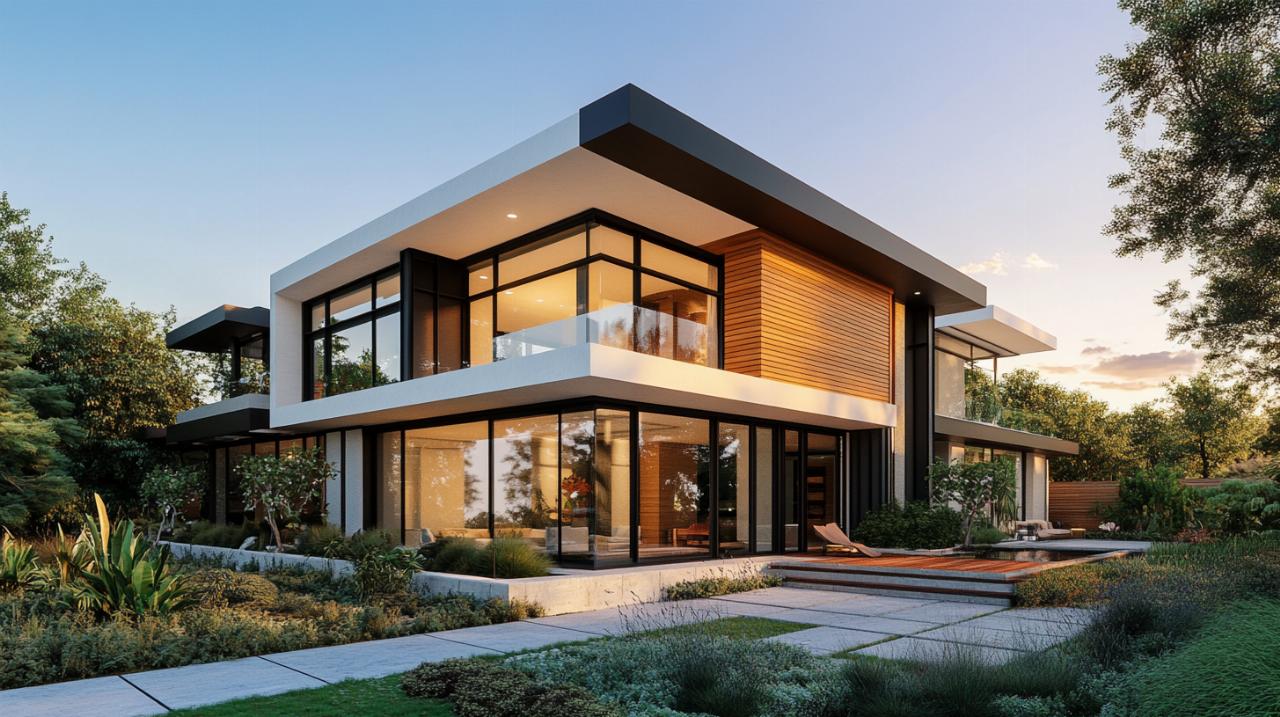
British homeowners are witnessing a quiet revolution on the exterior walls of their properties, as the preference for stark whites and greys gradually gives way to a richer, more textured approach. The shift reflects not only changing tastes but also a growing emphasis on sustainability, performance, and the harmonious integration of buildings within their natural and urban contexts. As we approach 2026, the exterior cladding landscape is defined by materials that combine aesthetic warmth with technical sophistication, alongside colour palettes that draw inspiration from the natural world. This evolution is reshaping kerb appeal across the country, from coastal villages to urban terraces, offering homeowners a compelling array of choices that balance visual impact with long-term practicality.
Material innovation: the new face of british exterior design
The selection of cladding materials has expanded considerably, driven by advances in engineering and a renewed appreciation for authenticity. Homeowners are no longer content with purely functional surfaces; they seek materials that tell a story, evoke character, and respond intelligently to the British climate. The result is a diverse palette of options, each with distinct aesthetic and performance attributes, that together redefine what it means to dress a building for the coming decade.
Natural wood cladding: timeless character meets contemporary engineering
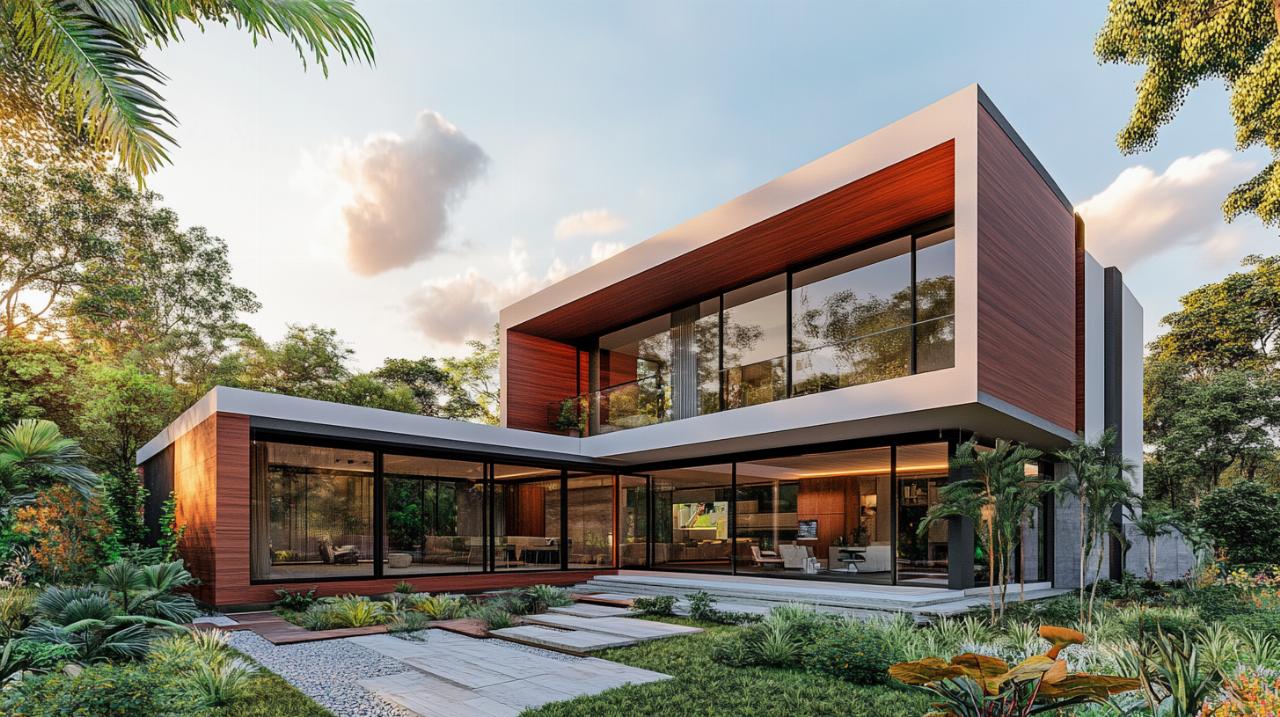
Wood remains one of the most cherished materials for exterior cladding, offering a timeless quality that few alternatives can match. Its natural grain, warm hues, and ability to age gracefully make it a favourite for those seeking to create a sense of heritage or rural charm. In 2026, however, the appeal of timber extends beyond aesthetics. Modern treatments and finishes have significantly enhanced its durability, allowing it to withstand the unpredictable British weather while retaining its visual appeal. Engineered wood products, which combine the beauty of natural timber with improved dimensional stability, are gaining traction among architects and builders. These innovations mean that homeowners can enjoy the character of wood without the intensive maintenance traditionally associated with it. The choice of species, from robust oak to lighter cedar, allows for a wide range of tones and textures, making timber cladding a versatile option for both contemporary and period properties. As environmental awareness grows, responsibly sourced wood also aligns with the desire for sustainable building practices, further cementing its place in the modern exterior design toolkit.
Stone and porcelain: premium textures redefining kerb appeal
For those seeking an elevated sense of permanence and luxury, stone and porcelain cladding offer compelling alternatives. Natural stone, with its inherent variations and geological depth, brings a tactile richness that few manufactured materials can replicate. Whether expressed in the soft warmth of sandstone or the cool elegance of slate, stone cladding imparts a sense of solidity and tradition that resonates strongly with British architectural heritage. Porcelain tiles, on the other hand, represent a modern take on this timeless material. Advances in ceramic technology have enabled manufacturers to create large-format porcelain panels that mimic the appearance of natural stone, wood, and even metal, while delivering superior performance characteristics. These tiles are highly resistant to weathering, require minimal upkeep, and offer remarkable colour retention over time. The growing popularity of porcelain in exterior applications reflects a broader trend towards materials that combine visual sophistication with practical resilience. Both stone and porcelain are particularly well suited to British homes where kerb appeal and long-term value are paramount considerations, offering a premium finish that endures through decades of seasonal change.
Performance-Driven Cladding: Durability and Maintenance in 2026
While aesthetics remain a primary driver of cladding choice, the practical demands of British weather and the desire for low-maintenance solutions are increasingly shaping material selection. Homeowners are looking for surfaces that not only look good on installation day but continue to perform admirably years down the line, with minimal intervention. This shift towards performance-driven design is evident in the growing popularity of composite and cement-based cladding systems, which marry durability with ease of care.
Composite and Cement Solutions: Long-Term Value for Homeowners
Composite cladding, typically manufactured from a blend of wood fibres and polymer resins, has emerged as a pragmatic choice for those prioritising longevity and low upkeep. These materials are engineered to resist moisture, rot, and insect damage, making them particularly well suited to the damp conditions common in many parts of the United Kingdom. Unlike traditional timber, composite boards do not require regular staining or sealing, and their colour remains stable over time, even under prolonged exposure to sunlight and rain. This combination of attributes translates into significant savings in both time and money over the lifespan of the building. Cement-based cladding systems, including fibre cement boards, offer similar advantages. These products are non-combustible, highly durable, and available in a wide variety of finishes, from smooth to textured surfaces that emulate natural materials. Their robustness makes them an excellent choice for exposed sites or coastal locations, where salt spray and high winds can take a toll on less resilient materials. As homeowners become more discerning about the total cost of ownership, the appeal of composite and cement solutions continues to grow, driven by their proven track record in demanding environments.
Thermal and acoustic excellence: how modern cladding enhances comfort
Beyond aesthetics and durability, contemporary cladding systems are increasingly valued for their contribution to thermal and acoustic performance. Many modern materials incorporate insulation properties or are designed to be installed as part of a ventilated rainscreen system, which significantly improves a building's energy efficiency. This is particularly relevant in the context of rising energy costs and the push towards more sustainable homes. Enhanced thermal performance not only reduces heating bills but also contributes to a more stable and comfortable indoor environment throughout the year. Acoustic insulation is another area where cladding can make a substantial difference, especially in urban settings or properties close to busy roads. Materials with sound-dampening qualities help to create quieter interiors, improving the quality of life for occupants. The integration of these performance features into cladding systems reflects a broader trend towards holistic design, where the exterior envelope is seen not merely as a decorative finish but as a critical component of the building's overall functionality. As regulatory standards tighten and consumer expectations rise, the demand for cladding that delivers on both aesthetic and performance fronts is set to intensify in 2026 and beyond.
Colour palettes and design directions shaping 2026
The chromatic landscape of British exteriors is undergoing a profound transformation, as homeowners and designers move away from the dominance of cool neutrals towards palettes inspired by the natural world. This shift is not merely cosmetic; it reflects a deeper desire to connect buildings with their surroundings and to create exteriors that feel inviting and harmonious. The colours and design philosophies emerging in 2026 are characterised by warmth, subtlety, and a willingness to embrace contrast and texture.
Earthy Neutrals and Bold Contrasts: The Chromatic Shift in British Architecture
Earthy tones such as sandstone, terracotta, and olive are rapidly gaining favour, offering a softer, more organic alternative to the stark whites and greys that have dominated in recent years. These nature-led neutrals work particularly well with traditional British architecture, complementing brick, stone, and timber with ease. Soft greens, reminiscent of the British countryside, are also making a strong showing, with shades like bay tree providing a fresh yet grounded aesthetic. In coastal areas, muted blue-greys such as morning sky or gentle blue are replacing the harsh whites that once characterised seaside properties, bringing a sense of calm that mirrors the surrounding landscape. The choice of these colours is often informed by considerations such as natural light, which varies significantly across the United Kingdom, and the context of the building within its streetscape or rural setting. Alongside these softer hues, there is a growing trend towards the use of rich accent colours on doors and window frames, which can have a transformative effect on the overall appearance of a property. Shades like pillar box red, oxford blue, and anthracite provide striking focal points, adding depth and character without overwhelming the facade. This interplay between warm neutrals and bold accents reflects a more confident, personalised approach to exterior design, where homeowners are willing to express individuality while respecting the broader architectural context.
Textural layering and mixed material façades: emerging design philosophies
The move towards richer colour palettes is paralleled by a growing interest in textural complexity and the mixing of materials. Rather than relying on a single cladding type, many contemporary designs feature combinations of wood, stone, metal, and render, each contributing a distinct visual and tactile quality. This layered approach allows for greater architectural expression and can help to delineate different zones or volumes within a building's facade. The juxtaposition of smooth and rough surfaces, light and dark tones, and natural and manufactured materials creates a dynamic visual rhythm that engages the eye and enhances kerb appeal. This design philosophy also reflects a broader trend towards bespoke, contextual architecture, where buildings are conceived as unique responses to their specific sites and surroundings rather than as generic solutions. The use of mixed materials can also improve performance, as different cladding types may be selected for their specific attributes in particular locations on the building. For example, a durable composite might be used at ground level to resist impact and moisture, while a lighter timber or render could be employed on upper storeys for aesthetic effect. As design software and fabrication techniques become more sophisticated, the possibilities for creative expression through cladding continue to expand, offering homeowners and architects an ever-richer toolkit with which to realise their visions.