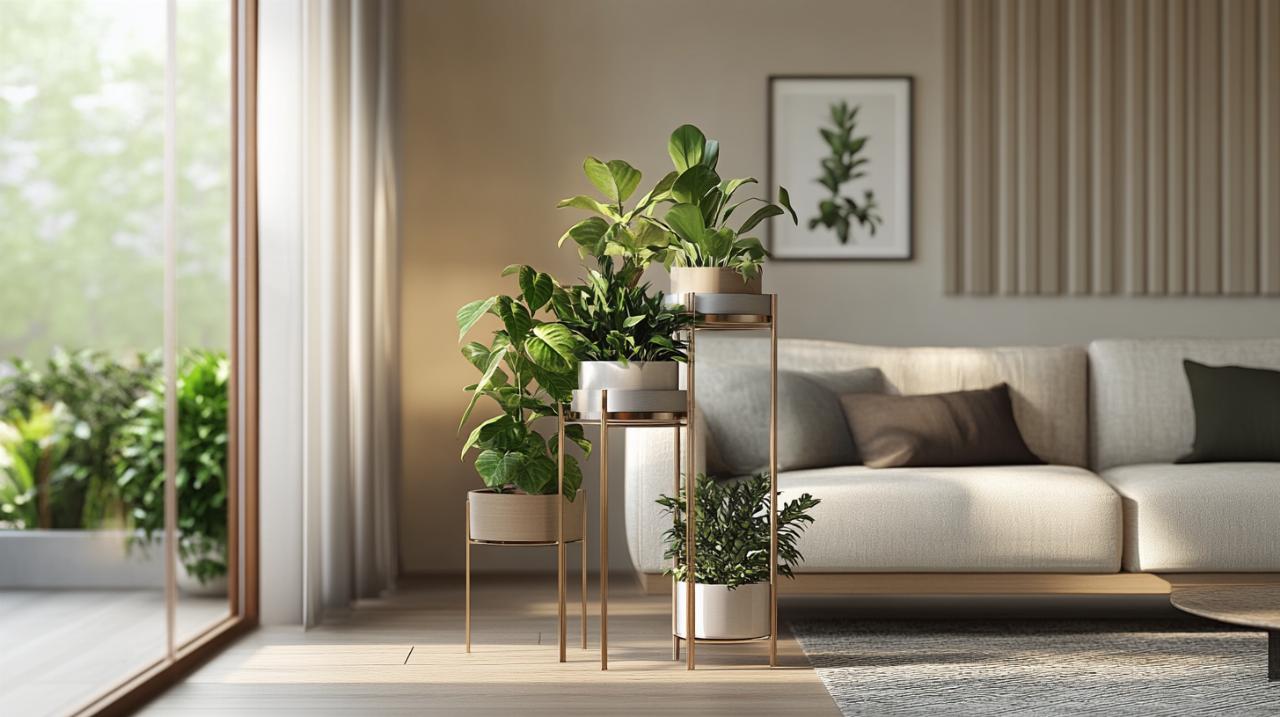
Breathing new life into vintage furniture has become more than a passing trend; it represents a thoughtful approach to sustainable living and interior design. Rather than relegating cherished pieces to the skip or allowing them to languish in storage, transforming these items into stylish plant stands offers an opportunity to marry creativity with environmental responsibility. The process of upcycling not only reduces waste but also allows you to craft something truly unique that reflects your personal aesthetic while providing a beautiful home for your greenery. Whether you have inherited a time-worn dresser or discovered a quaint wooden chair at a car boot sale, the potential to create a bespoke plant display is limited only by your imagination.
Selecting and Preparing Your Vintage Furniture for Upcycling
Choosing the Right Piece: What to Look For in Vintage Furniture
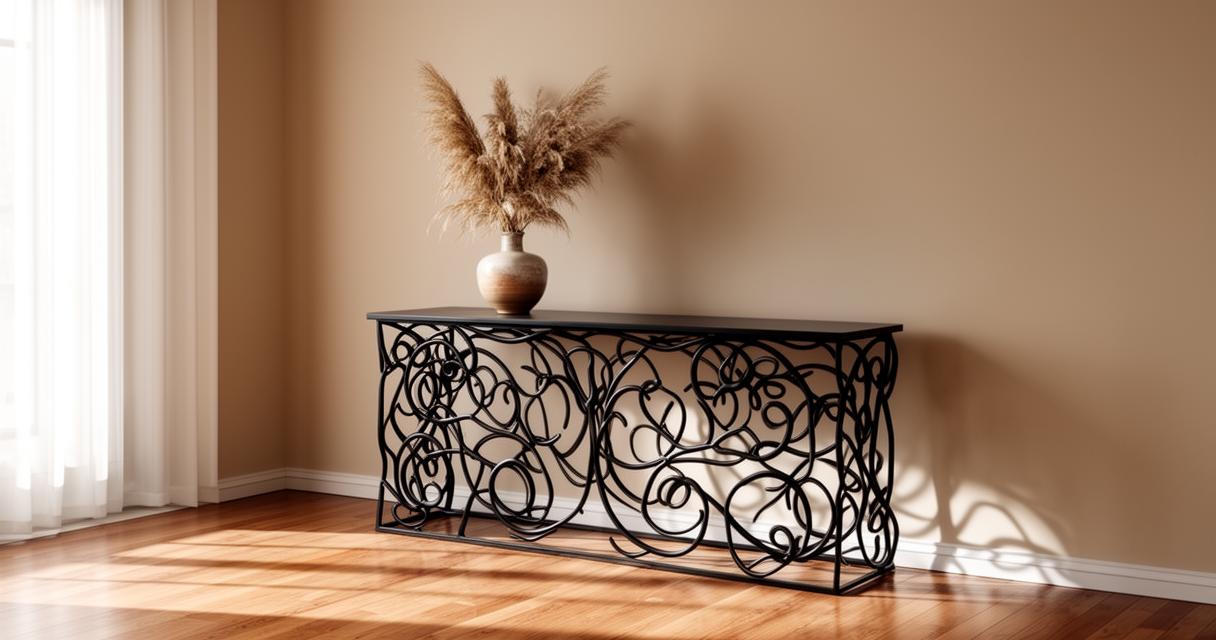
The foundation of any successful upcycling project lies in selecting the appropriate piece of furniture. When browsing through charity shops, auction houses, or even your own attic, stability should be your primary consideration. A wobbly chair or a dresser with compromised joints will struggle to support the weight of soil-filled planters, particularly when the growing medium becomes saturated with water. Examine the legs, joints, and overall framework carefully, ensuring that the piece can bear the load you intend to place upon it. Wood remains the most popular choice owing to its natural aesthetic and relative ease of modification, though wrought iron and metal furniture can also serve wonderfully, especially for outdoor settings where their durability against the elements becomes an asset. Consider the dimensions of your chosen piece as well, measuring height, width, and depth to ensure it will fit comfortably within your intended space. A tall, narrow cabinet might suit a corner position, whilst a broader dresser could serve as a striking focal point along a hallway or conservatory wall. The style of the furniture should harmonise with your existing décor, though don't shy away from pieces with interesting character marks or patina, as these features often contribute to the final charm of your plant stand.
Essential preparation steps: cleaning, sanding, and assessing structural integrity
Once you have selected your vintage treasure, thorough preparation ensures both longevity and safety. Begin by cleaning the piece meticulously, removing decades of accumulated grime, polish residue, and any loose paint. A solution of warm water with a gentle detergent works well for most surfaces, though take care with delicate finishes or veneers that might lift with excessive moisture. Allow the furniture to dry completely before proceeding to the next stage. Sanding represents a crucial step in preparing the surface for finishing treatments. Use medium-grit sandpaper initially to smooth rough patches and remove any flaking paint, then progress to finer grits for a polished result. This process not only improves the appearance but also helps any subsequent paint or varnish to adhere properly. As you work, assess the structural integrity carefully. Tighten any loose screws, reinforce wobbly joints with wood glue, and replace missing or damaged hardware. Drawers should slide smoothly, whilst cabinet doors need to hang level. If the piece will live outdoors, pay particular attention to areas where moisture might accumulate, as these spots will require additional sealing later. Any repairs made at this stage will prove far easier than attempting to rectify issues once your plant stand is fully assembled and decorated.
Design Ideas and Techniques for Creating Your Bespoke Plant Stand
Incorporating Height and Multi-Level Displays for Maximum Visual Impact
The beauty of upcycling furniture into plant stands lies in the opportunity to create multi-dimensional displays that draw the eye and showcase your botanical collection to its best advantage. Dressers with multiple drawers offer natural tiers, with each drawer pulled out to varying depths to create staggered levels. This approach works particularly well for displaying a collection of smaller pots, allowing trailing plants to cascade gracefully whilst upright varieties stand proud at different heights. Old wooden ladders provide another excellent option for vertical gardening, with each rung supporting pots or shallow containers filled with herbs or succulents. The inherent height of such pieces makes them ideal for maximising limited floor space whilst creating a dramatic statement. Chairs present a charming option, with the seat forming the primary planting area whilst the backrest might support climbing plants or simply provide an attractive backdrop. Tables can be adapted by removing sections of the tabletop and replacing them with containers, or by using the surface as is and arranging pots of varying heights to create visual interest. Cabinets with shelving allow for both concealed storage below and open display above, perfect for keeping gardening supplies hidden whilst showcasing your prized specimens. The key to success lies in considering how plants will grow and trail, ensuring that lower levels receive adequate light and that the overall composition maintains balance.
Finishing Touches: Paint, Varnish, and Decorative Elements to Match Your Interior
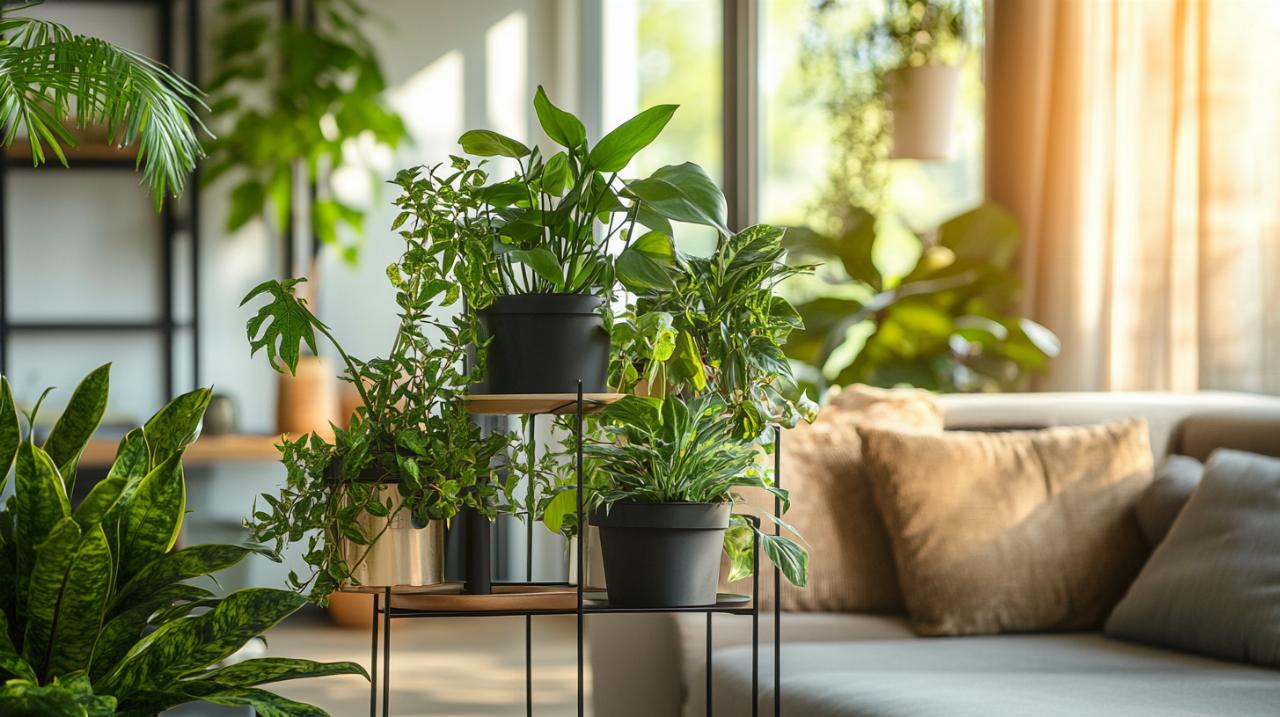
The decorative treatment you apply to your vintage furniture transformed plant stand significantly influences its final impact within your space. Paint offers endless possibilities for customisation, with both black and white finishes remaining perennially popular for their ability to complement virtually any interior scheme. A crisp white painted finish suits cottage-style and Scandinavian-inspired spaces, lending an airy, fresh quality to the piece. Conversely, black paint creates drama and sophistication, particularly when paired with brass or copper pots. For outdoor applications, invest in outdoor-grade paint specifically formulated to withstand moisture, temperature fluctuations, and ultraviolet exposure. These specialist products prevent premature peeling and fading, ensuring your handiwork endures through seasons. If you prefer to celebrate the natural wood grain, opt for a clear varnish or wood stain instead. These finishes protect the surface whilst allowing the inherent beauty of the timber to shine through, particularly appealing when working with quality hardwoods or pieces with attractive figuring. Sealants prove essential for outdoor pieces, creating a barrier against rain and dew that might otherwise cause warping or rot. Beyond paint and varnish, consider embellishing your creation with decorative elements such as stencilled patterns, decoupage motifs, or new hardware in complementary metals. These touches personalise the piece further and can tie it visually to other elements within your room or garden. Remember that decoration should enhance rather than overwhelm, allowing the plants themselves to remain the primary focus.
Styling Your Upcycled Plant Stand for Indoor and Outdoor Spaces
Selecting Suitable Plants and Pots to Complement Your Vintage Stand
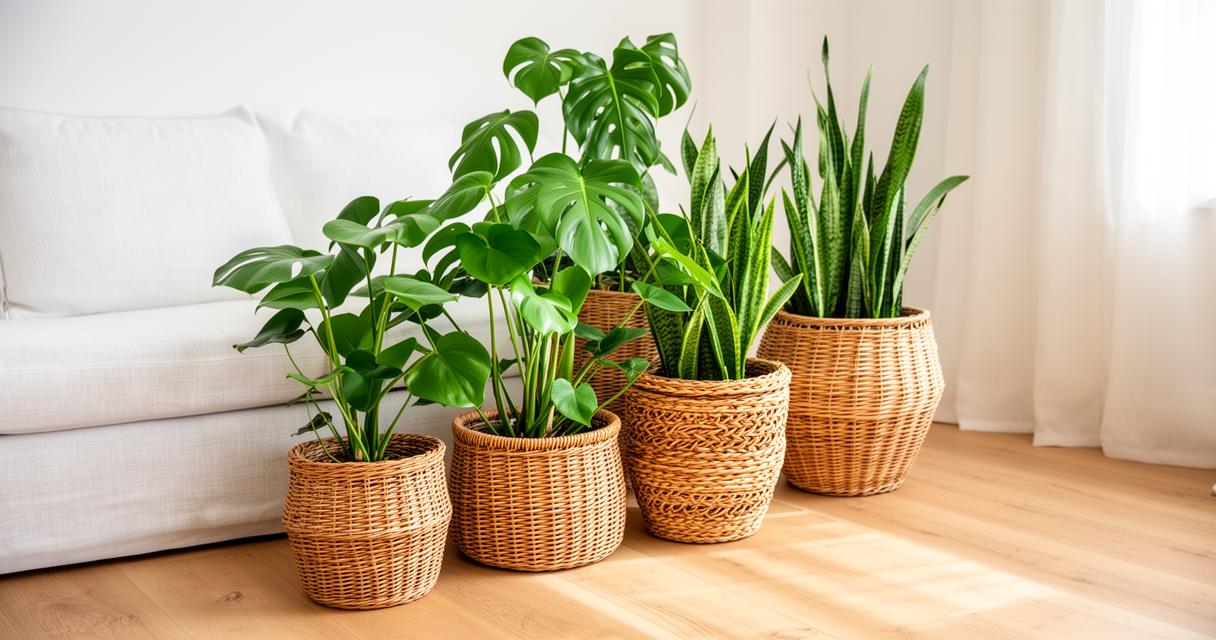
The plants you choose to display upon your newly created stand should reflect both practical considerations and aesthetic preferences. For shallow planters, such as those created from dresser drawers or the seat of a chair, select varieties with modest root systems that thrive in limited soil depth. Succulents, sedums, and many herbs flourish in such conditions, offering visual interest without demanding deep containers. Medium planters accommodate a broader range of options, including compact perennials, small shrubs, and trailing varieties that soften edges and add movement. Deep planters, perhaps fashioned from tall cabinets or substantial table modifications, support larger specimens with extensive root systems, allowing you to cultivate impressive focal plants or small ornamental trees. Consider the growing conditions your chosen location provides, matching sun-loving plants to bright spots and shade-tolerant varieties to dimmer corners. The style of your pots contributes significantly to the overall aesthetic, with terracotta bringing warmth and rustic charm, whilst ceramic or glazed options introduce colour and pattern. Metal containers suit industrial or contemporary schemes, though ensure adequate drainage to prevent waterlogging. The relationship between pot size and plant proportion matters greatly; avoid overwhelming delicate furniture with enormous containers, and conversely, ensure substantial pieces aren't diminished by pots that appear too modest. A cohesive colour palette across your pot selection creates harmony, even when mixing materials and shapes.
Placement Considerations: Making the Most of Width, Depth, and Available Space
Strategic placement of your upcycled plant stand maximises both its functional and decorative potential. Indoors, consider the width and depth of the piece in relation to the room's traffic flow, ensuring it enhances rather than obstructs movement. A narrow console-style stand might tuck neatly beneath a window, benefiting from natural light without intruding into the room's usable area. Wider pieces command attention as room dividers or anchors for conversational groupings, particularly in open-plan spaces where defining zones proves valuable. Height considerations extend beyond the furniture itself to account for mature plant growth; ensure adequate clearance between the top of your tallest plants and any overhead lighting or architectural features. Natural light availability should guide placement decisions, with sun-hungry specimens positioned near south-facing windows whilst shade-lovers retreat to north-facing aspects or interior corners. Temperature and humidity fluctuations near radiators or exterior doors may stress sensitive plants, so maintain a buffer zone around such features. Outdoors, the rules shift slightly, with weather exposure becoming paramount. Sheltered patios and covered porches protect painted finishes and delicate plants from harsh elements, whilst fully exposed positions demand robust construction and resilient plantings. Ensure proper drainage beneath outdoor stands to prevent standing water that might damage both furniture and plants. Consider sight lines from both inside looking out and from various vantage points within the garden itself, positioning your creation where it will be admired most frequently. Regular monitoring of outdoor pieces for pest activity helps catch problems early, whilst rotation of plants ensures even growth and prevents one-sided development in response to directional light. Thoughtful placement transforms a simple upcycled furniture piece into an integral component of your living environment, celebrating both sustainability and style whilst providing your plants with the conditions they need to thrive.