
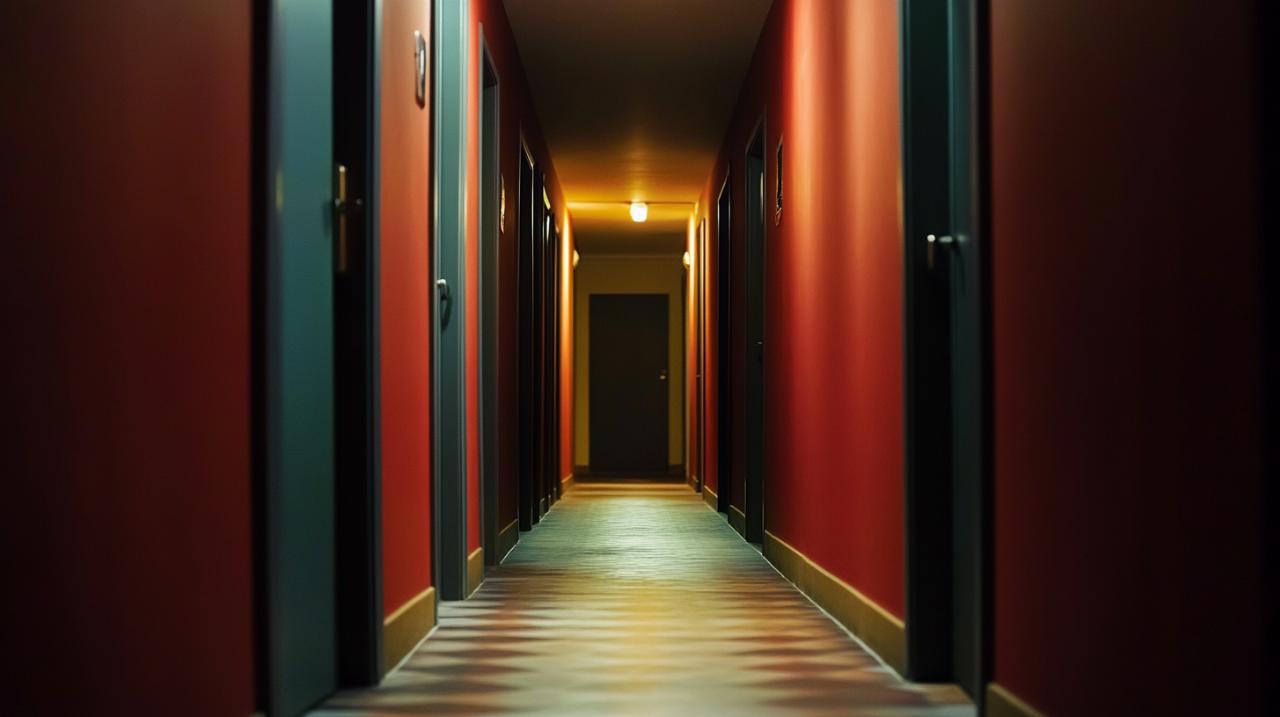
Transforming a cramped corridor into an inviting passage requires creativity and a discerning eye for design. For homeowners grappling with narrow hallways that feel claustrophobic or uninspiring, the strategic use of trailing plants offers an elegant solution. These cascading botanical elements not only soften hard architectural lines but also introduce a dynamic sense of movement and visual breadth. By weaving greenery into the vertical space, one can trick the eye into perceiving greater width and depth, all while enhancing the overall ambience with natural vitality.
Strategic Placement of Trailing Plants to Create Visual Flow
The secret to using trailing plants effectively in a narrow corridor lies in understanding how to manipulate sight lines and spatial perception. When positioned thoughtfully, these plants draw the gaze along the length of the passage rather than emphasising its narrow confines. The cascading foliage softens the rigidity of walls and ceilings, creating a sense of organic continuity that encourages the eye to travel smoothly from one end to the other. This technique is particularly beneficial in spaces where physical expansion is impossible, as it exploits the psychological dimensions of design.
Selecting the Right Trailing Plants for Corridor Spaces
Choosing appropriate trailing plants is critical for achieving the desired effect without overwhelming the limited space. Species with delicate, feathery foliage such as ivy, pothos, or string of pearls work exceptionally well, as they introduce lushness without appearing bulky. These plants are adaptable to varying light conditions, making them suitable for corridors that might not receive abundant natural sunlight. Consider the growth habits and maintenance requirements of each species, ensuring that the selected plants remain manageable over time. Opt for varieties that complement the existing colour palette and architectural style of the corridor, creating a cohesive visual narrative. The interplay between different shades of green can add subtle depth, while variegated leaves introduce gentle contrast without jarring the senses.
Positioning Hanging Baskets and Wall-Mounted Planters for Maximum Effect
The placement of planters is as crucial as the choice of plants themselves. Hanging baskets suspended at staggered heights along the corridor introduce vertical layers that break up the monotony of blank walls. This layered planting technique creates visual interest and prevents the space from feeling flat or one-dimensional. Wall-mounted planters can be arranged in a rhythmic pattern, guiding movement along the corridor while maintaining a sense of openness. Ensure that the planters do not protrude excessively into the walking space, as this would defeat the purpose of widening the corridor visually. Instead, opt for slimline storage solutions and sleek planter designs that hug the wall, allowing the foliage to extend outward gracefully. The goal is to frame the corridor with greenery without encroaching upon the functional flow of movement.
Combining Colour Schemes and Plant Greenery for Enhanced Spaciousness
Colour plays a pivotal role in shaping the perception of space, and when paired with trailing plants, it can significantly amplify the sense of width. Light hues on walls and ceilings reflect more light, making the corridor feel airier and less constricted. The introduction of lush greenery against a pale backdrop creates a striking yet harmonious contrast that draws attention without overwhelming the senses. This synergy between colour and foliage is a cornerstone of effective garden design and interior styling, translating seamlessly into the context of narrow corridors.
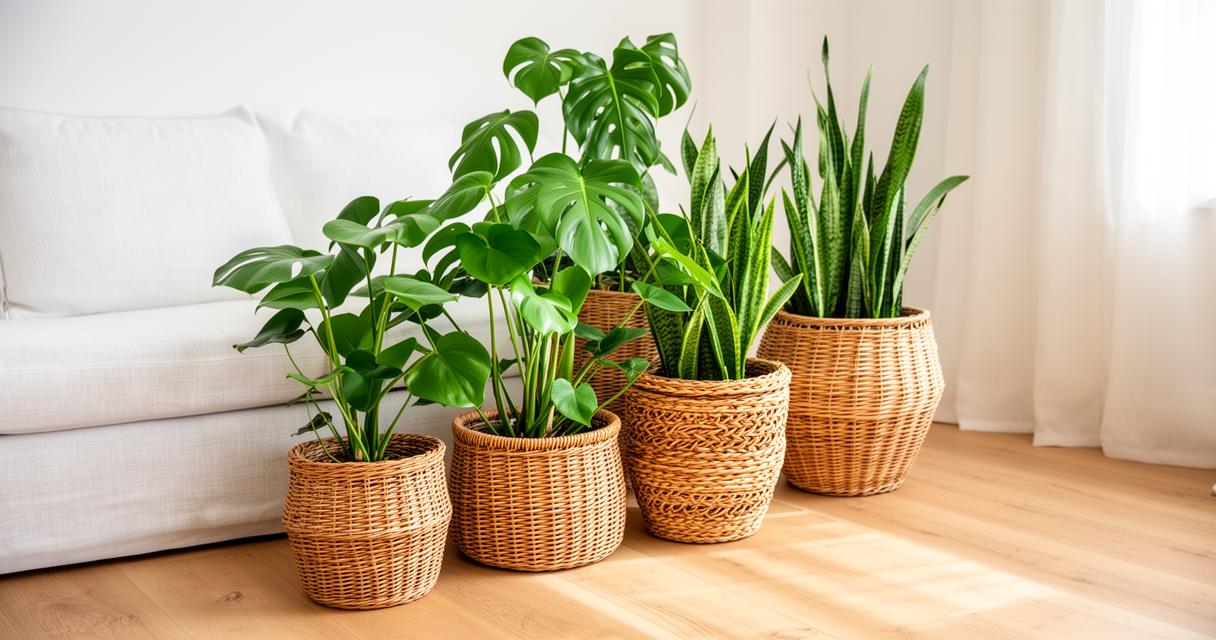
Pairing light wall colours with cascading foliage
Soft shades such as cream, pale grey, or gentle pastels provide an ideal canvas for the vibrant greens of trailing plants. These colours enhance the reflective qualities of the space, bouncing light around the corridor and reducing shadows that might otherwise accentuate narrowness. The cascading foliage introduces texture and movement, preventing the simplicity of light walls from appearing stark or clinical. This combination also evokes a sense of tranquillity and freshness, transforming a utilitarian passage into a serene, nature-inspired retreat. Consistency in the colour scheme across different sections of the corridor ensures continuity, a principle often employed in garden boundaries and garden rooms to create a unified aesthetic.
Using reflective surfaces alongside botanical elements
Mirrors and other reflective surfaces are powerful allies in the quest to visually expand a narrow corridor. When positioned opposite or adjacent to trailing plants, mirrors double the visual impact of the greenery while amplifying the sense of depth. This technique creates an illusion of multiple layers and dimensions, making the corridor feel significantly wider than its actual measurements. Reflective sculptures or metallic accents can serve a similar purpose, catching and dispersing light in ways that enhance the overall spaciousness. The key is to integrate these elements subtly, ensuring they complement rather than compete with the botanical features. This approach mirrors strategies used in outdoor garden design, where reflective elements and water features work together to craft visual illusions and add a touch of magic to confined spaces.
Integrating Lighting and Storage Solutions with Trailing Plant Displays
Lighting is an often underestimated component of corridor design, yet it holds the power to transform the atmosphere entirely. Coupled with trailing plants, well-planned illumination can highlight the natural beauty of the foliage while casting shadows that add depth and intrigue. Similarly, thoughtful storage solutions ensure that the corridor remains functional and clutter-free, allowing the trailing plants to take centre stage without competing for attention.
Illuminating your corridor to complement plant features
Good lighting is essential for creating an inviting atmosphere and enhancing the visual width of a narrow corridor. Soft, diffused lighting works best, as it minimises harsh shadows and creates a warm, welcoming glow. Consider installing wall-mounted fixtures or recessed lighting that directs light upward toward the trailing plants, accentuating their textures and forms. Uplighting can make the foliage appear more voluminous and dynamic, casting delicate shadows on the ceiling that add another layer of visual interest. In corridors with limited natural sunlight exposure, strategically placed artificial lights ensure that the plants remain healthy and vibrant. This dual function of lighting, serving both aesthetic and practical purposes, is reminiscent of the careful consideration given to soil type and sunlight exposure in traditional garden maintenance.
Incorporating space-saving furniture without compromising plant aesthetics
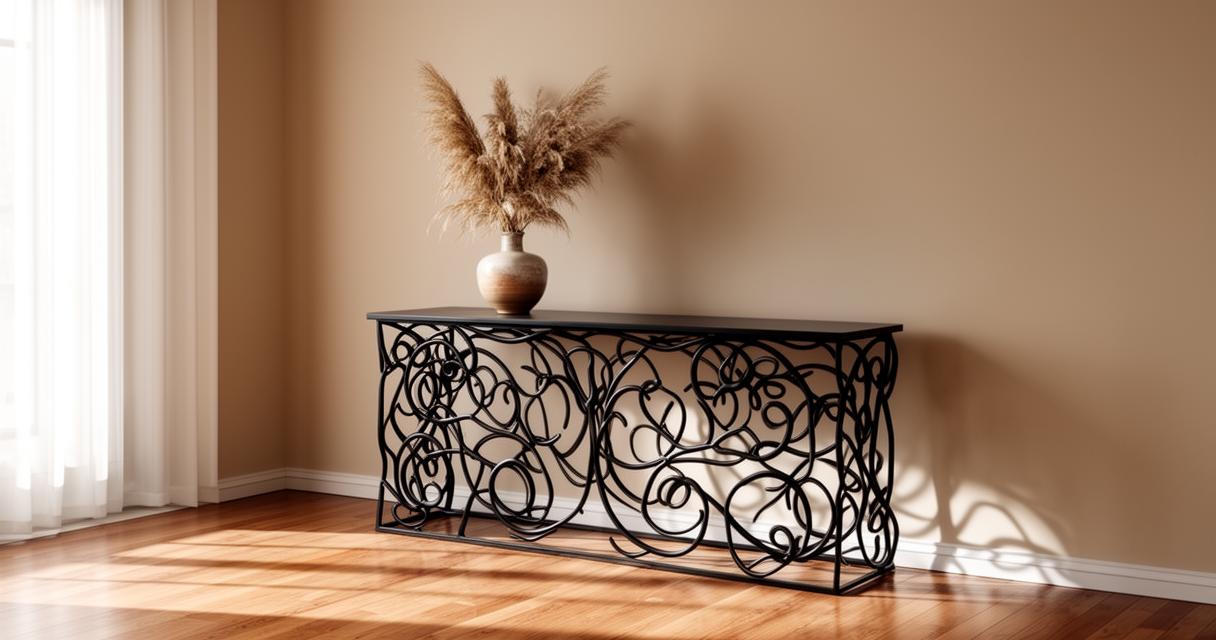
In a narrow corridor, every inch counts, and the inclusion of furniture or storage must be executed with precision. Opt for narrow furniture such as slimline console tables or wall-mounted shelves that provide functionality without obstructing movement. These pieces can double as platforms for displaying potted plants, creating additional opportunities to introduce greenery at varying heights. Concealed metal edging and trimmed edges help maintain a tidy appearance, ensuring that the corridor does not feel cluttered or chaotic. The integration of storage solutions should be seamless, allowing the trailing plants to remain the focal point. This balance between form and function is a hallmark of thoughtful design, whether in indoor corridors or outdoor border shapes that define garden rooms. By treating the corridor as a curated space rather than a mere passageway, you transform it into a living gallery where greenery, light, and structure coalesce to create a sense of openness and tranquillity.