Creating a wellness sanctuary within your own home has become an increasingly popular pursuit for those seeking to escape the daily grind without stepping outside. The concept of establishing an indoor spa corner or jacuzzi setup offers a chance to transform an unused area of your house into a personal retreat for tranquillity and rejuvenation. Whether you are considering a temporary inflatable option or a more permanent installation, understanding the essential planning stages, practical installation steps, and common pitfalls can make all the difference in achieving a truly restful oasis. This comprehensive guide explores everything from room preparation and flooring choices to the selection of jets, pumps, and aromatherapy accessories, ensuring your journey towards a tech-free haven is both rewarding and sustainable.
Planning your indoor oasis: essential considerations before installation
Assessing Your Room Layout and Available Corner Space for Different Types of Spa Solutions
Before embarking on any installation, it is crucial to evaluate the physical dimensions and layout of the room you intend to transform. The choice between a compact Intex spa, a Lay-Z-Spa inflatable model, or a more substantial built-in jacuzzi or pool system depends largely on the available corner space and the overall design of your house. Smaller inflatable solutions offer flexibility and ease of setup, making them suitable for rooms with limited square footage. However, if you are planning a permanent structure that incorporates a swim feature or a more advanced jets system, careful measurement and planning become paramount. Consider not only the footprint of the unit itself but also the clearance required around it for maintenance, access, and safety. The location should ideally offer a pleasant view, ease of access to plumbing and electrical points, and a sense of seclusion that enhances the mind and body relaxation experience. A well-thought-out layout ensures that your indoor sanctuary integrates seamlessly with the rest of your living space while providing the tranquillity you seek.
Another vital aspect to address during the planning stage is the structural capacity of the room. A filled jacuzzi or hot tub can weigh several tonnes, so it is essential to confirm that the floor can support this load. Consulting a structural engineer may be necessary, especially if you are considering an in-ground installation or a larger pool system. Additionally, think about the control room or cupboard space where the pump, heater, and filter will be housed. This area should be generously sized, well-drained, and easily accessible for routine maintenance. Adequate ventilation is also critical to prevent moisture buildup and ensure the longevity of your equipment. By carefully assessing your room layout and available corner space, you can select the type of spa solution that best fits your needs while avoiding costly modifications down the line.
Understanding Humidity, Flooring, and Tiling Requirements for Your House Installation
Once the spatial considerations are clear, attention must turn to the environmental factors that will affect your indoor spa corner. Humidity levels will inevitably rise in a room housing a hot tub or sauna, so proper ventilation is essential to prevent mould, mildew, and damage to surrounding materials. Installing an extractor fan or ensuring that windows can be opened easily will help maintain air quality and comfort. The choice of flooring is equally important, as it must be both waterproof and slip-resistant. Wet room tiles are an excellent option, as they are specifically designed to withstand constant moisture and provide a safe walking surface. When selecting tiles for both walls and floors, it is advisable to use swimming-grade adhesive and grout to ensure a watertight seal. A wet diamond cutting machine can be invaluable for achieving precise cuts and professional-looking finishes.
Waterproofing the base and walls of your installation is a non-negotiable step in the construction process. If you are building a bespoke jacuzzi or pool, incorporating a waterproofing agent into your mortar mix is essential to prevent leaks and structural damage. For those opting for a pre-fabricated unit, ensuring that the surrounding area is properly sealed and tiled will protect your home from water ingress. The choice of construction materials, such as concrete, blocks, and mortar, should be made with durability and water resistance in mind. Proper tiling not only enhances the aesthetic appeal of your spa corner but also contributes to the overall longevity and functionality of the installation. By understanding and addressing the requirements related to humidity, flooring, and tiling from the outset, you can create a safe and beautiful environment that stands the test of time.
Practical Guide to Installation: From Intex and Lay-Z-Spa Options to Permanent Pool and Jacuzzi Systems
Step-by-Step Advice on Setting Up Jets, Pump, and Heat Controls for Optimal Benefits
The installation process varies significantly depending on the type of spa system you choose, but certain fundamental principles apply across the board. For inflatable options such as Intex or Lay-Z-Spa models, the setup is relatively straightforward and often requires minimal tools. These units typically come with integrated pumps and heaters, and the manufacturer's instructions should be followed closely to ensure proper assembly. However, for those embarking on a permanent installation, the plumbing and electrical work become considerably more complex. The basic concept of hot tub plumbing involves water flowing through a skimmer, filter, heater, pump, and jets. Understanding this cycle is crucial for troubleshooting and maintenance. Flexible pipes are recommended over rigid alternatives, as they better withstand pressure and are easier to adapt to complex joints. Water pipes are generally two inches in diameter, while air pipes are one and a half inches. Heating the pipes indirectly with hot water can improve their workability during installation, making it easier to achieve secure and leak-free connections.
When setting up jets, it is important to consider both the number and the configuration. A standard three-horsepower pump can typically handle up to twenty jets, but adding more may reduce the force of the water. Gunite jet systems, which mix air and water, offer a stronger and more invigorating experience. Air can be introduced via Venturi vents or a separate blower, depending on your design preferences. Positioning the skimmer correctly is also critical, as it dictates the height of the water level and ensures efficient surface cleaning. Investing in good-quality equipment for the pump, blower, and filter is essential, as these components form the heart of your system and will significantly impact its performance and longevity. Lighting is another must-have feature, although care must be taken to ensure that any lights installed are compatible with your spa pack. By following a methodical approach and paying attention to detail, you can achieve a professional-quality installation that delivers optimal heat and relaxation benefits.
Choosing the Right Accessories: Essential Oils, Baths, Saunas, and Swim Features for Mind and Body Relaxation
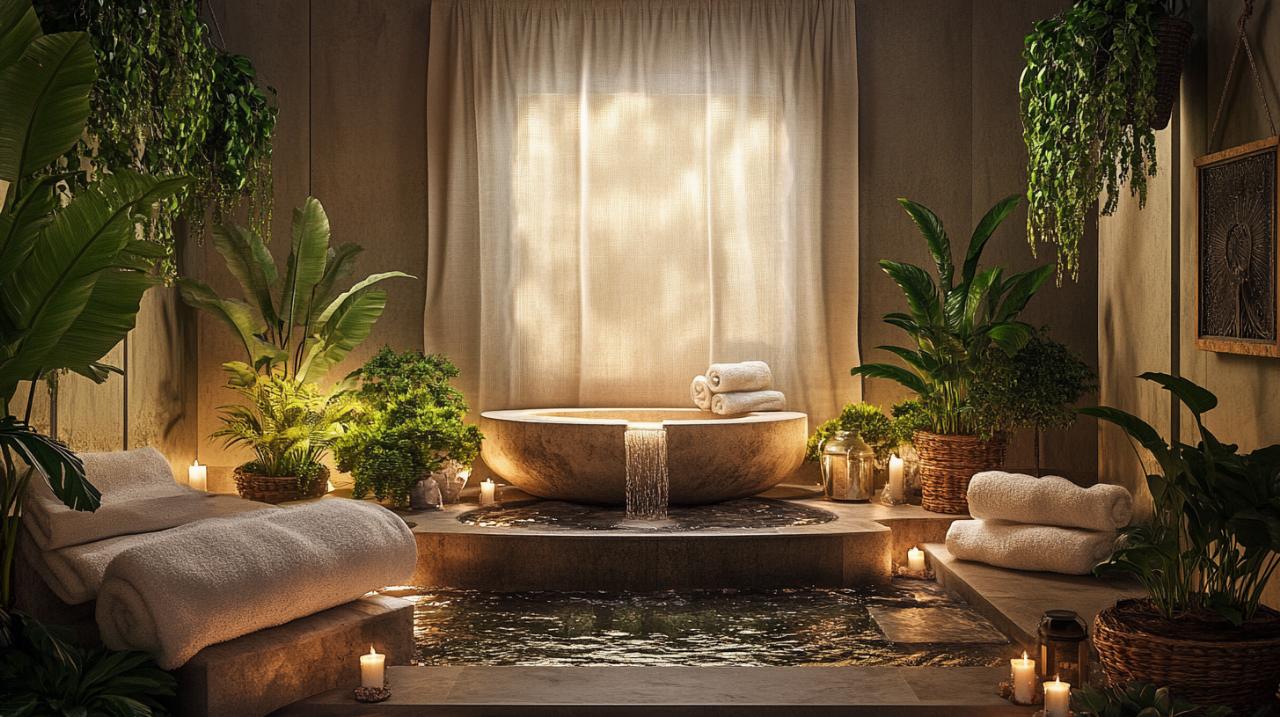
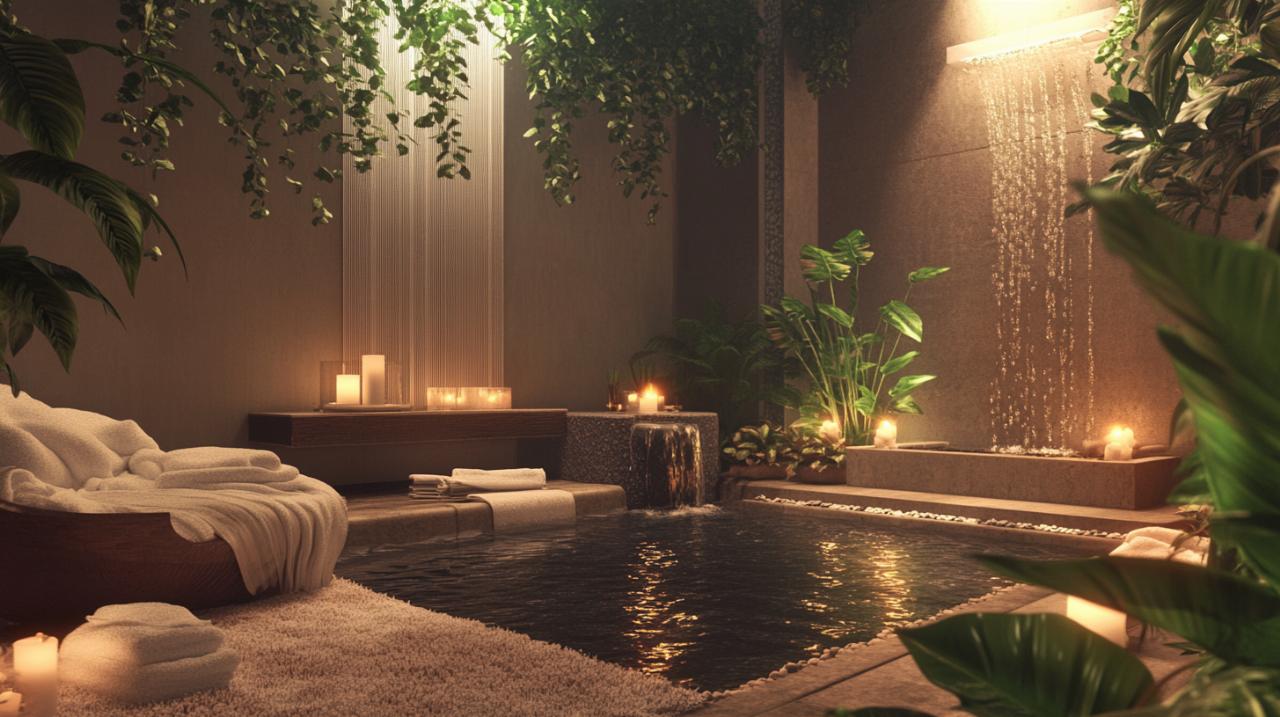
Beyond the core installation, the choice of accessories and additional features can greatly enhance your indoor spa experience. Aromatherapy plays a significant role in creating a calming atmosphere, and the use of essential oils such as eucalyptus, lavender, peppermint, chamomile, and sandalwood can transform a simple soak into a deeply therapeutic ritual. These oils not only provide pleasant scents but also offer various health benefits, from promoting relaxation to aiding muscle recovery and improving skin health. When incorporating aromatherapy into your routine, it is important to use oils that are safe for use in water and will not damage your equipment or clog filters. Organic bath products, premium towels, candles, and indoor greenery can further elevate the ambiance, turning your spa corner into a true wellness sanctuary.
For those seeking a more comprehensive wellness experience, consider integrating additional features such as an infrared sauna or a dedicated meditation and yoga space. Infrared saunas use light to heat the body directly, offering a gentler experience at temperatures ranging from one hundred ten to one hundred forty degrees Fahrenheit. Different types of infrared saunas, including far infrared, near infrared, and full spectrum, provide varying benefits such as deep pain relief, enhanced skin health, and improved collagen production. When designing your sauna, opt for non-toxic wood such as cedar or hemlock, which are both durable and naturally resistant to moisture. Soft lighting, ambient music, and nature sounds can create a soothing environment that encourages mindfulness and gratitude. If space and budget allow, adding a swim feature to your indoor pool or jacuzzi can offer the dual benefits of exercise and relaxation, making your home spa corner a multifaceted retreat for both mind and body.
Common Mistakes to Avoid: Price, Choice, and Planning Pitfalls When Creating Your Tech-Free Sanctuary
Critical Errors in Room Preparation and Corner Configuration That Could Ruin Your Spa Experience
Even the most carefully planned installations can fall victim to common mistakes that compromise both safety and enjoyment. One of the most frequent errors is inadequate room preparation, particularly in relation to structural support and waterproofing. Failing to verify that your floor can support the weight of a filled hot tub or jacuzzi can lead to catastrophic structural failure, resulting in significant repair costs and potential injury. Similarly, neglecting to properly waterproof the base and walls before installation can result in leaks that damage flooring, walls, and even the foundation of your house. It is essential to use construction materials that are designed for wet environments and to apply waterproofing agents liberally. Skipping these steps in an effort to save time or money is a false economy that will almost certainly lead to greater expenses in the long run.
Another common pitfall is poor corner configuration and inadequate space planning. Overcrowding your spa area with too many features or failing to leave sufficient clearance around the unit can make maintenance difficult and reduce the overall sense of tranquillity. When selecting your layout, consider not only the dimensions of the spa itself but also the space required for entry, exit, and the storage of towels, bath products, and cleaning supplies. Additionally, ensure that the control room is easily accessible and well-ventilated, as a cramped or poorly designed equipment area can lead to overheating and premature failure of pumps and heaters. By taking the time to plan your room layout carefully and avoiding the temptation to maximise features at the expense of functionality, you can create a spa corner that is both beautiful and practical.
Practical Tips to Prevent Installation Disasters and Ensure Long-Term Maintenance of Your Indoor Wellness Haven
Preventing installation disasters begins with meticulous planning and a commitment to following best practices at every stage. One of the most critical steps is to ensure that all electrical work is carried out by a qualified electrician. A dedicated electrical supply is necessary for most spa systems, typically requiring six-millimetre twin and earth cable and a fifty-five to sixty-ampere miniature circuit breaker. It is essential to itemise all electrical equipment and calculate the total current required to ensure that your supply is adequate. Attempting to cut corners on electrical installation can result in fires, equipment damage, and serious injury. Similarly, plumbing connections must be made with care to prevent leaks. When filling and testing your system for the first time, monitor closely for any signs of water escaping from joints or seals. If a leak is detected, it is best to drain the pipes and redo the connection rather than attempting a quick fix that may fail later.
Long-term maintenance is equally important to the ongoing enjoyment and safety of your indoor spa corner. Regular cleaning and chemical treatment are necessary to keep the water hygienic and free from bacteria. The main choices for sanitising the water are chlorine and bromine, with bromine often preferred by those with sensitive skin. In addition to sanitiser, you will need pH increasers and decreasers, as well as total alkalinity increasers, to maintain the correct water chemistry. Some systems also incorporate ultraviolet sterilisation, although water chemistry is still required even with these technologies. Daily wiping of surfaces, weekly deep cleaning, and regular inspection of the pump, filter, and heater will help to prevent odours, preserve the wood or tiles, and ensure that all electrical components are functioning correctly. Running costs can be substantial, particularly during colder months, so investing in energy-efficient equipment such as an air source heat pump can reduce expenses by up to sixty-six per cent. By adhering to a routine maintenance schedule and addressing issues promptly, you can enjoy your indoor wellness haven for years to come without unexpected disruptions or costly repairs.