Designing a square kitchen offers remarkable opportunities to create a space that feels both balanced and functional, where every corner plays a meaningful role. The symmetry inherent in this layout invites creative solutions, from thoughtfully positioned work zones to a stylish breakfast bar that becomes the heart of the home. Whether you are reimagining a compact footprint or working with a generous area, understanding how to harness the potential of your square kitchen can transform daily routines into enjoyable experiences, blending practicality with aesthetic appeal in a way that truly enhances your living space.
Mastering the Square Kitchen Layout: Planning Your Space for Maximum Efficiency
When embarking on a square kitchen design, the first step is to appreciate the inherent versatility that comes with balanced proportions. Unlike elongated or irregularly shaped rooms, a square footprint provides equal wall distances, which naturally promotes efficient traffic flow and allows for flexible placement of essential zones. This symmetry also creates strong sightlines, making the space feel more open and inviting, even in modest dimensions. The key to success lies in planning carefully, ensuring that each area serves a clear purpose while maintaining a sense of harmony throughout the room.
Understanding the Work Triangle Principle in Square Kitchens
At the core of any efficient kitchen design is the concept of the work triangle, which connects the sink, stove, and refrigerator in a way that minimises unnecessary movement. In a square kitchen, this principle becomes especially valuable because the equal dimensions allow you to position these three crucial elements in a manner that feels intuitive and reduces the risk of bottlenecks. Ideally, the total distance between these points should fall between three metres and seven and a half metres, creating a workflow that is neither too cramped nor overly stretched. By arranging your cooking, cleaning, and storage areas in this triangular formation, you can ensure that meal preparation flows smoothly, whether you are working solo or sharing the space with family or friends.
Optimising Zones for Cooking, Prep, and Storage in a Symmetrical Floor Plan
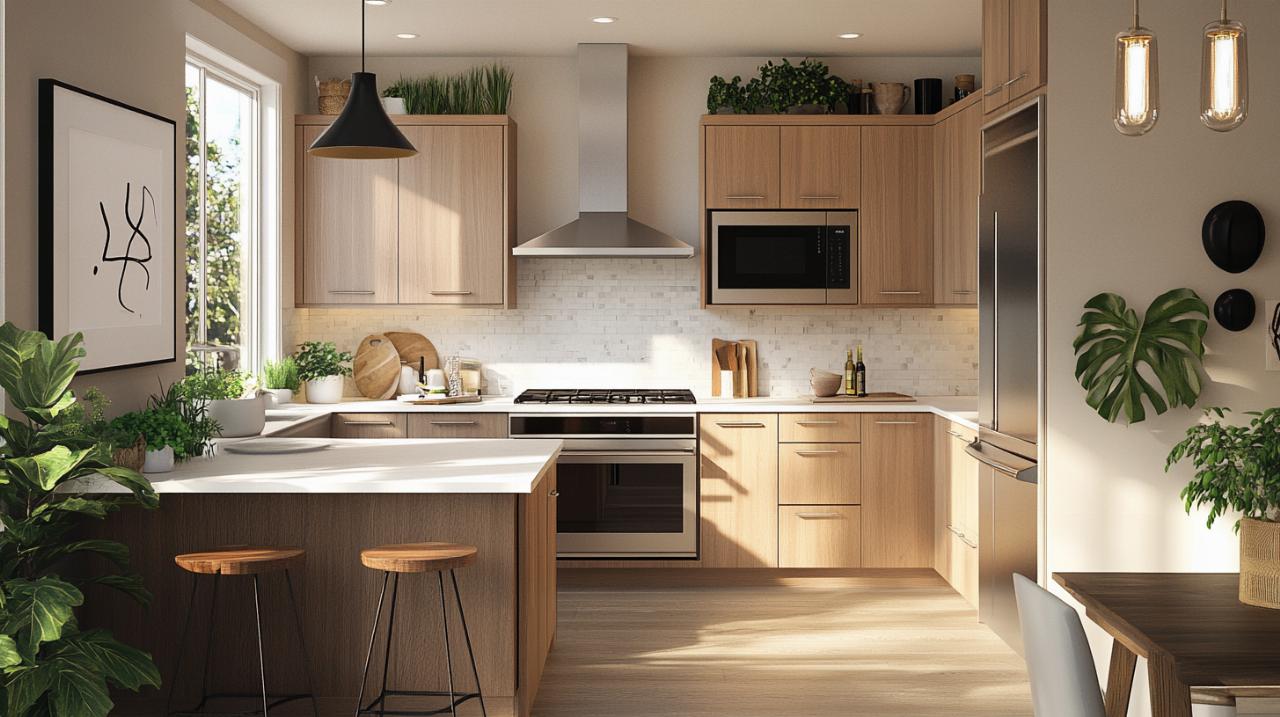
Beyond the work triangle, a square kitchen offers the chance to carve out distinct zones for different activities, from chopping vegetables to storing dry goods. The open proportions of a square layout can accommodate multiple cooks without feeling crowded, provided you arrange work zones thoughtfully. For instance, dedicating one wall to cabinetry and appliances, another to a sink and dishwasher, and the remaining space to a preparation area or dining surface can create a natural rhythm that supports both efficiency and comfort. Floor-to-ceiling cabinetry is particularly effective in square kitchens, as it maximises storage without encroaching on valuable floor space. Meanwhile, corner cabinets can be transformed from awkward spots into practical assets by incorporating solutions such as Lazy Susans or pull-out drawers, ensuring that every inch contributes to the overall functionality of the room.
Choosing and Positioning Furniture and Cabinetry to Make Every Inch Count
Once the fundamental layout is established, the next challenge is selecting and arranging furniture and cabinetry in a way that balances visual appeal with everyday practicality. The right choices can elevate a square kitchen from merely functional to genuinely inviting, creating a space that feels tailored to your lifestyle. Whether you favour a streamlined galley arrangement, an L-shaped configuration, or a more elaborate U-shaped or G-shaped design, the goal is to ensure that every piece of furniture or cabinetry earns its place by enhancing both storage and usability.
Selecting the Right Base Units and Wall Cupboards for a Balanced Design
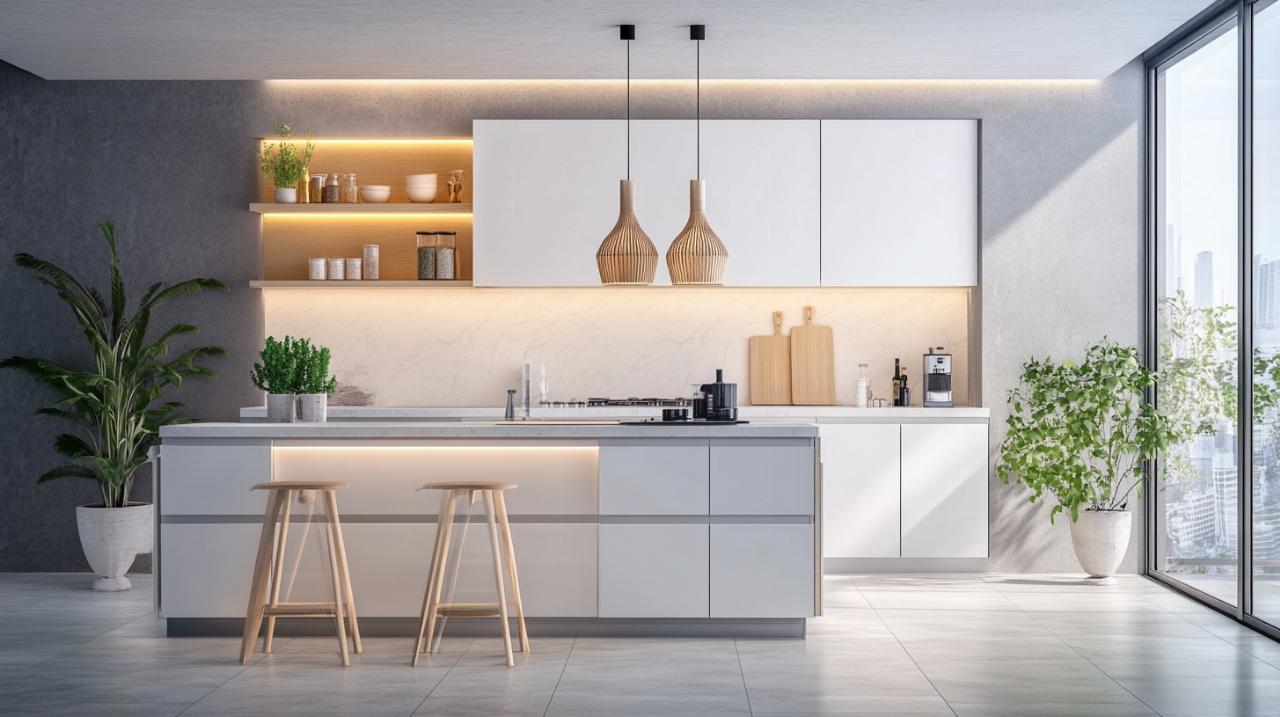
Base units and wall cupboards form the backbone of any kitchen, providing essential storage while also setting the tone for the overall aesthetic. In a square kitchen, where symmetry is a natural advantage, choosing cabinetry that complements the proportions of the room can create a sense of order and cohesion. Opting for high-gloss doors, for example, can help to brighten the space, reflecting light and making the room feel more expansive. Extra-long upper cabinets that reach towards the ceiling not only maximise storage but also draw the eye upwards, enhancing the perception of height. When selecting base units, consider their depth and layout carefully, ensuring that they accommodate your needs without obstructing movement or disrupting the work triangle. The placement of appliances within these units should also be strategic, with the oven and refrigerator positioned to support the flow of activity rather than interrupt it.
Incorporating a Central Island or Breakfast Bar for Functionality and Style
For square kitchens measuring ten feet by ten feet or larger, introducing a central island or breakfast bar can be a game-changing decision. Such features offer additional preparation space, serve as a casual dining area, and can even provide extra storage through built-in drawers or shelves underneath. An island is freestanding and can anchor the centre of the room, while a peninsula extends from a wall or cabinetry, making it a practical choice when space is more limited. Both options encourage sociability, creating a gathering spot where family and friends can chat while meals are being prepared. When planning for an island or breakfast bar, it is crucial to leave between thirty-six and forty-two inches of clearance around it, ensuring that traffic can flow freely and that the space does not feel cramped. A waterfall edge or two-tier design can add a touch of elegance, while a curved overhang or rounded corners can soften the overall look, making the room feel more welcoming.
Creating a Stylish and Practical Hub: Design Ideas and Finishing Touches
The final stage of fitting out a square kitchen involves layering in the details that transform a well-planned layout into a space that truly reflects your personal style. From clever storage solutions to thoughtful choices in lighting and materials, these finishing touches can make all the difference, turning a functional room into a stylish hub where daily life unfolds with ease and enjoyment.
Clever Storage Solutions and Appliance Placement for a Clutter-Free Kitchen
Maximising storage in a square kitchen often means thinking beyond conventional cupboards and drawers. Utilising the full height of the walls with floor-to-ceiling cabinetry can help to keep countertops clear, while corner cabinets equipped with Lazy Susans or blind corner pull-outs ensure that even awkward spaces contribute to your storage capacity. Hidden storage within a breakfast bar or island, such as drawers for cutlery or shelves for cookbooks, can further reduce clutter and keep essentials within easy reach. Appliance placement is equally important, with the goal of integrating them seamlessly into the design rather than allowing them to dominate the space. Consider built-in options where possible, and arrange appliances so that they support the work triangle without creating obstacles. A well-placed microwave, for instance, can be mounted at eye level rather than occupying precious counter space, while a built-in power point in an island or breakfast bar can add convenience without disrupting the clean lines of the design.
Lighting, colour, and materials: enhancing your square kitchen's aesthetic appeal
Lighting plays a transformative role in any kitchen, and a square layout offers ample opportunity to layer different types of illumination for both functionality and ambiance. General lighting ensures the room is bright and welcoming, while task lighting over preparation areas or the cooktop helps to reduce shadows and improve visibility during detailed work. Accent lighting, such as under-cabinet strips or pendant fixtures above a breakfast bar, can highlight architectural features and create a warm, inviting atmosphere. When it comes to colour and materials, the choice of worktop can set the tone for the entire space. Timber options such as oak or walnut bring natural warmth and texture, while butcher block offers a rustic charm. For those seeking a more contemporary feel, quartz provides durability and a sleek finish, and marble introduces a touch of luxury. The selection of stools for a breakfast bar should complement the overall style, with seat heights matched to the bar height of nine hundred to nine hundred and fifty millimetres, and materials ranging from timber and metal to upholstered options for added comfort. Allowing at least sixty centimetres per stool ensures that everyone has enough space to sit comfortably, and an overhang of two hundred and fifty to three hundred millimetres provides adequate legroom. By paying attention to these details, you can create a square kitchen that not only meets your practical needs but also serves as a stylish and sociable hub, where cooking, dining, and gathering become a seamless part of everyday life.