
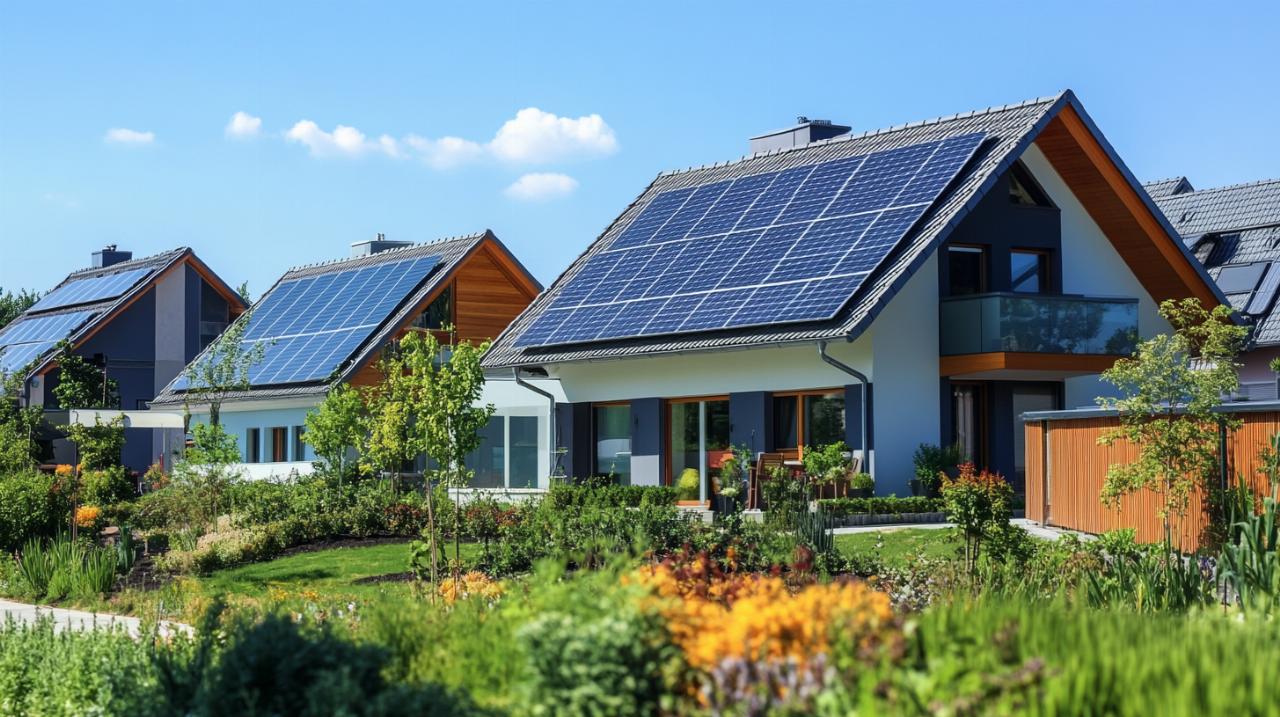
Switching to solar energy is not just a decision about how you power your home or business; it represents a fundamental shift towards embracing sustainable living whilst simultaneously enjoying tangible financial rewards. Whether you're managing a bustling commercial enterprise or simply looking to make your household more economical and environmentally responsible, solar energy solutions offer a compelling array of benefits that extend far beyond the initial installation. From reducing monthly overheads to contributing positively to the fight against climate change, the advantages of going solar are both immediate and long-lasting, making it an investment worth serious consideration.
Financial advantages of going solar
One of the most attractive aspects of adopting solar energy lies in the substantial cost savings it can deliver over time. For homeowners and businesses alike, the promise of reduced energy bills is a powerful incentive. By generating your own electricity through a photovoltaic system, you effectively shield yourself from the unpredictable fluctuations of energy prices that have plagued consumers in recent years. Harvest Green Developments highlights that businesses can cut costs significantly by harnessing renewable energy, and this principle applies equally to residential properties. The initial outlay for solar panels might seem daunting, but the long-term savings often offset these installation costs within a surprisingly short period, typically between five and ten years. After this break-even point, the electricity generated is essentially free, allowing you to enjoy decades of financial relief as most solar panels continue to perform efficiently for at least twenty-five years.
Beyond the direct reduction in energy bills, solar energy systems can also enhance the value of your property. Homes equipped with solar panels have been shown to attract higher market prices, with some studies suggesting an increase of up to fifteen thousand pounds in property value. This added value is particularly appealing for those who may eventually wish to sell their home or commercial property, as buyers increasingly seek energy-efficient features that promise lower running costs. Moreover, the low maintenance requirements of solar systems mean that once installed, they demand little more than a couple of cleans each year to maintain optimal performance. This minimal upkeep translates into fewer ongoing expenses, making solar energy not only a cost-effective solution but also a hassle-free one. Interestingly, even in spaces where one might not expect to find energy innovation, such as in interiors adorned with french style decor, the sleek design of modern solar panels can complement a variety of architectural aesthetics without compromising visual appeal.
Reducing your energy bills and long-term savings
The immediate financial benefit of solar energy is the reduction in electricity bills. For the average household in the United Kingdom, a solar photovoltaic system can substantially decrease the amount of electricity drawn from the grid. During daylight hours, solar panels harness energy from the sun to power your home, and any surplus energy generated can either be stored in batteries for later use or sold back to the grid, providing an additional revenue stream. This ability to generate and store your own electricity offers a degree of energy independence that insulates you from rising energy prices and supply uncertainties. Businesses, in particular, stand to gain significantly from this stability, as predictable energy costs allow for more accurate financial planning and budgeting. The flexibility to scale up your solar installation as your energy needs grow also means that the system can adapt alongside your business or household, ensuring that you continue to reap the benefits of affordable energy as your consumption increases.
Another financial consideration is the reduced energy loss that comes with local electricity generation. Traditional electricity transmission can result in losses of up to five percent, but by producing power on-site, solar energy minimises these inefficiencies and maximises the value you receive from every kilowatt generated. This efficiency is further enhanced when solar panels are integrated with other technologies such as electric vehicle chargers and energy storage systems, creating a comprehensive and cost-effective energy ecosystem. The combination of lower bills, increased property value, and minimal maintenance costs makes solar energy a smart financial move for anyone looking to invest in their future whilst enjoying immediate returns on their investment.
Government incentives and feed-in tariffs
In addition to the inherent cost savings, the financial appeal of solar energy is bolstered by a range of government incentives and feed-in tariffs designed to encourage the adoption of renewable energy. These schemes can significantly reduce the upfront costs of installing a photovoltaic system, making solar power accessible to a broader audience. Tax credits and allowances are available to both residential and commercial users, effectively lowering the initial investment required and shortening the payback period. For businesses, these incentives can also help meet sustainability targets and enhance corporate social responsibility profiles, which in turn can improve brand reputation among customers and employees. Attracting and retaining talent becomes easier when a company demonstrates a commitment to green energy and environmental stewardship, as modern workers increasingly value employers who prioritise sustainability.
Feed-in tariffs, which pay you for the excess electricity your solar panels generate and feed back into the grid, provide another financial incentive that can contribute to the overall return on investment. Although the rates and availability of these tariffs have evolved over the years, they remain a valuable component of the financial equation for many solar adopters. By taking advantage of these government-backed programmes, you can offset the installation costs more rapidly and begin enjoying the full financial benefits of solar energy sooner. The transparency offered by reputable solar providers, such as Harvest Green Developments, ensures that you are fully informed about the potential snags and benefits, including upfront costs, space requirements, and integration challenges, allowing you to make a well-informed decision that aligns with your financial goals and sustainability aspirations.
Environmental impact and sustainability
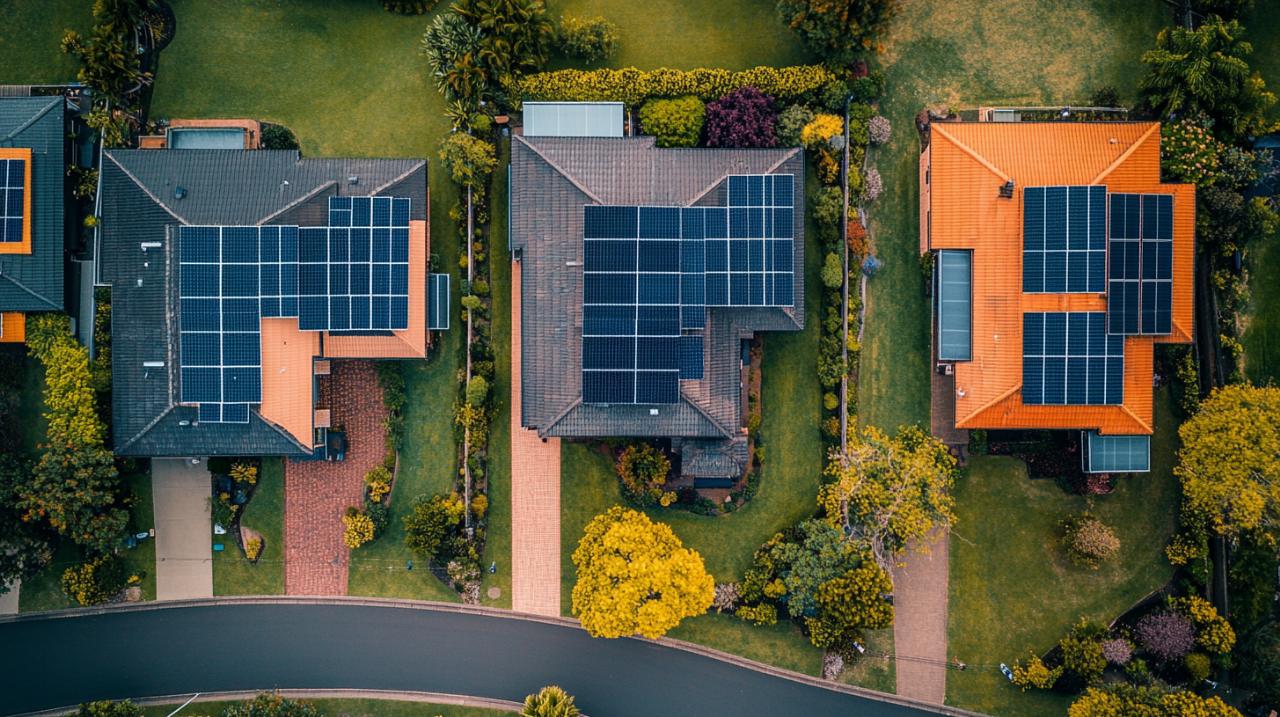
While the financial advantages of solar energy are compelling, the environmental benefits are equally significant and arguably even more critical in the context of global climate challenges. Solar energy is a clean, renewable resource that produces electricity without emitting harmful pollutants or greenhouse gases. By choosing to install solar panels, homeowners and businesses can make a tangible contribution to reducing carbon emissions and combating climate change. This shift towards renewable energy is essential if we are to mitigate the worst effects of environmental degradation and preserve the planet for future generations. The impact of solar energy on sustainability is profound, offering a pathway to a cleaner, healthier world that does not rely on finite fossil fuels.
Reducing your carbon footprint
One of the most immediate environmental benefits of adopting solar energy is the reduction in your carbon footprint. A solar photovoltaic system installed in the average home in the United Kingdom can reduce carbon emissions by approximately 1.6 tonnes per year. This reduction is achieved because solar panels generate electricity using daylight rather than burning fossil fuels, which are the primary source of carbon dioxide emissions. Even on cloudy days, solar panels are capable of producing energy, debunking the myth that they are only effective in consistently sunny climates. This reliability means that solar energy can be a viable and effective solution across the diverse weather conditions experienced in the United Kingdom, making it an inclusive option for a wide range of properties.
Furthermore, the adoption of solar energy reduces the demand for electricity generated by traditional power plants, many of which rely on coal, natural gas, or other polluting sources. By decreasing this demand, solar energy contributes to a broader reduction in air pollution and environmental harm. Microgrids that incorporate solar panels also enhance grid security and resilience, reducing the risk of widespread power outages and ensuring a more stable energy supply. The environmental advantages extend beyond just carbon emissions; solar energy also reduces the strain on natural resources and minimises the ecological footprint associated with energy production. For businesses, this commitment to reducing carbon emissions can enhance corporate reputation, attract environmentally conscious customers, and help meet increasingly stringent environmental regulations and sustainability targets.
Contributing to a Cleaner Future for Generations
The long-term environmental impact of widespread solar energy adoption is a key consideration for anyone concerned about the legacy we leave for future generations. By investing in solar panels today, you are not only reducing your own environmental impact but also contributing to a collective effort to transition away from polluting energy sources. This shift is essential for creating a sustainable future in which clean energy is the norm rather than the exception. Solar energy systems have a lifespan of at least twenty-five years, during which they continue to generate clean electricity and offset carbon emissions. Over this period, the cumulative environmental benefits are substantial, making solar energy one of the most effective tools available for combating climate change on an individual and community level.
Moreover, the development and deployment of solar technology continue to improve, with innovations making panels more efficient, affordable, and environmentally friendly. As the industry evolves, the environmental costs associated with the production and disposal of solar panels and batteries are being addressed through better manufacturing processes and recycling programmes. Community solar projects also offer an alternative for those who cannot install panels on their own properties, allowing broader participation in the renewable energy revolution and ensuring that the benefits of solar power are accessible to all. By choosing solar energy solutions, whether for your home or business, you are making a conscious decision to support a cleaner, more sustainable future and to play an active role in protecting the environment for generations to come. This commitment to sustainability is not only a moral imperative but also a practical strategy for ensuring long-term energy security and environmental health.