Choosing the right lighting for your lounge can transform the entire character of your home, creating a space that feels both welcoming and reflective of your personal style. From the soft glow of a table lamp to the dramatic presence of a chandelier, each fixture plays a vital role in shaping the mood and functionality of the room. Understanding how to balance different types of illumination whilst considering the unique needs of your space is essential for achieving a harmonious and beautifully lit environment.
Understanding the Fundamentals of Lounge Illumination
The Importance of Proper Lighting in Creating an Inviting Atmosphere
The way a room is lit profoundly influences how it feels and functions. Proper lighting shapes mood, defines style, and enhances the overall design of your lounge. Whether you are settling down for a quiet evening with a book, hosting a lively dinner party, or enjoying a film night with family, the illumination in your living room should adapt to these varied activities. A well-considered lighting scheme not only highlights architectural details and cherished decor but also ensures that the space remains comfortable and inviting throughout the day and into the evening. The interplay of light and shadow can make a room feel larger, cosier, or more dynamic, depending on how fixtures are selected and positioned.
Layering light: ambient, task, and accent lighting explained
Creating depth and functionality in your lounge requires a thoughtful approach to layering different types of lighting. Ambient lighting provides the overall illumination that fills the room, establishing a baseline brightness that allows for safe movement and general activities. Task lighting, on the other hand, is focused and purposeful, ideal for activities such as reading or working on a hobby. Accent lighting draws attention to specific features, such as artwork, architectural details, or decorative elements, adding visual interest and dimension. By combining these three layers, you can achieve a versatile and dynamic lighting scheme that adapts to the varied needs of your household whilst maintaining a cohesive aesthetic.
Exploring Different Types of Lamps and Fixtures for Your Lounge
Table Lamps and Floor Lamps: Versatile Solutions for Every Corner
Table lamps and floor lamps are among the most useful and versatile light sources available for the lounge. Positioned strategically around the room, they provide both functional illumination and a decorative touch that complements your interior design. A table lamp on a sideboard or console can highlight a vignette of accessories, whilst a floor lamp beside an armchair offers the perfect reading light. The flexibility of these portable fixtures means they can be easily moved or rearranged as your needs change, making them an ideal choice for those who enjoy refreshing their decor. Additionally, many modern designs incorporate dimmers, allowing you to adjust the brightness to suit the time of day or the mood you wish to create.
Ceiling Lights and Wall Sconces: Maximising Space and Style
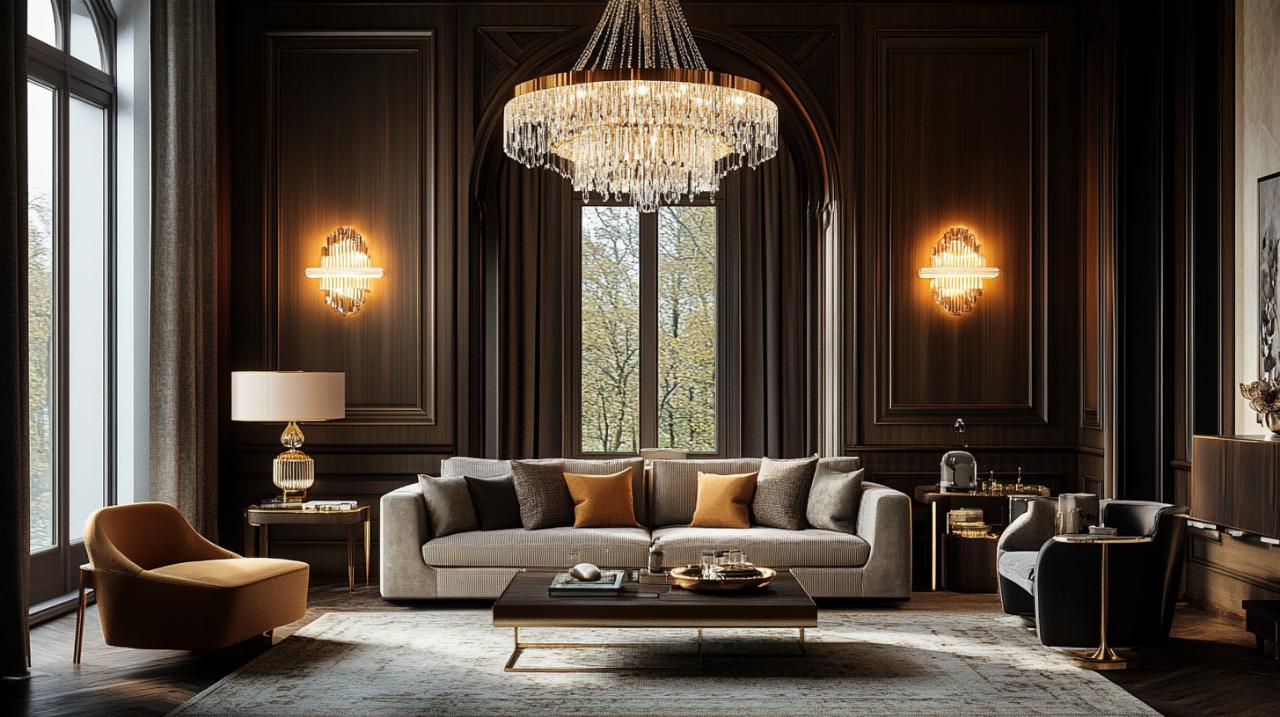
Ceiling lights are not always essential in every lounge, particularly if the room enjoys ample natural daylight or if you prefer a more intimate, lamp-lit ambience. However, they can serve as striking statement pieces that define the character of the space. Directional downlights positioned around the room's perimeter can soften the overall illumination, avoiding the harsh glare that a single central fixture might produce. Wall sconces, meanwhile, are excellent for framing features such as fireplaces, mirrors, or artwork. They can also be installed with extendable arms to function as reading lights or wired into bookshelves to highlight your favourite volumes. Candle sconces, though less common in modern settings, offer a charming and dynamic source of light that adds warmth and character to any lounge.
The Benefits of LED Technology in Modern Living Spaces
Energy Efficiency and Cost Savings with LED Options
LED bulbs have revolutionised the way we approach lighting in the home, offering significant advantages in terms of energy efficiency and cost savings. Unlike traditional incandescent bulbs, LEDs consume far less electricity whilst providing the same, if not better, levels of brightness. This reduction in energy use translates directly into lower utility bills, making them an economically sound choice for households looking to reduce their environmental footprint. Furthermore, LED bulbs have a much longer lifespan, often lasting many years before needing replacement. This longevity not only reduces waste but also minimises the inconvenience and expense of frequent bulb changes, allowing you to enjoy consistent, reliable illumination in your lounge.
Exploring the Range of Hues and Colour Temperatures Available
One of the most appealing aspects of LED technology is the wide range of hues and colour temperatures available, enabling you to tailor the lighting in your lounge to suit your personal preferences and the desired ambience. From warm, golden tones that evoke a sense of cosiness and relaxation to cooler, crisper whites that enhance concentration and clarity, the choice of colour temperature can dramatically alter the feel of a room. It is important to note that when using dimmers, you should ensure that the LED bulbs you select are compatible to avoid flickering or reduced performance. Additionally, replacing all LED bulbs at once ensures uniformity in colour and brightness, maintaining a cohesive and harmonious lighting scheme throughout your living space.
Statement Pieces: Suspension Fixtures and Chandeliers as Focal Points
Selecting the Right Chandelier to Complement Your Interior Design
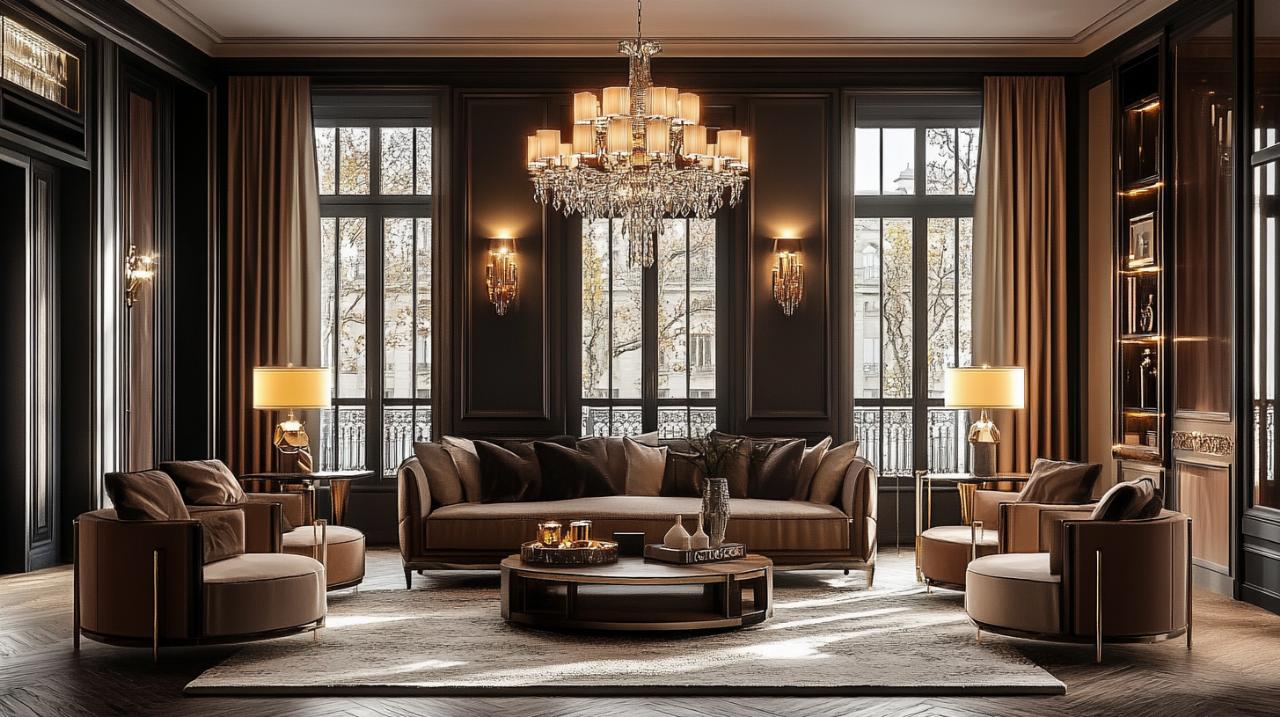
A chandelier can serve as a magnificent focal point in your lounge, drawing the eye upwards and adding a touch of elegance and grandeur to the space. When selecting a chandelier, it is crucial to consider the size of your room to ensure the fixture is proportionate and does not overwhelm or underwhelm the space. For a small lounge measuring under ten feet by ten feet, a chandelier between seventeen and twenty inches wide is generally recommended. Medium-sized rooms, around twelve feet by twelve feet, benefit from fixtures that are twenty-two to twenty-seven inches wide, whilst larger lounges of fourteen feet by fourteen feet or more can accommodate chandeliers ranging from twenty-four to thirty-two inches in width. A useful formula to guide your selection is to add the room's length and width in feet, with the sum providing the recommended chandelier width in inches. It is also essential to verify that your ceiling can support the weight of the fixture, particularly with larger or more ornate designs.
Pendant lights: combining functionality with visual appeal
Pendant lights offer a versatile and stylish alternative to traditional chandeliers, combining functionality with visual appeal. These fixtures are particularly effective when used in multiples, suspended at varying heights to create a dynamic and layered effect. In a lounge, pendant lights can be positioned over a coffee table, dining area, or reading nook, providing focused illumination whilst serving as an attractive design element. The choice of pendant style, from sleek and modern to vintage and ornate, allows you to express your personal aesthetic and complement the existing decor. When installing pendant lights, it is important to consider the height at which they hang, as incorrect placement can disrupt the visual balance of the room and impair their functionality. Ensuring that the lights are neither too low nor too high will maximise both their practical and decorative impact.
Light Temperature and Its Impact on the Ambience of Your Lounge
Warm white versus cool white: choosing the right tone
The temperature of the light you choose plays a significant role in shaping the ambience of your lounge. Warm white light, with its soft, golden glow, is ideal for creating a relaxed and inviting atmosphere, perfect for unwinding after a long day or hosting intimate gatherings. Cool white light, by contrast, offers a brighter, more energising quality that can enhance focus and clarity, making it suitable for activities that require concentration. The decision between warm and cool white should be guided by the primary purpose of the room and the mood you wish to evoke. Many homeowners find that a combination of both, used in different layers or zones within the lounge, provides the flexibility to adapt the lighting to various occasions and times of day.
How colour temperature influences mood and comfort
Colour temperature is measured in Kelvin, with lower values corresponding to warmer, more amber tones and higher values indicating cooler, bluer hues. In a lounge setting, warm colour temperatures, typically ranging from two thousand seven hundred to three thousand Kelvin, promote a sense of comfort and tranquillity. These tones are particularly effective in spaces where relaxation and socialising are the primary activities. Cooler temperatures, around four thousand to five thousand Kelvin, can make a room feel more spacious and vibrant, though they may be less conducive to relaxation if overused. Understanding the psychological and emotional impact of colour temperature allows you to curate a lighting scheme that not only meets your practical needs but also enhances the overall comfort and enjoyment of your living space.
Practical Advice for Selecting Bulbs and Fixtures Based on Room Requirements
Matching Fixture Size and Brightness to Your Lounge Dimensions
Selecting the right size and brightness of lighting fixtures is essential for achieving a balanced and harmonious lounge. Oversized fixtures in a small room can feel oppressive and out of place, whilst undersized lights in a large space may fail to provide adequate illumination or make the desired visual impact. In addition to the general guidelines for chandelier sizing, it is important to consider the height of your ceilings. For lower ceilings, flush mount or semi-flush lights are recommended, as they sit closer to the ceiling and maximise headroom. In rooms with higher ceilings, larger chandeliers or oversized pendant lights can be used to draw the eye upwards and create a sense of grandeur. The brightness of your fixtures should also be tailored to the room's dimensions and the amount of natural light it receives, ensuring that the space is neither too dim nor overly bright.
Creating the Desired Mood: Examples for Relaxation and Entertaining
The lighting in your lounge should be adaptable to the various activities and moods you wish to create. For a relaxed evening at home, consider using a combination of table lamps and floor lamps with warm white bulbs, paired with dimmers to allow for precise control over the brightness. This setup provides a soft, ambient glow that is perfect for unwinding with a book or enjoying quiet conversation. When entertaining guests, you may wish to increase the ambient lighting with ceiling lights or wall sconces, ensuring that the room is bright and welcoming. Accent lighting can be used to highlight decorative features or artwork, adding a touch of sophistication and visual interest. By experimenting with different combinations and intensities of light, you can create a versatile lighting scheme that enhances every occasion, from intimate family gatherings to lively social events.
Innovative illumination sources and safe design practices
Experimenting with Contemporary and Smart Lighting Solutions
Advancements in lighting technology have opened up exciting new possibilities for those looking to experiment with contemporary and smart lighting solutions. Smart lighting systems allow you to control your fixtures remotely via smartphone or voice commands, offering unparalleled convenience and flexibility. You can adjust brightness, change colour temperatures, and even set schedules to ensure your lounge is always illuminated to your exact preferences. These systems can also integrate with other smart home devices, creating a cohesive and responsive living environment. When exploring innovative lighting options, it is important to test and experiment before finalising your choices, ensuring that the new fixtures and technologies work harmoniously with your existing decor and meet your practical needs.
Ensuring Safety in Lighting Design, Particularly in Family Homes
Safety should always be a paramount consideration when designing your lounge lighting, particularly in homes with children. Ensuring that fixtures are securely installed and that ceilings can support the weight of larger chandeliers or pendant lights is essential to prevent accidents. It is also important to use materials that are suitable for the room's environment, avoiding fixtures that may become hot to the touch in areas where they could be easily reached by curious hands. Checking that lampshade linings do not cause excessive heat buildup and that all electrical components are correctly wired and compliant with safety standards will help to create a safe and comfortable living space. Additionally, avoiding common mistakes such as using incompatible bulbs with dimmers or hanging lights at incorrect heights will enhance both the safety and effectiveness of your lighting scheme. By taking a thoughtful and informed approach to lighting design, you can create a lounge that is not only beautiful and functional but also safe for all members of your household.