Transforming your home into a sanctuary that reflects the tranquillity and charm of rural life is an art in itself. Whether you reside in a countryside cottage or simply wish to infuse your living space with the warmth of farmhouse aesthetics, the manner in which you display artwork and photographs plays a pivotal role. Crafting a gallery wall or arranging your treasured pieces requires thoughtful consideration, from selecting the right frames to balancing colours and themes. This guide offers practical insights to help you create arrangements that not only enhance your interior design but also celebrate the spirit of country living.
Choosing and Positioning Artwork for Rural Spaces
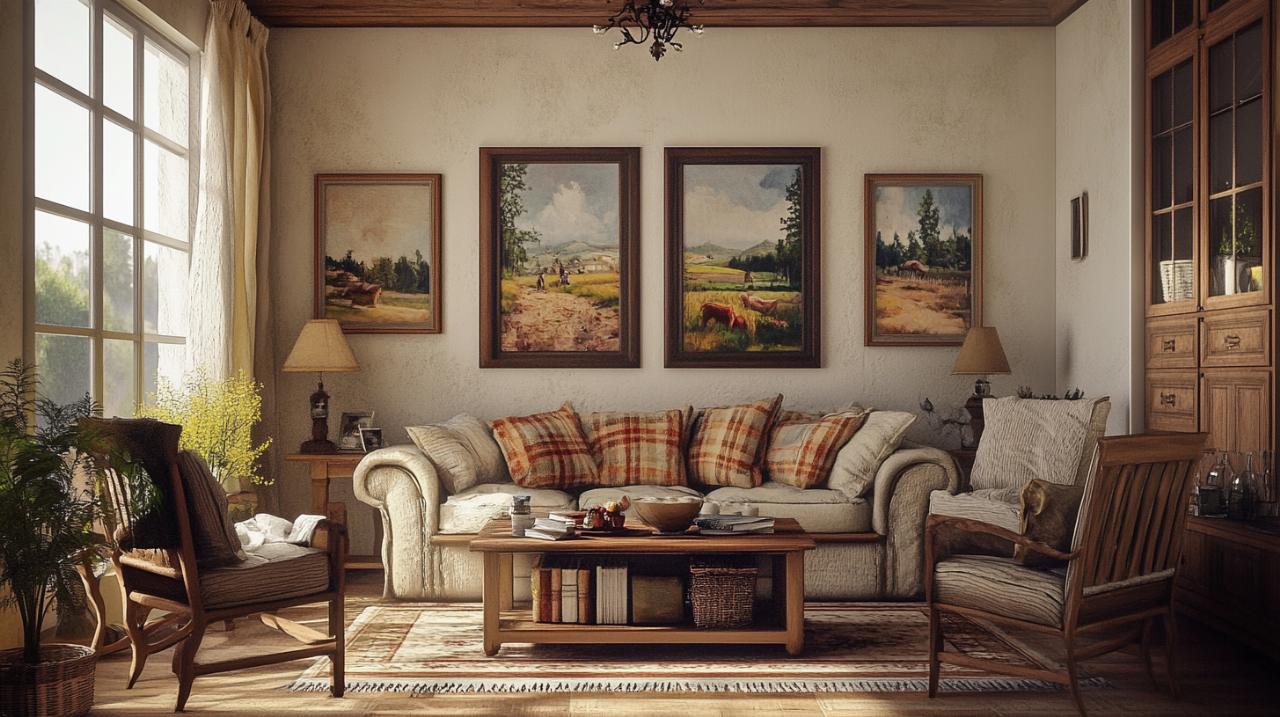
When curating artwork for a home inspired by the countryside, the first step is to ensure that your chosen pieces resonate with the natural beauty surrounding you. The colours within your paintings should echo the earthy tones and gentle hues found in rural landscapes. If your interiors feature warm browns, soft greens, or muted creams, seek out artwork that mirrors these shades. This approach creates a seamless visual connection between your walls and the overall ambience of your space, fostering a sense of harmony that is both calming and inviting.
Selecting complementary colours and natural hues
Colour coordination is essential when building a cohesive display. Rather than opting for bold contrasts that might disrupt the serene atmosphere of a farmhouse-inspired room, focus on pieces that blend naturally with your existing palette. Consider artworks depicting pastoral scenes, botanical prints, or abstract compositions in subdued tones. By selecting items that share a common colour family, you ensure that each piece contributes to a unified aesthetic rather than competing for attention. This thoughtful selection process not only enhances the visual appeal of your gallery wall but also reinforces the tranquil character of your rural retreat.
Understanding Scale and Spatial Arrangement in Larger Rooms
The size and scale of your artwork are equally important, particularly in rooms with generous proportions. In larger spaces, a single bold painting can serve as a striking focal point, drawing the eye and anchoring the room. Alternatively, grouping smaller works together in a gallery-style arrangement encourages exploration and invites viewers to appreciate each piece individually. When planning your layout, balance is key. Distribute larger and smaller items evenly across the wall to avoid a cluttered or lopsided appearance. This method creates a pleasant flow that guides the viewer through your collection, making the display feel both intentional and effortless.
Optimal hanging techniques and light considerations
Once you have selected your artwork, the next challenge is to position it correctly. Proper hanging techniques ensure that your pieces are displayed to their best advantage, while careful attention to lighting protects your collection from damage and enhances its beauty.
Hanging at Eye Level for Maximum Appreciation
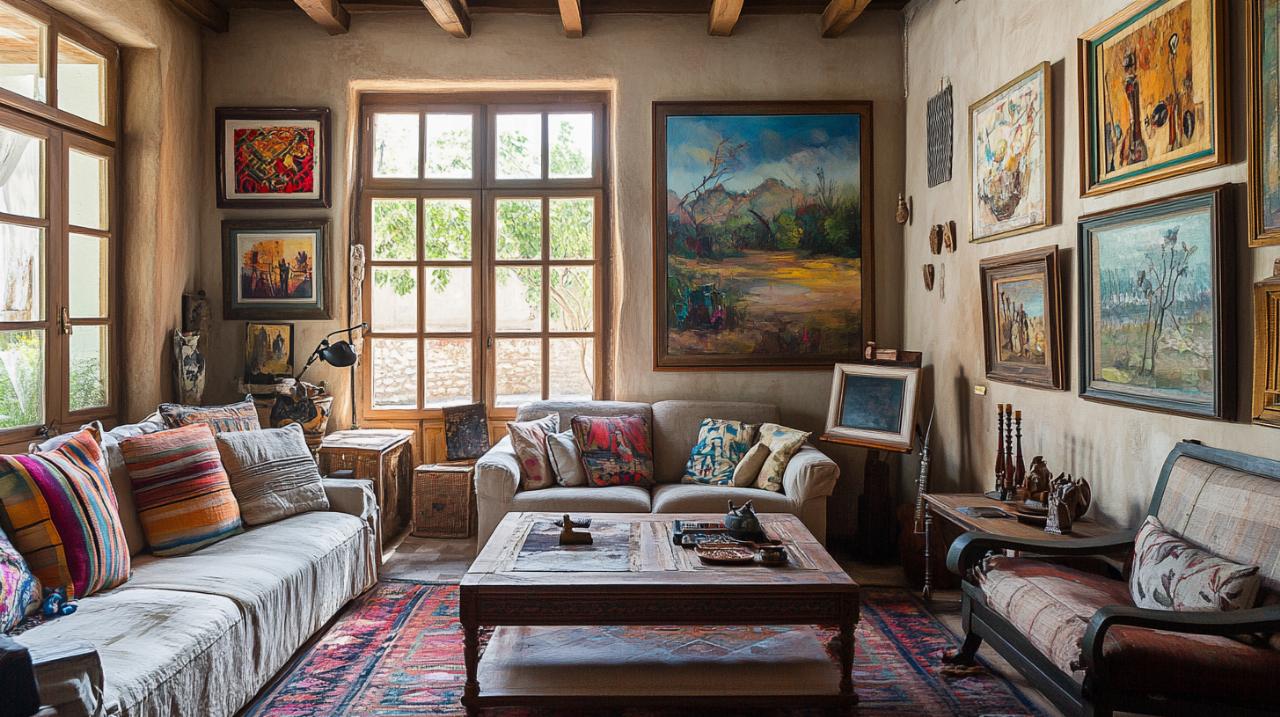
A fundamental rule of thumb when hanging artwork is to position it at eye level. This ensures that each piece is easily seen and appreciated without requiring viewers to strain or adjust their posture. For most rooms, this means placing the centre of the artwork approximately sixty inches from the floor, though you may adjust slightly depending on the height of your ceilings and the overall proportions of the space. When creating a gallery wall, use butcher paper to trace the shapes of your frames and cut out templates. Arrange these cut-outs on the wall using painter's tape to experiment with different configurations before committing to a final layout. This method allows you to visualise the arrangement and make adjustments without leaving unnecessary holes in your walls.
Managing natural light exposure to protect your collection
While natural light can beautifully illuminate your artwork, it is important to manage exposure carefully. Direct sunlight can cause colours to fade over time, diminishing the vibrancy and detail of your pieces. Position your artwork in areas that benefit from ambient light rather than harsh, direct rays. If your room receives abundant sunlight, consider using curtains or blinds to diffuse the light during the brightest parts of the day. This precaution helps preserve the integrity of your collection while still allowing you to enjoy the warmth and brightness that natural light brings to your home.
Enhancing Your Display with Rustic Frames and Country Accents
The finishing touches you apply to your gallery wall can elevate the entire display, adding character and charm that reflects the rustic elegance of country living. From selecting the right frames to incorporating handcrafted accents, these details make all the difference.
Choosing wooden frames to match your rural aesthetic
Rustic wooden frames are a natural choice for farmhouse decorating. Their warm tones and textured finishes complement the organic feel of rural interiors, drawing attention to your artwork without overwhelming it. When selecting frames, aim for similar styles and finishes to create a cohesive look across your display. Whether you prefer distressed wood with a weathered patina or smooth, natural timber, consistency in framing helps tie your collection together. This uniformity allows the artwork itself to shine while reinforcing the overall aesthetic of your space.
Accessorising with Wildflowers and Handcrafted Elements
Beyond the frames, consider accessorising your display with elements that evoke the charm of the countryside. Wildflowers arranged in simple vases, handcrafted ceramics, or vintage finds can add a welcoming touch that complements your gallery wall. These accents not only enhance the visual appeal of your arrangement but also create a warm, lived-in atmosphere that resonates with the spirit of rural life. By blending your art collection with thoughtfully chosen decorative pieces, you craft a space that feels both personal and inviting, celebrating the beauty of the natural world and the joy of home decoration.