{ “title”: “Exploring the Latest Home Décor Trends with Electrical Enhancements”, “full_text”: “
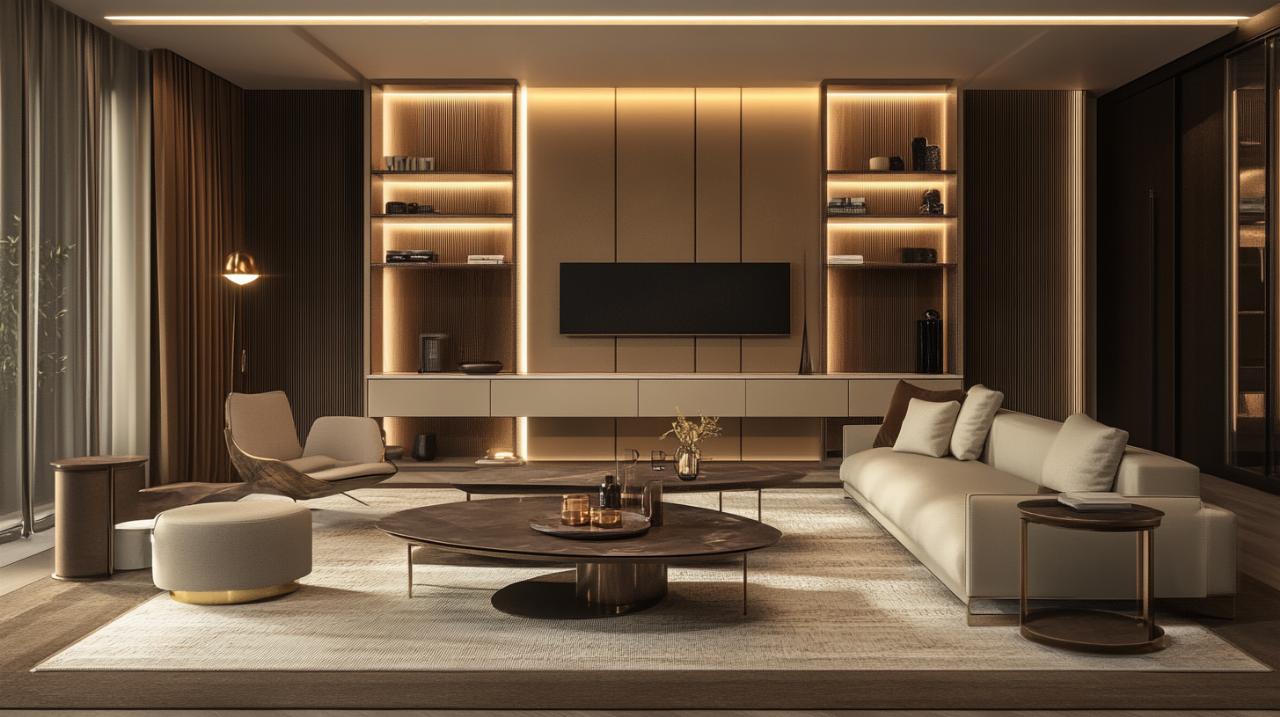
Modern interiors are experiencing a remarkable transformation as homeowners increasingly seek to blend aesthetic appeal with technological innovation. The intersection of design and functionality has never been more pronounced, with electrical enhancements playing a pivotal role in shaping contemporary living spaces. As we navigate through an era defined by both style and sustainability, understanding how to integrate these elements seamlessly into our homes has become essential for creating environments that are not only visually striking but also remarkably efficient.
Smart lighting solutions transforming modern interiors
The evolution of lighting technology has fundamentally altered the way we approach interior design, offering unprecedented control over ambiance and atmosphere. Contemporary lighting solutions extend far beyond simple illumination, serving as dynamic design elements that can dramatically transform any room. The integration of intelligent systems allows homeowners to adjust lighting levels, colour temperatures, and even the direction of light sources through intuitive interfaces that respond to both lifestyle needs and aesthetic preferences. This technological advancement has made it possible to create layered lighting schemes that enhance architectural features whilst providing practical functionality for daily activities.
Voice-controlled ambient lighting systems for contemporary living spaces
Voice-activated lighting represents one of the most significant advances in home décor trends, offering an effortless way to manage illumination throughout the home. These systems integrate seamlessly with existing smart home ecosystems, allowing residents to adjust lighting without interrupting their activities or reaching for switches. The convenience of verbal commands extends to creating pre-programmed scenes that can shift from bright task lighting to soft ambient glows suitable for relaxation or entertainment. Such systems also contribute to energy efficiency by making it easier to ensure lights are switched off when rooms are unoccupied, whilst simultaneously enhancing the overall user experience through intuitive control mechanisms.
Energy-efficient led installations and colour-changing technology
LED technology has revolutionised home lighting by combining exceptional energy efficiency with remarkable versatility in design applications. Modern LED installations consume significantly less electricity than traditional lighting solutions whilst offering extended lifespans that reduce both maintenance requirements and long-term costs. The ability to change colours dynamically has opened new possibilities for personalising spaces according to mood, occasion, or time of day. Homeowners can now select from millions of colour variations to complement their interior schemes, creating dramatic focal points or subtle background lighting that enhances the character of individual rooms. These installations support sustainability goals by reducing energy consumption whilst simultaneously providing the flexibility needed to adapt spaces for different purposes throughout the day.
Integrated smart home technology for stylish living
The incorporation of comprehensive smart home systems has become increasingly sophisticated, moving beyond isolated devices to create fully integrated environments that respond intelligently to occupant needs. Modern installations focus on creating cohesive ecosystems where lighting, climate control, security, and entertainment systems work in concert to enhance comfort and convenience. The emphasis on integration ensures that technology enhances rather than detracts from interior aesthetics, with many solutions designed to remain discreet or blend seamlessly into architectural elements. This approach allows homeowners to enjoy cutting-edge functionality without compromising the visual integrity of their carefully curated spaces.
Automated electrical systems and wireless control features
Automation has transformed residential electrical systems from static infrastructure into responsive networks that adapt to daily routines and preferences. Wireless control features eliminate the need for extensive rewiring, making it possible to retrofit older properties with modern capabilities whilst preserving their original character. These systems can manage everything from heating schedules to window coverings, creating comfortable environments that anticipate occupant needs throughout the day. The reduction in visible wiring and control panels contributes to cleaner, more minimalist interiors that align with contemporary design principles emphasising simplicity and functionality. Smart thermostats and automated climate controls not only enhance comfort but also contribute significantly to energy efficiency by optimising heating and cooling based on occupancy patterns and external weather conditions.
Modernising period properties with discreet electrical upgrades
Updating historic homes presents unique challenges that require balancing modern electrical requirements with the preservation of architectural heritage. Discreet electrical upgrades allow homeowners to incorporate contemporary conveniences without compromising the character of period properties. Wireless technologies prove particularly valuable in these situations, reducing the need for invasive installation work that might damage original features or require unsightly surface-mounted conduits. Careful planning ensures that modern electrical accessories blend harmoniously with traditional aesthetics, often utilising period-appropriate finishes for switches and outlets whilst concealing the sophisticated technology behind them. This thoughtful approach enables residents of older properties to enjoy the benefits of smart home integration, improved lighting, and enhanced energy efficiency whilst maintaining the authentic charm that makes these buildings so distinctive. The growing emphasis on sustainability has made such upgrades increasingly important, as improved insulation, efficient heating systems, and optimised electrical installations help reduce the environmental impact of period properties without compromising their historical significance.
Modern interiors are experiencing a remarkable transformation as homeowners increasingly seek to blend aesthetic appeal with technological innovation. The intersection of design and functionality has never been more pronounced, with electrical enhancements playing a pivotal role in shaping contemporary living spaces. As we navigate through an era defined by both style and sustainability, understanding how to integrate these elements seamlessly into our homes has become essential for creating environments that are not only visually striking but also remarkably efficient.
Smart lighting solutions transforming modern interiors
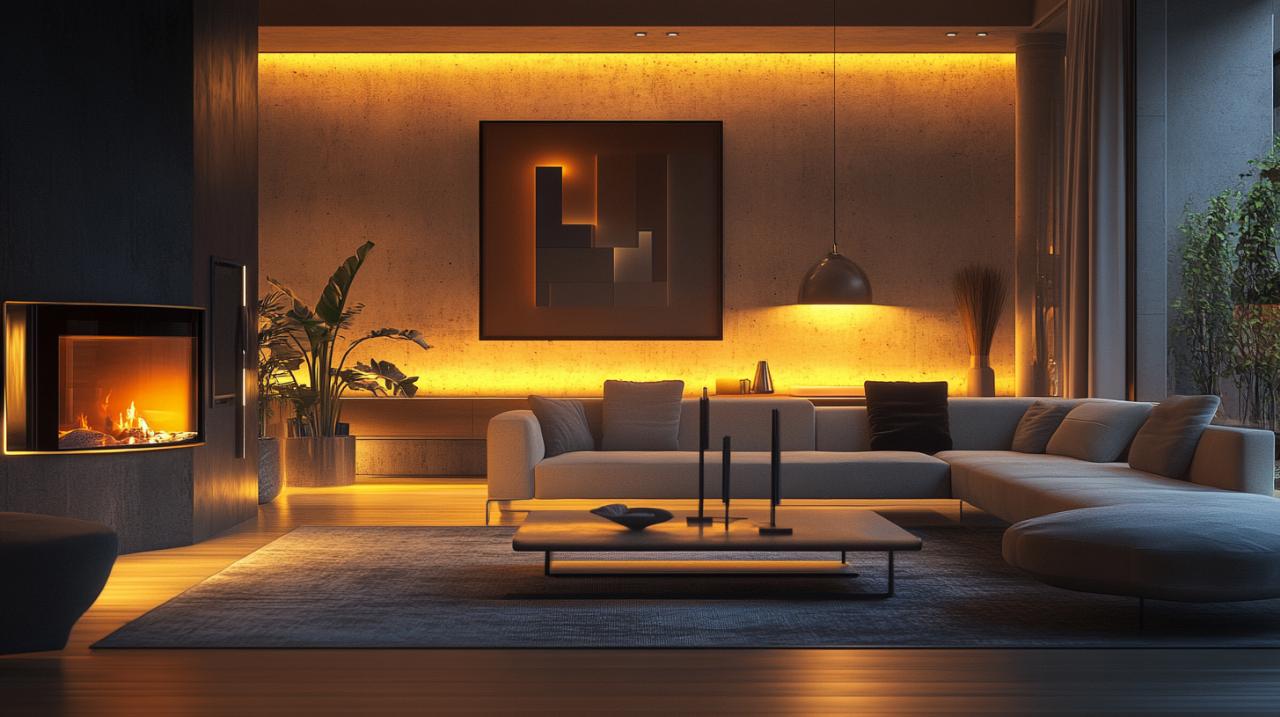
The evolution of lighting technology has fundamentally altered the way we approach interior design, offering unprecedented control over ambiance and atmosphere. Contemporary lighting solutions extend far beyond simple illumination, serving as dynamic design elements that can dramatically transform any room. The integration of intelligent systems allows homeowners to adjust lighting levels, colour temperatures, and even the direction of light sources through intuitive interfaces that respond to both lifestyle needs and aesthetic preferences. This technological advancement has made it possible to create layered lighting schemes that enhance architectural features whilst providing practical functionality for daily activities.
Voice-controlled ambient lighting systems for contemporary living spaces
Voice-activated lighting represents one of the most significant advances in home décor trends, offering an effortless way to manage illumination throughout the home. These systems integrate seamlessly with existing smart home ecosystems, allowing residents to adjust lighting without interrupting their activities or reaching for switches. The convenience of verbal commands extends to creating pre-programmed scenes that can shift from bright task lighting to soft ambient glows suitable for relaxation or entertainment. Such systems also contribute to energy efficiency by making it easier to ensure lights are switched off when rooms are unoccupied, whilst simultaneously enhancing the overall user experience through intuitive control mechanisms.
Energy-efficient led installations and colour-changing technology
LED technology has revolutionised home lighting by combining exceptional energy efficiency with remarkable versatility in design applications. Modern LED installations consume significantly less electricity than traditional lighting solutions whilst offering extended lifespans that reduce both maintenance requirements and long-term costs. The ability to change colours dynamically has opened new possibilities for personalising spaces according to mood, occasion, or time of day. Homeowners can now select from millions of colour variations to complement their interior schemes, creating dramatic focal points or subtle background lighting that enhances the character of individual rooms. These installations support sustainability goals by reducing energy consumption whilst simultaneously providing the flexibility needed to adapt spaces for different purposes throughout the day.
Integrated smart home technology for stylish living
The incorporation of comprehensive smart home systems has become increasingly sophisticated, moving beyond isolated devices to create fully integrated environments that respond intelligently to occupant needs. Modern installations focus on creating cohesive ecosystems where lighting, climate control, security, and entertainment systems work in concert to enhance comfort and convenience. The emphasis on integration ensures that technology enhances rather than detracts from interior aesthetics, with many solutions designed to remain discreet or blend seamlessly into architectural elements. This approach allows homeowners to enjoy cutting-edge functionality without compromising the visual integrity of their carefully curated spaces.
Automated electrical systems and wireless control features
Automation has transformed residential electrical systems from static infrastructure into responsive networks that adapt to daily routines and preferences. Wireless control features eliminate the need for extensive rewiring, making it possible to retrofit older properties with modern capabilities whilst preserving their original character. These systems can manage everything from heating schedules to window coverings, creating comfortable environments that anticipate occupant needs throughout the day. The reduction in visible wiring and control panels contributes to cleaner, more minimalist interiors that align with contemporary design principles emphasising simplicity and functionality. Smart thermostats and automated climate controls not only enhance comfort but also contribute significantly to energy efficiency by optimising heating and cooling based on occupancy patterns and external weather conditions.
Modernising period properties with discreet electrical upgrades
Updating historic homes presents unique challenges that require balancing modern electrical requirements with the preservation of architectural heritage. Discreet electrical upgrades allow homeowners to incorporate contemporary conveniences without compromising the character of period properties. Wireless technologies prove particularly valuable in these situations, reducing the need for invasive installation work that might damage original features or require unsightly surface-mounted conduits. Careful planning ensures that modern electrical accessories blend harmoniously with traditional aesthetics, often utilising period-appropriate finishes for switches and outlets whilst concealing the sophisticated technology behind them. This thoughtful approach enables residents of older properties to enjoy the benefits of smart home integration, improved lighting, and enhanced energy efficiency whilst maintaining the authentic charm that makes these buildings so distinctive. The growing emphasis on sustainability has made such upgrades increasingly important, as improved insulation, efficient heating systems, and optimised electrical installations help reduce the environmental impact of period properties without compromising their historical significance.