Creating a vegetable patch that thrives without battling nature might sound like a tall order, but it's entirely achievable with the right approach and a touch of creative thinking. Rather than viewing insects and wildlife as adversaries, you can design your growing space to work in harmony with the natural world, encouraging beneficial creatures whilst gently discouraging those that might nibble your prize courgettes. This philosophy transforms your garden into a vibrant ecosystem where every plant, insect, and bird plays a role in maintaining balance. By carefully planning your layout and choosing companion plants wisely, you'll find that pest problems diminish naturally, leaving you with more time to enjoy your harvest and less time fretting over chemical sprays or constant vigilance.
Planning Your Vegetable Patch with Natural Pest Deterrents in Mind
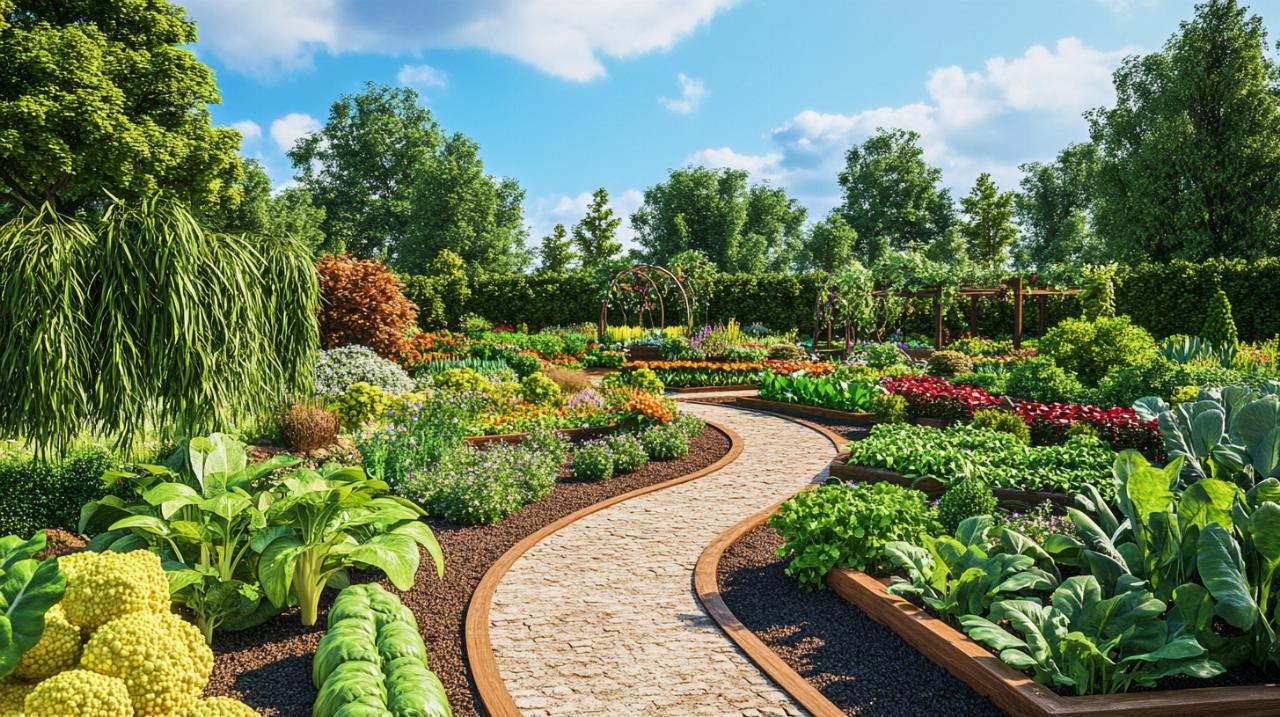
Before you even pick up a spade, it's worth spending time thinking about how your garden layout can support natural pest control from the outset. A potager garden offers a brilliant starting point, blending ornamental plants with vegetables and herbs in a way that's both beautiful and productive. This French-style garden approach isn't just about aesthetics; it creates a diverse environment that confuses pests and attracts beneficial insects. When you mix flowers, herbs, and vegetables together, you're essentially creating a puzzle for unwanted visitors, making it harder for them to locate their favourite crops. The key is to select a sunny spot with healthy soil, sheltered from harsh winds and frost, as stressed plants become easy targets for pests. Having water nearby is essential, and collecting rainwater in a water butt provides a sustainable solution whilst keeping your plants hydrated and resilient.
Companion planting layouts that keep unwanted visitors at bay
Companion planting is one of the most elegant ways to discourage pests without lifting a finger beyond the initial design. Certain plants naturally repel specific insects or attract beneficial predators that keep pest populations in check. Nasturtiums, for example, act as sacrificial plants, drawing aphids away from your beans and lettuce. Meanwhile, herbs like basil not only complement your tomatoes in the kitchen but also attract pollinators and helpful insects to your garden. Planting chervil as ground cover between your main crops keeps the soil covered, reducing weed growth and creating a habitat for ground beetles that feast on slugs and other pests. When planning your vegetable patch, think about weaving these helpful partnerships throughout the space rather than grouping vegetables by type. This intermingling approach supports biodiversity and makes it much harder for pest populations to explode, as they struggle to find concentrated patches of their preferred plants.
Creating wildlife corridors whilst protecting your veg
Striking a balance between welcoming wildlife and protecting your vegetables requires thoughtful design. Leaving perennials standing over winter provides habitats and food sources for beneficial insects and birds, which in turn help control pests come spring. Creating deadwood piles in quieter corners of your garden offers shelter for hedgehogs, beetles, and other creatures that contribute to natural pest management. You might also consider widening pathways to accommodate a wheelbarrow whilst creating edges that transition gradually into wilder areas. These transitional zones allow wildlife to move through your garden without trampling your crops, and they provide nesting and hunting grounds for birds that feed on caterpillars and other garden pests. By embracing a bit of wildness at the edges, you're effectively building a support network for your vegetable patch, where nature does much of the pest control work for you.
Design elements that naturally discourage garden pests
The physical structure of your vegetable garden can play a significant role in reducing pest pressure without resorting to chemicals or constant intervention. Thoughtful design choices create barriers, improve plant health, and make your growing space less hospitable to unwanted visitors whilst remaining welcoming to pollinators and beneficial insects. By incorporating elements like raised beds, vertical structures, and carefully chosen borders, you're building resilience into your garden from the ground up.
Incorporating Native Hedgerows and Borders for Beneficial Insects
Native hedgerows and mixed borders around your vegetable patch serve multiple purposes, acting as windbreaks, wildlife corridors, and habitats for beneficial insects all at once. Choosing evergreen herbs and hardy shrubs for these borders provides year-round structure whilst attracting ladybirds, lacewings, and hoverflies that prey on aphids and other pests. Plants that have received the Award of Garden Merit are particularly reliable choices, as they've been tested for performance and resilience in UK conditions. These borders also create microclimates within your garden, offering sheltered spots that allow you to extend your growing season naturally. When you select long-lasting plant combinations that require minimal intervention, you're essentially creating a self-sustaining system where plants support each other and beneficial insects find everything they need to thrive. This approach aligns beautifully with organic gardening principles, as healthy soil and diverse plantings naturally reduce disease and pest problems without chemical inputs.
Using Raised Beds and Vertical Gardens to Minimise Slug Damage
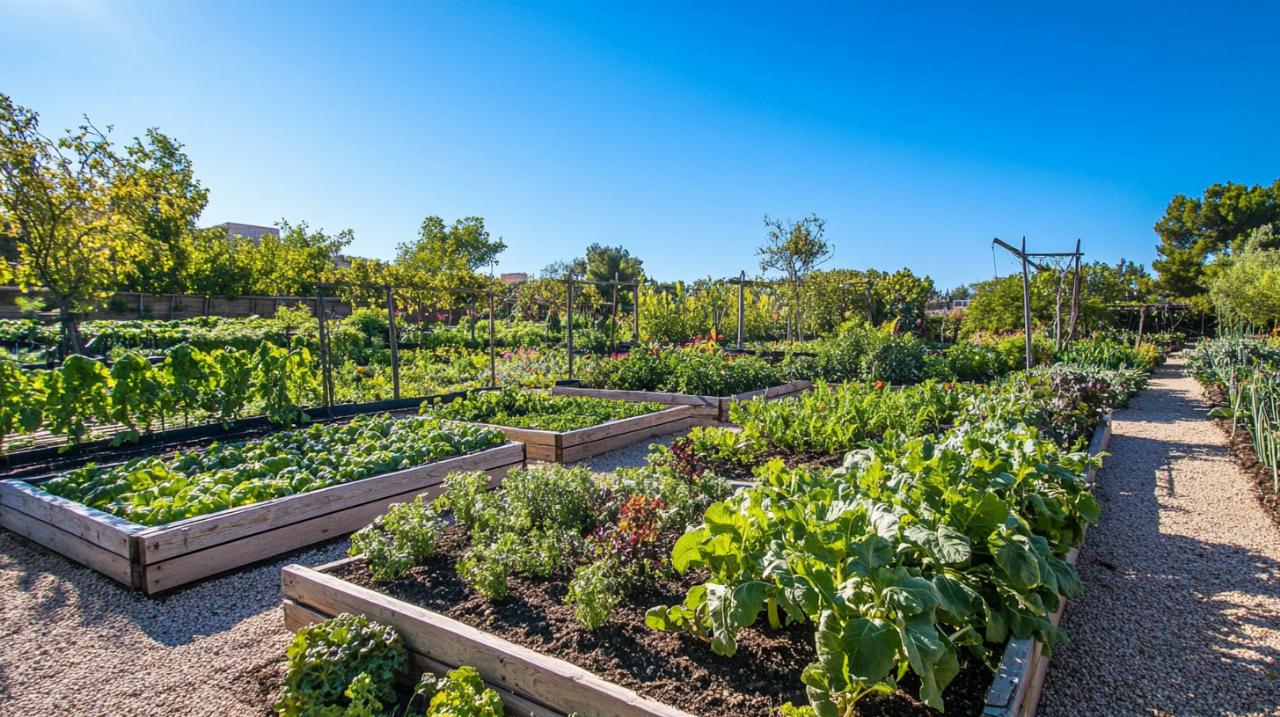
Raised beds are a game-changer when it comes to reducing slug and snail damage, particularly if you're contending with heavy clay or poorly draining soil. Building beds at least six to twelve inches deep using wood, stone, or metal creates a physical barrier that slugs find more challenging to navigate, especially if you add a copper strip around the edge. These elevated growing spaces also warm up faster in spring, giving your plants a head start and stronger root systems that make them less vulnerable to pest damage. Mixing up bed heights creates varied growing environments and improves air circulation, which helps prevent fungal diseases that can weaken plants and make them susceptible to pests. Vertical gardening takes this concept even further, using trellises, hanging planters, and self-clinging climbers to lift crops away from ground-dwelling pests entirely. Cucumbers, beans, and even certain varieties of squash thrive when grown vertically, and you'll find harvesting becomes easier whilst slugs are left hungry at ground level. This approach also makes excellent use of limited space, particularly valuable for urban gardening on balconies or in community gardens where every square inch counts.
Embracing organic methods within your garden blueprint
Organic gardening isn't just about avoiding chemicals; it's a holistic approach that builds soil health, supports biodiversity, and creates a resilient growing environment where pest problems rarely escalate to crisis levels. By integrating organic methods into your garden design from the beginning, you're setting yourself up for years of productive, low maintenance gardening that works with nature rather than against it.
Establishing herb spirals and aromatic perimeters
Herb spirals are both practical and attractive features that fit beautifully into a vegetable garden designed around natural pest control. These spiralling raised structures create multiple microclimates in a compact space, allowing you to grow Mediterranean herbs like rosemary and thyme at the sunny top whilst providing cooler, moister conditions for parsley and chives lower down. The strong aromas from these herbs help mask the scent of vegetables that pests typically target, and many herbs actively repel specific insects whilst attracting beneficial pollinators. Planting aromatic perimeters around your main vegetable beds creates a fragrant barrier that discourages many pests from venturing further. Lavender, sage, and mint all have pest-repelling properties, though you'll want to contain mint in pots to prevent it from taking over. This layered approach to planting mirrors the way plants grow in nature, creating complexity that supports a healthy ecosystem and reduces the likelihood of any single pest becoming dominant.
Building wildlife-friendly features that support natural predators
Encouraging natural predators is perhaps the most effective long-term strategy for managing garden pests, and it requires creating habitats that support these beneficial creatures. Installing bird boxes and feeders attracts songbirds that consume vast quantities of caterpillars, aphids, and other insects during breeding season. Providing shallow water sources helps birds, hedgehogs, and beneficial insects stay hydrated, particularly during dry spells when they might otherwise struggle. Adopting a no dig gardening approach, championed by experts like Charles Dowding, protects soil structure and the countless organisms that contribute to healthy soil and natural pest control. This method involves building soil fertility through composting and mulching rather than turning the earth, which preserves beneficial fungi and bacteria whilst reducing weed seeds and improving moisture retention. Creating brush piles and leaving some areas of your garden a bit wild provides shelter for hedgehogs, slow worms, and ground beetles that hunt slugs and other pests during the night. These creatures are your garden's night shift, working tirelessly whilst you sleep to keep pest populations under control. By designing your garden to support these natural allies, you're building a self-regulating system that requires minimal intervention whilst producing abundant harvests. The beauty of this approach is that it becomes more effective over time as populations of beneficial creatures establish themselves and your soil health improves, creating a virtuous circle of productivity and natural balance.