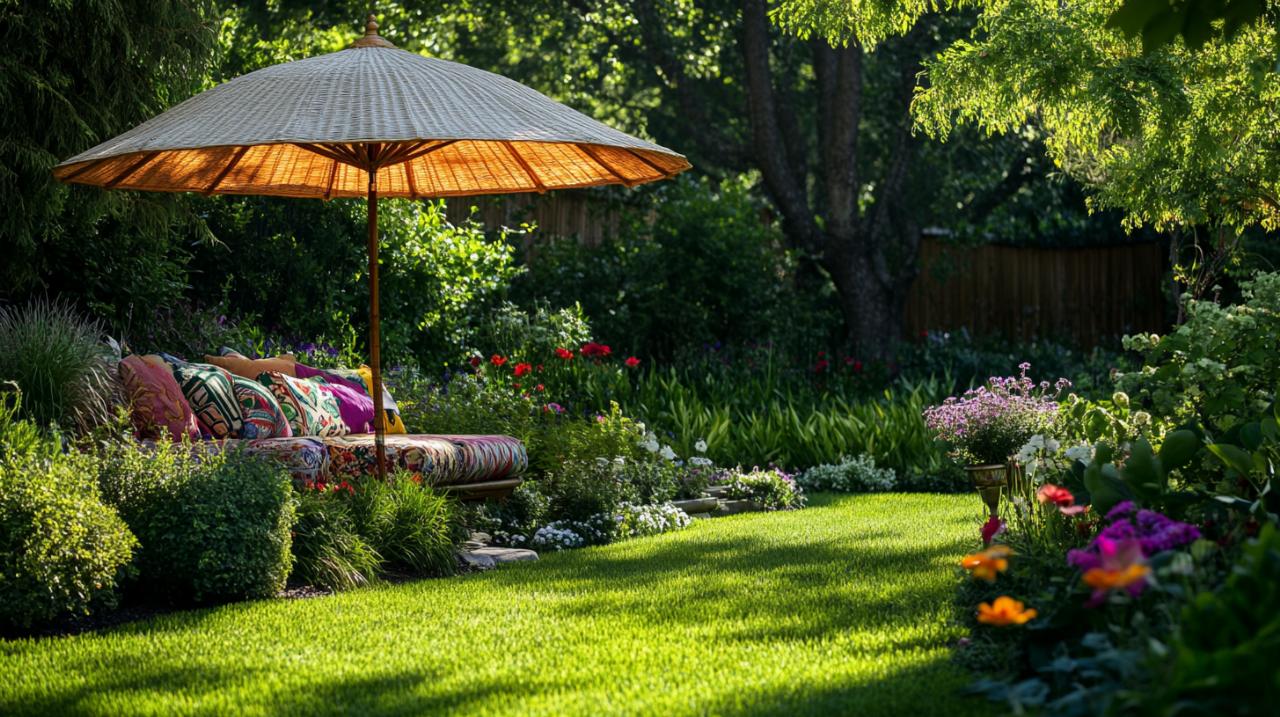
Creating an inviting garden sanctuary requires careful attention to both aesthetics and environmental responsibility. A straw parasol can transform your outdoor space into a retreat that echoes the relaxed atmosphere of coastal resorts whilst aligning with sustainable living values. These charming additions serve a dual purpose, offering functional sun protection and an irresistible tropical allure that makes every moment spent outdoors feel like a holiday. Selecting the right straw parasol involves understanding how natural materials, construction quality, and eco-conscious design come together to enhance your garden, patio, or poolside area.
Understanding the Benefits and Aesthetic Appeal of Straw Parasols
Natural Sun Protection and Tropical Charm for Your Outdoor Space
Straw parasols excel at creating comfortable outdoor environments by providing effective shade from intense sunlight. Unlike synthetic alternatives, these parasols block harmful UV rays whilst allowing gentle breezes to pass through their woven structure, which helps reduce temperatures beneath by as much as ten degrees. This natural cooling effect makes them particularly valuable during warm summer days when patios, balconies, and poolside areas become gathering spots for relaxation and socialising. The organic materials used in their construction also offer a unique visual warmth that complements garden furniture beautifully, creating an atmosphere reminiscent of beachside resorts without requiring travel beyond your own garden gate.
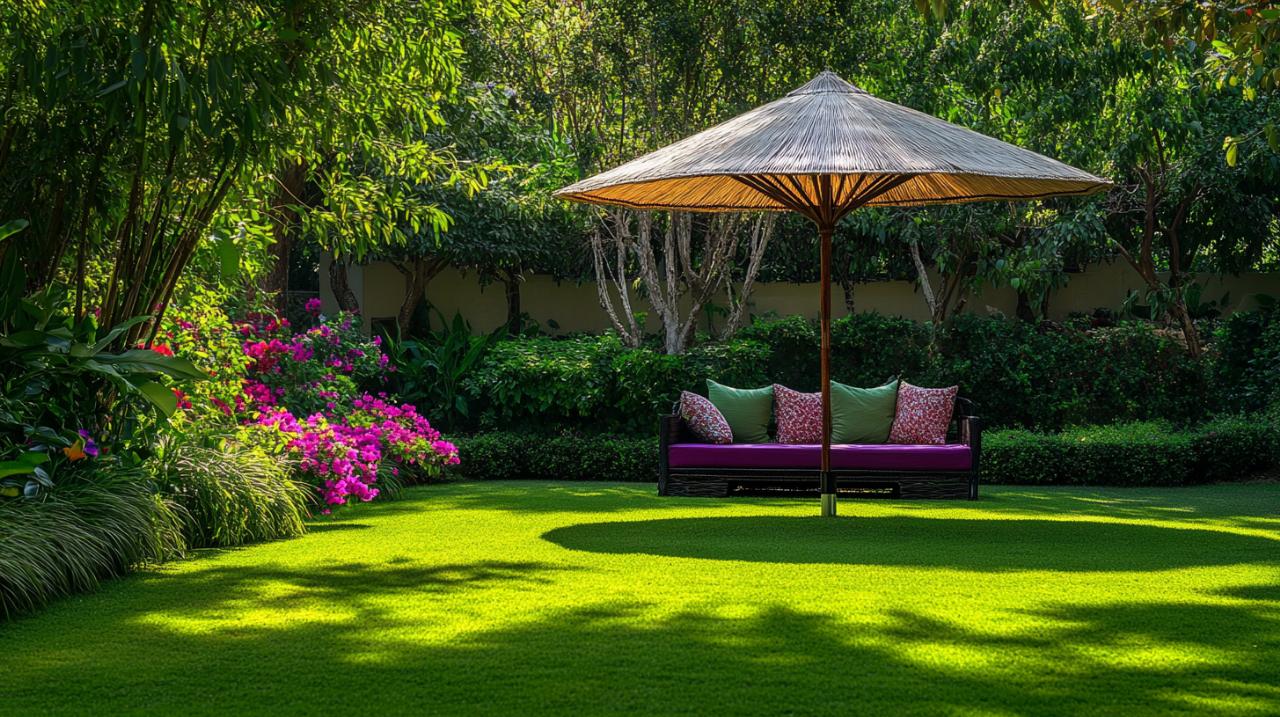
The charm of a straw parasol extends beyond mere functionality. These structures instantly evoke images of exotic destinations, transforming ordinary outdoor spaces into visually appealing retreats. Whether positioned beside loungers, over bistro sets, or anchoring a dining area, their presence introduces an element of escapism that enhances the enjoyment of outdoor living. The textures and natural hues of reed and similar materials blend harmoniously with greenery and garden lighting, creating cohesive outdoor schemes that feel both intentional and effortless.
Why Reed and Natural Materials Create an Authentic Resort Experience
Reed and other natural fibres bring an authenticity to garden design that synthetic materials struggle to replicate. The organic variations in colour and texture within each parasol contribute to a handcrafted appearance that suggests quality and attention to detail. This authenticity resonates particularly well in contemporary garden design, where blending natural elements with outdoor furniture has become increasingly popular. The woven structure of straw parasols creates patterns of dappled light that shift throughout the day, adding visual interest whilst maintaining effective shade coverage.
Choosing parasols constructed from reed supports traditional craftsmanship and often involves materials that grow abundantly and regenerate quickly. These natural resources require minimal processing compared to synthetic alternatives, resulting in products that carry a smaller environmental footprint from production through to eventual disposal. Many natural parasols also age gracefully, developing a weathered patina that adds character rather than detracting from their appearance, which means they can serve outdoor spaces beautifully for multiple seasons when properly maintained.
Essential features to consider when selecting your straw parasol
Evaluating Tiltable Mechanisms and Sturdy Rib Construction for Versatility
The practical value of any garden parasol depends significantly on its adjustment capabilities. Tiltable mechanisms allow you to angle the canopy throughout the day as the sun moves across the sky, ensuring continuous shade where it is needed most. This feature proves particularly valuable for parasols positioned over dining sets or loungers, where maintaining comfortable shade for extended periods enhances the usability of outdoor spaces. When examining tiltable options, consider the ease of operation, as smooth crank and tilt systems make adjustments simple even during gatherings when repositioning might be needed frequently.
The construction quality of the rib structure determines both the parasol's durability and its ability to withstand typical British weather conditions. Sturdy ribs made from materials such as aluminium, wood, or steel provide the framework that supports the straw canopy. Aluminium frames offer lightweight construction combined with rust-resistant properties, making them suitable for areas exposed to moisture. Wooden frames contribute to the natural aesthetic whilst requiring occasional maintenance to preserve their appearance. Steel options deliver exceptional strength for larger parasols or locations with greater wind exposure, though they benefit from rust-resistant treatments to ensure longevity in variable weather conditions.
Balancing Quality, Lifespan, and Price for Long-Term Value
Investment in outdoor furniture requires careful consideration of how initial costs relate to expected lifespan and ongoing satisfaction. Straw parasols occupy a broad price spectrum, with budget-friendly options starting around thirty pounds whilst premium models designed for commercial environments can exceed five thousand pounds. For residential gardens, the middle range typically offers the best balance between quality construction and reasonable pricing. Factors influencing price include the size of the canopy, complexity of operating mechanisms, quality of frame materials, and the density and treatment of natural fibres used in the canopy.
Assessing long-term value involves looking beyond the purchase price to consider maintenance requirements and expected durability. Quality straw parasols should feature weather-resistant construction that tolerates exposure to rain and sunshine without rapid deterioration. Protective covers extend lifespan significantly by shielding the parasol during periods of non-use or harsh weather. Regular cleaning to remove accumulated dirt and inspection for damage helps identify minor issues before they compromise structural integrity. Many retailers offer guarantees ranging from one year to five years, which provides assurance regarding construction quality and manufacturer confidence in their products.
Making an Environmentally Conscious Choice for Your Garden Sanctuary
Selecting sustainable materials that support eco-friendly outdoor living
Environmental sustainability increasingly influences purchasing decisions for outdoor living products. Straw parasols naturally align with eco-friendly values when constructed from renewable resources such as reed, bamboo, or sustainably harvested grasses. These materials grow rapidly and require minimal agricultural inputs compared to resource-intensive alternatives. The production processes for natural parasols typically involve less energy consumption and generate fewer emissions than manufacturing synthetic canopies from polyester or other petroleum-based fabrics.
Supporting environmental sustainability extends to considering the complete lifecycle of garden products. Natural straw parasols eventually biodegrade at the end of their useful life, avoiding the persistent waste associated with synthetic materials. This characteristic makes them particularly appealing for gardeners committed to reducing their environmental impact. When selecting a parasol, enquire about the sourcing of materials and any certifications that verify sustainable harvesting practices. Some manufacturers provide transparency regarding their supply chains, which helps consumers make informed decisions that reflect their environmental values.
Where to Find Quality Straw Parasols for Patios, Balconies, and Poolside Relaxation
Locating quality straw parasols requires exploring various retail channels that specialise in garden furniture and outdoor accessories. Garden centres often stock seasonal selections of parasols alongside complementary furniture such as dining sets, loungers, and pergolas. These physical locations allow customers to examine construction quality, test operating mechanisms, and assess size in relation to their intended outdoor spaces. Staff at garden centres can provide valuable guidance regarding parasol selection based on specific requirements such as wind resistance, UV protection levels, and base weight recommendations.
Online retailers expand the range of available options considerably, with platforms offering everything from traditional centre pole designs to sophisticated cantilever models. Many online specialists provide detailed product descriptions including UPF ratings for UV protection, specifications for frame materials, and recommendations for appropriate base weights to ensure stability. Free delivery options frequently apply to orders exceeding forty to fifty pounds, which can make online purchasing economical for larger items. Customer service teams reachable by phone or email can address specific questions about sizing, maintenance, or suitability for particular garden configurations. Specialist suppliers focusing exclusively on shade solutions often maintain the most comprehensive selections, including commercial-grade parasols engineered for exceptional durability and models specifically designed to resist challenging wind conditions whilst maintaining their exotic aesthetic appeal.