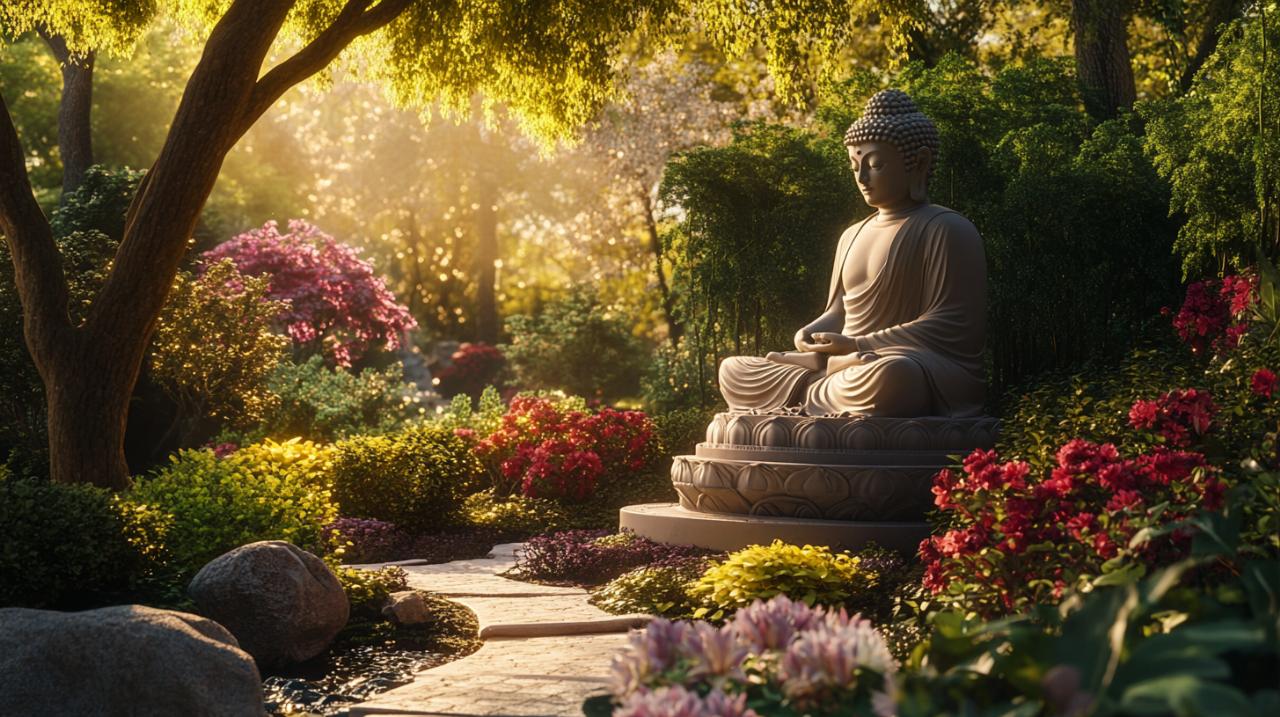
Transforming your garden into a sanctuary of peace and reflection can be beautifully achieved with the thoughtful placement of a Buddha statue. These timeless ornaments do more than enhance visual appeal; they invite a sense of calm and spiritual connection into outdoor spaces. By drawing on ancient principles of balance and energy flow, you can ensure that your Buddha statue becomes a focal point that radiates tranquillity and harmony throughout your garden.
Feng Shui Fundamentals: Creating Balance and Harmony in Your Garden Sanctuary
Feng Shui is an ancient practice rooted in the belief that our surroundings profoundly influence our wellbeing and energy. When applied to garden design, these principles help to create spaces that feel naturally balanced and serene. The key to success lies in understanding how different elements interact and how directional placement can influence the flow of positive energy, or chi, throughout your outdoor retreat.
Understanding the Five Elements and Their Role in Buddha Statue Placement
At the heart of Feng Shui are the five elements: wood, fire, earth, metal, and water. Each element represents different qualities and energies, and their harmonious interplay is essential for creating a garden that feels cohesive and peaceful. When positioning a Buddha statue, consider the materials and surroundings that resonate with these elements. For instance, a cast stone or reconstituted stone statue embodies the earth element, which is associated with stability and grounding. This makes it an excellent choice for outdoor meditation spaces where you seek a sense of permanence and calm. Surrounding your statue with lush greenery or wooden features enhances the wood element, promoting growth and vitality, while nearby water elements such as fountains or ponds introduce fluidity and abundance. By consciously integrating these elements, you create a garden environment that supports spiritual ambiance and invites contemplation.
Directional Energy Flow: Aligning Your Buddha with Cardinal Points for Optimal Chi
Direction plays a vital role in maximising the positive energy that a Buddha statue can bring to your garden. According to Feng Shui principles, positioning your statue facing east is particularly beneficial, as this direction is linked to new beginnings and spiritual growth. The east is where the sun rises, symbolising renewal and enlightenment, making it an ideal orientation for a meditating Buddha that encourages inner peace. Alternatively, placing your statue in the northeast corner of the garden can enhance spiritual development and clarity, while a southeast placement is believed to attract wealth and prosperity. It is equally important to ensure that the statue faces inward toward your home rather than away from it, as this helps to draw positive energy into your living space. Avoiding placements near toilets, clutter, or excessively noisy areas is essential, as these can disrupt the flow of chi and diminish the serene atmosphere you wish to cultivate.
Ideal locations: where buddha statues bring serenity and contemplation
Choosing the right location for your Buddha statue is as important as selecting the statue itself. The placement should invite moments of reflection and provide a visual anchor that draws the eye and the spirit. Thoughtful positioning not only honours the cultural significance of the Buddha but also transforms your garden into a true sanctuary.
Establishing a Dedicated Zen Space for Meditation and Mindful Reflection
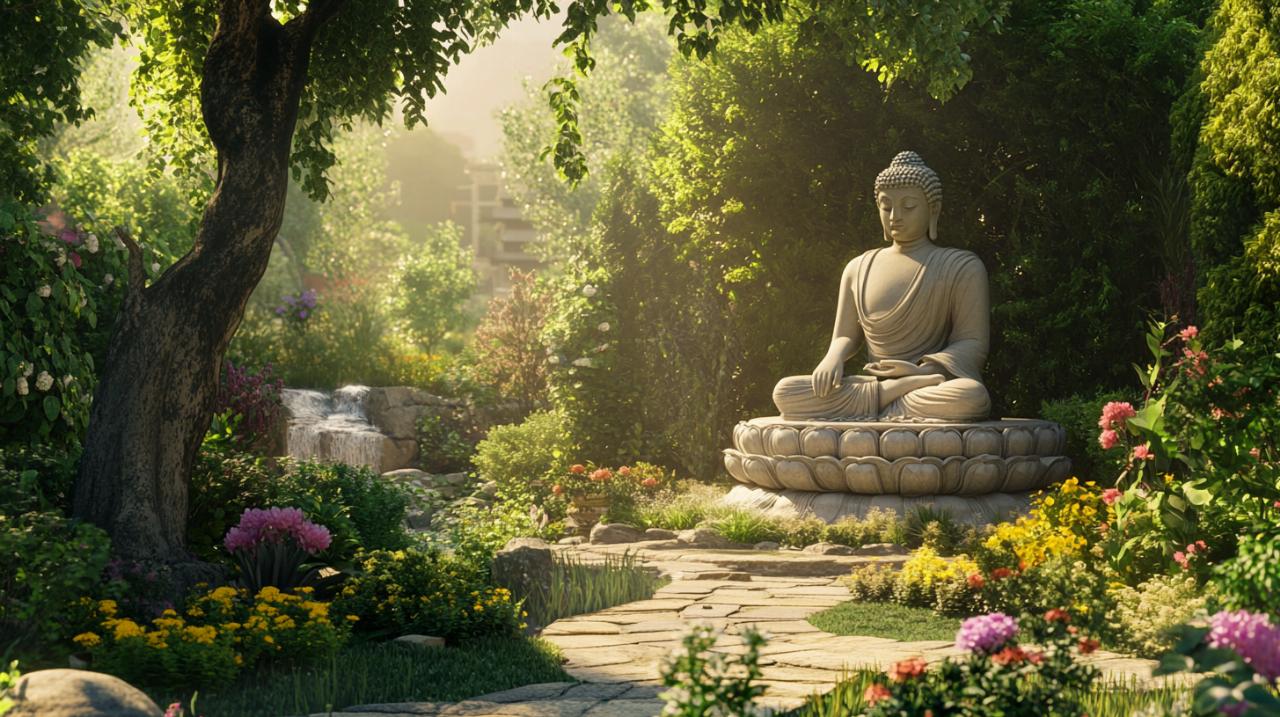
Creating a dedicated Zen space within your garden offers a retreat from the demands of daily life and a place where mindfulness can flourish. This area should be quiet, secluded, and free from distractions, allowing you to focus on meditation and contemplation. Position your Buddha statue as the centrepiece of this space, elevated on a plinth or pedestal to ensure it is above ground level, which is a sign of respect and also helps to protect it from moisture and soil contact. Surrounding the statue with low-maintenance plants, gravel paths, and natural stone can enhance the minimalist aesthetic typical of Zen gardens. Consider adding seating nearby, such as a simple bench or cushion, to encourage prolonged visits and deeper reflection. This setup not only provides a practical meditation area but also creates a visually soothing tableau that enhances the overall aesthetics of your garden.
Integrating Water Features: Fountains and Ponds as Companions to Your Buddha
Water is a powerful element in Feng Shui, symbolising wealth, abundance, and the continuous flow of positive energy. Pairing your Buddha statue with a water feature such as a fountain or pond can amplify the sense of tranquillity and create a dynamic focal point in your garden. The gentle sound of flowing water complements the stillness of the Buddha, encouraging a meditative state and masking unwelcome noise from the surrounding environment. When positioning your statue near water, ensure that the flow directs towards your home or the centre of your garden, as this is thought to bring prosperity and good fortune. Whether you opt for a small tabletop fountain or a larger pond with aquatic plants, the combination of water and stone creates a harmonious balance that is both visually striking and spiritually uplifting. Many garden enthusiasts have reported enhanced relaxation and focus when integrating these elements, transforming their outdoor spaces into havens of peace.
Selecting the Perfect Buddha Statue: Materials, Styles, and Practical Considerations
The choice of Buddha statue is deeply personal and should reflect both your aesthetic preferences and the practical demands of your garden environment. From the material to the pose, each decision contributes to the overall impact and longevity of your garden ornament.
Stone, bronze, and resin: choosing materials that complement your garden aesthetic
When selecting a Buddha statue for outdoor use, the material is paramount. Cast stone and reconstituted stone are popular choices for British gardens due to their durability and ability to withstand frost and rain. These materials are handcrafted and often come with frost guarantees, ensuring that your investment remains beautiful for years to come. Stone statues have a timeless, natural appearance that blends seamlessly with traditional and contemporary garden designs alike. For those seeking a lighter alternative, resin statues offer weather resistance and ease of placement, though they may lack the gravitas of stone. Bronze, while more expensive, provides a classic elegance and develops a distinctive patina over time, adding character and depth. When choosing your material, consider the overall aesthetic of your garden, the weight of the statue for stability, and the level of maintenance you are willing to undertake. Heavier sculptures, typically those over twenty kilograms, are more stable and less prone to tipping in adverse weather, making them ideal for exposed locations.
From Laughing Buddha to Meditation Poses: Matching Statue Style to Your Intentions and Budget
Buddha statues come in a variety of poses, each carrying distinct symbolism and energy. The meditating Buddha, depicted in a seated lotus position, embodies inner peace and is ideal for those seeking a space of contemplation and spiritual growth. The laughing Buddha, with his joyful expression and rounded belly, signifies abundance, happiness, and good fortune, making him a cheerful addition to family gardens or spaces where you entertain guests. Other poses include the earth-touching Buddha, which represents enlightenment and grounding, and the teaching or blessing Buddha, which conveys wisdom and compassion. When selecting a pose, consider what qualities you wish to invite into your garden and your life. Budget is also an important factor, with prices ranging from around forty-five to over seven hundred pounds depending on size, material, and craftsmanship. Many retailers offer free delivery on orders over fifty pounds, and next-day dispatch options are available for those eager to begin their garden transformation. Additionally, look for British-made, handcrafted products that support local artisans and ensure quality. In recent years, trends have leaned towards personalised and oversized statues that reflect specific intentions such as gratitude and compassion, as well as eco-conscious designs incorporating solar-integrated features and biodegradable materials.
Maintaining your Buddha statue is straightforward but essential for preserving its beauty and significance. Regular cleaning with a soft brush and mild detergent will remove dirt and prevent moss buildup. For stone statues, applying a sealant periodically can protect against weathering and staining. Ensure that your statue remains elevated and clean, as this demonstrates respect for its cultural significance and spiritual symbolism. By following these simple care practices, your Buddha statue will continue to bring peaceful vibes and positive energy to your garden for many years to come.