Choosing the right flooring for your home involves balancing aesthetics, practicality, and budget considerations. Among natural materials, seagrass has emerged as a distinctive option that appeals to environmentally conscious homeowners seeking warmth and character. This natural fibre brings a unique texture and appearance to interiors, yet it comes with specific maintenance demands and limitations that can significantly influence long-term costs. Understanding these factors helps you make an informed decision about whether seagrass flooring aligns with your lifestyle and financial planning.
Understanding seagrass flooring: what makes it a unique natural choice
The Origins and Eco-Friendly Nature of Seagrass as a Flooring Material
Seagrass thrives in marine environments, where it plays a vital role in supporting marine life and maintaining healthy coastal ecosystems. This aquatic plant grows naturally in underwater meadows, creating habitats that shelter various species whilst helping to stabilise sediment and improve water quality. Unfortunately, seagrass environments are declining due to human activities such as overfishing, coastal development, and pollution, making sustainable harvesting practices increasingly important for those who choose this material for their homes.
When harvested responsibly, seagrass becomes a renewable resource with multiple applications beyond flooring. It has been used for centuries in furniture materials, mattresses, and even as natural fertiliser. Its fibrous structure makes it ideal for weaving into floor coverings, rugs, and other decorative pieces. The material resembles traditional picnic baskets or rush matting in texture, offering an organic aesthetic that connects interiors to the natural world. For homeowners in areas like Cheltenham and along the High Street, where sustainable materials are valued, seagrass presents an appealing alternative to synthetic options.
Aesthetic appeal and warmth: why homeowners choose seagrass
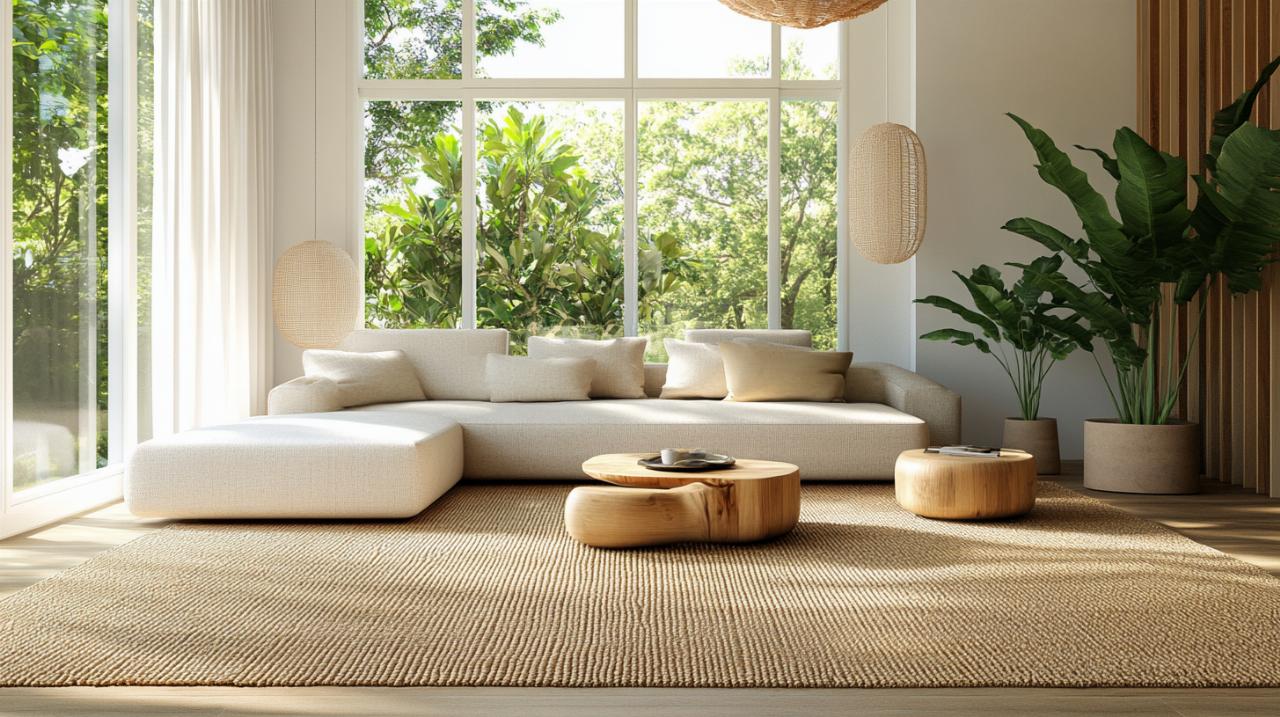
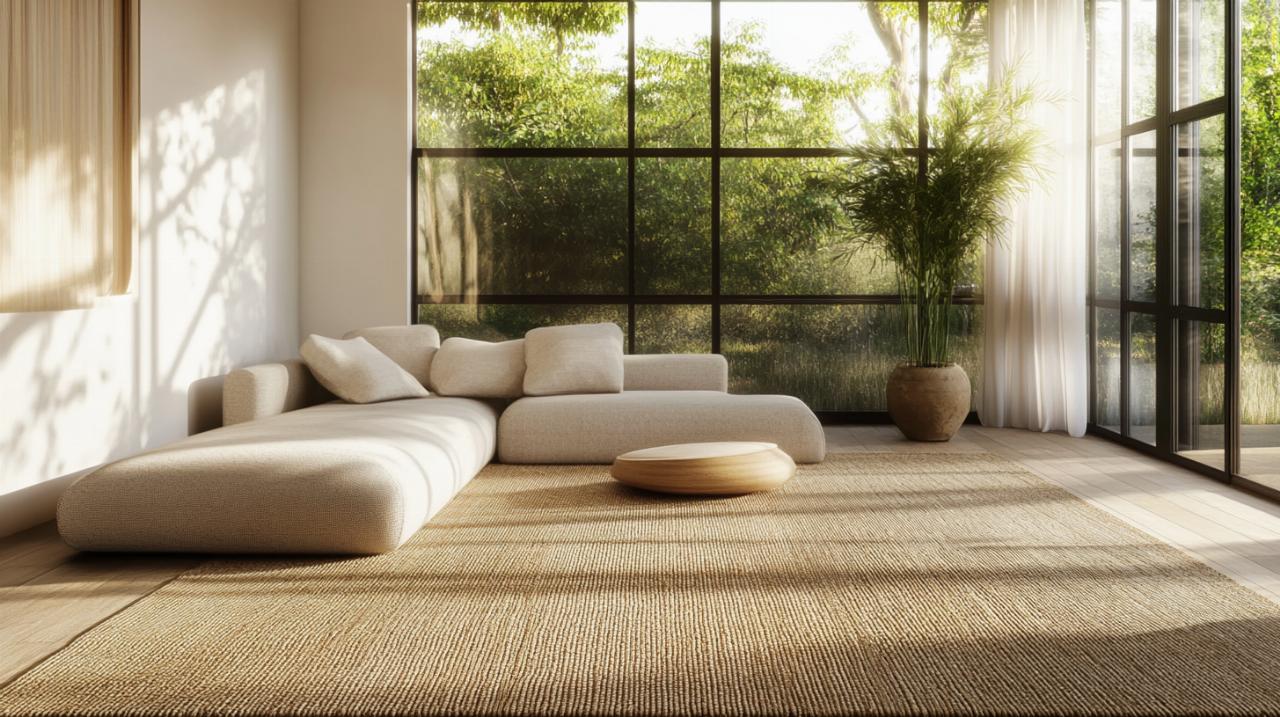
The visual charm of seagrass lies in its traditional appearance and natural warmth. Unlike many carpeting options that can be dyed in countless colours, seagrass cannot be altered from its inherent hues, typically ranging from soft greens to golden browns. This limitation becomes a design feature, as the material retains its authentic character and brings a sense of understated elegance to any room. The texture underfoot is distinctive, offering a firm yet comfortable surface that differs markedly from plush wool carpets or smooth vinyl flooring.
Homeowners often choose seagrass for living areas, bedrooms, and hallways where they want to introduce natural fibres without compromising on durability. The material works particularly well in spaces where a connection to nature is desired, complementing both contemporary and traditional interior schemes. Its hardness and stain resistant properties make it practical for everyday living, whilst its unique weave pattern adds visual interest that laminate flooring or engineered wood cannot replicate. Whether installed wall to wall or fashioned into rugs with decorative edges, seagrass brings an organic warmth that synthetic materials struggle to match.
The Practical Benefits and Limitations of Seagrass in Your Home
Low Maintenance Requirements and Suitability for Busy Households
One of the most attractive features of seagrass flooring is its remarkably low maintenance demands. The material naturally resists staining, which means spills and everyday dirt pose less of a threat compared to other natural fibres like wool carpets. Regular vacuuming typically suffices to keep seagrass looking fresh, and occasional damp mopping can remove accumulated dust without causing damage. This ease of care makes seagrass particularly suitable for busy households where time for intensive cleaning routines is limited.
The hard texture of seagrass means it performs well in high traffic areas, maintaining its structure even under constant footfall. Unlike softer carpeting materials such as polypropylene or polyester blends that can flatten and show wear patterns, seagrass retains its appearance over time when properly installed. The material is rated for durability in spaces that see considerable use, making it a practical choice for entrance halls, corridors, and family rooms. Installation requires urethane underlay rather than traditional gripper rods, ensuring the flooring remains stable whilst providing a slight cushioning effect that enhances comfort.
Humidity Sensitivity and Durability Concerns in Moisture-Prone Areas
Despite its many advantages, seagrass has notable limitations that homeowners must consider carefully. The material's greatest weakness lies in its sensitivity to humidity and moisture. Whilst seagrass thrives in its natural marine environment, once harvested and installed indoors, excessive dampness can lead to problems including mould growth, warping, and deterioration. This makes seagrass entirely unsuitable for wet areas such as bathrooms, kitchens, and utility rooms unless it has been specially treated to resist moisture damage.
In damp climates or homes prone to condensation, seagrass flooring may have a shorter lifespan compared to alternatives like vinyl flooring or laminate flooring, which handle moisture with greater resilience. Even in suitable locations, maintaining consistent humidity levels becomes important to preserve the integrity of the material. Homeowners must weigh these considerations against the aesthetic and environmental benefits, recognising that whilst seagrass offers much in terms of natural beauty, it demands careful placement and environmental control to perform optimally over the years.
Long-term cost considerations: how seagrass maintenance impacts your budget
Installation Investment and Lifespan Compared to Alternative Floor Coverings
When evaluating seagrass flooring from a financial perspective, the initial installation investment represents just one component of the total cost equation. Seagrass typically costs about half the price of sisal, another popular natural fibre, making it an attractive option for budget-conscious homeowners seeking natural materials. However, proper installation requires skilled fitting and appropriate underlay materials, which can add to upfront expenses. Professional installation ensures the flooring performs optimally and extends its serviceable life, making this an investment worth considering.
The lifespan of seagrass flooring varies considerably depending on location, foot traffic, and environmental conditions. In ideal settings away from moisture and with moderate use, seagrass can last many years with minimal intervention. However, in less suitable environments or high traffic areas without proper care, replacement may become necessary sooner than with more resilient options like engineered wood or mixed fibre carpeting. Retailers offering free home visits from flooring experts, such as those available seven days a week for approximately ninety minutes, can help homeowners assess whether seagrass suits their specific circumstances, potentially preventing costly mistakes.
Balancing initial costs against ongoing care and replacement expenses
The ongoing maintenance costs associated with seagrass flooring remain pleasingly low for most households. The stain resistant nature of the material reduces the need for specialist cleaning products or professional services, which can represent significant savings over time compared to delicate wool carpets or patterned carpets that require regular specialist attention. Basic vacuuming and occasional gentle cleaning suffice for everyday maintenance, allowing homeowners to allocate their budgets elsewhere.
However, the financial calculation becomes more complex when considering potential replacement costs. If seagrass is installed in an unsuitable location where moisture causes premature deterioration, the expense of removal and replacement can quickly outweigh any initial savings. Homeowners must factor in not just the material cost but also the labour involved in refitting, which may disrupt household routines and incur additional expenses. Interest-free credit options, such as thirty months with no deposit, can help spread the cost of quality flooring, but only if the chosen material genuinely suits the intended space. Visiting specialists at locations like those on the High Street in Cheltenham, with business hours accommodating most schedules, allows for thorough consultation before committing to a purchase. By carefully matching seagrass to appropriate rooms and maintaining realistic expectations about its performance in your specific environment, you can enjoy the beauty and sustainability of this natural material whilst keeping long-term costs manageable and predictable.