Ceramic tables have become a staple in contemporary homes, celebrated for their sleek appearance and remarkable resilience. These surfaces bring an air of sophistication to any dining area or kitchen, seamlessly blending style with practicality. However, maintaining their pristine condition requires a thoughtful approach to cleaning and protection. Understanding the correct methods to care for your ceramic table ensures it remains a centrepiece in your home for many years, combining elegance with enduring quality.
Essential daily care routines for your ceramic table
Caring for your ceramic table begins with establishing consistent habits that prevent damage and preserve its lustrous finish. Daily attention to your table not only keeps it looking immaculate but also extends its lifespan significantly. The key lies in simple yet effective routines that address both immediate cleanliness and long-term preservation. By incorporating these practices into your everyday life, you create a protective barrier against the wear and tear that naturally occurs with regular use.
Establishing a regular wiping schedule after meals
One of the most important habits to develop is wiping down your ceramic table immediately after each meal. Food particles, spills, and residues can settle into the surface and become more difficult to remove if left unattended. A quick wipe with a damp cloth prevents stains from setting and keeps your table looking fresh. This proactive approach is particularly important for tables with polished ceramic surfaces, as these finishes can be more susceptible to showing marks and blemishes. Water mixed with a small amount of neutral detergent creates an ideal cleaning solution for everyday maintenance. Simply dampen your cloth, gently wipe across the entire surface, and follow up with a dry cloth to remove any moisture. This two-step process ensures that no water spots remain and that the table maintains its characteristic shine.
Selecting the Right Microfiber Cloths for Optimal Surface Protection
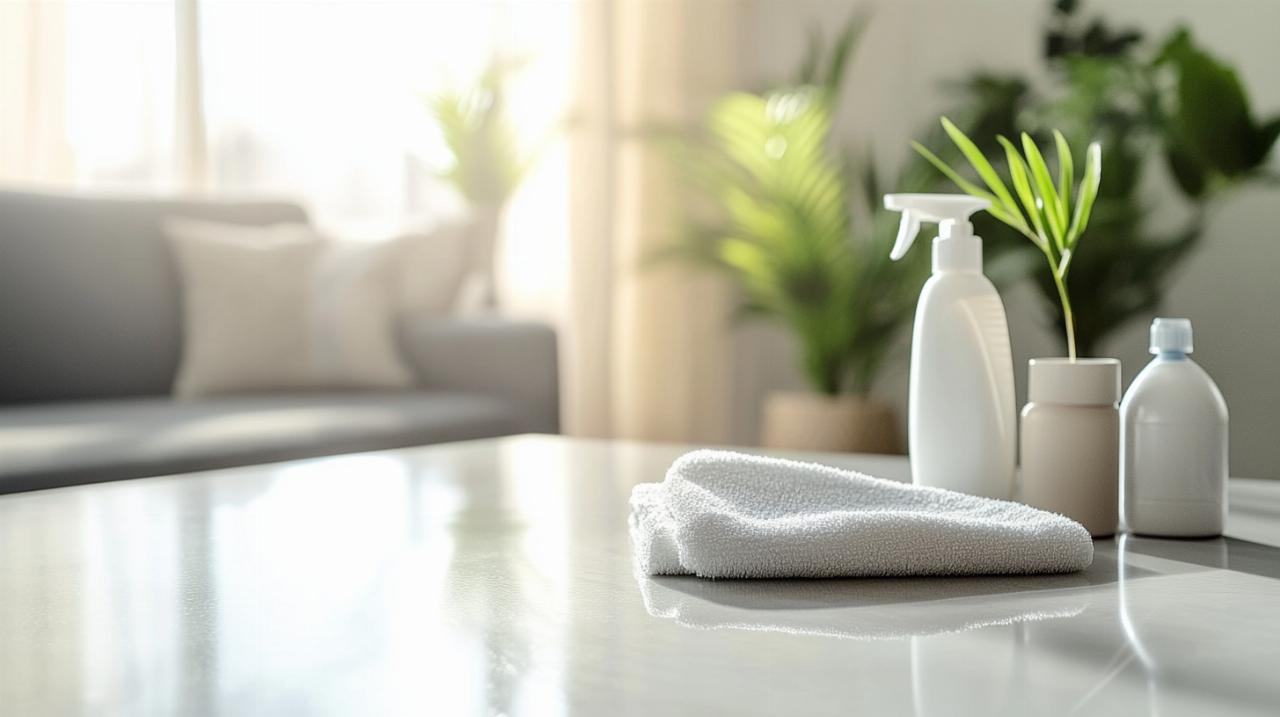
The choice of cleaning materials plays a crucial role in preserving your ceramic table's integrity. Microfiber cloths stand out as the superior option for this task, offering a soft yet effective cleaning action that respects the delicate nature of ceramic surfaces. Unlike rougher fabrics that might harbour abrasive particles, microfiber cloths lift dirt and debris without scratching or dulling the finish. When selecting cloths for your table, opt for high-quality microfiber varieties that are specifically designed for delicate surfaces. These cloths should be washed regularly to remove any accumulated grit that could potentially cause scratches during subsequent cleaning sessions. Avoid using paper towels or rough sponges, as these can leave behind fibres or create microscopic scratches that accumulate over time. By investing in proper cleaning materials, you protect your investment in quality furniture and ensure that your table remains a source of pride in your dining room design.
Tackling stubborn marks and stains without damaging your table
Despite your best efforts with daily maintenance, stubborn marks and stains occasionally appear on ceramic tables. These blemishes might result from spilled wine, coffee rings, or food residues that have dried onto the surface. The challenge lies in removing these marks effectively without resorting to harsh chemicals or abrasive tools that could damage the ceramic finish. Fortunately, several gentle yet powerful methods exist that can restore your table to its original condition without compromising its protective layer or aesthetic appeal.
The baking soda method: a natural solution for persistent blemishes
Baking soda offers a remarkably effective yet gentle solution for addressing stubborn stains on ceramic surfaces. This household staple works through mild abrasive action combined with natural cleaning properties, making it ideal for tackling tea stains, coffee marks, and other persistent blemishes. To use this method, create a paste by mixing baking soda with a small amount of water until you achieve a consistency similar to toothpaste. Apply this mixture directly to the stained area and allow it to sit for a few minutes, giving the baking soda time to work on the discolouration. Then, using a soft cloth or sponge, gently work the paste into the stain using circular motions. The key is to apply light pressure, allowing the baking soda to lift the stain without scratching the ceramic surface. Once the mark has disappeared, rinse the area thoroughly with clean water and dry it completely with a microfiber cloth. This method proves particularly useful for areas that see frequent use, such as spots where hot cups are regularly placed, ensuring your storage solutions and dining accessories remain complemented by a spotless table.
When to Use Marseille Soap for Gentle Yet Effective Cleaning
Marseille soap represents another excellent option for maintaining ceramic tables, particularly when dealing with grease or oil-based residues that water alone cannot remove. This traditional soap, known for its purity and gentle formulation, provides thorough cleaning without the harsh chemicals found in many modern detergents. When using Marseille soap, create a light lather with warm water and apply it to the affected areas using a soft sponge. The soap's natural properties break down oils and lift dirt effectively whilst being kind to the ceramic finish. After applying the soap solution, allow it to work for a moment before wiping it away with a damp cloth. Follow this with a final wipe using a clean, dry cloth to prevent any soap residue from dulling the surface. This method works wonderfully for regular deep cleaning sessions, perhaps once weekly, complementing your daily wiping routine. The gentle nature of Marseille soap makes it suitable for all types of ceramic finishes, whether polished or textured, ensuring versatility in your cleaning approach.
Protecting your ceramic surface from long-term damage
Long-term protection of your ceramic table requires understanding both what to avoid and what preventative measures to implement. The durability that makes ceramic tables so appealing can be compromised through improper care or exposure to damaging substances. By developing awareness of potential hazards and taking simple precautions, you safeguard your investment and ensure your table continues to enhance your living room design or dining room design for decades to come.
Understanding Which Cleaning Products to Avoid at All Costs
Certain cleaning products pose significant risks to ceramic surfaces and should be avoided entirely. Alcohol-based cleaners, bleach, and acid-based solutions can cause irreversible damage to the protective finish of your table, leading to dullness, discolouration, or even etching of the surface. These harsh chemicals might seem like powerful cleaning agents, but their aggressive nature does more harm than good when applied to ceramic materials. Similarly, abrasive scrubbing tools such as steel wool, scouring pads, or stiff brushes should never touch your table's surface. These tools create microscopic scratches that accumulate over time, eventually making the table appear worn and diminishing its aesthetic appeal. Even seemingly innocent products like all-purpose cleaners may contain ingredients that react poorly with ceramic finishes. When in doubt, stick to mild, neutral detergents specifically designed for delicate surfaces. Reading product labels carefully and choosing cleaning solutions that explicitly state their suitability for ceramic use ensures you avoid inadvertent damage. This cautious approach to product selection protects not only your table but also any ceramic tableware or accessories you might use upon it, creating a cohesive care routine across all your ceramic items.
Preventative Measures to Keep Your Table Looking Elegant for Years
Prevention forms the cornerstone of effective ceramic table maintenance, often proving more valuable than even the most thorough cleaning routines. Simple protective measures can dramatically extend the life and appearance of your table. Using placemats, coasters, and trivets creates a barrier between hot dishes or cold glasses and the ceramic surface, preventing thermal shock that could potentially lead to cracking. Whilst ceramic can withstand temperature extremes better than many materials, sudden drastic changes in temperature remain a concern. When serving meals, ensure that extremely hot items from the oven are allowed to cool slightly or are placed on protective surfaces rather than directly on the table. Similarly, avoid placing items fresh from the freezer directly onto the ceramic without a buffer. Beyond temperature management, consider the placement of your table within your home. Positioning it away from direct sunlight prevents gradual discolouration and protects the finish from UV damage. If your ceramic table serves as outdoor furniture in a garden setting, ensure it has adequate protection from the elements when not in use. Regular inspections of the surface help catch minor issues before they develop into significant problems. Look for small chips or cracks that might need professional attention, as addressing these promptly prevents them from spreading. By combining careful daily cleaning with these protective strategies, your ceramic table remains a stunning focal point in your home, worthy of the craftsmanship and quality that went into its creation. Whether paired with carefully selected chairs, complemented by elegant lamps, or enhanced with stylish rugs, your well-maintained ceramic table anchors your space with enduring beauty and functionality.