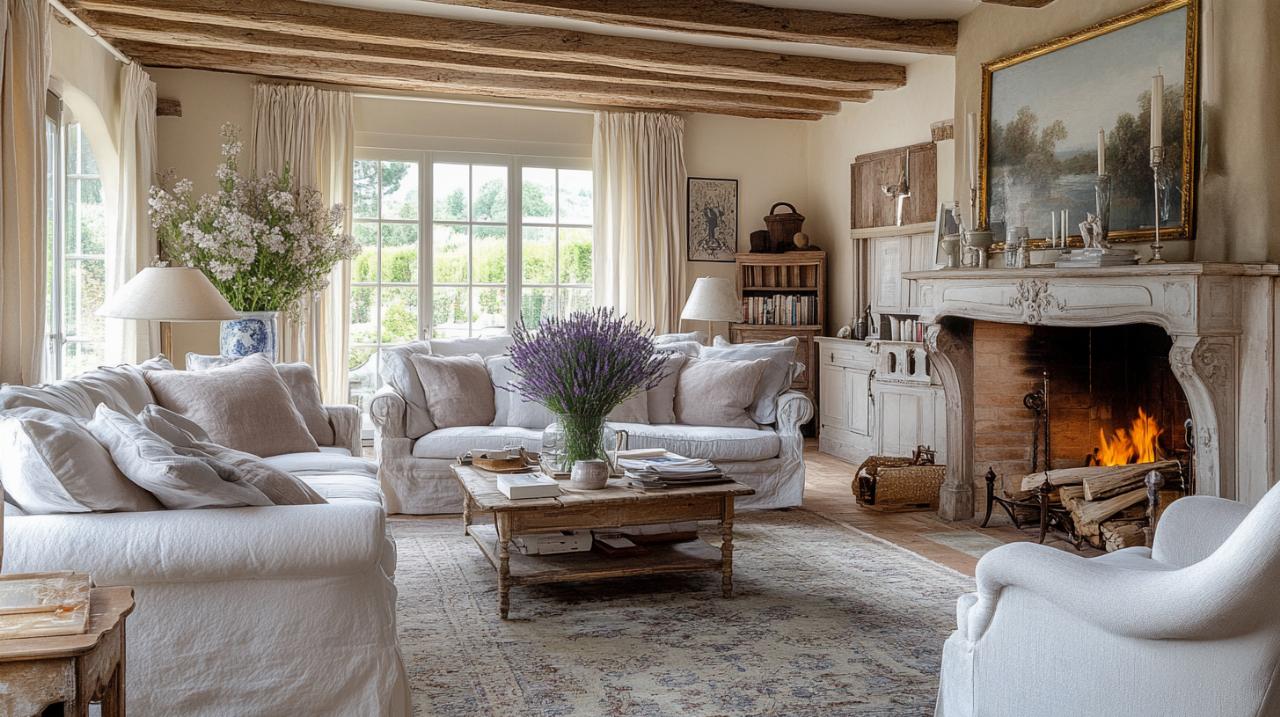
There exists a decorating philosophy that captures the gentle warmth of rural France, blending rustic authenticity with understated elegance. This approach to interior design favours natural materials, soft colour palettes, and the quiet beauty of well-loved vintage pieces. When thoughtfully applied, it transforms any dwelling into a welcoming sanctuary that feels both timeless and deeply personal. The essence of this aesthetic lies not in rigid rules but in a harmonious balance between comfort and charm.
Embracing rustic charm through natural materials and textures
The foundation of french country style ideas rests upon the honest beauty of materials drawn directly from nature. Wood, stone, and natural fibres form the backbone of this aesthetic, each element contributing to an atmosphere that feels grounded and genuine. These materials do not merely serve a functional purpose; they tell stories of craftsmanship and tradition, bringing a tactile richness that synthetic alternatives cannot replicate.
Incorporating Raw Wood and Stone Elements in Your Living Spaces
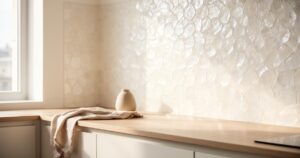
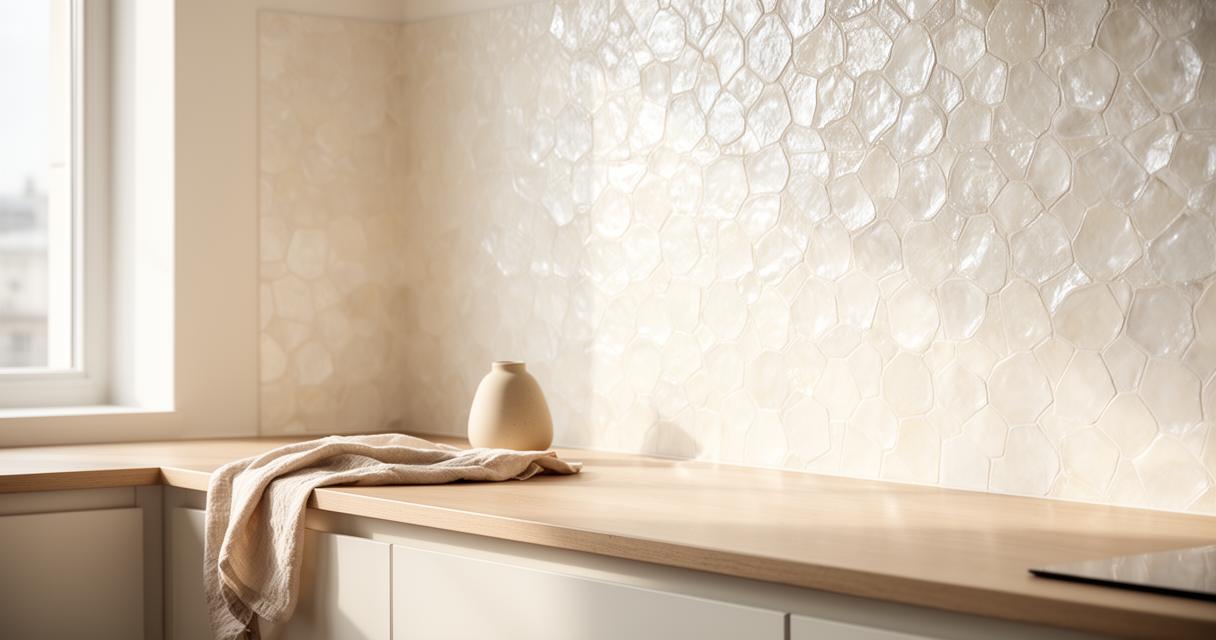
Raw wood and exposed stone create immediate visual interest while establishing a connection to the countryside that inspired this style. Consider introducing reclaimed timber beams across ceilings or incorporating wooden flooring that bears the marks of age and character. Stone can appear in fireplace surrounds, accent walls, or even as decorative elements that anchor a room with their substantial presence. The key lies in allowing these materials to showcase their natural imperfections rather than striving for uniform perfection. Architectural details such as wainscotting add texture to walls, creating depth and historical resonance. When selecting wood pieces, look for items with visible grain patterns and warm undertones that complement rather than compete with other elements in the space. Stone surfaces work particularly well in kitchens and bathrooms, where farmhouse sinks set into natural stone countertops exemplify the marriage of practicality and aesthetic appeal. Patterned tile with timeless finishes can introduce subtle decoration without overwhelming the senses, whilst hand-painted walls or repurposed furniture bring artisanal quality to living areas. The goal is to create layers of texture that invite touch and contemplation.
Selecting Natural Fabrics and Linens for Authentic French Character
Natural fibres form another essential component of this decorating approach, softening spaces and adding comfort without sacrificing style. White linens in particular evoke the simplicity and freshness associated with French provincial homes, whether draped across dining tables or layered on beds. Linen, cotton, and hemp possess an organic quality that synthetic fabrics lack, aging gracefully and developing character over time. These materials work beautifully in curtains, upholstery, and cushions, introducing subtle variations in texture that enrich the visual landscape. Simple florals and botanical themes appear frequently in fabric choices, their gentle patterns echoing the gardens and countryside that inspire this aesthetic. When selecting textiles, prioritise quality over quantity, choosing pieces that feel substantial and well-made. Natural fibres also contribute to the sensory experience of a room, their breathable qualities and tactile appeal creating an environment that feels as good as it looks. Consider mixing different weights and weaves to add dimension, pairing heavier linen curtains with lighter cotton throws or incorporating rough-hewn hemp rugs beneath more delicate furnishings. The interplay between these textures creates visual interest whilst maintaining the cohesive palette that defines the style.
Creating Timeless Elegance with Soft Palettes and Vintage Treasures
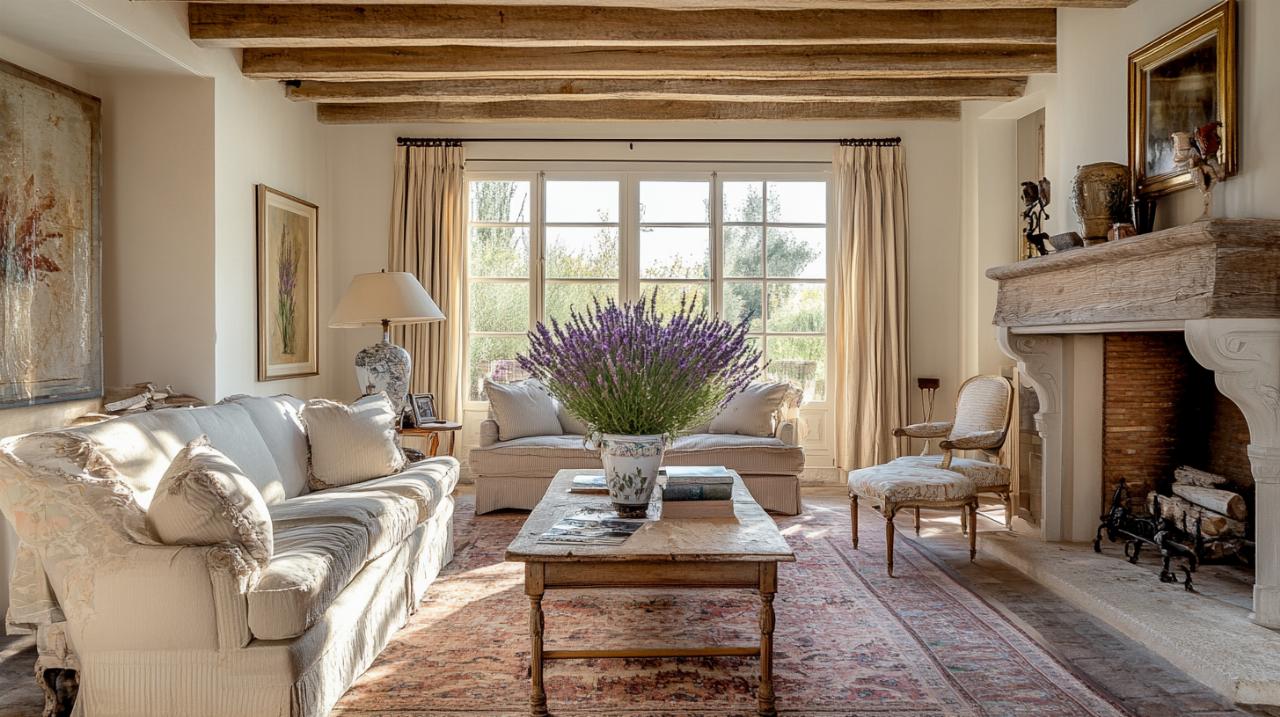
Colour and curated objects work together to establish the refined atmosphere that characterises this design philosophy. Rather than bold contrasts or dramatic statements, the approach favours gentle transitions and harmonious combinations that allow each element to contribute to the overall impression without demanding attention.
Mastering the Art of Muted Colour Schemes and Gentle Hues
Neutral tones form the backbone of French country interiors, creating a serene backdrop that allows textures and vintage pieces to take centre stage. Elevated neutrals such as warm creams, soft greys, and gentle beiges establish a sophisticated foundation that never feels cold or sterile. These colours possess subtle warmth that invites relaxation whilst providing flexibility for personalisation. Occasional pops of colour add character without disrupting the overall harmony, with muted blues, sage greens, and dusty roses appearing frequently in accent pieces and decorative elements. The secret lies in maintaining a cohesive palette throughout connected spaces, allowing variations in tone rather than jarring shifts in colour families. Warm accents in honey tones or terracotta introduce vibrancy without overwhelming the senses, whilst white serves as a constant thread that ties disparate elements together. This restrained approach to colour creates an atmosphere of calm sophistication, making spaces feel larger and more luminous. When introducing pattern, opt for organic shapes and floral patterns that reference the natural world, keeping scale and repetition consistent to avoid visual chaos. The cumulative effect should feel effortlessly put together rather than meticulously coordinated.
Sourcing and Displaying Antique Pieces for Genuine Provincial Atmosphere
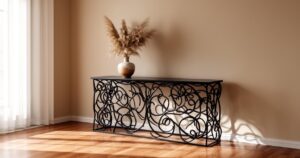
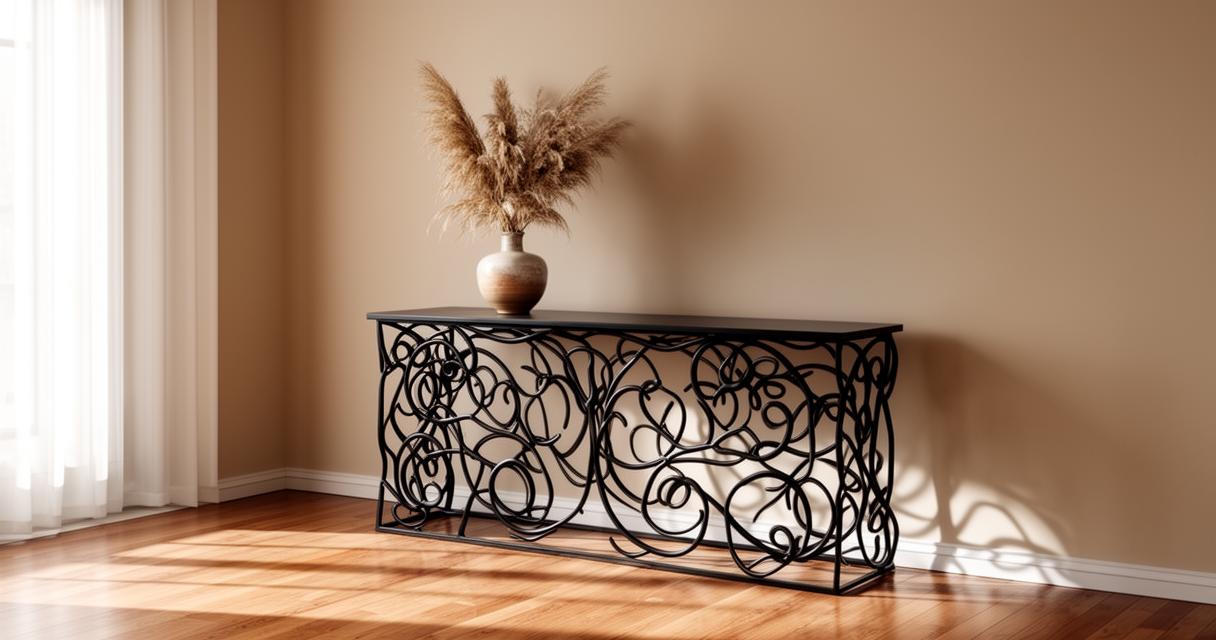
Vintage touches and antique items infuse spaces with history and personality, distinguishing genuine French country interiors from mere imitations. Mirrors with aged frames, vintage silver serving pieces, and crystal glassware exemplify the ornate elements that balance the rustic foundation. Clocks with weathered faces, cast iron urns filled with greenery, and candlesticks bearing the patina of age all contribute to an atmosphere rich with narrative. Chandeliers provide focal points overhead, their delicate structures and reflective surfaces introducing elegance without pretension. Sconces flanking doorways or mirrors add layered lighting whilst reinforcing the architectural details that define the style. Dough bowls serve as versatile decorative vessels, equally at home filled with fresh fruit or styled with candles and greenery. Floral china displayed on open shelving or within glass-fronted cabinets celebrates the botanical themes central to this aesthetic. Garden statues and ornamental ironwork blur the boundary between interior and exterior spaces, reinforcing the connection to nature. When sourcing such pieces, platforms offering vintage and antique items provide rich hunting grounds for those willing to search patiently. The joy lies not merely in acquisition but in the stories these objects carry and the personal connections they represent. Mixing new and vintage elements prevents spaces from feeling like museum displays, creating interiors that honour tradition whilst remaining thoroughly liveable. Avoid bulkier furniture that overwhelms rooms, instead favouring pieces with curves and soft edges that encourage movement and conversation. The result is an inviting atmosphere that feels both sophisticated and wonderfully welcoming, a true reflection of the French country philosophy.