
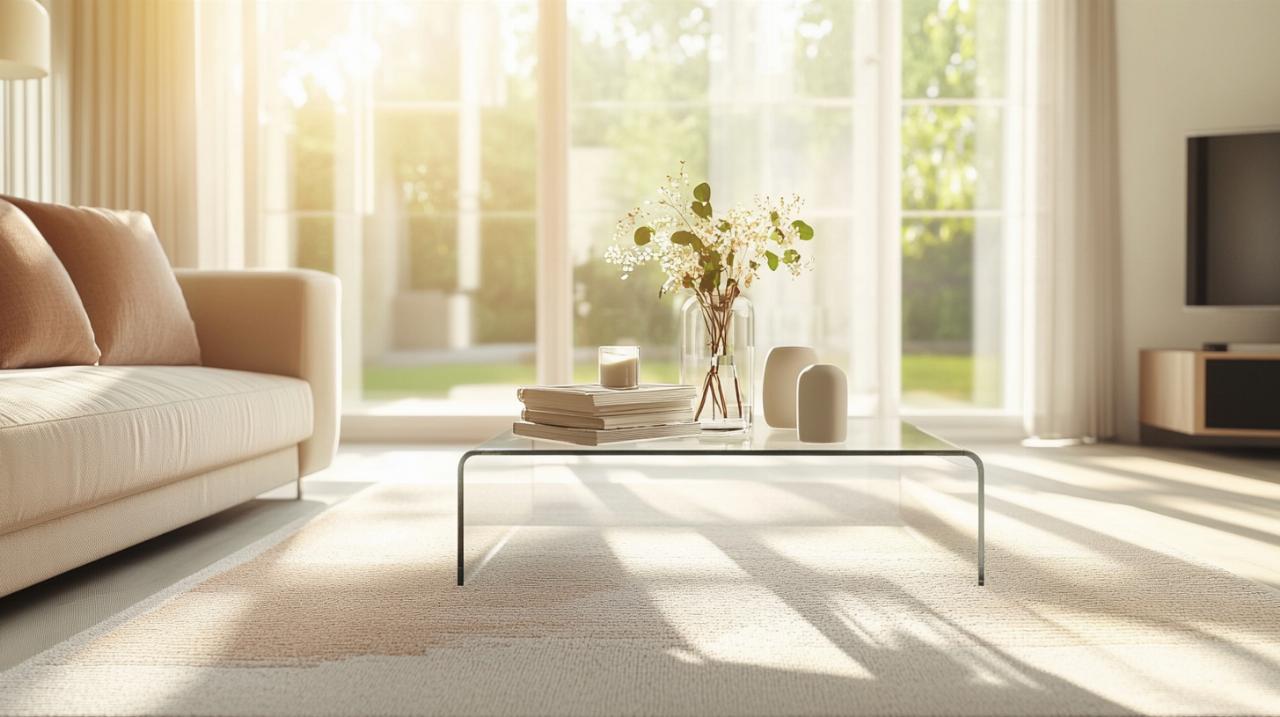
A designer glass coffee table serves as a stunning centrepiece in any living room, combining elegance with functionality. However, its beautiful surface can be vulnerable to scratches, fingerprints, and everyday wear. Protecting this investment requires a thoughtful approach that balances practical solutions with aesthetic considerations. From daily habits to long-term protective measures, understanding the best strategies will ensure your glass table remains pristine for years to come.
Essential daily protection strategies for your glass coffee table
Daily use of a glass coffee table inevitably exposes it to potential damage, but simple habits can significantly reduce wear and tear. One of the most effective ways to safeguard the surface is by consistently using coasters and placemats. These accessories act as a barrier between the glass and items that might cause scratches or leave marks. Whether placing a hot cup of tea or a decorative vase, ensuring that nothing rests directly on the glass can prevent unsightly damage. Coasters are particularly useful for preventing rings from condensation, while placemats offer broader coverage for larger items or decorative displays.
In addition to coasters and placemats, incorporating bump pads or table suckers beneath objects can prevent the glass from shifting and reduce friction that leads to scratches. These small additions are often overlooked but play a crucial role in maintaining the table's flawless appearance. By placing bump pads under items that remain on the table for extended periods, you create a buffer that absorbs minor impacts and prevents direct contact with the glass. This is especially important for homes with children or pets, where accidental bumps and spills are more common.
Implementing Coasters and Placemats to Prevent Surface Scratches
Coasters and placemats are not merely decorative; they are essential tools for preserving the integrity of a glass surface. When selecting these items, consider materials that are soft yet durable, such as cork, felt, or silicone. These materials provide a cushion that absorbs impact without scratching the glass. It is important to ensure that the underside of any placemat or coaster is smooth, as rough or unfinished surfaces can inadvertently cause more harm than good. Regularly inspecting these accessories for wear and replacing them when necessary will maintain their protective qualities.
Another consideration is the placement of these protective items. While it may be tempting to leave coasters scattered for convenience, positioning them strategically in areas where drinks or objects are most frequently placed creates a routine that becomes second nature. This habit not only protects the table but also enhances the overall aesthetic of the living space, as coordinated coasters and placemats can complement the design of the room. Choosing designs that harmonise with the table and surrounding furniture ensures that functionality does not compromise style.
Applying protective film for long-term surface defence
For those seeking a more comprehensive solution, applying a protective film to the glass surface offers a robust defence against scratches and fingerprints. Crystal clear films are designed to be nearly invisible once applied, preserving the table's visual appeal while providing maximum protection. These films are customisable, allowing them to be cut to the precise dimensions of the table, ensuring complete coverage without unsightly overlaps or gaps. The application process, while requiring care and patience, is straightforward and can be undertaken at home with the right preparation.
Before applying the film, the glass must be thoroughly cleaned to remove any dust, oils, or residues that could cause air bubbles or imperfections. Using a glass cleaner and a lint-free cloth, the surface should be wiped down meticulously. Once the glass is pristine, the protective film can be carefully positioned, starting from one edge and gradually smoothing it across the surface to eliminate air pockets. A soft squeegee or credit card can be used to press the film firmly against the glass, ensuring a secure bond. While the initial cost of high-quality protective film may be higher than other options, its durability and effectiveness make it a worthwhile investment for preserving the table's condition over the long term.
Choosing the Right Glass and Protective Covers for Maximum Durability
The type of glass used in a coffee table plays a significant role in its resilience and longevity. Not all glass is created equal, and understanding the differences between standard, tempered, and laminated glass can inform better purchasing decisions. When selecting protective covers, ensuring a proper fit is equally important, as ill-fitting covers can shift, bunch, or fail to provide adequate protection.
Why tempered and laminated glass offer superior impact resistance
Tempered glass, also known as toughened glass, undergoes a specialised heating and cooling process that makes it significantly stronger than standard glass. This treatment increases its resistance to impact and thermal stress, making it an ideal choice for furniture that experiences regular use. In the event that tempered glass does break, it shatters into small, blunt pieces rather than sharp shards, reducing the risk of injury. For households with children or active lifestyles, this added safety feature is invaluable.
Laminated glass takes protection a step further by sandwiching a layer of plastic between two sheets of glass. This construction not only enhances strength but also provides additional resistance to spills and scratches. Should the glass crack, the plastic layer holds the fragments together, preventing them from scattering. While laminated glass may be slightly more expensive, its durability and safety benefits make it a prudent choice for high-traffic areas. When purchasing a designer glass coffee table, confirming that it meets UK standards for toughened or laminated glass ensures that the product has been manufactured to rigorous safety and quality specifications.
Measuring your table and selecting properly fitted protective covers
Accurate measurement is the foundation of selecting a protective cover that fits seamlessly. Using a tape measure, record the length and width of the table in millimetres, accounting for any unique shapes or curves. For round or oval tables, measuring the diameter is essential. Precision is key, as even a small discrepancy can result in a cover that is too loose or too tight. Most suppliers recommend allowing a tolerance of plus or minus half a millimetre to accommodate minor variations in production.
Once the measurements are confirmed, choosing the appropriate type of cover depends on personal preference and the level of protection required. Tablecloths offer comprehensive coverage and are available in a wide range of fabrics and designs, making them a versatile option for those who wish to change the look of their living room frequently. However, they can be prone to crumpling and may not suit minimalist interiors. Table runners, on the other hand, provide partial protection and are ideal for showcasing the beauty of the glass while still offering some defence against scratches and spills. For those who prefer an unobtrusive solution, crystal clear films remain the most effective choice, as they preserve the table's appearance while delivering maximum protection. Ensuring that the chosen cover is easy to clean and maintain will further enhance its practicality and longevity.
Maintenance and Design Considerations for Lasting Beauty
Even with the best protective measures in place, regular maintenance is essential to keep a glass coffee table looking its best. Combining proper cleaning techniques with thoughtful design choices ensures that the table remains a stunning focal point in the living room.
Regular Cleaning and Low Lacquer Products for Pristine Shine
Glass surfaces are notorious for attracting fingerprints, dust, and smudges, but maintaining their shine is relatively simple with the right approach. Using a glass cleaner specifically formulated for furniture, along with a soft, lint-free cloth, prevents streaks and ensures a sparkling finish. It is advisable to clean the table regularly, as allowing dirt and grime to accumulate can lead to more stubborn stains that are harder to remove. For tables with wood or metal elements, such as legs or frames, using low lacquer products helps preserve the finish without causing damage to adjacent glass surfaces.
Spills should be addressed promptly to prevent staining or etching, particularly if the liquid is acidic or contains sugar. Blotting rather than wiping helps absorb the spill without spreading it further across the surface. Avoiding abrasive cleaning tools or harsh chemicals is crucial, as these can scratch or dull the glass. Instead, opt for gentle, non-abrasive solutions that are safe for both glass and any surrounding materials. Establishing a routine cleaning schedule, such as wiping down the table weekly, ensures that it remains in pristine condition with minimal effort.
Balancing quality investment with living room aesthetic appeal
Investing in a designer glass coffee table is not merely a purchase but a commitment to enhancing the aesthetic and functionality of a living space. While the initial price may be higher than alternatives, the longevity and elegance of a high-quality glass table justify the expense. When selecting a table, considering factors such as glass thickness, edge finishing, and overall design ensures that the piece complements the existing decor. Thicker glass, such as ten or twelve millimetres, offers greater durability and a more substantial feel, making it suitable for larger or heavier tables.
Edge finishing is another important consideration, as polished or bevelled edges not only enhance the table's appearance but also reduce the risk of chipping. For those who wish to personalise their table further, options such as drilled holes for parasols or cables can be incorporated, although these customisations typically incur additional costs. Balancing these practical considerations with the desired aesthetic ensures that the table serves as both a functional piece of furniture and a work of art. By taking the time to select the right protective measures and maintain the table diligently, homeowners can enjoy the beauty and elegance of their designer glass coffee table for many years to come.