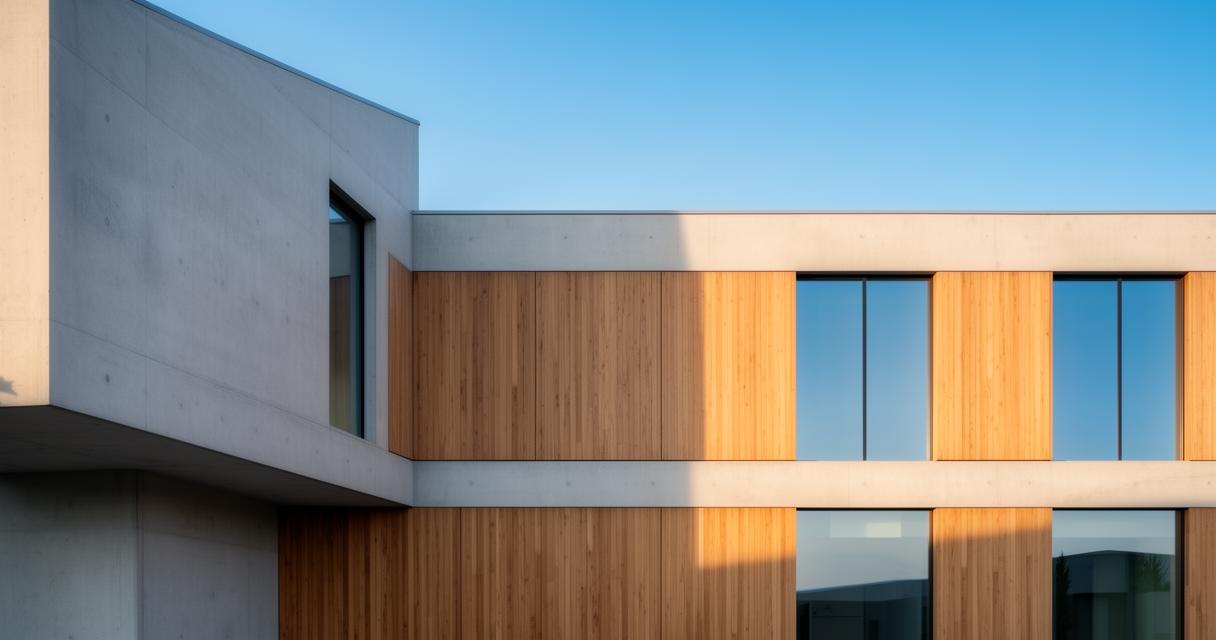
The modern facade has evolved into a sophisticated interface between the interior environments we inhabit and the dynamic external conditions that constantly challenge our built structures. As architects and engineers refine their approaches to facade construction, the emphasis has shifted decisively toward creating designs that not only protect and insulate but also actively contribute to the sustainability and comfort of residential and commercial spaces. This evolution reflects a broader recognition that the envelope of a building is far more than a cosmetic feature; it is a critical component that shapes energy performance, occupant wellbeing, and the long-term viability of the structure itself.
Fundamental principles of contemporary facade construction
At the heart of contemporary facade construction lies a commitment to environmental responsiveness and the intelligent use of materials that can adapt to varying climatic conditions. The relationship between a facade and its surrounding environment is no longer a passive one. Today's designers understand that the external skin of a building must respond dynamically to temperature fluctuations, solar radiation, wind patterns, and moisture levels. This responsiveness is achieved through careful consideration of orientation, shading devices, and the selection of materials that possess inherent thermal properties. By acknowledging the unique challenges posed by different geographical locations, professionals are able to tailor facade solutions that mitigate heat gain in warmer climates and maximise solar benefits in cooler regions. This nuanced understanding of environmental interaction ensures that the facade functions as an active participant in the building's overall energy strategy, reducing reliance on mechanical heating and cooling systems.
Integration of Environmental Responsiveness and Climate Adaptation
Environmental responsiveness in facade design is fundamentally about creating a dialogue between the building and its context. Modern professionals employ advanced simulation tools and climatic data to predict how different facade configurations will perform throughout the year. This approach allows for the optimisation of daylight penetration, natural ventilation, and thermal buffering, all of which contribute to a more sustainable building. The integration of adaptive technologies, such as automated shading systems and responsive glazing, further enhances the facade's ability to modulate internal conditions without excessive energy consumption. These strategies are particularly relevant in the context of urban environments, where microclimatic variations and the heat island effect demand highly refined solutions. By prioritising climate adaptation, designers ensure that facades contribute positively to the building's environmental footprint while maintaining aesthetic integrity.
Structural Longevity and Load-Bearing Considerations in Modern Facades
Beyond environmental performance, the structural integrity and longevity of a facade are paramount concerns for any construction project. Modern facades must not only support their own weight but also withstand external forces such as wind loads, seismic activity, and the stresses induced by thermal expansion and contraction. Professionals in the field approach these challenges through rigorous structural analysis and the selection of robust materials that offer both strength and durability. The lifespan of a facade is directly influenced by the quality of its construction and the resilience of its components, making it essential to consider maintenance requirements and the potential for material degradation over time. Historical influences, including the pioneering work of architects like Van der Rohe, continue to inform contemporary practices by emphasising clarity of structure and the honest expression of materials. This legacy encourages designers to create facades that are not only visually compelling but also engineered to endure the demands of their operational environment for decades.
Sustainable Technologies and Material Innovation in Facade Design
The pursuit of sustainability in facade construction has led to significant advances in material science and the development of technologies that enhance energy efficiency. Insulation and cladding systems have become central to the conversation about reducing a building's carbon footprint, with professionals increasingly turning to innovative solutions that offer superior thermal performance. Modern insulation materials, including aerogels, vacuum panels, and high-performance foams, provide exceptional resistance to heat transfer while minimising the thickness of the facade assembly. This allows for slimmer profiles that do not compromise on comfort or energy savings. Cladding solutions have also evolved, with manufacturers offering a diverse range of products that combine aesthetic appeal with functional benefits such as moisture resistance, fire safety, and ease of installation. The integration of these advanced materials into facade design represents a significant step forward in achieving buildings that are both environmentally responsible and economically viable over their lifecycle.
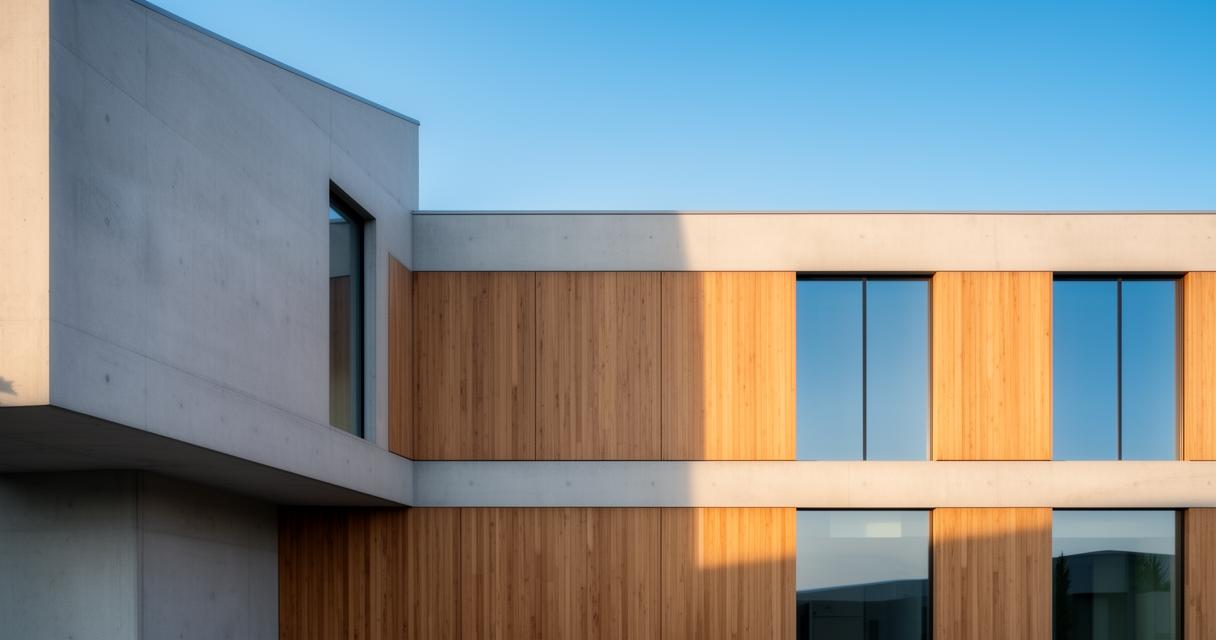
Advanced insulation systems and energy-efficient cladding solutions
Advanced insulation systems are now recognised as essential elements in the quest for energy efficiency, particularly in residential buildings where heating and cooling demands can constitute a substantial portion of overall energy consumption. These systems work by creating a continuous thermal barrier that reduces the transfer of heat between the interior and exterior environments. The choice of insulation material is influenced by factors such as climate, building type, and budget, but the overarching goal remains consistent: to enhance comfort while minimising energy use. Energy-efficient cladding solutions complement these insulation strategies by providing a protective layer that shields the building from the elements. Materials such as composite panels, ceramic tiles, and engineered timber offer a range of performance characteristics, from high durability to low maintenance requirements. When combined with proper detailing and installation techniques, these cladding systems contribute to a facade that is both aesthetically pleasing and highly functional, supporting the broader objectives of sustainable construction.
Renewable energy integration through photovoltaic and active facade systems
The integration of renewable energy technologies into facade design represents one of the most exciting frontiers in contemporary architecture. Photovoltaic panels, once relegated to rooftops, are increasingly being incorporated directly into the building envelope, transforming the facade into an active energy generator. This approach not only maximises the use of available surface area but also contributes to the building's overall energy balance, offsetting consumption with on-site generation. Active facade systems extend this concept further by incorporating elements such as solar thermal collectors, integrated ventilation channels, and dynamic shading devices that respond to real-time environmental conditions. These systems exemplify the shift toward buildings that are not passive consumers of energy but active participants in their own sustainability. By harnessing natural resources such as sunlight and wind, professionals can design facades that reduce dependence on fossil fuels and contribute to a more resilient and environmentally conscious built environment.
Professional methodologies for user-centred facade performance
The ultimate measure of a facade's success lies in its ability to enhance the experience of those who occupy the building. User-centred design places the needs and comfort of residents at the forefront of the decision-making process, guiding professionals as they balance technical performance with livability. This approach requires a comprehensive understanding of how facade elements influence factors such as indoor air quality, thermal comfort, acoustics, and visual connection to the outdoors. By employing evidence-based design strategies, architects and engineers can create facades that not only meet regulatory standards but exceed expectations in terms of occupant satisfaction. This human-focused perspective is essential in residential projects, where the quality of the internal environment directly impacts health, productivity, and overall quality of life.
Modern evaluation techniques and performance testing protocols
To ensure that facades perform as intended, modern professionals rely on a suite of evaluation techniques and performance testing protocols that provide quantitative data on how systems will behave under real-world conditions. These methods include thermal imaging, air leakage testing, water penetration assessments, and structural load simulations. By subjecting facade assemblies to rigorous scrutiny during the design and construction phases, potential issues can be identified and addressed before they compromise the building's performance. Computational tools and simulation software enable designers to model facade behaviour across a range of scenarios, from extreme weather events to typical operational conditions. This predictive capability is invaluable in optimising design decisions and ensuring that the finished product delivers on its sustainability and comfort promises. The use of such techniques reflects a commitment to quality and accountability, underscoring the professionalism that defines contemporary facade construction.
Optimising residential comfort through evidence-based design strategies
Optimising comfort in residential buildings demands a holistic approach that considers the interplay between facade design, mechanical systems, and occupant behaviour. Evidence-based design strategies draw on research and empirical data to inform decisions about window placement, glazing specifications, shading devices, and ventilation strategies. By understanding how these elements affect indoor conditions, professionals can tailor solutions that maximise daylight, minimise glare, regulate temperature, and enhance privacy. The goal is to create environments where residents feel comfortable and connected to the outside world, without sacrificing energy efficiency or environmental performance. This user-centred philosophy recognises that buildings are ultimately designed for people, and that the success of any project is measured not only by its technical achievements but by the wellbeing and satisfaction of its occupants. As the industry continues to embrace sustainable practices and innovative technologies, the focus on human experience ensures that the principles of modern facade construction remain grounded in the realities of everyday life.