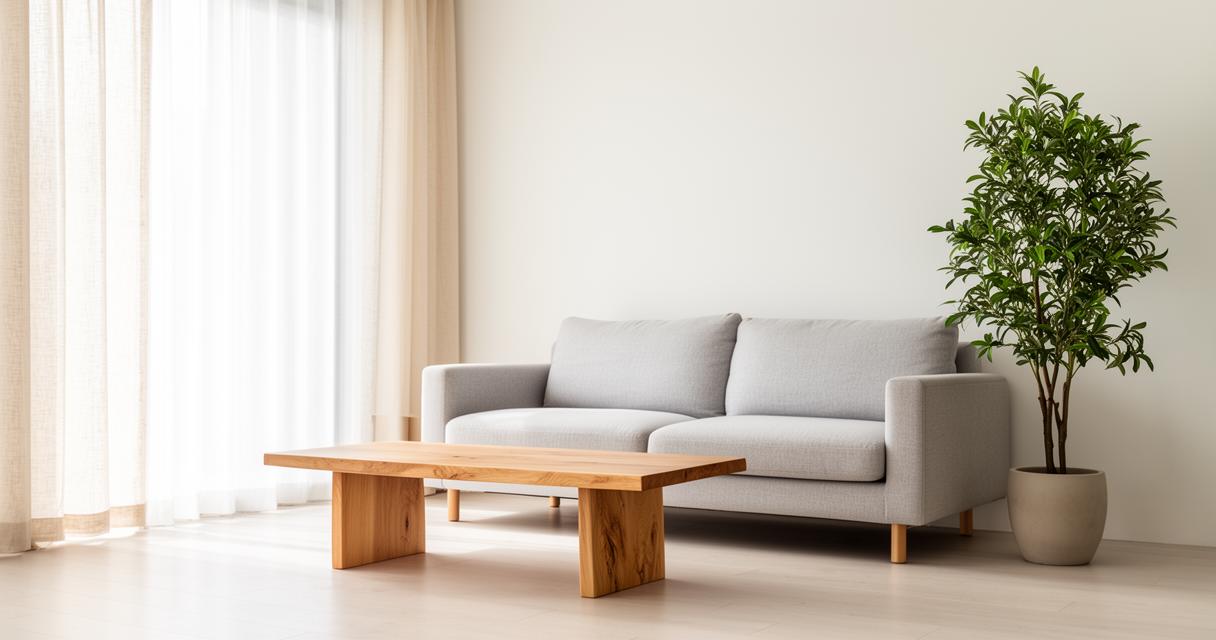
Whether you're preparing to sell or simply want to breathe new life into your surroundings, a thoughtful approach to interiors can make all the difference. Getting the details right transforms an ordinary house into a home that people genuinely want to live in, and if you're on the market, one that they want to buy.
The essentials
- Strategic room layout and furniture placement are essential to create natural flow and define the purpose of each living space.
- Decluttering and removing personal items allow prospective buyers to visualize themselves living in the home rather than feeling like guests.
- A cohesive color palette, using soft neutrals with strategic accent colors, helps make rooms feel more expansive and inviting.
- Layered lighting, combining natural light with ambient table and wall lamps, is critical to creating a warm and luxurious atmosphere.
- Thoughtful use of art and accessories adds character to a property without making the space feel overly personal or cluttered.
- Incorporating current trends, such as natural materials and modern hardware, can update a home's interior on a budget without requiring a complete overhaul.
Maximising space and functionality through strategic room layout
The way a room is arranged has a huge bearing on how it feels to walk into. Home staging has become essential for selling homes quickly, particularly given how competitive the property market has grown heading into 2025. Presentation is no longer an afterthought; it's often the deciding factor between a house that lingers on the market and one that sells within days. Good staging highlights a home's best features and creates a genuine emotional connection with buyers, which frequently translates into quicker offers and higher sale prices.
Optimising Furniture Placement for Flow and Practicality
Furniture should never feel like an obstacle course. Instead, pieces need to be positioned so that people can move naturally from one area to another without awkward detours. Think about how conversation flows in a sitting room, or how a family actually uses the kitchen during a busy morning. Pulling sofas away from walls, angling armchairs towards a focal point, and leaving generous walkways all contribute to a sense of ease. This kind of space definition gives each area clarity and purpose, helping visitors instantly understand what a room is for.
Decluttering and Organisation Techniques to Showcase Your Home's Potential
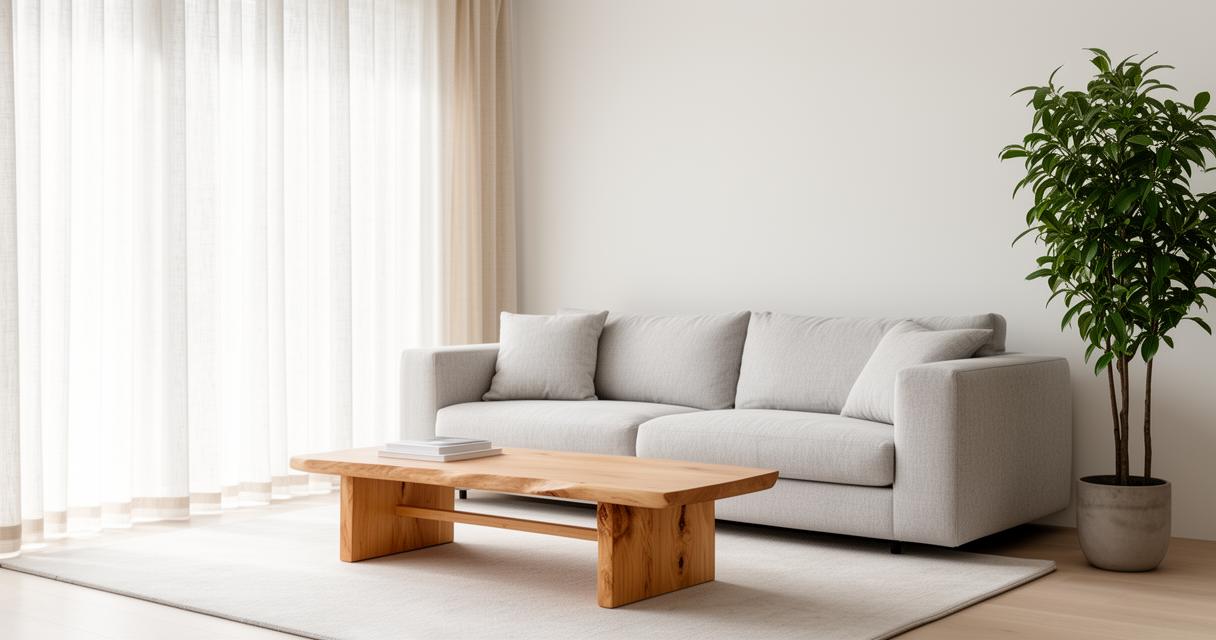
Few things undermine a room's appeal faster than mess. Decluttering creates a tidy environment that buyers find far more appealing, and it's one of the simplest yet most effective steps in the staging process. Alongside this, depersonalising a space, removing family photographs, bold personal collections, and overly specific decorations, helps buyers picture themselves living there rather than feeling like guests in someone else's home. Storage solutions, from baskets to built-in shelving, can also work wonders in keeping surfaces clear and rooms feeling spacious rather than cramped.
Creating Visual Appeal with Colour Schemes and Decorative Elements
Colour has a psychological pull that shouldn't be underestimated. The right palette can make a modest room feel expansive, or a stark space feel cosy and inviting. Matching tones across walls, soft furnishings, and woodwork creates a cohesive look that feels considered rather than accidental.
Selecting Complementary Colours and Finishes to Enhance Each Room
Soft neutrals remain a popular choice because they appeal to a broad range of tastes while still allowing character to shine through accessories. That said, a carefully chosen accent wall or a splash of deeper colour in a hallway or study can add personality without overwhelming the senses. Finishes matter too; matte paints tend to suit bedrooms and living rooms, whilst kitchens and bathrooms often benefit from more resilient, wipeable surfaces.
Incorporating Art and Accessories to Reflect Personal Style Whilst Appealing to Buyers
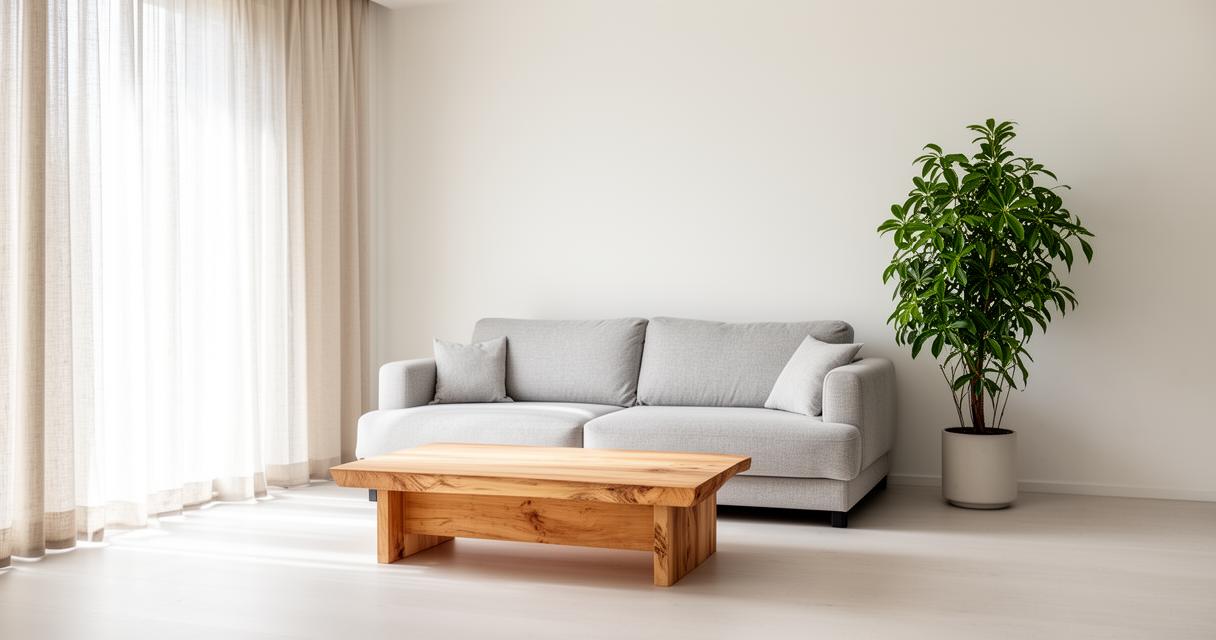
Artwork, cushions, throws, and ornaments are what give a room its soul, but there's a balance to strike between personality and universal appeal. A striking print above the fireplace or a well-placed mirror can draw the eye and add depth, whilst simple, tasteful accessories keep things feeling fresh rather than cluttered. The goal is to reflect a lived-in warmth without tipping into the overly personal territory that can make it harder for prospective buyers to imagine the space as their own.
Practical staging tricks to transform your property's atmosphere
Beyond layout and colour, there are smaller, practical touches that can dramatically shift how a room feels. These finishing touches often make the biggest impression during a viewing, when first impressions count for so much.
Using Ambient Lighting and Wall Lamps to Create a Warm, Inviting Environment
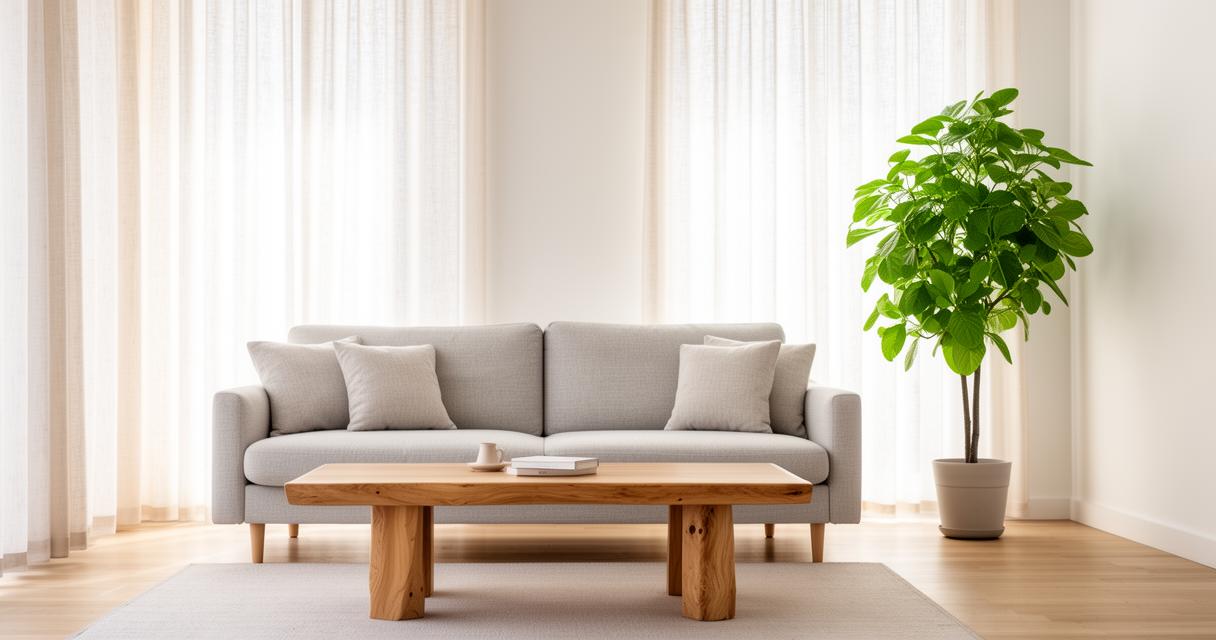
Good lighting makes spaces feel welcoming, larger, and considerably more luxurious. A sensible lighting strategy involves maximising natural light wherever possible, particularly during viewings, by opening curtains fully and clearing windowsills of obstructions. Layered lighting, combining ceiling fixtures, table lamps, and wall lamps, adds depth and warmth that a single overhead bulb simply cannot achieve. For living areas, warm white lighting in the range of 2700K to 3000K tends to create a cosy, relaxed ambiance, whereas kitchens and bathrooms generally suit cooler tones that feel cleaner and more functional. Intentionally building this sort of ambiance can foster a genuine emotional connection with potential buyers, making them linger a little longer and picture themselves settling in.
Applying Current Décor Trends to Refresh and Modernise Your Home's Interior
Keeping half an eye on current décor trends can help a property feel current without requiring a complete overhaul. Natural materials, textured fabrics, and a preference for sustainable finishes continue to shape how people decorate. Even small updates, such as swapping dated hardware or introducing a few contemporary accessories, can modernise a room considerably. A simple shopping list drawn up in advance keeps any refresh focused and budget-friendly, preventing the kind of scattergun purchases that rarely add up to a coherent look. Ultimately, thoughtful, well-organised staging isn't about spending a fortune; it's about making deliberate choices that showcase a property's genuine potential and leave a lasting impression on anyone who walks through the door.