Choosing the right furniture for a living and dining room goes far beyond simply picking pieces that appeal to the eye. The style and scale of your selections directly impact how much space you genuinely need to create a comfortable, functional environment. Whether you favour sleek minimalist designs or more traditional, generously proportioned seating, understanding the interplay between furniture dimensions and room size ensures your home feels neither cramped nor cavernous.
The relationship between furniture dimensions and room proportions
Every furniture style carries inherent spatial demands that influence how a room breathes. A sprawling Chesterfield sofa, with its deep buttoning and rolled arms, naturally requires more floor area than a streamlined mid-century modern piece. Similarly, a farmhouse dining table with chunky legs and ample overhang needs greater clearance than a slender Scandinavian design. Recognising these differences allows you to match your aesthetic preferences with the realities of your available space, preventing the common pitfall of falling in love with a piece that overwhelms your room.
Understanding spatial requirements for different sofa styles
Sofas serve as anchors in most living areas, yet their footprint varies dramatically depending on design. A standard three-seater sofa typically measures between 180 and 220 centimetres in length, but the depth and arm width introduce significant variation. Contemporary low-back models might sit at around 80 centimetres deep, whilst more traditional styles with high backs and plush cushions can extend beyond 100 centimetres. Corner sofas, increasingly popular for their versatility, demand even more consideration. An L-shaped configuration might occupy anywhere from four to six square metres of floor space, meaning the surrounding area must accommodate this footprint whilst still allowing comfortable movement. Modular sofas offer flexibility, enabling you to adjust the arrangement as your needs evolve, but they still require adequate room to avoid a cluttered feel. When selecting seating, measure not just the furniture itself but also the clearance needed on all sides. A good rule involves leaving at least 90 centimetres between the sofa and coffee table, ensuring easy passage without bumping shins or feeling hemmed in. Armchairs, though smaller, also contribute to the overall spatial equation. Pairing a sofa with two armchairs creates a welcoming conversation area, yet this arrangement demands sufficient floor space to prevent the room from appearing overcrowded. In tighter quarters, opting for a single accent chair or choosing slimmer profiles can preserve both style and functionality.
Balancing dining furniture scale with available floor space
Dining areas present their own set of spatial challenges, particularly when combined with a living zone. The size of your dining table must reflect not only the number of diners but also the room's overall dimensions. A rectangular table measuring 150 by 90 centimetres comfortably seats four, whilst a 200 by 100 centimetre version accommodates six. Round tables offer a space-efficient alternative, eliminating sharp corners and facilitating easier movement. A 120-centimetre diameter table typically seats four people, with larger versions extending to 150 centimetres or more for additional guests. Crucially, you must account for chair clearance. Each diner requires roughly 60 centimetres of table width, and chairs need at least 75 centimetres of space behind them to allow people to sit and stand without difficulty. This means a dining table positioned in the centre of a room should be surrounded by a minimum of 120 centimetres of free space on all sides, ensuring smooth circulation even when chairs are pulled out. In combined living and dining rooms, the dining table often competes for space with other key pieces. A kitchen island, for instance, can serve dual purposes as both a prep area and casual dining spot, reducing the need for a separate large table. Wall-mounted storage, such as built-in shelving or tall bookcases, maximises vertical space, freeing up the floor for essential furniture. Proportion remains paramount. Oversized furniture in a compact room creates a sense of congestion, whilst undersized pieces in a spacious area feel lost and uninviting. Striking the right balance involves careful measurement and a willingness to prioritise function alongside aesthetics.
Layout Strategies for Maximising Comfort in Combined Living-Dining Spaces
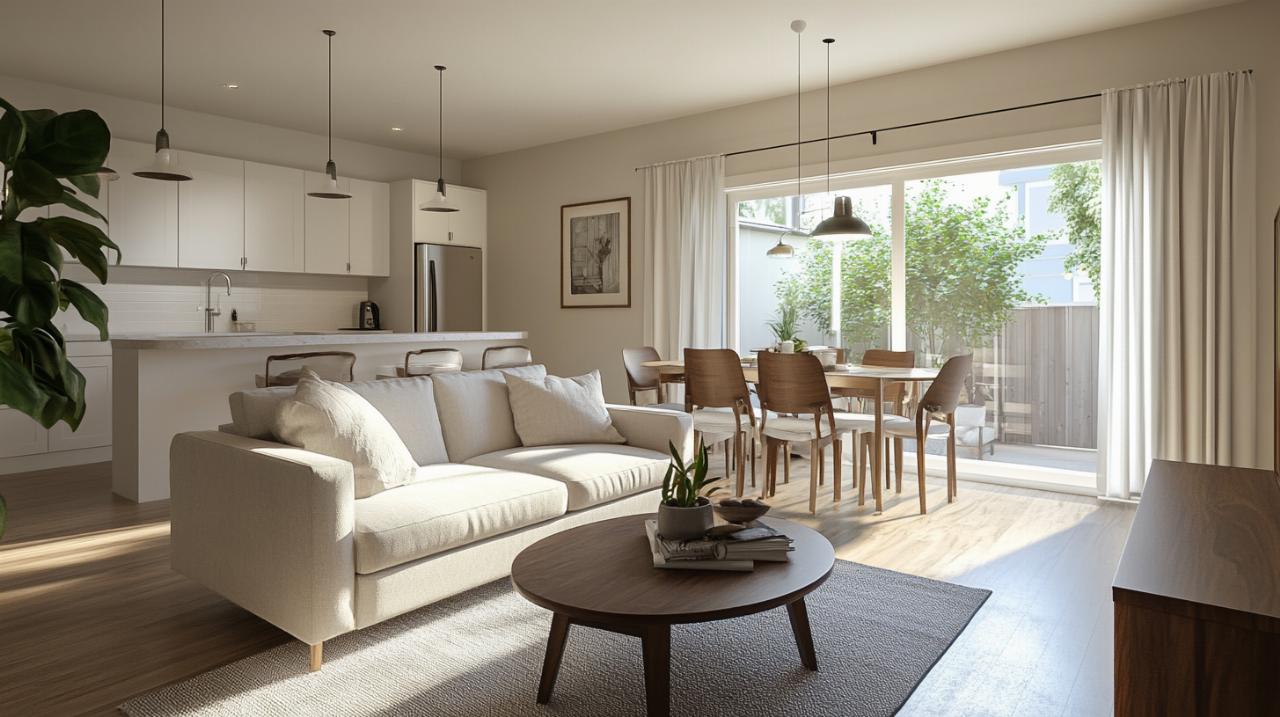
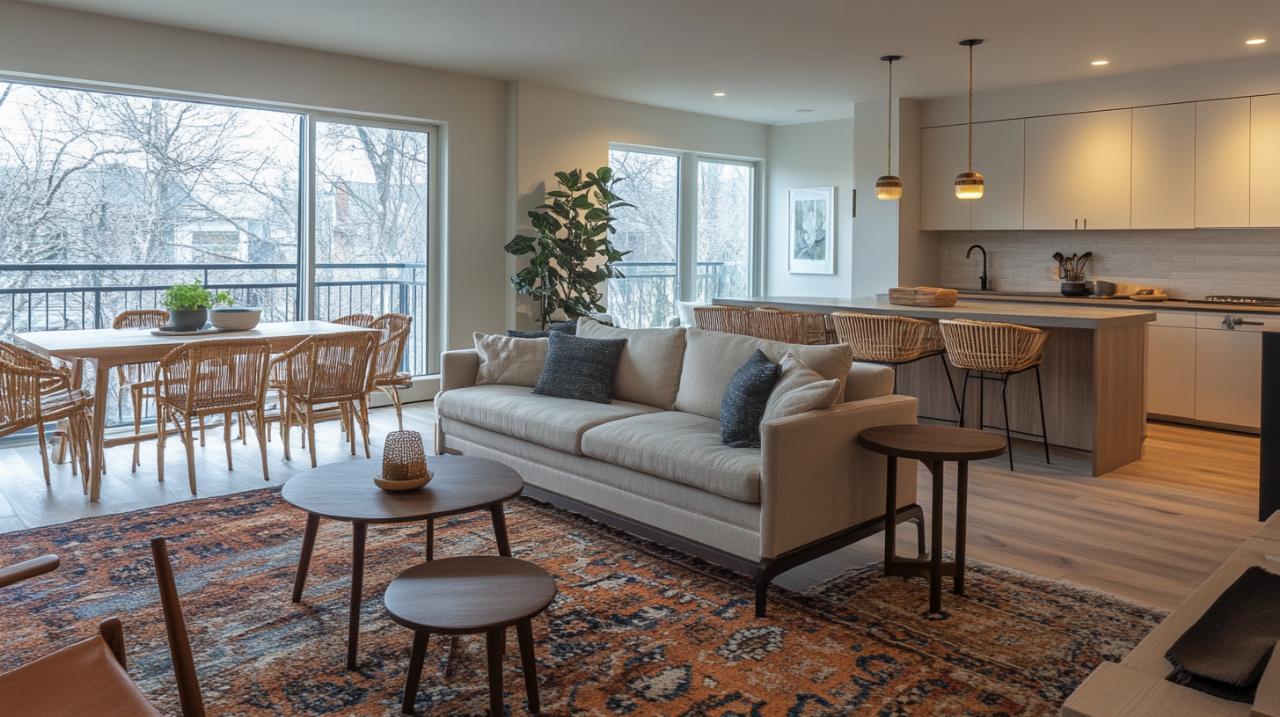
Open-plan living has become a hallmark of contemporary home design, blending cooking, dining, and relaxation into a single fluid environment. Yet this integration demands thoughtful planning to ensure each zone retains its identity without disrupting the overall flow. The key lies in creating distinct areas that feel connected rather than segmented, allowing natural movement between activities whilst maintaining a cohesive visual language.
Creating natural circulation paths around key furniture pieces
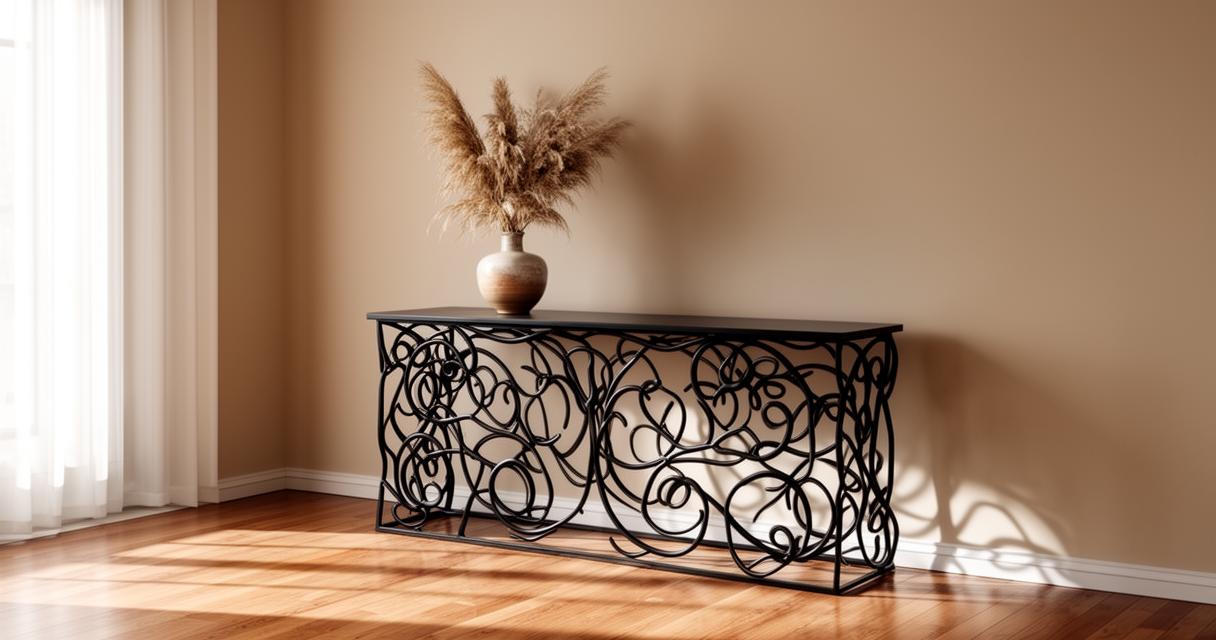
Traffic flow determines how comfortably you navigate your home, and in combined spaces, it becomes even more critical. Begin by identifying the main thoroughfares, typically the routes between the kitchen, dining table, and seating area. Furniture placement should never obstruct these paths. Pushing all pieces against the walls, a common mistake, actually reduces usable space and hinders flow. Instead, position your sofa to define the living zone, perhaps floating it in the room with a console table behind to create a subtle boundary. This approach not only improves circulation but also adds visual interest and practical surface area for lamps or decorative items. In the dining area, ensure chairs can be pulled out without colliding with other furniture or impeding walkways. If space permits, leave at least 90 centimetres between the dining table and any adjacent seating or cabinetry. In more compact settings, consider benches or armless chairs that tuck neatly under the table when not in use. Multifunctional furniture further enhances flow. Ottomans with hidden storage, for instance, provide seating or footrest options without permanently occupying floor space. Nesting tables offer flexibility, expanding when needed and consolidating when the room requires more openness. Lighting plays a supporting role in guiding movement. A ceiling fixture over the dining table signals its purpose, whilst softer, layered lighting in the living area invites relaxation. This differentiation helps the eye understand the room's organisation, even in the absence of physical dividers.
Defining functional zones without compromising flow
Creating distinct zones within an open-plan space requires subtlety and restraint. Heavy partitions or rigid dividers can fragment the room, undermining the very openness that makes combined spaces appealing. Instead, employ softer methods such as area rugs, which visually anchor each zone without erecting barriers. A large rug under the dining table and another beneath the coffee table in the living area delineate the two functions whilst maintaining a sense of continuity. Flooring consistency also matters. Using the same material throughout the space avoids the disjointed appearance that multiple floor types can introduce. If you wish to add variety, consider subtle shifts in colour or texture rather than dramatic changes. Wood tones, for example, can be echoed across both zones, creating a warm, unified backdrop. Furniture arrangement itself becomes a zoning tool. Positioning the sofa perpendicular to the dining area, rather than facing it directly, establishes a psychological boundary. Similarly, a low bookcase or sideboard placed behind the sofa can act as a gentle divider, offering storage and display space whilst preserving sightlines. Colour schemes should balance cohesion with distinction. A neutral palette forms a versatile foundation, allowing you to introduce accent colours that tie the zones together. Matching shades in cushions, artwork, or tableware can create visual links, whilst avoiding overwhelming the senses. Built-in shelving or architectural features such as alcoves provide natural division points. If your space includes these elements, embrace them rather than working against the room's inherent structure. They offer opportunities to define areas without resorting to artificial barriers. Ultimately, the goal is to create a space that feels unified yet purposeful. Each zone should support its intended function without competing for dominance, allowing the room to serve multiple roles with grace and efficiency.
Practical surface area guidelines for contemporary living-dining rooms
Translating abstract design principles into concrete measurements helps ensure your living and dining room meets both aesthetic and practical needs. Whilst personal preferences and lifestyle factors introduce variability, certain benchmarks provide useful starting points for planning your space.
Minimum square meterage for various furniture configurations
A combined living and dining room typically benefits from a minimum of 25 to 30 square metres to accommodate essential furniture without feeling cramped. This figure assumes a modest sofa, coffee table, dining table for four, and necessary circulation space. For those favouring corner sofas or larger dining configurations, aiming for 35 to 40 square metres offers greater comfort and flexibility. In smaller flats, clever furniture choices can make even 20 square metres workable. Opting for a loveseat instead of a full sofa, selecting a round dining table over a rectangular one, and incorporating wall-mounted storage all help maximise limited floor space. Armchairs, whilst charming, may need to give way to occasional chairs or poufs that can be tucked away when not in use. The relationship between furniture size and room dimensions extends beyond simple addition. A spacious room allows for generous clearances, creating an airy, uncluttered atmosphere. In contrast, tighter quarters demand precision, with every centimetre carefully allocated to avoid congestion. Measure your room before purchasing furniture, sketching out proposed layouts to visualise how pieces will fit. Many retailers offer online tools or design consultations to assist with this process, ensuring your choices align with your available space. Consider vertical space as well. Tall bookcases or shelving units draw the eye upward, creating an impression of height and openness even in modest rooms. This strategy proves particularly effective in flats with lower ceilings, where horizontal expansion feels limited.
Adjusting room dimensions to accommodate your preferred aesthetic
Whilst many homeowners must work within fixed dimensions, understanding how different styles influence spatial needs empowers better decision-making. Minimalist aesthetics, characterised by clean lines and uncluttered surfaces, thrive in smaller spaces. Furniture with slender profiles and open bases creates visual lightness, making rooms feel larger than their actual measurements suggest. Traditional styles, on the other hand, often involve bulkier pieces with ornate detailing. If your heart leans towards classic design, ensure your room can accommodate the additional volume without appearing cramped. This might mean scaling back the number of pieces or selecting items at the smaller end of the traditional spectrum. Focal points deserve special attention. In the living area, a wall-mounted television or striking piece of artwork anchors the space, whilst a statement light fixture can serve the same purpose above the dining table. These elements should command attention without overwhelming the room, maintaining proportion relative to the surrounding furniture. Storage solutions also impact spatial perception. Furniture with integrated storage, such as ottomans with lift-up lids or dining benches with hidden compartments, reduces the need for additional cabinets or shelving. This streamlined approach suits both minimalist and eclectic styles, offering practicality without sacrificing design integrity. Natural light influences how a room feels and functions. Spaces bathed in sunlight appear more expansive and welcoming, whilst dimly lit areas can feel confined. Strategic wall colours, such as soft whites or pale neutrals, amplify available light, enhancing the sense of space. Conversely, darker tones can create intimacy in larger rooms, preventing them from feeling cavernous. Ultimately, the ideal surface area for a comfortable living and dining room depends on the interplay between furniture style, layout strategies, and personal priorities. By thoughtfully considering each element, you can craft a space that not only meets practical needs but also reflects your unique vision for home.