Selecting the right number of sliding doors for your wardrobe is a decision that extends beyond mere aesthetics. It involves careful consideration of dimensions, access requirements, and budget constraints. Understanding these elements helps ensure that your investment delivers both functionality and value over time. This guide explores the key factors influencing the cost and practicality of sliding wardrobe doors, offering insights to help you make an informed choice for your home.
Determining the Ideal Number of Sliding Doors for Your Wardrobe
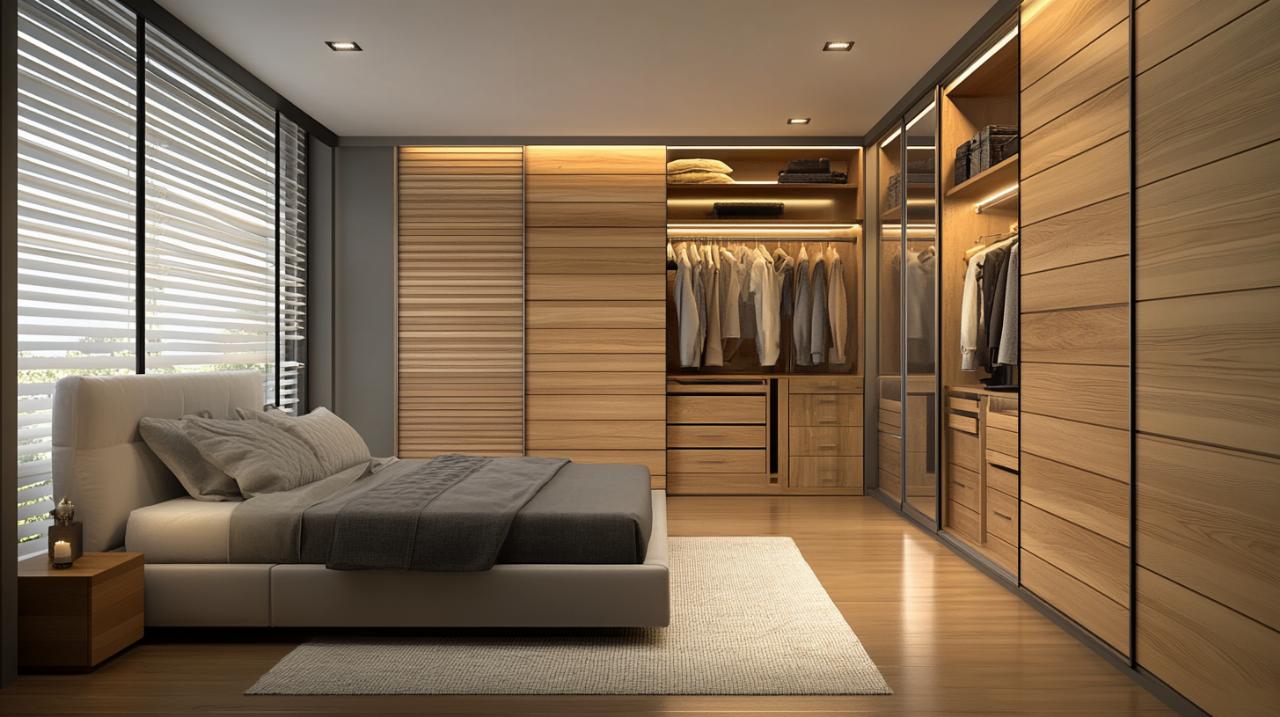
The number of sliding doors you require depends primarily on the width of the aperture you are working with. Measuring this dimension accurately is the first step in creating a functional and visually pleasing wardrobe solution. For apertures ranging from 600mm to 2400mm, a two-door or three-door configuration typically works well, providing adequate access while maintaining a balanced appearance. When the width extends from 1800mm to 3580mm, a three-door or four-door setup may be more appropriate. Larger openings, such as those spanning 2400mm to 4760mm, often benefit from four or five doors. For very wide spaces approaching 5000mm, five doors are generally recommended to ensure smooth operation and proportionate access.
Assessing your wardrobe's width and height requirements
Accurate measurement of your wardrobe space is essential to determine the optimal door configuration. The height of your wardrobe will also influence the overall design, as taller units may require additional support or specific track systems to maintain stability. When planning your sliding wardrobe doors, consider the existing interiors, including drawers, hanging rails, and shelving. These elements can affect how much of the wardrobe's interior is accessible at any given time. For instance, a two-door wardrobe typically offers around forty-six to forty-nine percent access to the interior, while a three-door configuration provides approximately twenty-nine to thirty-two percent access. A four-door setup returns to the higher range of forty-six to forty-nine percent, and a five-door arrangement offers roughly thirty-six to thirty-eight percent access. These percentages are crucial when deciding how many doors will best suit your storage needs, particularly if you have specific items that require easy and frequent access.
Understanding standard sliding door configurations and panels
Standard configurations for sliding wardrobe doors are designed to accommodate a variety of aperture widths. The minimum recommended door width is 600mm, unless the space is particularly narrow. Narrower doors may be feasible in constrained spaces, but they should not drop below certain thresholds if you plan to incorporate soft-close mechanisms. For single soft-close systems, a minimum door width of 450mm is required, while double soft-close mechanisms necessitate at least 850mm. It is also important to note that the maximum length for supplied tracks is typically 5000mm. If your aperture exceeds this dimension, the track may need to be supplied in sections, which can affect both installation complexity and cost. Before placing an order, it is advisable to contact suppliers with your precise dimensions to ensure compatibility with your existing interiors and to avoid potential issues during installation.
Material Selection and Its Impact on Wardrobe Door Costs
The materials you choose for your sliding wardrobe doors play a significant role in determining both the initial cost and the long-term value of your investment. Common finishes include matte laminate and high gloss, each offering distinct aesthetic and practical benefits. Matte laminate is often favoured for its understated elegance and resistance to fingerprints, while high gloss finishes can create a sense of space and light in smaller rooms. The choice of material also influences the durability and maintenance requirements of your wardrobe doors, making it an important consideration when planning your project.
Comparing steel, aluminium, and alternative frame materials
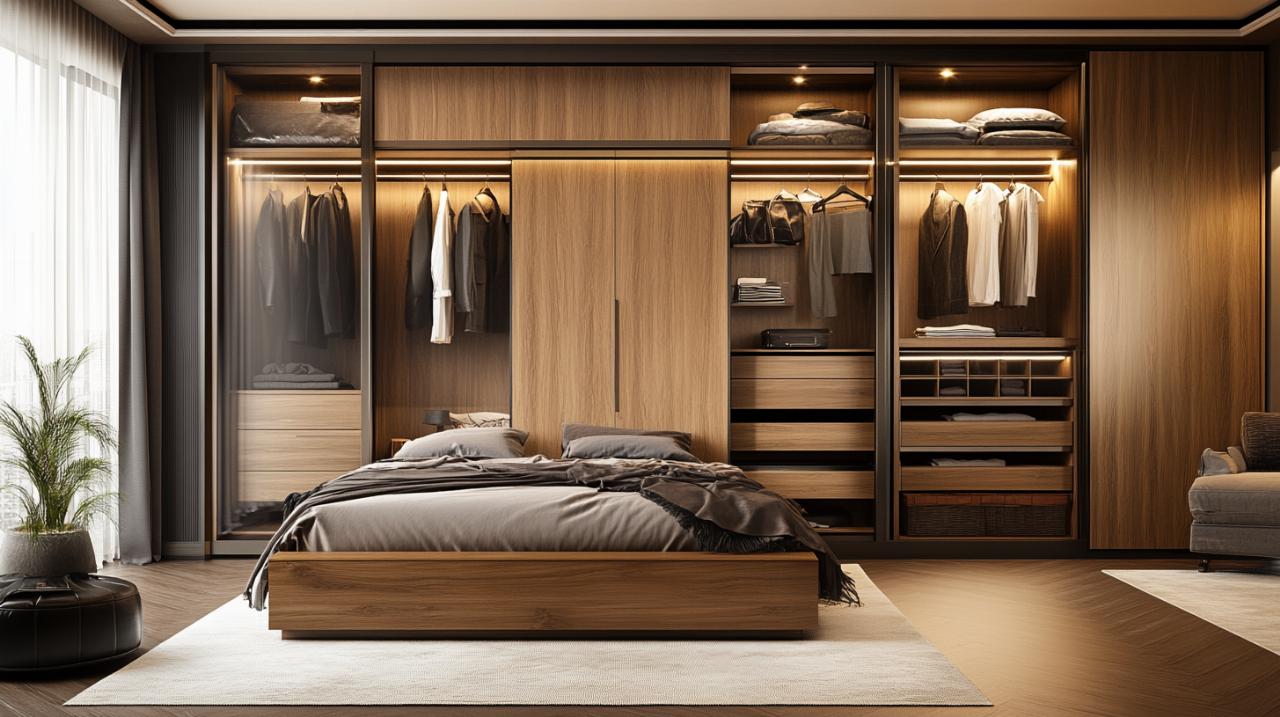
Steel and aluminium are the most commonly used materials for sliding wardrobe door frames, each with its own set of advantages. Aluminium frames are lightweight, resistant to corrosion, and available in a variety of finishes, making them a popular choice for modern interiors. Steel frames, on the other hand, offer greater strength and rigidity, which can be particularly beneficial for larger or heavier door panels. The choice between these materials often comes down to personal preference and the specific requirements of your space. In addition to the frame material, the panels themselves can be crafted from a range of options, including glass, mirror, or laminate. Glass and mirror panels tend to be more expensive but can enhance the sense of space and light in a room. Laminate panels offer a cost-effective alternative and are available in numerous colours and finishes, allowing for greater customisation to match your existing décor.
How material choice affects durability and long-term value
Investing in high-quality materials can significantly enhance the durability and longevity of your sliding wardrobe doors. While cheaper alternatives may seem appealing initially, they are more likely to require repairs or replacement over time, ultimately costing more in the long run. Reputable brands often charge a premium for their products, but this reflects their commitment to quality craftsmanship and superior materials. Choosing a well-regarded supplier can also positively impact the resale value of your home, as potential buyers are likely to appreciate the presence of bespoke fitted wardrobes that have been constructed to a high standard. Additionally, many suppliers offer guarantees that span twelve to thirty years, providing peace of mind and protection for your investment. These warranties are a testament to the confidence manufacturers have in their products and can be a deciding factor when comparing options.
Installation Considerations and Space Planning for Sliding Wardrobes
Proper installation is critical to ensuring that your sliding wardrobe doors operate smoothly and efficiently for years to come. Understanding the requirements of track and rail systems, as well as the spatial dynamics of your dressing area, will help you avoid common pitfalls and maximise the functionality of your wardrobe.
Track and Rail Systems: What You Need to Know Before Installation
The track and rail system is the foundation of any sliding wardrobe door setup. It is essential that this system is installed level and securely, as even minor misalignments can cause doors to stick or become difficult to open and close. Before installation, ensure that you have adequate access to the space where the track will be mounted. Testing the maneuverability of the doors with a mock-up can help identify potential issues before the final installation. If your wardrobe includes existing interiors such as shelving or drawers, it is important to verify that the new doors will not obstruct access to these features. Some suppliers recommend contacting them with your dimensions and interior details before ordering, as this can help prevent compatibility issues and ensure a seamless fit. National fitting services are often available, providing professional installation by experienced technicians who can handle the complexities of bespoke joinery and ensure that your wardrobe doors are fitted to perfection.
Maximising Space Efficiency in Your Dressing Area with Proper Door Selection
Sliding wardrobe doors are particularly advantageous in spaces where traditional hinged doors would be impractical or intrusive. By eliminating the need for clearance in front of the wardrobe, sliding doors allow you to make better use of available floor space, which can be especially beneficial in smaller bedrooms or dressing areas. When selecting the number of doors, consider how the configuration will affect access to the interior. Fewer doors can reduce costs, but they may also limit the proportion of the wardrobe that is accessible at any one time. Conversely, more doors can provide greater flexibility in accessing different sections of the wardrobe, though this comes with a higher price tag. Customisation options such as additional shelving, drawer separators, and LED lighting can further enhance the functionality and appeal of your wardrobe. These accessories not only improve organisation but also add a touch of luxury to your daily routine. Free design visits and three-dimensional design tools offered by many suppliers can help you visualise the final result and make adjustments before committing to a purchase. Taking advantage of these services ensures that your sliding wardrobe doors are tailored to your specific needs and preferences, delivering a solution that is both practical and aesthetically pleasing.