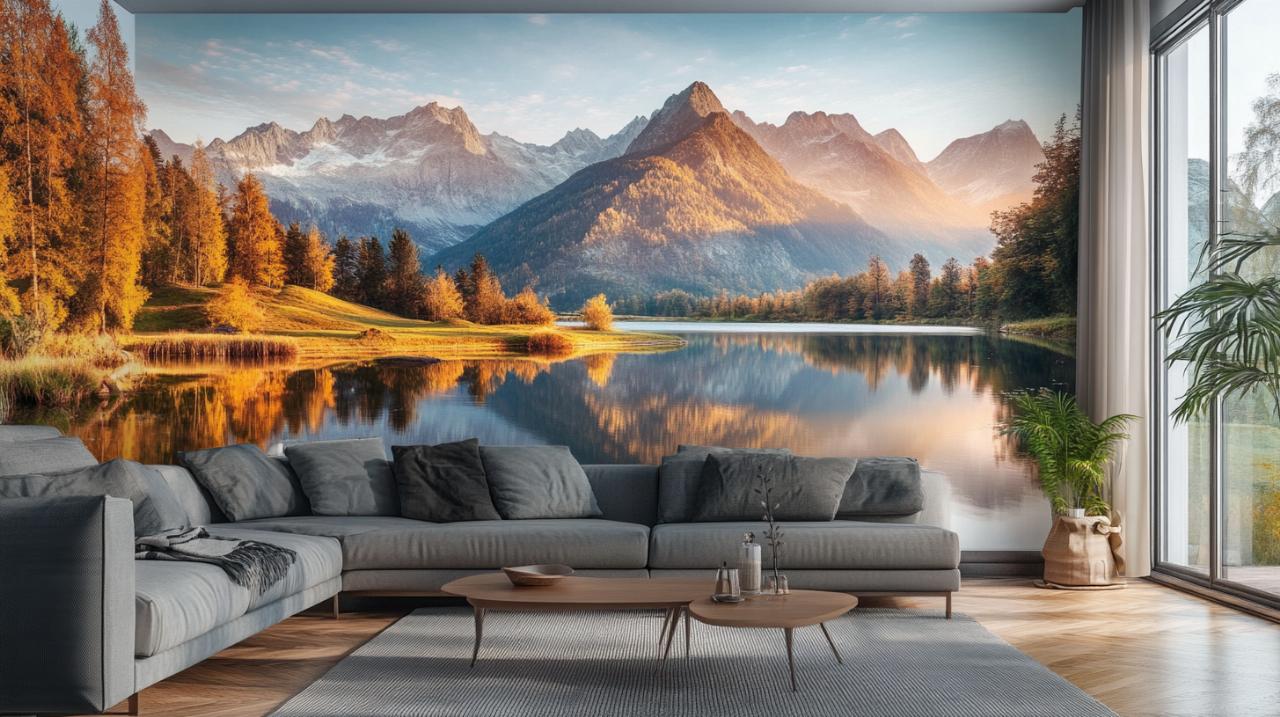
In a world where visual trickery has captivated audiences for centuries, few artistic traditions possess the enchanting power of trompe l'oeil. This French term, meaning to fool the eye, has long been celebrated for its ability to blur the boundaries between reality and artistry. When applied to wall hangings, particularly tapestries, this technique transforms ordinary interiors into spaces brimming with lifelike illusions. Bowls of fruit appear ready to pluck, antique objects seem to rest on invisible shelves, and entire scenes materialise with such convincing depth that viewers might reach out to touch them, only to find flat fabric beneath their fingertips.
Mastering the illusion: understanding trompe l'œil tapestry design
The Historical Origins of Optical Deception in Textile Wall Art
The tradition of deceiving the eye through artistic technique stretches back centuries, finding particularly fertile ground in the decorative arts of Europe. During the seventeenth century, trompe l'oeil paintings reached their zenith across the continent, captivating aristocratic patrons and emerging bourgeois collectors alike. Artists meticulously rendered objects with such precision that viewers genuinely questioned whether they were observing painted surfaces or tangible reality. This obsession with optical illusion extended beyond canvas to encompass various media, including ceramics and textiles.
Eighteenth-century England witnessed a fascinating parallel development in the ceramics industry, where factories such as Chelsea, Bow, and Worcester produced soft-paste porcelain pieces designed explicitly to trick dinner guests. These establishments employed slip casting techniques to create lightweight soup tureens and desserts that mimicked savoury foods whilst concealing sweet contents within. The success of such deceptive products hinged upon meticulous attention to detail, botanical accuracy, and scientific precision in replicating natural forms. This same philosophy informed the creation of wall hangings during the period, as weavers sought to replicate the visual deception achieved by painters and ceramicists.
The cultural significance of these works extended beyond mere novelty. Displaying trompe l'oeil objects in one's home demonstrated refined taste, considerable wealth, and an awareness of exotic cuisines and far-flung cultures. Such pieces announced their owners as individuals of discernment, capable of appreciating the technical mastery required to imitate nature so convincingly. This tradition has persisted into contemporary interior design, where tapestry wall hangings continue to offer homeowners an opportunity to introduce sophisticated visual intrigue into their living spaces.
How contemporary tapestry products deceive the eye through dimensional design
Modern tapestry manufacturers have inherited this rich legacy whilst adapting it to suit current aesthetic sensibilities. Today's trompe l'oeil wall hangings employ advanced weaving techniques to create dimensional effects that rival those achieved by their historical predecessors. Unlike flat printed images, these woven products utilise variations in thread texture, colour gradation, and pattern density to generate the illusion of depth and shadow. The result is a surface that appears to recede and project, fooling the eye into perceiving three-dimensional objects where only two-dimensional fabric exists.
The selection of motifs for contemporary trompe l'oeil tapestries often draws inspiration from classical still life compositions. Arrangements featuring bowls overflowing with luscious fruit remain perennially popular, their rounded forms and varied textures providing ideal subjects for demonstrating the weaver's skill. Antique objects such as ornate vases, leather-bound volumes, and musical instruments also feature prominently, their complex surfaces offering opportunities to showcase the subtleties of light and shadow that make trompe l'oeil so convincing. These designs appeal to those seeking to introduce a sense of historical continuity into modern interiors without sacrificing contemporary comfort.
Interestingly, the legacy of trompe l'oeil has influenced movements far beyond decorative arts. The exhibition 'Cubism and the Trompe l'Oeil Tradition' at the Metropolitan Museum of Art in New York, which ran until January 2023, explored how pioneers such as Picasso, Braque, and Gris engaged with this visual tradition. Whilst seventeenth-century trompe l'oeil aimed to fool the eye, Cubists sought to fool the mind, fragmenting and reassembling reality to challenge perceptions of truth and falsehood. This intellectual lineage reminds us that even decorative wall products participate in broader conversations about representation, perception, and the nature of artistic truth.
Transforming Interior Walls: Choosing Between Tapestry and Wallpaper for Maximum Impact
The tactile advantage: why woven wall products surpass printed wallpaper
When considering options for enhancing interior walls, homeowners frequently deliberate between tapestry and wallpaper. Whilst both serve similar decorative functions, the tactile qualities of woven tapestries offer distinct advantages that printed wallpaper simply cannot match. The physical depth inherent in textile construction creates subtle variations in surface texture that catch and reflect light differently throughout the day. This dynamic quality ensures that a trompe l'oeil tapestry presents a constantly evolving visual experience, appearing subtly different in morning sunlight than in evening lamplight.
Moreover, the durability of quality tapestry products far exceeds that of most wallpaper varieties. Whilst paper-based wall coverings may fade, peel, or tear over time, properly maintained textiles can endure for generations. This longevity makes tapestries a worthwhile investment for those committed to creating interiors with lasting appeal. The fabric's inherent ability to absorb sound also contributes to improved acoustics within a room, a practical benefit that wallpaper cannot provide. These functional advantages complement the aesthetic appeal of trompe l'oeil designs, making tapestries particularly suitable for spaces where both beauty and practicality matter.
The installation process also differs significantly between these two wall covering options. Wallpaper typically requires careful measurement, adhesive application, and precise alignment to avoid visible seams or bubbles. Tapestries, conversely, can be hung using simple rod systems or decorative hooks, allowing for easier repositioning should one wish to refresh a room's layout. This flexibility proves especially valuable in rental properties or homes where design preferences may evolve over time. The ability to relocate a cherished tapestry from room to room or residence to residence adds to its appeal as a versatile decorative product.
Positioning Your Trompe L'Œil Design to Capture the Eye and Enhance Room Architecture
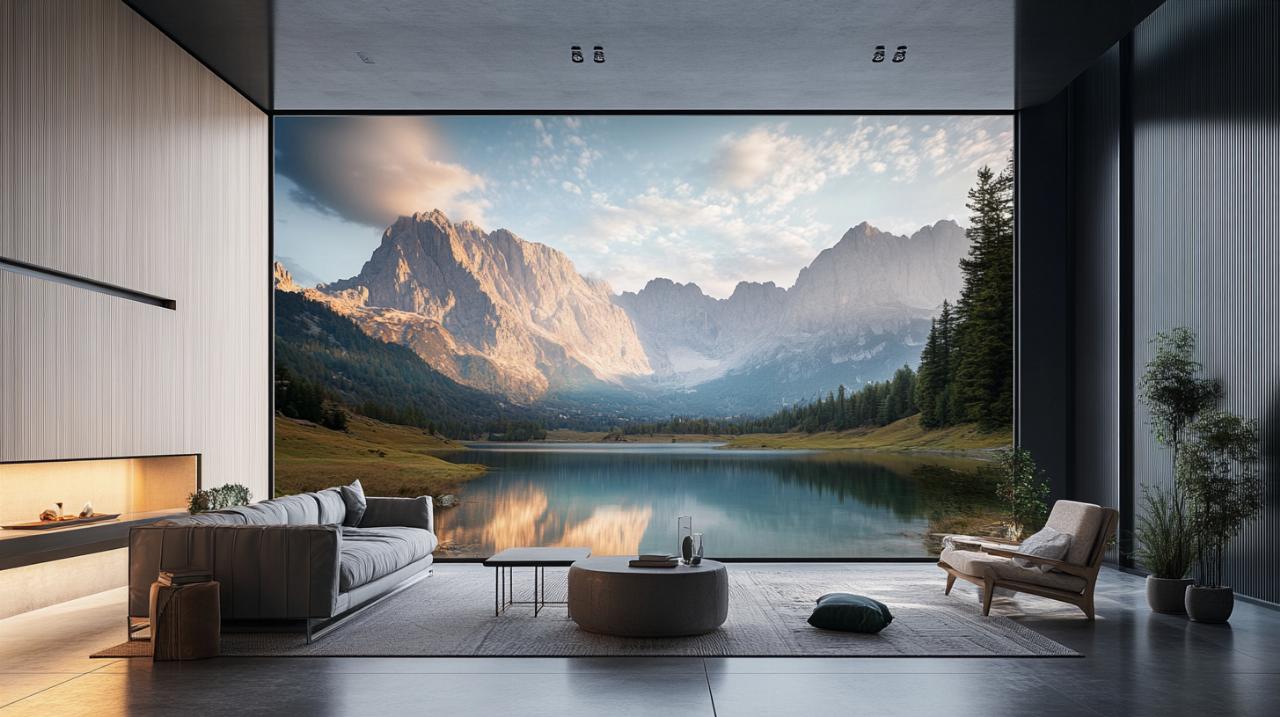
Successful deployment of trompe l'oeil tapestries requires thoughtful consideration of placement within a room's architecture. The illusion works most effectively when the tapestry occupies a wall that naturally draws the eye upon entering a space. Positioning such a piece opposite a doorway or at the terminus of a corridor ensures that viewers encounter the deceptive imagery at the optimal angle, allowing the three-dimensional effect to manifest fully. Poor placement can undermine even the most skilfully executed design, reducing its impact to that of a mere decorative accent rather than a commanding focal point.
Lighting plays an equally crucial role in maximising the effectiveness of these illusionistic textiles. Natural light from windows should ideally fall across the tapestry's surface at an angle that emphasises the dimensional qualities woven into the design. Artificial lighting requires similar consideration, with spotlights or picture lights positioned to cast gentle shadows that enhance the perception of depth. Harsh overhead illumination can flatten the image, negating the careful gradations of tone and texture that create the trompe l'oeil effect. Experimentation with lighting angles often reveals the optimal configuration for a particular piece and room.
The surrounding decor must also complement rather than compete with a trompe l'oeil tapestry. Walls adjacent to the featured textile should remain relatively understated, allowing the illusionistic design to command attention without visual interference. Furniture arrangements should acknowledge the tapestry's presence, perhaps by creating a seating area oriented towards it, encouraging contemplation of its intricate details. Treating the tapestry as a conversation piece rather than mere background decoration elevates its status within the interior scheme and ensures that its technical sophistication receives due appreciation from inhabitants and guests alike.
Bringing Still Life to Your Wall: Selecting the Perfect Trompe L'Œil Tapestry Product
Classic Motifs: Bowls of Fruit and Antique Objects That Fool the Eye
Traditional trompe l'oeil motifs continue to dominate the market for illusionistic tapestries, with bowls of fruit representing perhaps the most enduringly popular subject matter. These compositions typically feature an abundance of grapes, apples, pears, and citrus fruits arranged with studied casualness, their surfaces rendered with attention to every highlight and shadow. The appeal of such imagery extends beyond mere decoration; these arrangements symbolise prosperity, seasonal rhythms, and the pleasures of domestic comfort. Their timeless quality ensures they harmonise with both period and contemporary interiors.
Antique objects constitute another favoured category within trompe l'oeil tapestry design. Vintage scientific instruments, weathered books with visible page edges, ornate clocks frozen at particular moments, and delicate porcelain vessels all feature prominently in these compositions. Such imagery evokes a sense of accumulated wisdom and cultural refinement, suggesting that the homeowner possesses both intellectual curiosity and aesthetic discernment. The inclusion of recognisable antique forms also grounds the illusionistic design in familiar reality, making the deception more convincing to the casual observer.
Some contemporary designers have begun experimenting with more unexpected subjects whilst maintaining the trompe l'oeil technique. Trompe l'oeil windows revealing imaginary garden vistas, bookshelves stocked with volumes one might wish to own, and architectural details such as classical columns or ornate mouldings expand the possibilities for these deceptive textiles. These innovative approaches demonstrate that the tradition remains vital and adaptable, capable of evolving to meet changing tastes whilst preserving the fundamental appeal of visual illusion that has captivated audiences since the seventeenth century.
Curating Your Design Aesthetic: Matching Tapestry Style to Interior Wallpaper and Décor
Integrating a trompe l'oeil tapestry into an existing interior scheme requires careful consideration of colour palettes, stylistic coherence, and spatial proportions. The tapestry's dominant hues should relate harmoniously to the room's existing colour scheme, whether through direct coordination or thoughtful contrast. A tapestry featuring warm fruit tones might complement earth-toned interiors, whilst one depicting cool marble or porcelain objects could enhance spaces decorated in blues and greys. This chromatic relationship ensures the piece feels intentional rather than arbitrary within the overall design.
Scale presents another critical factor in successful tapestry selection. Oversized pieces can overwhelm modest rooms, whilst diminutive examples may appear insignificant on expansive walls. Measuring the intended wall space and considering sight lines from various positions within the room helps determine appropriate dimensions. The complexity of the trompe l'oeil design should also inform size decisions; highly detailed compositions merit sufficient scale to allow viewers to appreciate their intricacy, whereas simpler motifs can succeed at smaller dimensions without losing impact.
Finally, the stylistic character of a trompe l'oeil tapestry should resonate with the room's overall aesthetic direction. Classical compositions featuring historical objects naturally complement traditional interiors furnished with antiques and reproduction pieces. More abstracted or contemporary interpretations of the trompe l'oeil technique suit modern spaces where clean lines and minimalist sensibilities prevail. This alignment between tapestry style and interior character creates visual coherence, transforming individual decorative elements into components of a unified whole. When thoughtfully selected and positioned, a trompe l'oeil wall hanging transcends its status as mere product to become an integral element of domestic architecture, delighting the eye whilst demonstrating the enduring appeal of artful deception.