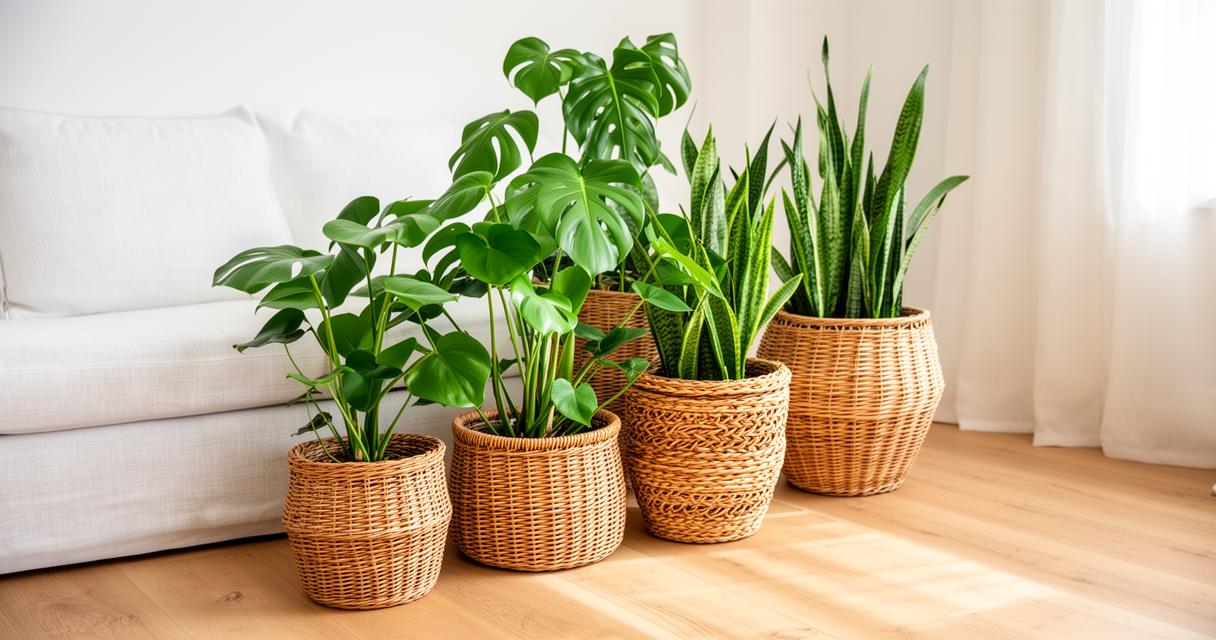

The humble rubber plant has quietly claimed its spot as a quintessential British houseplant, gracing countless living rooms and hallways with its broad, glossy foliage. Its reputation for resilience and understated elegance makes it a natural choice for those seeking to introduce a touch of greenery without the fuss of intensive upkeep. Beyond mere decoration, the Ficus Robusta variety stands out as a reliable ally in the quest for cleaner indoor air, offering both aesthetic charm and tangible health benefits. This guide delves into everything you need to know about selecting, positioning, and nurturing your rubber plant to ensure it thrives for years to come.
Understanding ficus robusta and its air-purifying properties
What Makes Ficus Robusta an Excellent Choice for Indoor Air Quality
The Ficus Robusta earns its stripes not only through its striking appearance but also through its ability to tackle common indoor pollutants. Research has shown that this robust variety excels at removing formaldehyde from the air, a chemical often found in household furnishings and cleaning products. The broad, dark green leaves act as natural filters, absorbing airborne toxins and releasing fresh oxygen in return. For those living in urban areas or homes with limited ventilation, the presence of a Ficus Robusta can contribute to a healthier breathing environment. The plant also helps to regulate humidity levels, which may reduce the likelihood of respiratory irritations and allergies. Its anti-inflammatory properties, though more commonly associated with its sap in traditional remedies, underscore the plant's connection to wellness. This combination of practical air purification and low maintenance requirements makes the Ficus Robusta a favourite among houseplant enthusiasts across the United Kingdom.
Comparing Ficus Robusta with Ficus Elastica and Tineke Varieties
While Ficus Robusta is often discussed as a distinct variety, it is in fact closely related to the broader Ficus Elastica family, which includes several popular cultivars. The Robusta variant is prized for its particularly large, leathery leaves and vigorous growth habit, making it an ideal choice for those who want a statement plant without excessive pampering. In contrast, the Tineke variety offers a softer aesthetic with its creamy white and pale green variegation, appealing to those who prefer a lighter, more delicate look. The classic Ficus Elastica, sometimes referred to as the Burgundy or Decora, showcases deep green to almost purplish foliage that adds drama to any interior. Each variety shares similar care requirements, thriving in bright, indirect light and preferring well-draining soil. However, the Robusta tends to be more forgiving of occasional lapses in watering or less than perfect lighting conditions, which explains its enduring popularity among novice and experienced plant keepers alike. Whether you opt for the bold Robusta or the elegant Tineke, the Ficus Elastica family offers a range of options to suit different tastes and living spaces.
Selecting the Perfect Pot and Ideal Placement for Your Ficus Robusta
Choosing the Right Pot Size and Material for Optimal Growth
Selecting an appropriate pot is crucial to the long-term health of your Ficus Robusta. The container should provide adequate room for root expansion without being excessively large, as overly spacious pots can retain too much moisture and lead to root rot. A pot with drainage holes is essential to prevent water from pooling at the bottom, which is one of the most common pitfalls in houseplant care. Ceramic and terracotta pots are excellent choices, as they allow the soil to breathe and help regulate moisture levels. Plastic pots can also work well, provided they have sufficient drainage and are not left sitting in saucers of water. When purchasing a Ficus Robusta, it is often sold in six, eight, ten, or even fourteen-inch pots, depending on its maturity. As the plant grows, repotting every two to six years into a slightly larger container will encourage continued vigour and prevent the roots from becoming pot-bound. Using a high-quality, well-draining potting mix designed for houseplants will further support healthy growth and reduce the risk of disease.

Best Locations in Your Home: Living Room, Bathroom, and Beyond
Finding the right spot for your Ficus Robusta can make all the difference between a thriving specimen and a struggling plant. The living room is often the ideal location, offering plenty of bright, indirect light and a stable temperature range that suits the plant's needs. Positioning the plant near a window that receives filtered sunlight will encourage robust leaf development without the risk of scorching. Bathrooms can also be suitable, particularly if they have a window and naturally higher humidity levels, which the plant appreciates. However, avoid placing the Ficus Robusta in areas with frequent temperature fluctuations, such as near radiators or draughty doorways. The plant thrives in temperatures between fifteen and twenty-four degrees Celsius, making most UK homes well suited to its requirements. In larger spaces, a mature Ficus Robusta can serve as an impressive floor plant, adding vertical interest and a sense of tranquillity to the room. Whether you choose a corner of the living room, a bright hallway, or a well-lit bathroom, ensuring the plant receives consistent conditions will help it flourish and maintain its glossy, vibrant foliage.
Essential care routine: light, water, and maintenance tips
Providing proper light exposure and managing watering schedules
Light is one of the most critical factors in the care of a Ficus Robusta. The plant requires medium to high levels of bright, indirect light to support its growth and maintain the deep green colour of its leaves. Direct sunlight should be avoided, as it can cause unsightly burn marks and damage the foliage. If natural light is limited, placing the plant near the brightest window in your home will suffice, though growth may be slower. When it comes to watering, the golden rule is to allow the top two to three inches of soil to dry out between waterings. During the warmer months of spring and summer, you may find yourself watering every seven to ten days, while in the cooler winter period, the interval can stretch to every fourteen to twenty-one days. Overwatering is a common mistake that can lead to yellow leaves and root rot, so it is better to err on the side of caution and check the soil moisture regularly. Ensuring that your pot has adequate drainage will further protect the plant from waterlogged conditions. Consistency in both light and watering will reward you with a healthy, vigorous Ficus Robusta that continues to purify your indoor air and enhance your living space.
Troubleshooting common issues and seasonal care adjustments
Even with the best care, Ficus Robusta can occasionally present challenges that require a bit of detective work. Leaf drop is a frequent concern and can be triggered by sudden changes in temperature, overwatering, or relocation of the plant. If you notice leaves falling, assess the watering schedule and ensure the plant is not exposed to cold draughts or heat sources. Yellow leaves often indicate overwatering or poor drainage, so adjusting your watering routine and checking the condition of the soil is essential. Brown edges or tips on the leaves can result from low humidity or inconsistent watering, and a simple remedy is to mist the foliage occasionally or place a tray of water near the plant to increase ambient moisture. Curling leaves may suggest either too much or too little water, so it is important to observe the soil and adjust accordingly. Pests such as spider mites, mealybugs, and scale insects can also appear, particularly in warm, dry conditions. Regularly inspecting the undersides of leaves and wiping them with a moist cloth will help prevent infestations and keep the foliage looking glossy and healthy. During the growing season, feeding the plant every other week with a balanced houseplant fertiliser will support vigorous growth, while in winter, reducing feeding to once every four weeks is advisable. Pruning can be carried out in spring, summer, or early autumn to maintain the desired shape and size, and any cuttings can be rooted to propagate new plants. By staying attentive to your Ficus Robusta's needs and making seasonal adjustments, you will ensure it remains a stunning and beneficial addition to your home for many years to come.