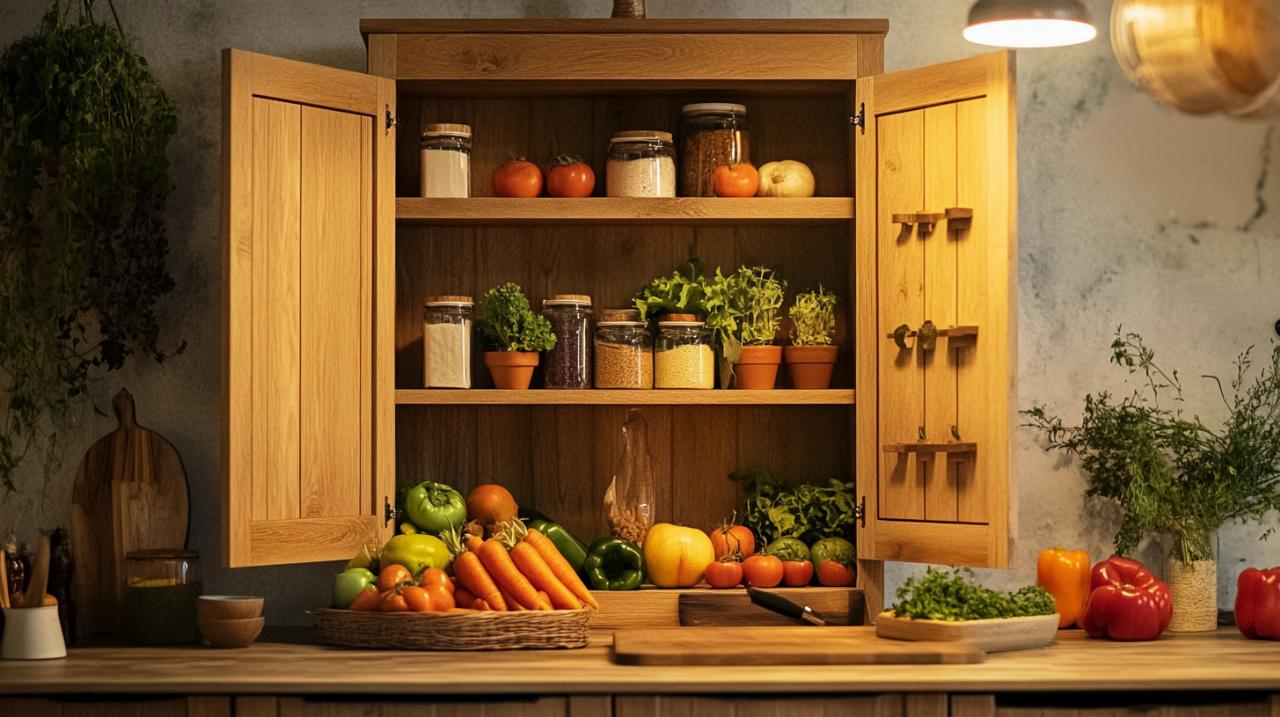
In the quest for a more organised and inviting kitchen, the vegetable fruit rack has emerged as an indispensable feature that marries practicality with charm. Far from being a mere storage afterthought, this piece of furniture serves as a focal point that encourages healthier eating habits whilst elevating the overall aesthetic of your culinary space. With fresh produce displayed prominently and within easy reach, you are naturally drawn to incorporate more fruits and vegetables into your daily meals, transforming your kitchen into a hub of wellness and visual delight.
Why a Vegetable Fruit Rack Is Essential for Modern Kitchen Organisation
The modern kitchen is a dynamic space where efficiency and style coexist, and the vegetable fruit rack has become a cornerstone of this evolution. As we strive to declutter worktops and streamline our cooking environments, having dedicated storage that showcases fresh produce has proven to be both sensible and stylish. The rack offers a designated home for fruits and vegetables, eliminating the chaos of loose items scattered across counters or hidden away in drawers. This organised approach not only enhances the visual harmony of the kitchen but also makes meal preparation more intuitive and enjoyable.
Maximising kitchen space whilst keeping produce fresh and accessible
One of the primary advantages of incorporating a vegetable fruit rack into your kitchen is its ability to maximise space without sacrificing accessibility. In smaller kitchens, where every square inch counts, vertical storage solutions become invaluable. A well-designed rack can take advantage of often-neglected vertical space, freeing up valuable work surfaces for other tasks. By stacking or tiering your produce, you create a compact yet highly functional storage system that ensures everything from apples to courgettes remains visible and within arm's reach. This visibility is crucial, as it encourages you to use fresh ingredients before they spoil, reducing waste and promoting a more mindful approach to food consumption.
Moreover, the open structure of most vegetable fruit racks allows for optimal air circulation around your produce. Unlike sealed containers or plastic bags, which can trap moisture and accelerate spoilage, a rack permits each item to breathe. This natural ventilation is particularly beneficial for fruits and vegetables that require room to ripen or need to release ethylene gas without affecting neighbouring items. As a result, your produce stays fresher for longer, and you are rewarded with the satisfaction of knowing that your kitchen is operating at peak efficiency.
How Proper Storage Extends the Shelf Life of Your Fresh Produce
Understanding the science behind produce storage can transform the way you maintain your vegetable fruit rack. Proper storage techniques hinge on recognising that different fruits and vegetables have unique needs. Some items thrive in cool, dry conditions, whilst others benefit from a bit of humidity and ambient warmth. By segregating your produce according to these requirements and arranging them thoughtfully on your rack, you can significantly extend their shelf life. For instance, root vegetables such as potatoes and onions prefer darker, cooler spots, whereas tomatoes and citrus fruits flourish in slightly warmer, well-ventilated areas.
Additionally, the act of regularly inspecting your produce becomes far simpler when everything is displayed on a rack. You can quickly identify any items that are beginning to overripen or show signs of spoilage, allowing you to use them promptly or remove them before they affect the rest of your stock. This proactive approach not only minimises waste but also ensures that your kitchen remains a hygienic and pleasant environment. The transparency afforded by a vegetable fruit rack thus serves a dual purpose: it promotes freshness and empowers you to make informed decisions about meal planning and grocery shopping.
Choosing the Perfect Vegetable Fruit Rack to Complement Your Kitchen Décor
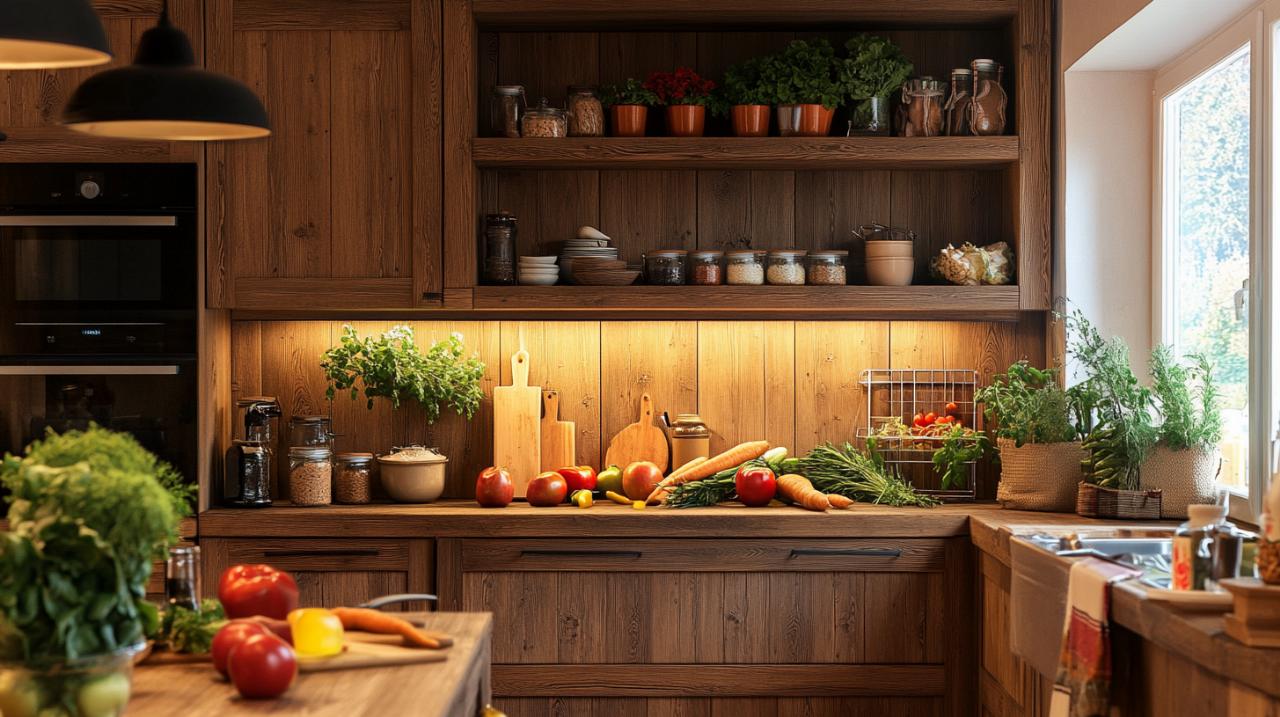
Selecting the ideal vegetable fruit rack involves more than merely picking a functional piece; it is an opportunity to enhance your kitchen's character and reflect your personal style. The market offers an impressive array of designs, from rustic wooden structures that evoke a farmhouse charm to sleek metal frames that exude contemporary elegance. Each material and design choice carries its own set of benefits and visual connotations, making it essential to consider how a particular rack will harmonise with your existing décor. A thoughtfully chosen rack can serve as a statement piece that ties together disparate elements of your kitchen, creating a cohesive and inviting atmosphere.
Materials and design styles that blend functionality with visual appeal
The materials used in constructing a vegetable fruit rack play a pivotal role in determining both its durability and its aesthetic impact. Wooden racks, often crafted from sturdy timber such as pine or oak, bring warmth and a sense of tradition to the kitchen. Their natural grain and earthy tones can soften the clinical feel of modern appliances, infusing the space with a welcoming, homely quality. On the other hand, metal racks fashioned from wrought iron, stainless steel, or powder-coated wire offer a more industrial or minimalist vibe. These materials are celebrated for their resilience and ease of cleaning, making them ideal for busy households where practicality is paramount.
Beyond the choice of material, the overall design of the rack should complement the functional demands of your kitchen. Multi-tiered racks, for example, provide ample storage in a compact footprint, whilst single-tier designs can make a bold statement on a spacious countertop or island. Some racks incorporate additional features such as hooks for hanging utensils or drawers for storing smaller items, further enhancing their utility. When evaluating design styles, consider how the silhouette and detailing of the rack align with the rest of your kitchen furniture. A rack with clean lines and geometric shapes will suit a modern aesthetic, whereas one with ornate detailing and a distressed finish may be better suited to a vintage or cottage-style kitchen.
Matching Your Rack to Your Kitchen's Existing Aesthetic and Layout
Achieving a seamless integration of your vegetable fruit rack into your kitchen requires careful attention to both colour and spatial dynamics. Start by assessing the dominant hues and finishes present in your cabinetry, worktops, and flooring. If your kitchen features a palette of whites and greys, a rack in a contrasting dark wood or matte black metal can add depth and visual interest. Conversely, in a kitchen adorned with rich, warm tones, a lighter rack in natural wood or brushed nickel can prevent the space from feeling overly heavy or cluttered.
Layout considerations are equally important. Measure the area where you intend to place your rack, taking into account not only the available floor or counter space but also the height and clearance required. In galley kitchens or compact spaces, a slender, vertical rack may be the most sensible choice, whereas open-plan kitchens can accommodate larger, more elaborate designs. Think about traffic flow and accessibility as well; the rack should be positioned where it can be easily reached during meal preparation without impeding movement or creating hazards. By thoughtfully matching your rack to both the aesthetic and practical dimensions of your kitchen, you create a harmonious environment that is as functional as it is beautiful.
Practical Tips for Arranging and Maintaining Your Vegetable Fruit Rack
Once you have selected and installed your vegetable fruit rack, the next step is to develop a system for arranging and maintaining it that maximises both its utility and its visual appeal. A well-organised rack not only showcases your produce in an attractive manner but also simplifies your cooking routine and helps you keep track of your stock. Establishing a consistent arrangement method and adhering to a regular maintenance schedule will ensure that your rack remains a source of pride and efficiency in your kitchen for years to come.
Best Practices for Sorting and Displaying Different Types of Produce
Effective organisation begins with understanding the unique characteristics of the items you store. Group similar produce together to create visual harmony and to facilitate easier access during cooking. For example, place root vegetables such as carrots and parsnips on lower tiers, where their earthy colours can ground the display, whilst brighter fruits like oranges and lemons can occupy upper levels, drawing the eye upward and adding a splash of vibrant colour. This layered approach not only makes practical sense but also transforms your rack into a dynamic focal point that changes with the seasons and the variety of produce available.
Consideration should also be given to the ripening and storage needs of different items. Keep ethylene-producing fruits, such as bananas and avocados, separate from ethylene-sensitive vegetables like leafy greens and cucumbers to prevent premature spoilage. If your rack has multiple compartments or baskets, dedicate each section to a specific type of produce, and rotate stock regularly so that older items are used first. This first-in, first-out method is a simple yet effective strategy for minimising waste and ensuring that nothing languishes unnoticed at the back of a tier.
Additionally, do not overlook the aesthetic potential of your arrangement. Experiment with colour combinations and textures to create displays that are not only functional but also visually striking. A mixture of smooth-skinned apples, knobbly potatoes, and vibrant peppers can create a pleasing contrast that enlivens your kitchen and inspires creativity in meal planning. Remember that the goal is to strike a balance between practicality and beauty, allowing your vegetable fruit rack to serve as both a workhorse and a work of art.
Cleaning and Care Routines to Keep Your Rack Looking Brilliant Year-Round
Maintaining the pristine appearance of your vegetable fruit rack is essential for preserving its functionality and ensuring a hygienic kitchen environment. Regular cleaning prevents the build-up of dirt, spills, and residues that can tarnish the rack's finish and harbour bacteria. The frequency and method of cleaning will depend on the material of your rack, but a few universal principles apply. Start by removing all produce from the rack, inspecting each item as you go to discard any that are past their prime. This routine not only keeps your stock fresh but also provides an opportunity to thoroughly clean every surface.
For wooden racks, use a soft cloth dampened with warm water and a mild detergent to wipe down each tier and support. Avoid soaking the wood or using harsh chemicals, as these can damage the finish and compromise the integrity of the timber. After cleaning, dry the rack immediately with a clean towel to prevent moisture from seeping into the wood. Periodically, you may wish to treat wooden racks with a food-safe oil or wax to nourish the wood and maintain its lustre. Metal racks, whether wrought iron or stainless steel, can be cleaned with a solution of warm water and washing-up liquid, followed by a thorough rinse and dry. For stubborn stains or tarnish, a gentle abrasive cleaner or a paste of bicarbonate of soda and water can work wonders without scratching the surface.
In addition to regular cleaning, inspect your rack periodically for signs of wear or damage. Tighten any loose screws or bolts, and check for rust or corrosion on metal components. Addressing these issues promptly will extend the life of your rack and ensure that it continues to serve you well. By integrating these simple care routines into your weekly kitchen maintenance, you will keep your vegetable fruit rack looking brilliant and performing optimally year after year, making it a lasting investment in both the health and beauty of your home.