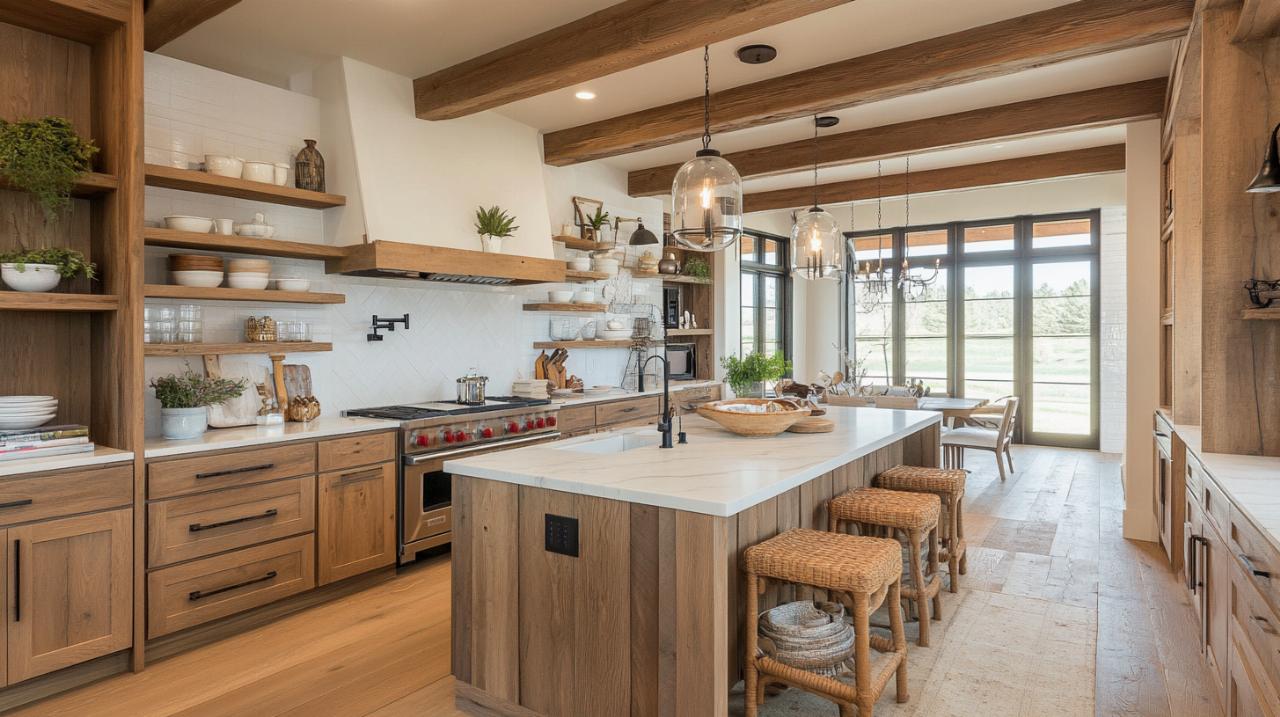
Transforming a rustic oak kitchen into a space that feels fresh and contemporary requires a thoughtful approach to colour and design. The warmth and character of oak can be beautifully complemented by modern paint choices that balance tradition with current trends. By carefully selecting hues and updating key elements, it is possible to breathe new life into a kitchen without losing the natural charm of the wood. This journey involves not only choosing the right colours but also refreshing fixtures, materials, and lighting to create a cohesive and inviting environment that meets the demands of modern living.
Selecting contemporary paint colours to complement rustic oak
Understanding the Natural Tones of Oak Wood
Oak possesses a rich palette of natural tones that range from golden honey shades to deeper amber and even subtle grey undertones, depending on the finish and age of the wood. Recognising these inherent colours is essential when planning a transformation, as the right paint choices can either enhance the warmth of the oak or provide a striking contrast that brings a contemporary edge to the space. The grain and texture of oak also play a significant role in how light interacts with the surface, which means that any colour applied to surrounding walls or cabinetry must be chosen with an awareness of how it will reflect or absorb the natural light in the room. By understanding the oak's character, one can make informed decisions that respect the material while pushing the design in a modern direction.
Modern paint palettes that balance warmth and style
Contemporary kitchens often embrace a balance between warmth and minimalism, and this is where modern paint palettes truly shine. Soft greys, muted sages, and warm off-whites are excellent choices that provide a neutral backdrop without overwhelming the natural beauty of oak. These colours can make the space feel airy and open, whilst still allowing the wood to take centre stage. For those seeking a bolder approach, deep charcoal or navy tones can add drama and sophistication, creating a striking contrast that highlights the oak's lighter grain. Similarly, earthy terracottas or soft blush pinks can introduce a touch of warmth and personality, making the kitchen feel both modern and inviting. The key is to select hues that work harmoniously with the existing oak, ensuring that the overall effect is cohesive and balanced. Painting walls and ceilings in these lighter or complementary shades can also help to create a sense of height and space, which is particularly beneficial in smaller kitchens where every design choice counts.
Updating Kitchen Elements for a Fresh, Modern Aesthetic
Choosing contemporary fixtures and fittings
One of the most effective ways to modernise a rustic oak kitchen is to update the fixtures and fittings. Swapping out traditional brass or bronze handles for sleek stainless steel or matte black alternatives instantly lifts the look of cabinetry and drawers, giving them a more contemporary feel. These small details can have a significant impact on the overall aesthetic, as they provide a visual break from the oak and introduce a modern industrial element. Similarly, updating taps and sink fixtures with streamlined designs in polished chrome or brushed nickel can enhance the functionality of the space whilst contributing to a cleaner, more refined appearance. It is important to select hardware that not only looks stylish but also complements the chosen paint palette, ensuring that every element of the kitchen works together to create a unified design. These updates do not require a complete overhaul, yet they offer a fresh perspective that can make the kitchen feel entirely new.
Renovating Backsplashes and Countertops with Modern Materials
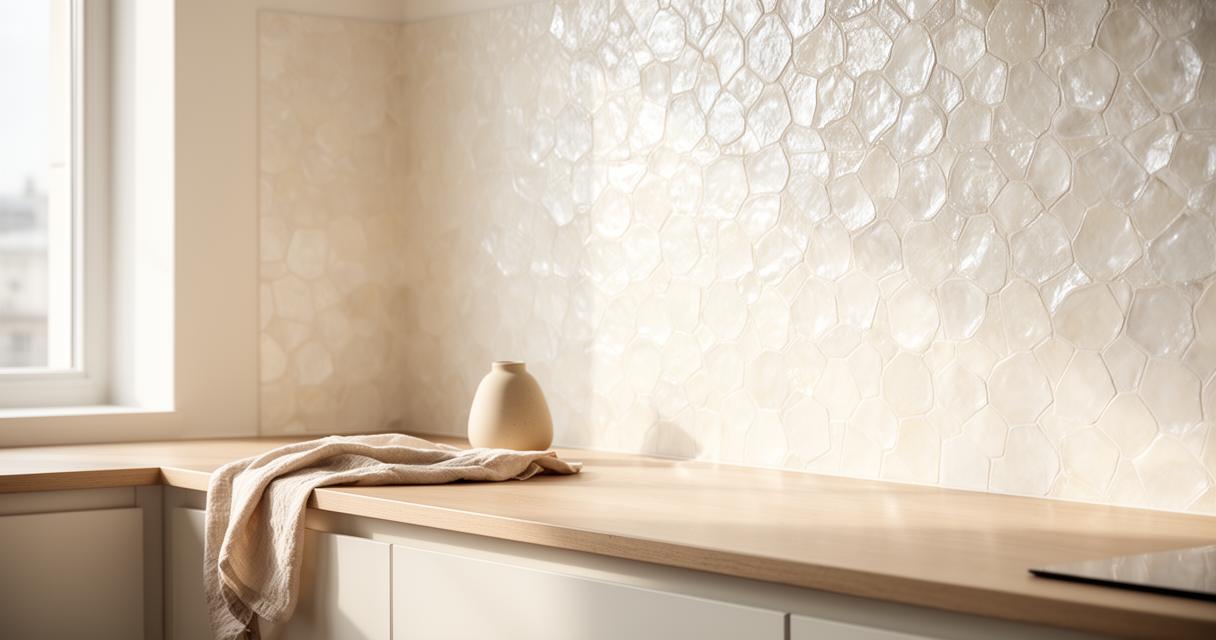
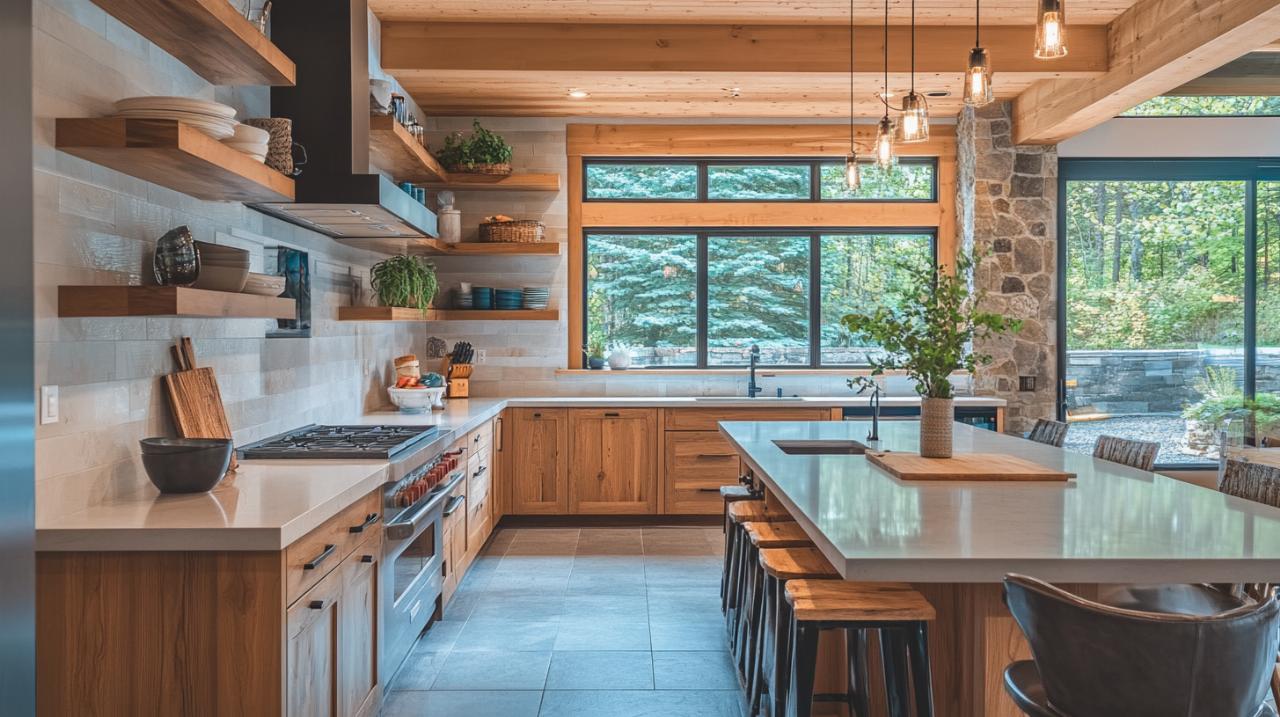
The backsplash and countertops are focal points in any kitchen, and updating these surfaces can dramatically change the room's character. Modern tiles in geometric patterns or understated subway styles can provide a stylish backdrop that complements the oak without competing with it. Consider materials such as ceramic, glass, or even natural stone in neutral tones or subtle colours that echo the paint choices on the walls. A backsplash in a soft grey or muted green can tie the space together, creating a seamless flow between the cabinetry and the work surfaces. Countertops also deserve attention, and replacing outdated laminate with solid wood, engineered stone, or contemporary composite materials can improve both the functionality and the visual appeal of the kitchen. These materials are not only durable and easy to maintain but also offer a sleek, modern finish that enhances the overall design. By investing in these key surfaces, one can ensure that the kitchen is equipped to handle the demands of daily use whilst remaining stylish and inviting.
Creating a Cohesive and Functional Kitchen Space
Enhancing Atmosphere with Strategic Lighting and Wall Colours
Lighting plays a crucial role in defining the atmosphere of a kitchen, and when combined with carefully chosen wall colours, it can transform the entire feel of the space. Modern lighting fixtures, such as pendant lights with clean lines or recessed spotlights, can highlight the beauty of the oak whilst providing adequate illumination for cooking and entertaining. The right lighting can accentuate the grain and texture of the wood, making it a feature rather than just a background element. Wall colours that reflect light, such as soft whites, pale greys, or gentle pastels, can help to create a brighter, more open environment, particularly in kitchens with limited natural light. These lighter shades work to bounce light around the room, making it feel more spacious and welcoming. Additionally, strategic placement of lighting fixtures can draw attention to specific areas, such as the backsplash or the oak cabinetry, ensuring that every design detail is showcased to its full potential.
Optimising Layout for Style and Practicality
A successful kitchen transformation is not solely about aesthetics; it must also address practicality and functionality. Planning the layout to maximise space is essential, particularly in kitchens where cooking and entertaining are central activities. Consider the flow of movement within the room and ensure that the placement of appliances, worktops, and storage solutions supports an efficient workflow. Modern design principles favour open, uncluttered spaces, so removing unnecessary elements or reorganising cabinetry can create a more streamlined and user-friendly environment. Storage solutions that blend seamlessly with the oak, such as integrated shelving or pull-out drawers, can help to maintain a clean, contemporary look whilst ensuring that everything has its place. By optimising the layout, one can create a kitchen that is not only beautiful but also highly functional, making it a pleasure to use every day. This approach ensures that the transformation is sustainable and that the kitchen continues to meet the needs of its users for years to come.