
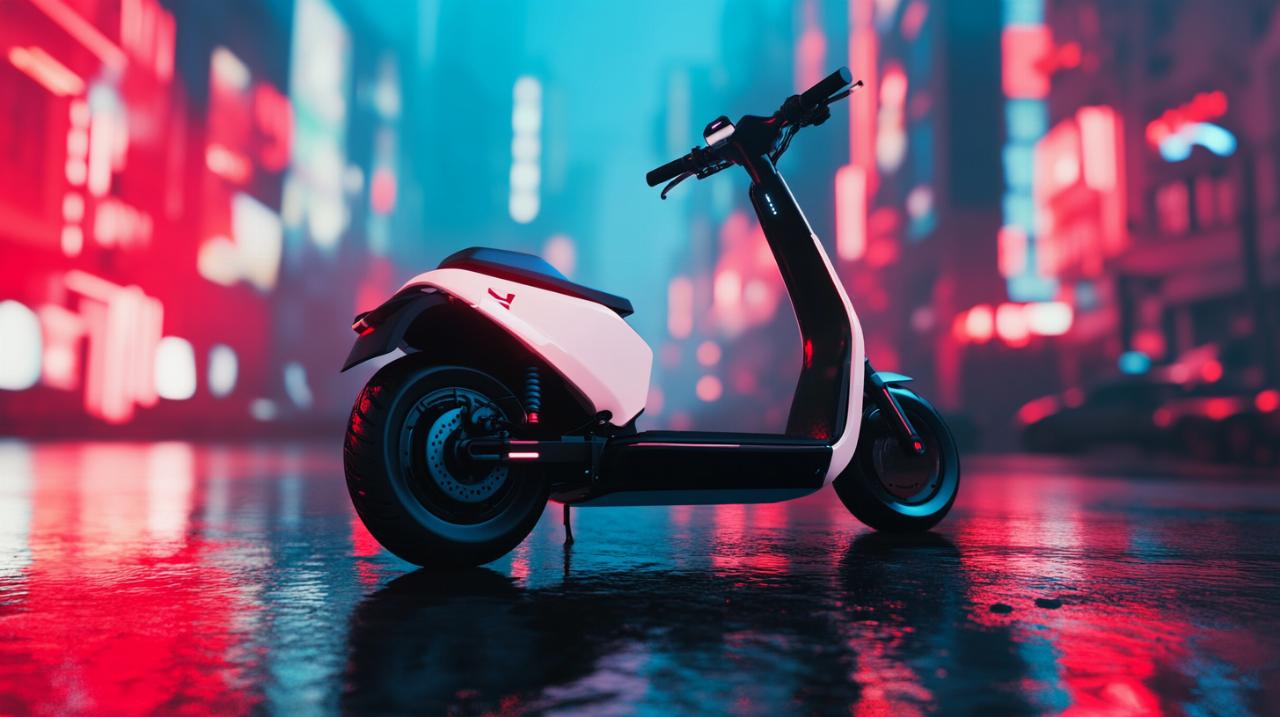
Navigating the bustling streets of London on an electric scooter has become an increasingly popular way to tackle the daily commute, blending efficiency with a touch of modern convenience. As urban centres grow more congested, the demand for compact, reliable, and comfortable personal transport continues to rise. Selecting the right lightweight electric scooter with quality suspension can transform your journey from a cramped tube ride into a smooth, enjoyable experience, allowing you to weave through traffic and arrive at your destination feeling refreshed rather than frazzled.
Understanding Weight and Portability for City Travel
When considering an electric scooter for urban commuting, the weight of the machine plays a pivotal role in determining how practical it will be for your daily routine. A lightweight design ensures that you can easily lift and carry the scooter when needed, whether that means hopping on the Underground, climbing stairs to your flat, or storing it under your desk at work. The ideal weight range for most commuters typically falls between ten and fifteen kilograms, striking a balance between robustness and portability without compromising on essential features. Models such as the iScooter i9 and i9Max exemplify this balance, offering enough power and range while remaining manageable for everyday handling. The ability to get started here with a scooter that you can effortlessly transport means you will not hesitate to bring it along on mixed-mode journeys, combining cycling, walking, and public transport seamlessly.
Optimal Weight Range for Carrying on Public Transport
Commuting in London often involves a combination of transport modes, and the last thing you need is a cumbersome scooter that becomes a burden during peak hours. A scooter that tips the scales at around twelve kilograms or less can be comfortably carried onto a bus or train without causing disruption to fellow passengers. This weight range allows for quick transitions, letting you fold the scooter and tuck it away without breaking a sweat. Heavier models, while potentially offering more power or longer range, can quickly become impractical if you find yourself regularly navigating crowded stations or narrow staircases. The folding mechanism also becomes crucial here, as a smooth, intuitive fold means you spend less time wrestling with your scooter and more time getting where you need to go. Many manufacturers now design their scooters with one-click folding systems, making the transition from riding to carrying as seamless as possible.
Folding Mechanisms and Storage Solutions for Compact Living
Living in a compact urban space means that every square inch counts, and your choice of electric scooter should reflect this reality. A well-designed folding mechanism can transform a bulky piece of equipment into a neatly stored item that fits under a bed, in a hallway cupboard, or beside your desk. The best folding systems are not only quick to operate but also secure, ensuring that the scooter remains locked in its folded position during transport. Some models feature additional locking mechanisms or magnetic catches that prevent accidental unfolding, giving you peace of mind as you navigate busy streets or public transport. Storage solutions extend beyond the fold itself, with considerations such as handlebar adjustability and detachable components playing a role in how compact the scooter can become. For those living in flats with limited hallway space, a scooter that folds down to a slim profile can make all the difference, allowing you to keep your living area uncluttered while maintaining easy access to your commuting tool.
Suspension systems: navigating uneven urban surfaces
London's roads and pavements are notorious for their uneven surfaces, potholes, and unexpected bumps, making a quality suspension system an absolute necessity for a comfortable commute. A scooter equipped with effective suspension absorbs shocks and vibrations, protecting your joints and ensuring a smoother ride even when the road surface leaves much to be desired. The difference between a scooter with and without suspension becomes immediately apparent after the first few rides, as the constant jarring from rough terrain can quickly turn an enjoyable journey into an uncomfortable ordeal. Investing in a model that prioritises suspension technology means you will be able to tackle cobbled streets, cracked pavements, and uneven kerbs with confidence, maintaining both comfort and control throughout your trip.
Types of Suspension Technology for Rough Pavements
Suspension technology comes in several forms, each offering distinct advantages depending on your commuting environment and personal preferences. Spring suspension, one of the most common types, uses coil springs to absorb impacts and provide a cushioned ride. This system is reliable and effective for most urban conditions, offering a good balance between performance and maintenance requirements. Air suspension, on the other hand, uses pressurised air to dampen shocks, providing a smoother and more adjustable ride quality. Some high-end models incorporate dual suspension systems, combining front and rear shock absorption to deliver the ultimate in comfort. Hydraulic suspension, while less common in lightweight scooters, offers superior damping characteristics and is often found in premium models designed for more demanding terrain. When selecting a scooter, consider the typical surfaces you will encounter and choose a suspension system that matches those conditions, ensuring that your daily commute remains as comfortable as possible.
How quality suspension improves your daily commute
The benefits of a well-designed suspension system extend far beyond mere comfort, influencing safety, control, and long-term health. A scooter with quality suspension maintains better contact with the ground, improving traction and stability even on slippery or uneven surfaces. This enhanced control becomes particularly important when navigating busy junctions or making sudden manoeuvres to avoid obstacles. By absorbing shocks and vibrations, a good suspension system also reduces fatigue, allowing you to arrive at work feeling energised rather than exhausted. Over time, the cumulative effect of riding a scooter without adequate suspension can lead to discomfort in the wrists, arms, and lower back, making it a worthwhile investment to choose a model that prioritises rider comfort. Many commuters report that upgrading to a scooter with superior suspension transformed their daily journey, turning what was once a jarring ordeal into a pleasant and stress-free experience.
Motor Power and Battery Performance for Your Journey
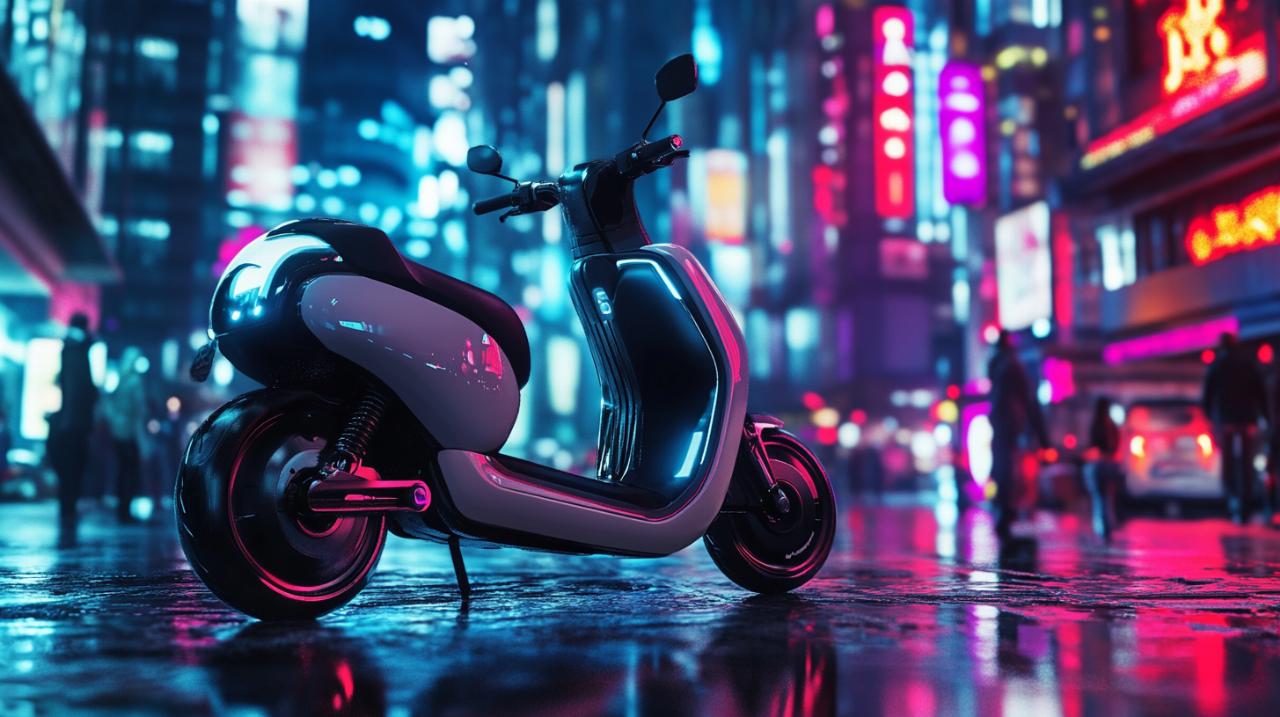
The heart of any electric scooter lies in its motor and battery, determining not only how fast you can travel but also how far you can go on a single charge. For urban commuting, a motor with sufficient wattage ensures that you can tackle inclines and maintain a steady pace without draining the battery too quickly. Most city riders find that a motor in the range of four hundred to eight hundred watts provides ample power for daily use, offering a good balance between performance and efficiency. Battery capacity, measured in watt-hours, directly influences the range of your scooter, with larger batteries allowing for longer trips between charges. Models such as the iScooter i10Plus and iX4 offer extended ranges that can comfortably cover a typical commute and then some, reducing the need for frequent charging and giving you the freedom to explore beyond your usual route.
Calculating range requirements for your commute distance
Before committing to a particular model, it is essential to calculate your daily commuting distance and ensure that the scooter's range can accommodate your needs with some margin to spare. A good rule of thumb is to choose a scooter with a range that exceeds your daily round trip by at least thirty percent, accounting for variations in terrain, rider weight, and weather conditions. If your commute involves significant hills or strong headwinds, the battery will deplete more quickly, making that extra capacity all the more valuable. Many manufacturers provide estimated ranges based on ideal conditions, so it is wise to consider these figures as best-case scenarios rather than guaranteed performance. Real-world testing and user reviews can offer valuable insights into how a scooter performs in typical urban environments, helping you make an informed decision that matches your specific requirements.
Choosing the Right Motor Wattage for London's Streets
London's streets present a unique set of challenges, from gentle inclines in areas such as Hampstead to the flat expanses of East London, and your choice of motor wattage should reflect these variations. A motor with at least five hundred watts will provide sufficient power to handle most urban scenarios, allowing you to accelerate smoothly from traffic lights and maintain a comfortable cruising speed. For those living in hillier neighbourhoods, a motor approaching or exceeding eight hundred watts may be necessary to avoid excessive strain on the battery and ensure a responsive ride. Higher wattage motors also offer better performance in stop-and-go traffic, where frequent acceleration and deceleration are the norm. It is worth noting that while more powerful motors offer enhanced performance, they can also lead to quicker battery depletion and increased weight, so finding the right balance for your specific commute is key to long-term satisfaction.
Essential safety features for urban riding
Safety should never be an afterthought when selecting an electric scooter, as the urban environment presents numerous hazards that require effective braking, visibility, and weather protection. A reliable braking system is the cornerstone of safe riding, allowing you to stop quickly and confidently in response to sudden obstacles or changes in traffic flow. Dual braking systems, combining mechanical and electronic brakes, offer the best stopping power and reliability, ensuring that you remain in control even in emergency situations. Lighting is another critical consideration, as being visible to other road users can make the difference between a safe journey and a dangerous encounter. Front and rear lights, along with reflective elements, ensure that you are seen in low-light conditions, while mudguards protect you from splashes and debris kicked up by the wheels.
Braking Systems and Their Effectiveness in Wet Conditions
Wet weather is a frequent reality for London commuters, and your scooter's braking system must be capable of performing reliably even when roads are slick with rain. Disc brakes, both mechanical and hydraulic, offer superior stopping power and are less affected by moisture compared to traditional drum brakes. Electronic regenerative braking, which uses the motor to slow the scooter and recharge the battery simultaneously, provides smooth and controlled deceleration, though it is often paired with a mechanical brake for maximum effectiveness. Testing your brakes in wet conditions before relying on them for daily commuting is a wise precaution, allowing you to familiarise yourself with their response and adjust your riding style accordingly. Regular maintenance, including checking brake pads and cables, ensures that your braking system remains in top condition, giving you confidence in all weather scenarios.
Lighting, mudguards and visibility accessories
Being seen and staying dry are two priorities that should not be overlooked when choosing an electric scooter for urban commuting. Integrated front and rear lights are now standard on many models, providing essential illumination and signalling your presence to drivers, pedestrians, and cyclists. Some scooters feature additional side lighting or LED strips, further enhancing visibility from multiple angles. Mudguards, often considered a minor accessory, play a crucial role in keeping you clean and dry by preventing water and mud from being flung up by the wheels. A scooter without adequate mudguards can leave you with a stripe of grime up your back, an unpleasant way to start the workday. Additional accessories such as reflective tape, helmet lights, and high-visibility clothing further improve your safety profile, making you a more conspicuous and predictable presence on the road.
Making an informed purchase decision
With countless models and brands available, making an informed purchase decision requires careful research and consideration of your specific needs and priorities. Taking the time to read user reviews, compare specifications, and test ride different models can save you from buyer's remorse and ensure that you invest in a scooter that truly meets your expectations. Many retailers offer trial periods or money-back guarantees, providing an opportunity to experience the scooter in real-world conditions before committing fully. The Cycle to Work scheme and various finance options can also make higher-quality models more accessible, spreading the cost over several months and reducing the upfront financial burden. By approaching the purchase process methodically and focusing on the features that matter most to you, you can find a scooter that enhances your daily commute and delivers lasting value.
Reading user reviews and real-world performance reports
User reviews offer invaluable insights into how a scooter performs beyond the polished marketing materials and manufacturer specifications. Real-world reports highlight common issues, long-term reliability, and the nuances of daily use that may not be immediately apparent from a showroom visit. Pay attention to reviews that mention your specific commuting conditions, such as wet weather performance, hill-climbing ability, and comfort over longer distances. While no product is perfect, patterns in user feedback can reveal strengths and weaknesses that help you make a more informed choice. Forums, social media groups, and dedicated review sites provide a wealth of information from experienced riders who have tested various models in the demanding environment of urban commuting. Engaging with these communities can also offer tips on maintenance, upgrades, and accessories that further enhance your scooter's performance and longevity.
Comparing models to find your perfect balance
The final step in choosing the best lightweight electric scooter with excellent suspension involves comparing models side by side, weighing the trade-offs between weight, power, range, and comfort. Create a shortlist of models that meet your core requirements and then delve deeper into the details, examining factors such as build quality, warranty coverage, and customer support. Some scooters may excel in one area, such as suspension, while compromising on another, such as battery range, making it essential to prioritise the features that align with your daily needs. Price is naturally a consideration, but remember that a slightly higher initial investment in a quality scooter can pay dividends through reduced maintenance costs, longer lifespan, and a more enjoyable commuting experience. By taking a methodical approach to comparison and focusing on your unique circumstances, you can confidently select a scooter that transforms your urban commute into a smooth, efficient, and thoroughly satisfying journey.