In the heart of Alsace, where vineyards cascade along rolling hills and centuries-old traditions intertwine with modern sensibilities, a quiet celebration of craftsmanship unfolds. Ceramic artistry, deeply rooted in the cultural tapestry of France, finds a contemporary expression through artisans who honour both heritage and innovation. Among these custodians of tactile beauty stands Arno Keramik, a destination in Colmar where pottery transcends mere utility to become a statement of aesthetic intention and environmental mindfulness.
Discovering Arno Keramik: A Haven for Artisan Ceramics in Colmar
The Rich Heritage of French Pottery in Alsace
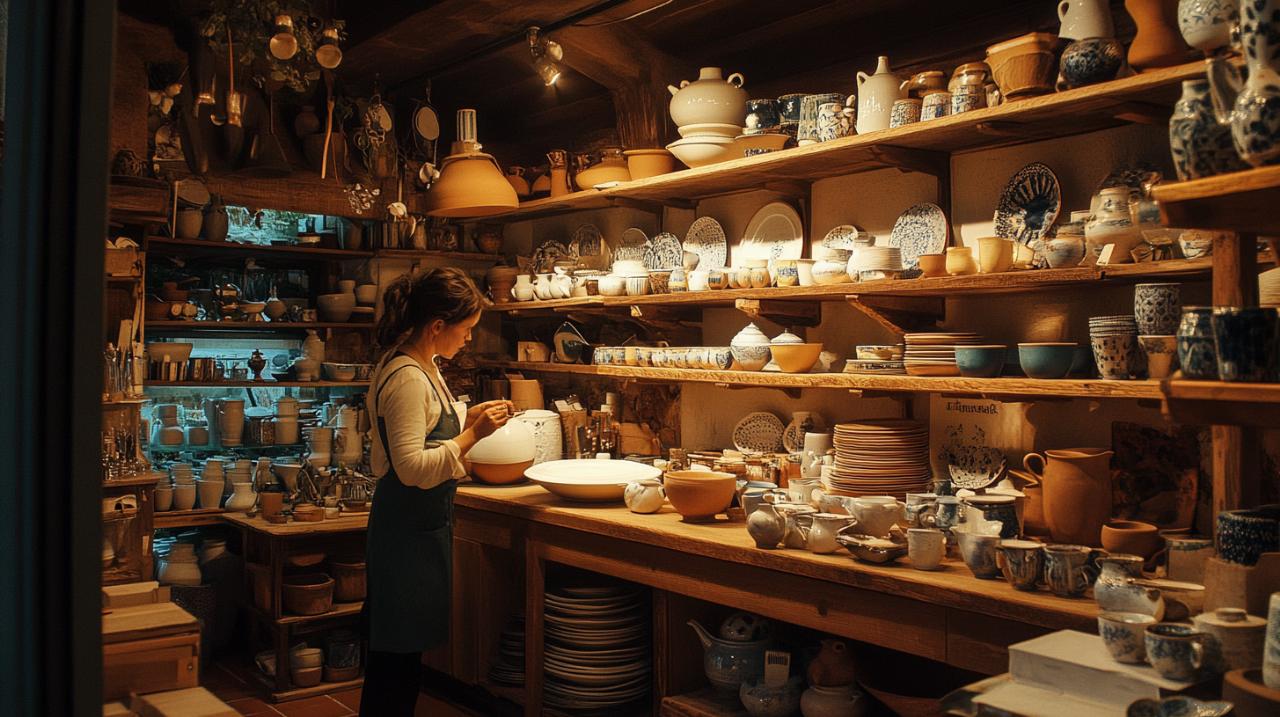
Alsace has long been a crucible for artistic expression, its geographical position at the crossroads of French and Germanic cultures fostering a distinctive creative identity. Pottery in this region carries echoes of ancestral techniques, where clay is shaped not merely by hands but by generations of accumulated wisdom. The tradition of ceramic production in eastern France speaks to a dialogue between earth and artist, a conversation that has evolved yet never abandoned its foundational respect for material integrity. Arno Keramik emerges from this lineage, offering pieces that resonate with both historical reverence and contemporary vision. Their collection encompasses plates, pots, pitchers, and decorative items, each bearing the unmistakable mark of thoughtful creation. Customer reviews consistently emphasise the quality of manufacturing, noting how each piece reflects an artistic design philosophy that balances function with visual poetry. This is not mass production but rather a deliberate engagement with ceramic form, where imperfections become signatures rather than flaws.
Navigating to Arno Keramik: Location and Accessibility
Situated on the road to Brisach, near familiar landmarks such as Leclerc and Obernai, Arno Keramik enjoys a location that combines practicality with regional charm. The accessibility of the establishment invites both locals and visitors to explore its offerings without the barriers that sometimes accompany artisan spaces. This ease of access reflects a broader ethos: that beautiful, handcrafted objects should not remain sequestered but should enter the rhythms of everyday life. The journey to the workshop itself becomes part of the experience, a short pilgrimage through landscapes that have inspired countless artists. Upon arrival, visitors encounter not merely a retail space but an environment where ceramics are contextualised within the broader narrative of Alsatian craftsmanship. The proximity to commercial centres does not diminish the artisan character; instead, it bridges the worlds of convenience and artistry, making exceptional work available to those who might otherwise overlook it.
Customer experiences: what makes arno keramik stand out
Exceptional craftsmanship and artistic design philosophy
What transforms a ceramic vessel from functional object to cherished possession? At Arno Keramik, this alchemy occurs through a commitment to craftsmanship that refuses compromise. Customers frequently highlight the tangible quality evident in each piece, describing how the weight, texture, and visual presence of these ceramics differentiate them from industrial alternatives. The artistic design philosophy embraces both traditional forms and contemporary interpretations, creating a collection that speaks to diverse aesthetic preferences whilst maintaining coherent identity. Decorative items from Arno Keramik enhance home environments not through ostentation but through subtle sophistication. A pitcher becomes a sculptural element, a plate transforms into a canvas for culinary presentation, and a pot holds space not merely for plants but for contemplation. This elevation of everyday objects reflects a European tradition of integrating beauty into quotidian experience, resisting the false dichotomy between art and utility. Reviews often mention how these pieces enrich table settings and living spaces, suggesting that their value extends beyond the material to encompass the intangible qualities of atmosphere and mood.
Service excellence and customer confidentiality practices
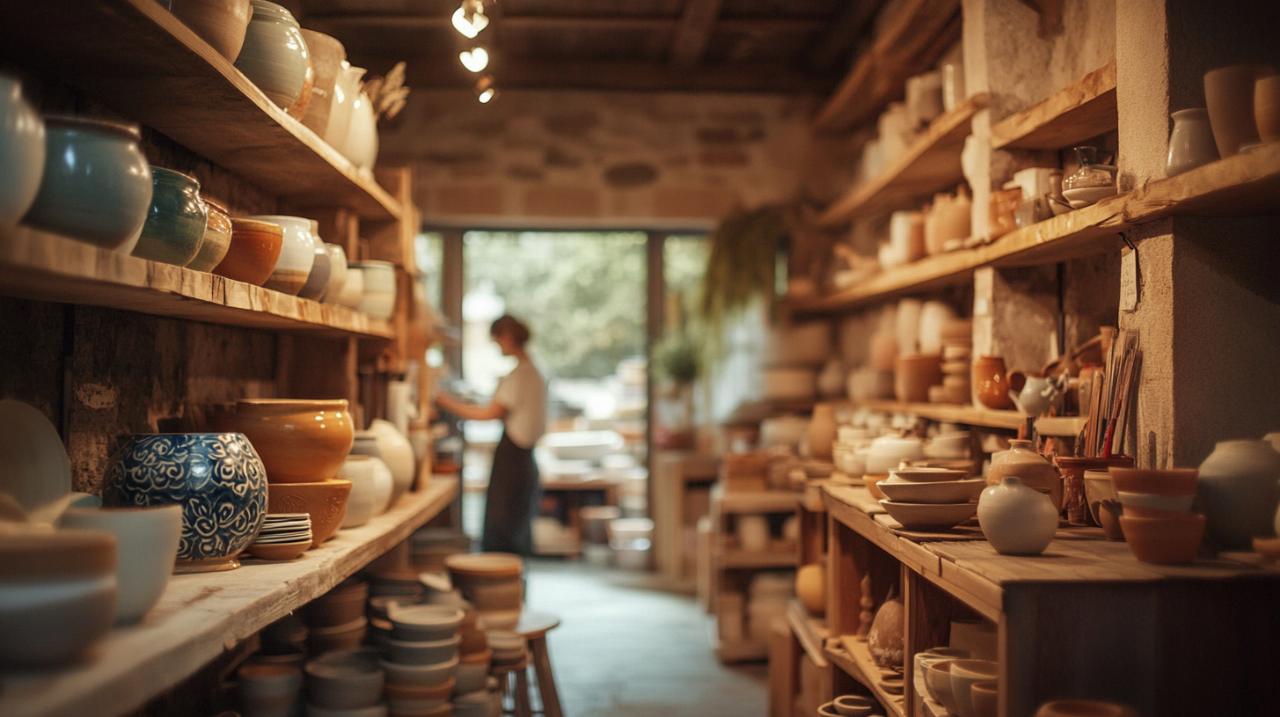
Beyond the products themselves, Arno Keramik distinguishes itself through exceptional service that respects both customer needs and privacy. The business maintains a confidentiality policy regarding customer information, an increasingly rare commitment in an era where personal data has become commodified. This approach signals a philosophy that values relationships over transactions, treating each customer interaction as an exchange built on trust rather than exploitation. Service excellence manifests in multiple dimensions: knowledgeable guidance for those navigating the collection, attentiveness to individual preferences, and a willingness to educate customers about the stories behind each piece. This informational generosity transforms shopping from acquisition into education, where purchasing a ceramic object becomes an entry point into understanding broader artistic and cultural contexts. Positive feedback consistently emphasises not only the products but the experience of engagement with the business, suggesting that Arno Keramik has cultivated a human dimension often absent in contemporary retail environments.
Sustainable artistry: environmental considerations in contemporary ceramics
Eco-conscious production methods in traditional pottery
The environmental narrative of ceramics is complex, encompassing questions of material sourcing, energy consumption during firing, and the longevity of finished objects. Traditional pottery methods, whilst energy-intensive, often demonstrate greater environmental consideration than their industrial counterparts when viewed across complete lifecycle analyses. Handcrafted ceramics typically involve local clay sources, reducing transportation impacts, and artisan production scales prevent the resource waste endemic to mass manufacturing. Contemporary ceramic artists increasingly engage with ecological concerns, exploring lower-temperature firing techniques, experimenting with reclaimed materials, and creating pieces designed for durability rather than disposability. Whilst specific details of Arno Keramik's production methods remain within their proprietary knowledge, the artisan approach inherently aligns with sustainability principles through its emphasis on quality and longevity. A well-crafted ceramic piece can serve multiple generations, its material stability and aesthetic timelessness resisting the obsolescence that drives consumerist cycles.
Choosing Handcrafted Ceramics for a Greener Lifestyle
Consumer choices carry environmental implications that extend far beyond the immediate transaction. Selecting handcrafted ceramics represents a conscious departure from disposable culture, an investment in objects that accumulate meaning through use rather than losing value through obsolescence. The environmental case for artisan ceramics rests not solely on production methods but on their psychological and cultural effects. Objects that inspire care tend to be maintained, repaired when damaged, and valued across time, contrasting sharply with mass-produced items that inspire neither attachment nor stewardship. Furthermore, supporting local artisans strengthens regional economies, reducing the environmental costs associated with global supply chains whilst preserving cultural knowledge that might otherwise disappear. The act of purchasing from establishments such as Arno Keramik becomes, in this light, a form of ecological citizenship, a recognition that sustainability encompasses cultural as well as environmental dimensions. Each unique decor item carries within it the potential to reshape relationships with consumption, encouraging thoughtfulness about what we bring into our lives and why. The ceramics offered in Colmar thus serve dual functions: as beautiful objects that enhance daily experience and as tangible manifestations of values that prioritise endurance, craftsmanship, and environmental responsibility over convenience and disposability.