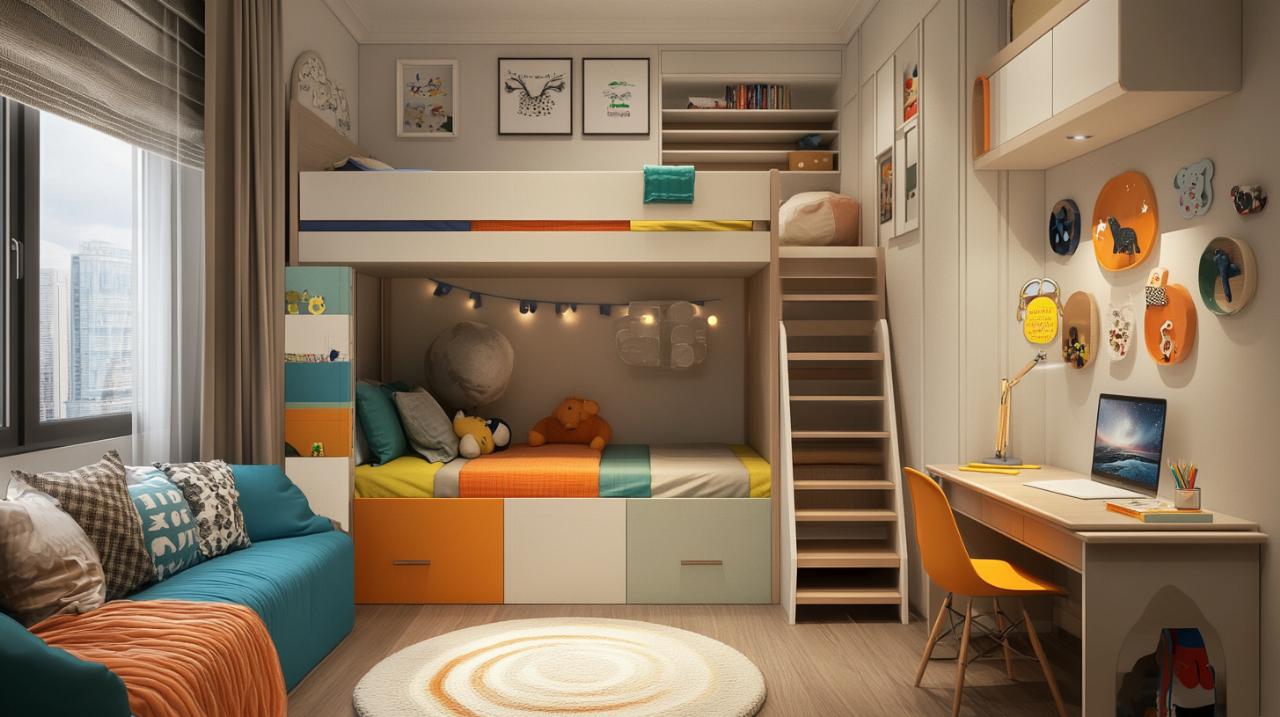
Transforming a child's bedroom into a functional and inviting space requires thoughtful consideration, especially when floor space is at a premium. Loft bed-desk combinations have emerged as a brilliant solution for parents seeking to maximise every square inch whilst providing their children with both a comfortable sleeping area and a dedicated study zone. These versatile pieces of furniture elevate the sleeping surface, creating valuable room beneath for a workspace, storage, or even a cosy reading nook. As families increasingly embrace compact living and multifunctional furniture, understanding how to select the right loft bed-desk becomes essential for creating a bedroom that supports both rest and productivity.
Assessing your child's room: space planning and measurements
Before embarking on the journey of selecting a loft bed-desk, it is crucial to thoroughly evaluate the physical characteristics of your child's bedroom. The dimensions and layout of the space will ultimately dictate which models are viable and how effectively they can be integrated into the room. This initial assessment forms the foundation for making an informed decision that balances functionality with safety and comfort.
Evaluating available floor space and ceiling height
The first consideration when contemplating a loft bed-desk is measuring the available floor space and ceiling height. High sleeper beds, which are elevated designs that maximise the area underneath for a desk or other purposes, require adequate vertical clearance to ensure your child can sit upright comfortably in bed without feeling cramped. Ideally, there should be sufficient headroom between the mattress surface and the ceiling to allow for easy movement and a sense of spaciousness. Mid sleeper beds, on the other hand, are lower in height and particularly suitable for younger children who may not yet be comfortable with steep climbs or who have rooms with lower ceilings. These beds still provide valuable space beneath whilst offering a safer, more accessible sleeping platform.
Measuring the room height is non-negotiable. Most loft beds require a minimum ceiling height to function safely and comfortably, typically around eight to nine feet for high sleepers. If your child's room has standard or lower ceilings, a mid sleeper might be the more appropriate choice. Additionally, consider the floor space available for the desk area beneath the bed. The work surface should be sufficiently large to accommodate a laptop, books, and stationery without feeling cluttered, whilst also allowing room for a chair to be pulled out comfortably.
Determining the Optimal Placement for Loft Bed-Desk Configurations
Once you have established that the room can accommodate a loft bed-desk, the next step involves determining the optimal placement within the space. Positioning the bed near a window can provide natural light for the study area beneath, which is beneficial for concentration and reducing eye strain during daytime homework sessions. However, ensure that the window does not pose a safety risk and that the bed does not obstruct ventilation or emergency exits.
Consider the room's layout in relation to doors, wardrobes, and other furniture. The loft bed-desk should integrate seamlessly without creating awkward pathways or making the room feel congested. Evaluate access types carefully, as some loft beds feature built-in ladders whilst others offer stairs, which can be safer and easier for younger children to navigate. The placement should also allow for easy access to storage compartments, drawers, and shelving units that may be integrated into the bed frame, ensuring that the entire configuration remains functional and user-friendly.
Popular Loft Bed-Desk Styles: Finding the Perfect Design for Your Child
Loft bed-desk combinations come in a diverse array of styles, each offering distinct aesthetic and functional benefits. The choice of design should reflect your child's personality and complement the existing decor of the bedroom, creating a cohesive and inviting environment. From traditional timber constructions to sleek contemporary designs, there is a style to suit every taste and requirement.
Classic timber loft beds: traditional aesthetic meets functionality
Solid wood construction remains a popular choice for loft beds, prized for its durability and timeless appeal. High-quality loft beds crafted from robust timber not only withstand the rigours of daily use but also add a warm, natural element to the bedroom. Brands such as Parisot offer budget-friendly kids desk beds that combine affordability with sturdy construction, making them accessible to families seeking long-lasting furniture without breaking the bank.
Timber loft beds often feature rounded edges and smooth finishes, enhancing safety for younger children whilst maintaining an elegant appearance. The natural grain and texture of wood can be stained or painted in various colours to match the room's decor, providing versatility in design. Additionally, solid wood construction contributes to the overall stability of the bed, ensuring that the elevated sleeping platform remains secure even as your child grows and the bed is subjected to more vigorous activity.
Contemporary Metal and Mixed-Material Designs for Modern Bedrooms
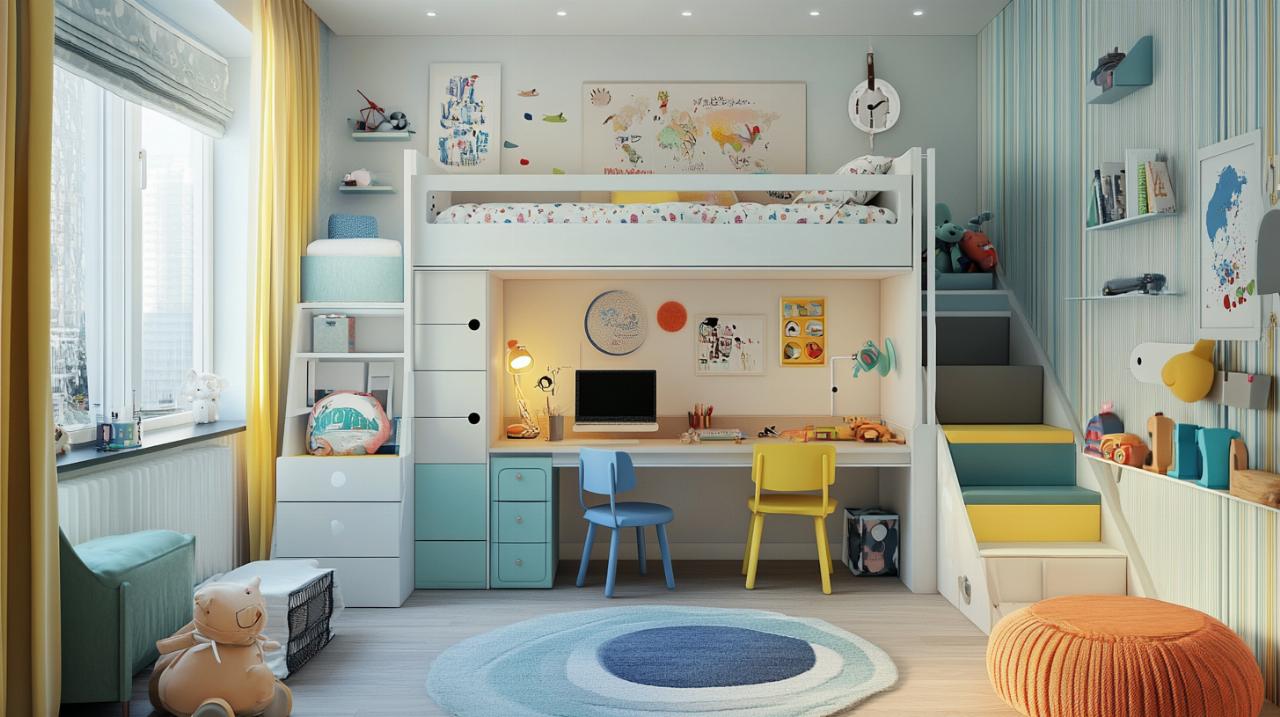
For families favouring a more modern aesthetic, metal and mixed-material loft beds present an appealing alternative. These designs typically incorporate sleek lines, minimalist frames, and often combine metal with wood or composite materials to achieve a contemporary look. The use of metal can result in a lighter visual footprint, making the bed appear less imposing in smaller rooms whilst still providing the necessary structural integrity.
Mixed-material designs offer the flexibility to introduce contrasting textures and finishes, such as matte black metal frames paired with light wood desktops or colourful laminate surfaces. This approach can create a striking focal point in the bedroom and cater to older children or teenagers who may prefer a more sophisticated, grown-up style. Contemporary loft beds often include modular elements, allowing for customisation and reconfiguration as your child's needs evolve over time.
Maximising storage solutions: built-in features and organisation
One of the most compelling advantages of loft bed-desk combinations is their capacity to integrate storage solutions directly into the design. Effective organisation is paramount in a child's bedroom, where toys, books, clothing, and school supplies can quickly accumulate. By selecting a loft bed-desk with thoughtful built-in storage, you can maintain a tidy, efficient space that encourages good habits and simplifies daily routines.
Integrated drawers, shelving units, and wardrobe combinations
Many loft bed-desk models feature integrated drawers, shelving units, and even wardrobe combinations that make the most of the vertical and horizontal space available. Drawers built into the bed frame or beneath the desk area provide convenient storage for clothing, bedding, or school supplies, keeping items easily accessible yet out of sight. Shelving units can be positioned alongside the desk or integrated into the sides of the bed structure, offering space for books, decorative items, and storage boxes.
Some designs take this concept further by incorporating full wardrobe compartments, complete with hanging rails and shelves, into the loft bed structure. This comprehensive approach to storage can be particularly beneficial in smaller bedrooms where a separate wardrobe may not fit comfortably. By consolidating sleeping, studying, and storage functions into a single piece of furniture, you can create a streamlined, cohesive environment that maximises every inch of available space.
Clever Storage Hacks to Keep the Study Area Tidy and Efficient
Beyond the built-in features, there are numerous clever storage hacks that can enhance the functionality of a loft bed-desk. Consider adding small organisers or caddies to the desk area to keep pens, pencils, and other stationery neatly arranged. Magnetic strips or pegboards mounted on the side of the bed or desk can provide additional storage for frequently used items, whilst also serving as a creative display area for artwork or photos.
Under-bed storage boxes or baskets can be utilised to stow away seasonal clothing, extra bedding, or toys, taking advantage of the space beneath the desk area. Built-in lighting, such as clip-on lamps or LED strips, can improve visibility in the study zone and create a comfortable environment for homework and reading. By incorporating these practical storage solutions, you ensure that the study area remains tidy and efficient, fostering a productive atmosphere that supports your child's learning and development.