Maintaining the appearance and longevity of your fabric sofa requires more than just a quick wipe-down every now and then. Understanding the specific needs of your upholstery and applying the correct cleaning methods can transform a tired-looking piece of furniture into something that feels almost new. With the right approach, you can tackle stubborn stains, eliminate odours, and ensure that your sofa remains a welcoming centrepiece in your home for years to come.
- Identify your sofa's specific fabric type, such as velvet, linen, or synthetic, to determine the safest cleaning approach.
- Check the manufacturer's care label for cleaning codes like W (water-based), S (solvents), or X (vacuum only) to avoid fabric damage.
- Prepare effective and eco-friendly cleaning solutions using common household items like white vinegar, baking soda, and mild dish soap.
- Perform a patch test on an inconspicuous area of the fabric to ensure the cleaning solution does not cause discoloration or texture changes.
- Remove stains by gently blotting rather than rubbing, working from the outside of the stain toward the center to prevent spreading.
- Establish a regular vacuuming routine with an upholstery attachment to prevent the accumulation of dirt and debris in the fabric fibers.
Understanding your sofa's fabric type and care requirements
Identifying common upholstery materials and their characteristics
Before you begin any cleaning process, it is crucial to identify the type of fabric that covers your sofa. Different materials such as velvet, linen, cotton, and synthetic blends each have unique characteristics that dictate how they should be treated. Velvet, for instance, has a delicate pile that can be easily damaged by harsh chemicals or excessive moisture, while linen is more resilient but may shrink if not handled correctly. Synthetic fabrics often offer greater resistance to stains and are generally easier to clean, yet they can still suffer from discolouration if inappropriate products are used. Taking the time to familiarise yourself with the material of your sofa will help you avoid costly mistakes and ensure that your cleaning efforts yield the best possible results.
Decoding manufacturer labels and cleaning codes
Once you have identified the fabric, the next step is to locate and interpret the manufacturer's care label. This label typically includes a cleaning code that provides essential guidance on the most suitable cleaning methods. A code marked with a W indicates that water-based solutions are safe to use, while an S suggests that only mild solvents should be applied. If you see a combination of S and W, it means that water-based products are recommended, although mild solvents may also be acceptable. In some cases, a label marked with an X advises that you should rely solely on vacuuming or light brushing without any liquid cleaners. Adhering to these instructions is vital, as using the wrong cleaning approach can lead to permanent damage, including colour fading, fabric shrinkage, or the breakdown of the material itself. Checking the label before you start will save you from unnecessary heartache and expense.
Assembling the Right Cleaning Kit for Fabric Sofas
Essential household ingredients for effective sofa maintenance
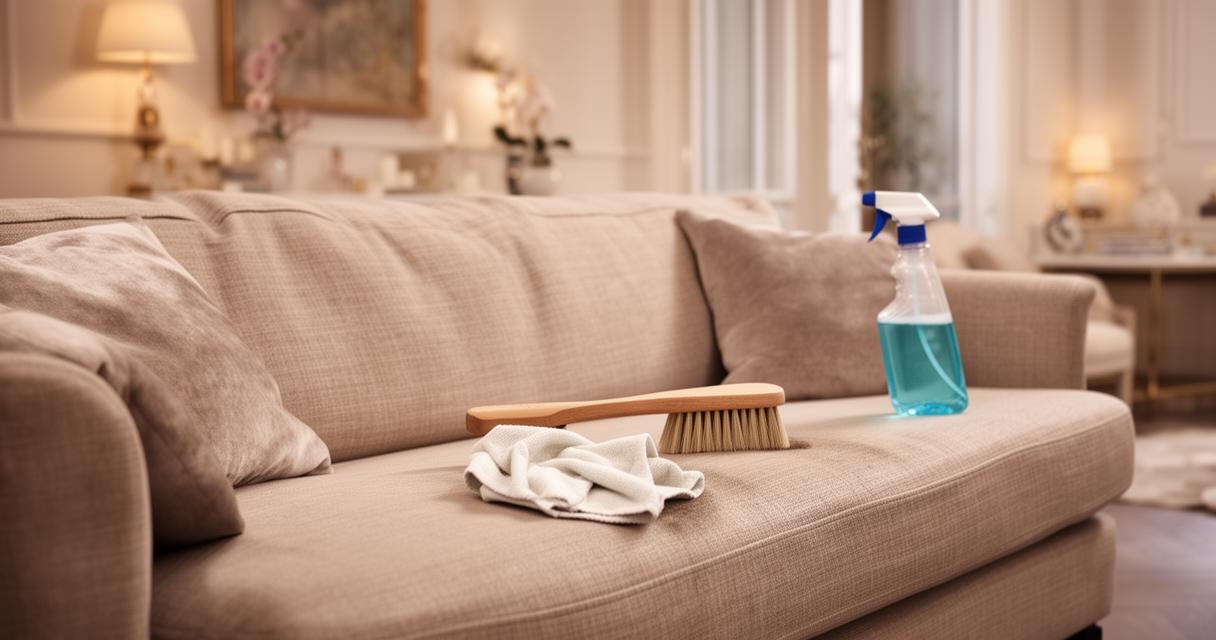
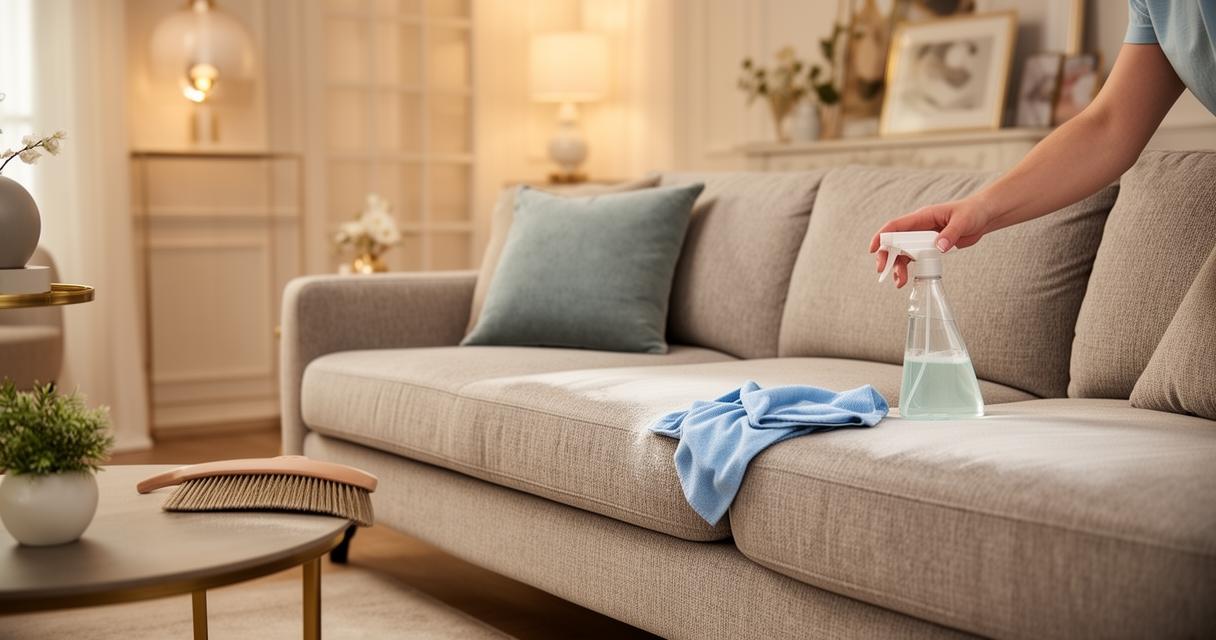
Gathering the right supplies is a fundamental part of the sofa cleaning process. Many effective cleaning solutions can be created using common household items, which makes the task both economical and environmentally friendly. White distilled vinegar, baking soda, and a clear dish soap such as Dawn are among the most versatile ingredients you can use. White vinegar is excellent for cutting through grime and neutralising odours, while baking soda is renowned for its ability to absorb unpleasant smells and lift dirt from fabric fibres. A spray bottle filled with a mixture of equal parts water and white vinegar serves as a gentle yet powerful spot cleaner. For tougher stains, a paste made from baking soda and a small amount of water can be applied directly to the affected area. Additionally, having a vacuum cleaner with an upholstery attachment on hand is essential for removing loose dirt and debris before you begin any wet cleaning. An optional upholstery cleaning machine can also be beneficial for more extensive deep cleaning sessions, though it is not strictly necessary for routine maintenance.
Testing cleaning solutions on hidden areas before full application
No matter how confident you are in your chosen cleaning solution, it is imperative to conduct a spot test on an inconspicuous area of your sofa before proceeding with a full application. This precautionary step allows you to observe how the fabric reacts to the cleaning agent without risking visible damage to the main surfaces of your furniture. Apply a small amount of your prepared solution to a hidden section, such as the underside of a cushion or the back of the sofa, and allow it to dry completely. Once dry, check for any adverse effects such as discolouration, fabric weakening, or changes in texture. If the test area remains unaffected, you can move forward with confidence. This simple practice can prevent irreversible harm and ensure that your cleaning efforts enhance rather than detract from the appearance of your beloved sofa.
Step-by-step spot cleaning and regular maintenance
Tackling Stains with Gentle Dabbing and Appropriate Solutions
When it comes to treating stains on your fabric sofa, the key is to act promptly and use a gentle approach. Start by blotting the stain with a clean, dry cloth to absorb as much of the spill as possible. Avoid rubbing, as this can spread the stain and work it deeper into the fabric fibres. Once you have removed the excess liquid, apply your chosen cleaning solution to the stain. For minor marks, a spray bottle containing equal parts water and white distilled vinegar works wonders. Lightly mist the affected area and then dab gently with a fresh cloth, working from the outside of the stain towards the centre to prevent it from spreading. For more stubborn stains, a paste of baking soda and water can be massaged into the fabric using a soft brush or cloth. Allow the paste to sit for a few minutes before wiping it away with a damp cloth. This method is particularly effective for stains caused by food, beverages, or everyday household mishaps. Remember that patience and a light touch are essential, as aggressive scrubbing can damage the fabric and set the stain permanently.
Establishing a Routine Hoovering Schedule for Long-Term Fabric Care
Regular vacuuming is one of the simplest yet most effective ways to maintain the cleanliness and appearance of your fabric sofa. Dust, dirt, and crumbs accumulate quickly, especially in households with children and pets, and these particles can become embedded in the fabric over time if not removed promptly. Aim to vacuum your sofa at least once a month, or more frequently if it sees heavy use. Use an upholstery attachment to reach into crevices and along seams, ensuring that no area is overlooked. For an added boost, sprinkle a thin layer of baking soda over the entire surface of the sofa and allow it to sit for at least thirty minutes before vacuuming. This simple step helps to neutralise odours and lift dirt from the fabric, leaving your sofa smelling fresh and looking revitalised. If your sofa has removable cushion covers, take them off periodically and wash them according to the care instructions. This not only keeps the covers clean but also gives you the opportunity to vacuum the cushions themselves more thoroughly. By establishing a consistent routine of vacuuming and spot cleaning, you can extend the lifespan of your upholstery and maintain a welcoming, hygienic living space.