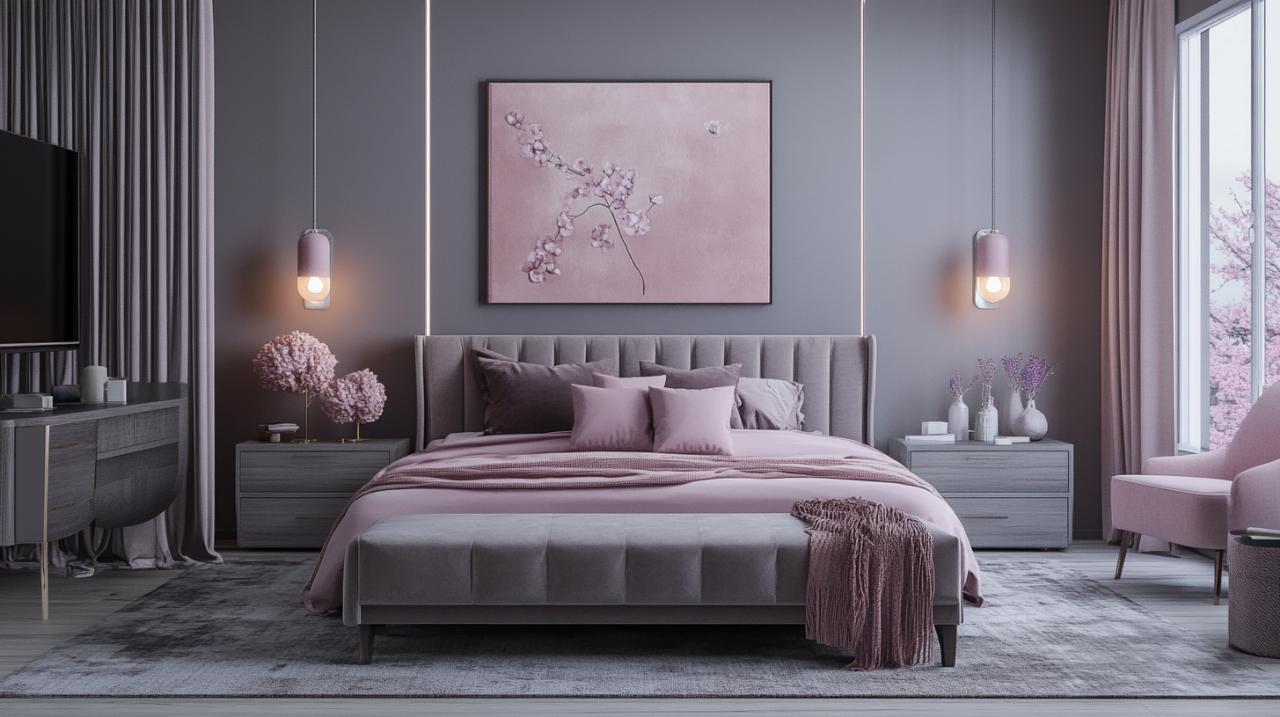
Creating a welcoming and stylish nursery space has long been a cherished project for parents preparing to welcome their little ones. The enduring appeal of powder pink combined with sophisticated grey tones continues to captivate design enthusiasts, particularly those who appreciate the timeless aesthetic that emerged so prominently in 2017. By embracing furniture upcycling techniques, families can achieve beautiful, personalised nursery environments whilst making sustainable choices that honour both budgets and the planet. This approach transforms second-hand finds and tired pieces into charming focal points that reflect contemporary interior decor sensibilities.
Transforming vintage pieces with powder pink finishes
The art of furniture upcycling begins with recognising the potential hidden within pre-loved items. Whether sourced from charity shops, inherited from family members, or discovered at car boot sales, solid wood furniture offers the ideal foundation for transformation. Pieces constructed from oak, pine, or mahogany respond particularly well to refinishing projects, as their robust construction withstands the preparation process required for a professional outcome. When selecting items for a powder pink nursery, consider classic forms such as dressers, wardrobes, or small desks that can serve multiple functions as your child grows.
Selecting the Right Furniture for Upcycling Projects
Identifying suitable candidates for DIY furniture renewal requires a discerning eye for both structural integrity and aesthetic potential. Examine joints carefully to ensure they remain tight and stable, as wobbly furniture poses safety concerns in spaces designed for children. Surface condition matters less than structural soundness, since thorough preparation can address most cosmetic imperfections. Pieces featuring interesting architectural details such as carved drawer fronts, turned legs, or decorative mouldings gain additional character when highlighted with fresh paint. A computer desk makeover can breathe new life into a workspace corner, whilst a pink changing table serves dual purposes as both functional nursery furniture and a striking design statement. Bamboo style desks offer particularly appealing textures that complement soft powder pink finishes beautifully.
Achieving professional-quality powder pink painted surfaces
The preparation phase determines the success of any furniture painting project. Begin by cleaning all surfaces thoroughly to remove accumulated grime, oils, and residues that might prevent proper paint adhesion. Light sanding with medium-grit sandpaper creates the ideal surface texture for paint bonding, whilst also smoothing any rough patches or imperfections. For pieces with existing varnish or glossy finishes, more aggressive sanding or chemical strippers may prove necessary. Applying a quality primer ensures consistent colour coverage and prevents wood tannins from bleeding through lighter shades. When selecting pink paint colours, consider how natural light affects perception throughout the day. Rose Water delivers delicate, barely-there blush tones perfect for creating serene atmospheres, whilst Damask offers slightly more saturated warmth. Peony provides cheerful vibrancy without overwhelming smaller spaces, and Blush Pink strikes an elegant balance between presence and subtlety. Pink Champagne introduces sophisticated peachy undertones that pair exceptionally well with grey accents. Multiple thin coats always surpass a single heavy application, reducing drip marks and ensuring smooth, even coverage across all surfaces.
Grey and pink colour schemes that defined 2017 nursery design
The design landscape of 2017 celebrated the harmonious marriage of soft pink tones with various grey shades, creating nursery environments that felt both nurturing and refined. This colour palette demonstrated remarkable versatility, appealing to those seeking feminine charm whilst maintaining enough sophistication to grow alongside children. The combination proved particularly successful because grey provides grounding neutrality that prevents pink from feeling saccharine or overly themed. Interior decor professionals championed this pairing for its ability to adapt to different lighting conditions and complement diverse decorative accessories.
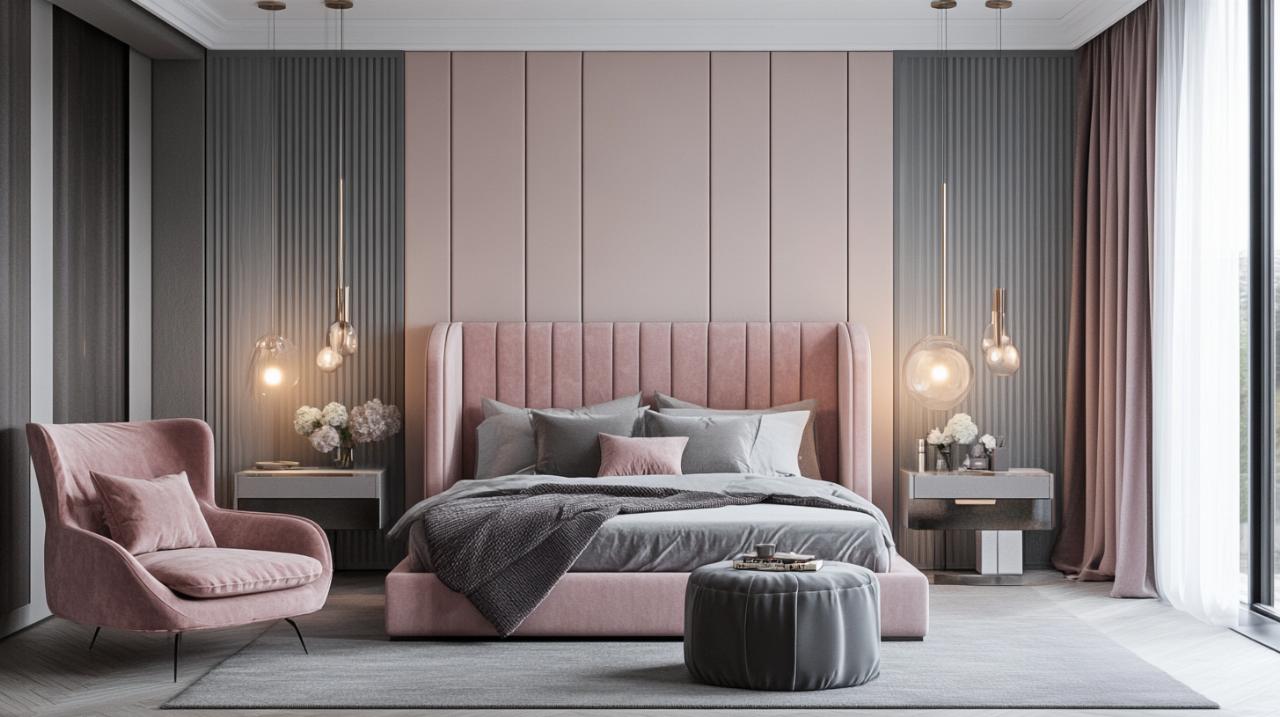
Balancing soft powder tones with sophisticated grey accents
Achieving visual harmony within a grey and pink bedroom requires thoughtful distribution of colour intensity and proportion. Walls painted in pale grey create an elegant backdrop that allows powder pink furniture to shine as featured elements within the space. Conversely, soft pink walls gain depth and definition when paired with grey-painted furniture pieces, particularly larger items such as wardrobes or bookcases. The 2017 trend favoured cooler grey tones rather than warmer variations, as these complement the delicate coolness inherent in powder pink shades. Textiles offer additional opportunities to reinforce the colour scheme through curtains, rugs, and bedding that incorporate both hues in complementary patterns. Geometric designs featuring alternating grey and pink elements proved particularly popular during this period, adding contemporary edge to otherwise traditional nursery settings. For those hesitant about committing fully to pink, introducing it through painted furniture whilst maintaining grey walls offers a balanced compromise that feels current yet timeless.
Incorporating metallic hardware into upcycled nursery furniture
The smallest details often exert the greatest influence on perceived quality and finish. Replacing dated hardware transforms basic furniture upcycling projects into sophisticated home styling statements. Brushed brass knobs and pulls gained significant traction during 2017, their warm metallic tones complementing both pink and grey beautifully. Rose gold finishes emerged as another favoured choice, their blush-toned shimmer creating cohesive visual connections with powder pink painted surfaces. For those preferring cooler metallics, polished chrome or brushed nickel provide crisp contrast against soft colour palettes without competing for visual attention. Beyond drawer pulls and knobs, consider other hardware elements such as hinges, corner brackets, and decorative appliqués that can elevate ordinary pieces into custom-looking creations. Some enthusiasts embrace decoupage furniture techniques, applying decorative paper or fabric to drawer fronts before sealing with protective varnish, then finishing with statement hardware that ties the entire design together.
Sustainable nursery styling through creative furniture renewal
Environmental consciousness increasingly influences home decoration choices, with furniture upcycling representing a meaningful way to reduce consumption whilst creating distinctive interiors. Rather than purchasing new mass-produced items, transforming existing pieces extends their useful life and prevents perfectly serviceable furniture from entering landfills. This approach resonates particularly strongly with parents who wish to model sustainable values for their children from the earliest stages of life.
Cost-effective techniques for refreshing second-hand pieces
Budget considerations often shape nursery planning decisions, making the financial advantages of furniture upcycling particularly appealing. The primary expenses involve paint, primer, sandpaper, and new hardware, all of which cost considerably less than purchasing new furniture. Many successful bedroom makeover projects utilise pieces acquired for nominal sums or even free when family members downsize or redecorate their own homes. Paint represents the most significant investment, yet quality products deliver superior results that justify their cost through durability and finish. Chalk-based paints have gained popularity for furniture applications because they require minimal surface preparation and provide excellent coverage, though they typically need sealing with wax or polyurethane for protection in high-use environments. For those working within particularly tight budgets, focusing transformation efforts on a single statement piece such as a dresser or changing table creates significant visual impact without requiring extensive material purchases. The remaining nursery furniture can coordinate through simpler updates such as new hardware or decorative stencilling that reinforces the powder pink and grey theme without complete refinishing.
Maintaining Timeless Appeal in Powder Pink and Grey Nurseries
Design trends inevitably evolve, yet certain combinations possess enduring qualities that transcend temporary fashions. The pairing of powder pink with grey has demonstrated remarkable staying power precisely because it balances current aesthetic preferences with classic sensibilities. When planning a nursery that will serve through multiple childhood stages, consider how easily the space might adapt as interests and needs change. Furniture upcycling facilitates future modifications, as painted pieces can be refreshed with new colours when toddler preferences emerge or bedroom functions shift. The sophisticated foundation established through quality grey and pink furniture creates flexibility for accessorising with different accent colours as children grow. Neutral grey walls paired with pink furniture particularly support this adaptability, allowing decorative elements to evolve without requiring major repainting projects. Many parents who embraced this colour palette in 2017 find it continues serving their families beautifully years later, testament to the timeless nature of these carefully balanced tones. By investing effort in proper furniture preparation and using quality materials, upcycled pieces gain heirloom potential, perhaps eventually serving grandchildren in their own nurseries decades hence. This long-term perspective elevates furniture upcycling from simple home styling to meaningful family tradition.