Transforming your living space into a vibrant and personalised haven does not require a substantial budget or professional decorators. One of the most delightful and accessible ways to involve the entire family in home improvement is by crafting your own stickers. This creative endeavour not only breathes fresh life into rooms but also strengthens family bonds through shared activities. Whether you are looking to add a splash of colour to a child's bedroom or introduce seasonal motifs to communal areas, homemade stickers offer endless possibilities for expressing individuality and creativity. The process is straightforward, economical, and suitable for all ages, making it an ideal project for weekends or school holidays.
Getting Started: Essential Materials and Preparation for Your Family Sticker Workshop
Before diving into the creative process, it is crucial to gather the right materials and set up an inviting workspace. The success of your sticker-making project depends largely on the quality and suitability of the supplies you choose. This initial stage may seem mundane, but it lays the foundation for a smooth and enjoyable crafting experience. Taking the time to organise your materials and designate a comfortable area for working will help everyone focus on the creative aspects without unnecessary interruptions or frustrations.
Selecting the Right Paper and Adhesive Materials for Long-Lasting Stickers
The backbone of any sticker project is the paper and adhesive you select. For homemade stickers that withstand the test of time, consider using printable adhesive paper or vinyl sheets. These materials are readily available online and in craft shops, often at reasonable prices. Printable adhesive paper is particularly user-friendly, as it allows you to print designs directly from your computer, making it perfect for families who wish to incorporate digital art or photographs into their decorations. Vinyl sheets, on the other hand, offer greater durability and are ideal for surfaces that may be exposed to moisture, such as bathroom walls or kitchen cabinets. If you prefer a more traditional approach, you can also use regular paper paired with a reliable adhesive spray or double-sided tape. The key is to ensure that whatever materials you choose can adhere securely to your chosen surfaces without peeling or fading quickly. Testing a small sample before committing to a large project is always a wise move.
Setting Up Your Creative Workspace: Tips for Organising a Family-Friendly Crafting Area
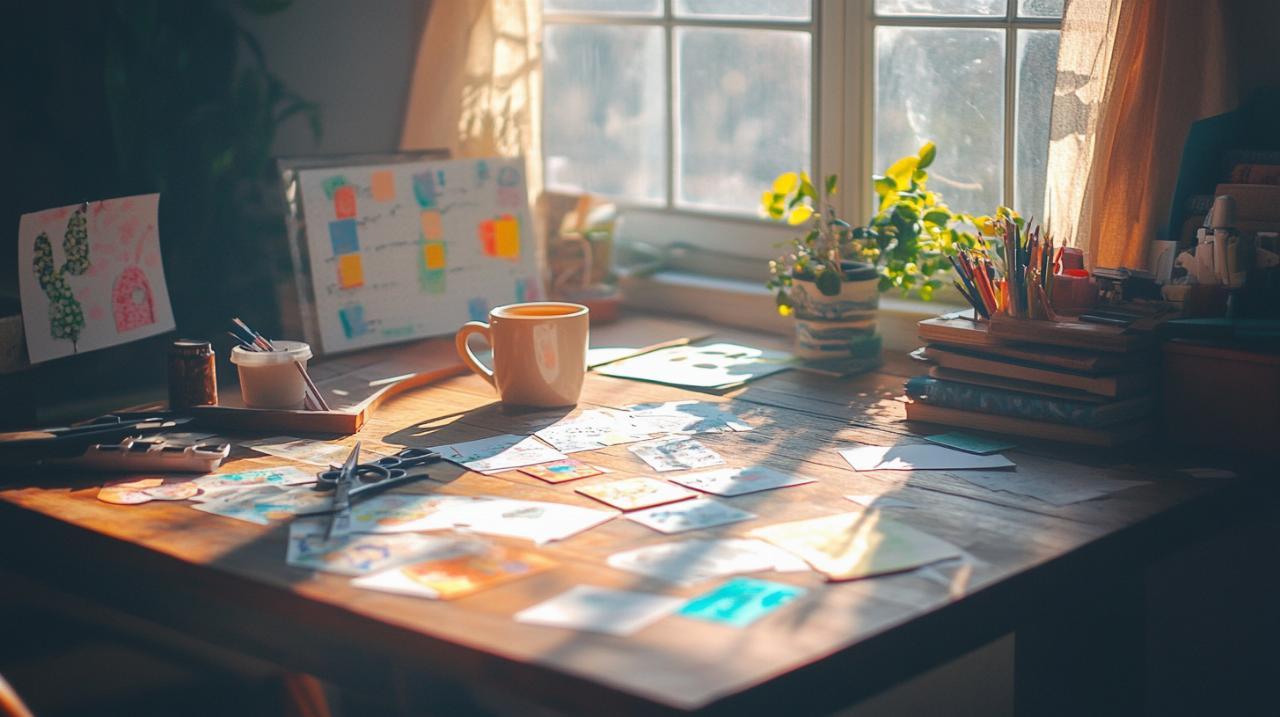
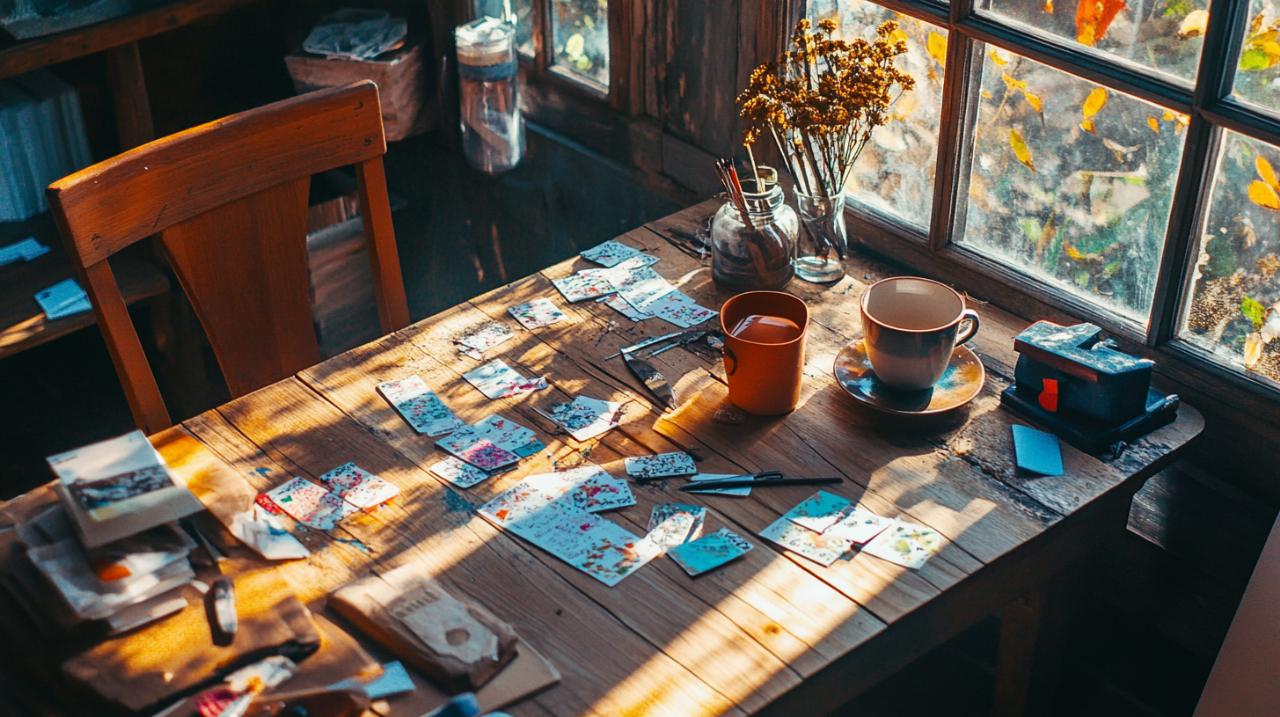
Creating a dedicated space for your sticker workshop helps keep the project organised and ensures that everyone has room to work comfortably. Choose a table or desk that is large enough to accommodate multiple family members, and cover it with an old tablecloth or newspaper to protect the surface from glue, paint, and scissors. It is helpful to gather all your materials in advance, including pens, pencils, rulers, scissors, glue, and any decorative elements such as glitter or markers. Providing each family member with their own set of supplies can prevent disputes and encourage independence, especially among younger children. Consider setting up small containers or trays to hold different items, making it easy to locate what you need without disrupting the creative flow. Good lighting is essential, so position your workspace near a window or use a bright lamp to ensure everyone can see their designs clearly. Creating a comfortable and well-organised environment not only enhances productivity but also makes the entire experience more enjoyable for everyone involved.
Design Inspiration: From Vibrant Patterns to Seasonal Themes for Every Room
Once your workspace is ready and your materials are at hand, the next step is to explore the wealth of design possibilities available. Homemade stickers can range from simple shapes and bold colours to intricate patterns and themed illustrations. The beauty of this activity lies in its versatility, allowing each family member to contribute their unique artistic vision. Whether you are drawn to contemporary geometric designs or whimsical seasonal motifs, there is no limit to what you can create together. Drawing inspiration from current trends in interior decoration, as well as from the natural world and cultural celebrations, can help spark fresh ideas and ensure your stickers complement the existing aesthetic of your home.
Exploring Colour Schemes and Unique Patterns to Bring Life to Children's Bedrooms and Bathrooms
Colour plays a pivotal role in setting the mood of a room, and choosing the right palette for your stickers can make a significant difference in how a space feels. For children's bedrooms, vibrant and playful colours such as bright blues, sunny yellows, and cheerful pinks often work well, fostering a sense of energy and imagination. Patterns such as stars, clouds, animals, and cartoon characters are perennial favourites that can transform a plain wall into a magical landscape. When designing stickers for bathrooms, consider lighter, more serene tones that evoke cleanliness and tranquillity, such as aqua, mint green, or soft lavender. Patterns inspired by the sea, such as fish, shells, and waves, can add a refreshing touch to these spaces. The process of selecting colours and patterns is an excellent opportunity for children to develop their fine motor skills and cognitive abilities, as they learn to coordinate their hands and eyes while exploring their creativity. Encouraging them to mix and match different elements helps them understand the principles of design and spatial awareness, making this activity both entertaining and educational.
Festive Sticker Ideas for Christmas and Special Occasions Throughout the Year
One of the most rewarding aspects of homemade stickers is their adaptability to various occasions and celebrations. During the festive season, creating Christmas-themed stickers can infuse your home with warmth and holiday cheer. Snowflakes, reindeer, holly leaves, and cheerful snowmen are classic motifs that never go out of style. These designs can be used to decorate windows, doors, and even kitchen cupboards, creating a cohesive festive atmosphere throughout your home. Beyond Christmas, consider crafting stickers for other special occasions such as birthdays, Easter, or summer holidays. Seasonal themes allow you to refresh your interior decoration regularly without committing to permanent changes, making it easy to adapt your space to reflect the time of year. Involving the entire family in these projects not only spreads the workload but also creates cherished memories and traditions that children will remember fondly as they grow older. The act of designing and placing stickers together fosters a sense of pride and ownership in the home environment, encouraging everyone to take an active role in maintaining and beautifying shared spaces.
Practical Applications: Transforming Walls, Furniture, and Kitchen Spaces with Homemade Stickers
With your designs complete and your stickers ready to apply, the final stage involves bringing your creative visions to life by placing them around your home. This phase is where the true magic of the project becomes apparent, as blank walls and plain furniture are transformed into personalised works of art. The versatility of homemade stickers means they can be used in virtually any room, on a variety of surfaces, and in countless configurations. Whether you are looking to make a bold statement with a large mural or prefer subtle accents that add character without overwhelming a space, the possibilities are limited only by your imagination.
Creative Ways to Embellish Different Surfaces and Express Personal Style in Your Interior Decoration
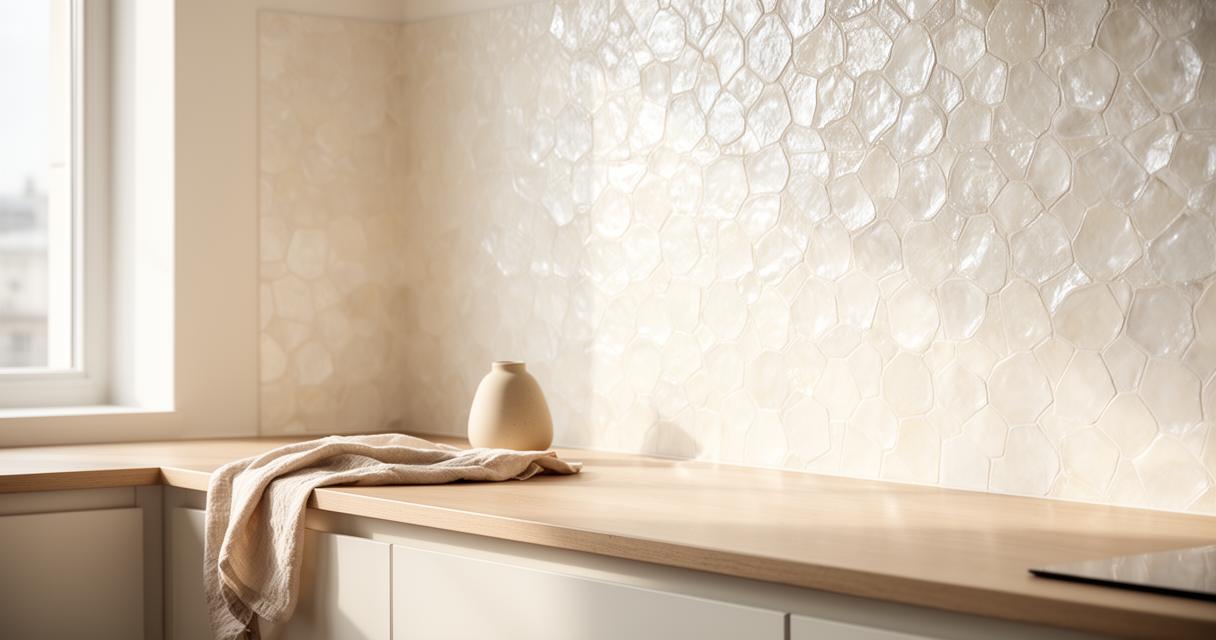
Walls are the most obvious canvas for sticker decoration, but they are far from the only option. Consider applying stickers to furniture such as wardrobes, dressers, and bookshelves to give old pieces a new lease on life. A plain wooden cabinet can be transformed with a pattern of geometric shapes or a whimsical scene, turning it into a unique focal point in any room. Kitchen spaces, often overlooked in home decoration projects, can also benefit from the addition of stickers. Applying designs to cupboard doors, splashbacks, or even the sides of appliances can inject personality and colour into what is often a purely functional area. When placing stickers, think about the overall balance and flow of the room. Avoid overcrowding surfaces, as this can make a space feel cluttered rather than cheerful. Instead, aim for strategic placement that draws the eye and complements existing furnishings and colour schemes. Experimenting with different arrangements before committing to a final design can help you find the most visually pleasing configuration. This process of trial and adjustment is an excellent lesson in problem-solving and decision-making, particularly for children, who learn to evaluate and refine their ideas based on aesthetic and practical considerations.
Turning Sticker-Making into a Regular Family Hobby: Benefits for Children and Bonding Activities
Beyond the immediate gratification of beautifying your home, engaging in regular sticker-making sessions offers a range of long-term benefits for both children and adults. For young ones, the activity supports the development of fine motor skills as they cut, peel, and position stickers with increasing precision. It also enhances cognitive development by encouraging planning, sequencing, and spatial reasoning. The open-ended nature of the craft allows children to express their emotions and ideas freely, fostering emotional expression and language skills as they describe their creations and collaborate with family members. For parents and caregivers, these sessions provide valuable opportunities to bond with children in a relaxed and enjoyable setting, away from the distractions of screens and daily routines. Establishing a regular sticker-making tradition can become a cherished family ritual, offering a reliable source of connection and creativity. As children grow older, the complexity and sophistication of the designs can evolve, ensuring that the activity remains engaging and age-appropriate. By nurturing an environment that values exploration and creativity, families can cultivate a lifelong appreciation for art and craftsmanship. The satisfaction guarantee that comes from seeing your home transformed by your own handiwork is immeasurable, reinforcing the idea that meaningful and beautiful changes do not always require significant financial investment. With a little imagination and effort, your living space can become a true reflection of your family's personality and shared experiences.