Transforming an aquarium from a simple glass container into a captivating underwater world requires thoughtful planning and a keen eye for detail. Whether you envision a lush Amazonian riverbed, a vibrant coral reef scene, or a serene minimalist aquascape, the journey begins with understanding how decorative elements, substrate choices, and advanced systems such as carbon dioxide injection work together to create a thriving environment. This guide explores the essential steps to curate a stunning aquatic display that not only pleases the eye but also supports the health and wellbeing of your fish.
Planning your aquatic masterpiece: theme, background, and substrate selection
Choosing the Right Aesthetic Vision for Your Aquarium
Before adding any decorative elements, it is essential to establish a clear vision for the overall aesthetic of your aquarium. The theme you select will guide every subsequent decision, from the types of plants and rocks you choose to the colour palette and layout. For instance, a biotope aquarium aims to replicate a specific natural habitat, such as a South American river or an East African lake, using species and materials native to that region. Alternatively, a Dutch-style aquascape emphasises dense, layered planting with a focus on colour contrasts and textures, while Iwagumi designs rely on carefully positioned stones to create a sense of harmony and tranquillity.
When selecting a theme, consider the species of fish you intend to keep, as their natural habitats should inform your design choices. Tropical freshwater fish often thrive in environments that mimic their native waters, complete with driftwood, dense vegetation, and sandy substrates. Meanwhile, species that prefer rocky environments may benefit from a setup featuring carefully arranged stones and minimal planting. Retailers such as Charterhouse Aquatics and Aquarium Gardens offer a wide range of products tailored to various aquascaping styles, including hardscape materials, aquarium plants, and CO2 equipment designed to support lush planted tanks.
Selecting appropriate backgrounds and substrate materials
The background of an aquarium serves as the canvas upon which the entire aquascape is displayed. A simple black or blue poster can provide a clean, unobtrusive backdrop that allows the internal decorations to stand out, while printed backgrounds depicting natural scenes such as rocky cliffs or submerged forests can add depth and realism. The choice of background should complement the overall theme and enhance the visual impact of the aquarium without overwhelming the viewer.
Equally important is the selection of substrate, which forms the foundation of the aquascape and influences both the aesthetic and biological health of the tank. Gravel and sand are the most common substrate materials, each offering distinct advantages. Gravel provides excellent drainage and is ideal for aquariums with robust filtration systems, while sand offers a more natural appearance and is particularly suitable for bottom-dwelling fish that enjoy sifting through the substrate. The grain size and colour of the substrate should be chosen with care, as lighter substrates can make fish appear washed out, whereas darker tones tend to enhance their natural colours. Retailers often offer a variety of substrate options, including specialised materials designed to support plant growth by providing essential nutrients and promoting beneficial bacterial colonies.
Essential Decorative Elements: Rocks, Plants, and Natural Features for a Thriving Tank
Incorporating aquarium-safe rocks, bogwood, and natural décor
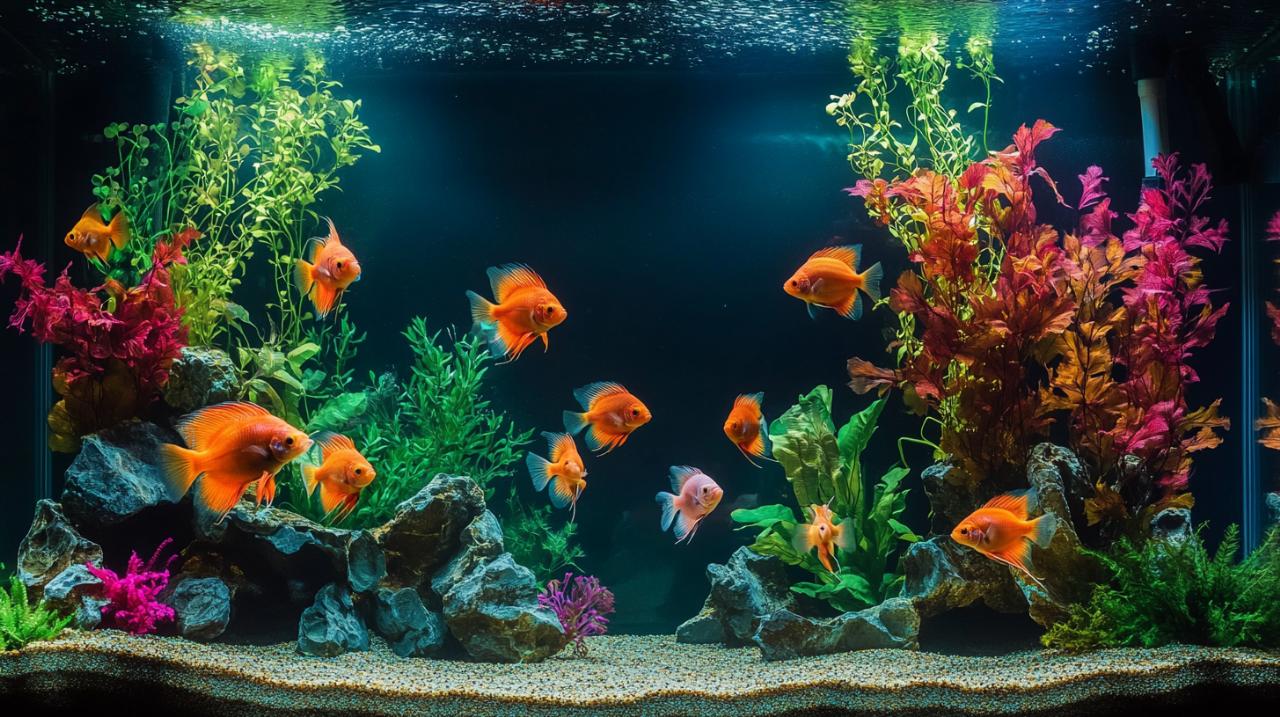
Rocks and stones are among the most versatile decorative elements in aquascaping, offering both visual interest and functional benefits. They can be arranged to create caves, overhangs, and hiding places that provide shelter and reduce stress for shy or territorial fish. When selecting rocks, it is crucial to ensure they are aquarium-safe and free from contaminants that could alter water chemistry or harm aquatic life. Popular choices include lava rock, slate, and dragon stone, each offering unique textures and colours that can be used to create striking compositions.
Bogwood and driftwood are equally valuable additions, contributing a natural, weathered appearance that evokes the submerged forests and riverbeds found in the wild. These materials not only enhance the visual appeal of the tank but also provide surfaces for beneficial bacteria to colonise and can release tannins that soften the water and create a more natural environment for certain species. Retailers such as Aquarium Gardens stock a wide range of rocks and wood suitable for aquascaping, ensuring that hobbyists can find materials that align with their chosen theme and tank size.
Choosing Between Real and Artificial Plants for Visual Appeal and Fish Welfare
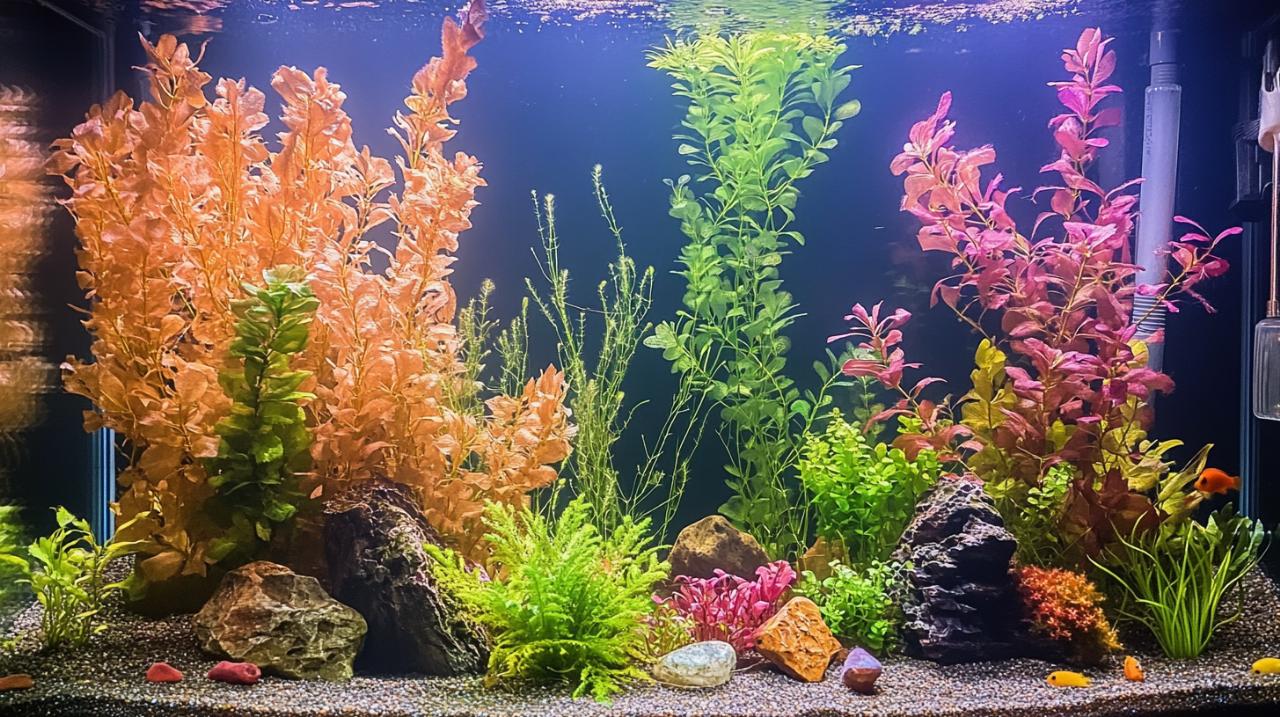
Plants play a central role in creating a vibrant and healthy aquarium, offering numerous benefits beyond their aesthetic contribution. Live plants produce oxygen, absorb nitrates, and provide natural hiding places for fish, contributing to a more stable and balanced ecosystem. However, maintaining live plants requires careful attention to lighting, nutrient levels, and water parameters, as well as the use of carbon dioxide systems to support robust growth in medium to high-light setups.
For aquarists who prefer a lower-maintenance option, artificial plants crafted from resin or silk can provide a similar visual effect without the need for CO2 injection or intensive care. These plants are available in a wide range of colours and styles, including vivid red varieties that add a striking pop of colour to the aquascape. Retailers such as Charterhouse Aquatics offer extensive selections of both live and artificial plants, enabling hobbyists to choose the option that best suits their experience level and aesthetic preferences. Regardless of the choice, it is essential to arrange plants in a way that creates depth and visual interest, with taller specimens positioned towards the back of the tank and shorter varieties towards the front.
Optimising your aquarium setup: co2 systems, equipment, and space management
Understanding the Benefits of CO2 Systems for Lush Planted Tanks
For aquascapers seeking to cultivate a densely planted aquarium with vibrant, fast-growing vegetation, the introduction of a carbon dioxide system is often essential. Carbon dioxide is a fundamental component of photosynthesis, and supplementing it in the aquarium can significantly enhance plant growth, colour intensity, and overall health. This is particularly important in setups with medium to high lighting, where plants may struggle to access sufficient CO2 from the water column alone.
A complete CO2 injection system typically includes a CO2 bottle, regulator, solenoid valve, bubble counter, diffuser, tubing, and a drop checker to monitor concentration levels. The regulator controls the flow of gas from the bottle, while the solenoid allows for automatic shutoff during periods when lights are off, preventing unnecessary wastage. The bubble counter provides a visual indication of the rate at which CO2 is being introduced, and the diffuser ensures efficient dissolution into the water. Maintaining CO2 levels around thirty parts per million is generally recommended, as this concentration supports robust plant growth while remaining safe for fish.
Charterhouse Aquatics and Aquarium Gardens both stock comprehensive ranges of CO2 equipment and aquascaping supplies, making it straightforward for hobbyists to assemble a system tailored to their tank size and planting density. Proper use of CO2 injection can transform a sparsely planted aquarium into a lush underwater garden, with plants exhibiting brighter colours, faster growth rates, and improved resilience against algae.
Balancing Décor with Essential Filtration, Heating, and Swimming Space
While it may be tempting to fill every available inch of the aquarium with decorative elements, it is crucial to strike a balance that ensures the health and comfort of the fish. Overcrowding the tank with rocks, wood, and plants can restrict swimming space, impede water circulation, and create dead zones where waste accumulates. Fish require adequate room to swim freely, establish territories, and exhibit natural behaviours, and a well-designed aquascape should facilitate these needs rather than hinder them.
In addition to providing ample swimming space, the placement of decorations should not obstruct essential equipment such as filters and heaters. Efficient filtration is vital for maintaining water quality, and any obstruction to water flow can reduce the effectiveness of the system. Similarly, heaters should be positioned in areas with good circulation to ensure even heat distribution throughout the tank. Retailers often offer flexible payment options and subscribe-and-save services, making it easier for hobbyists to invest in high-quality equipment that supports long-term aquarium health.
Regular monitoring and maintenance are also essential for ensuring that the aquarium remains a safe and attractive environment. Water parameters should be tested frequently, and any adjustments to CO2 levels, lighting, or fertilisation should be made gradually to avoid shocking the plants or fish. By carefully planning the layout, selecting appropriate materials, and investing in reliable equipment, aquarists can create a stunning aquatic display that provides both visual enjoyment and a thriving habitat for their fish.