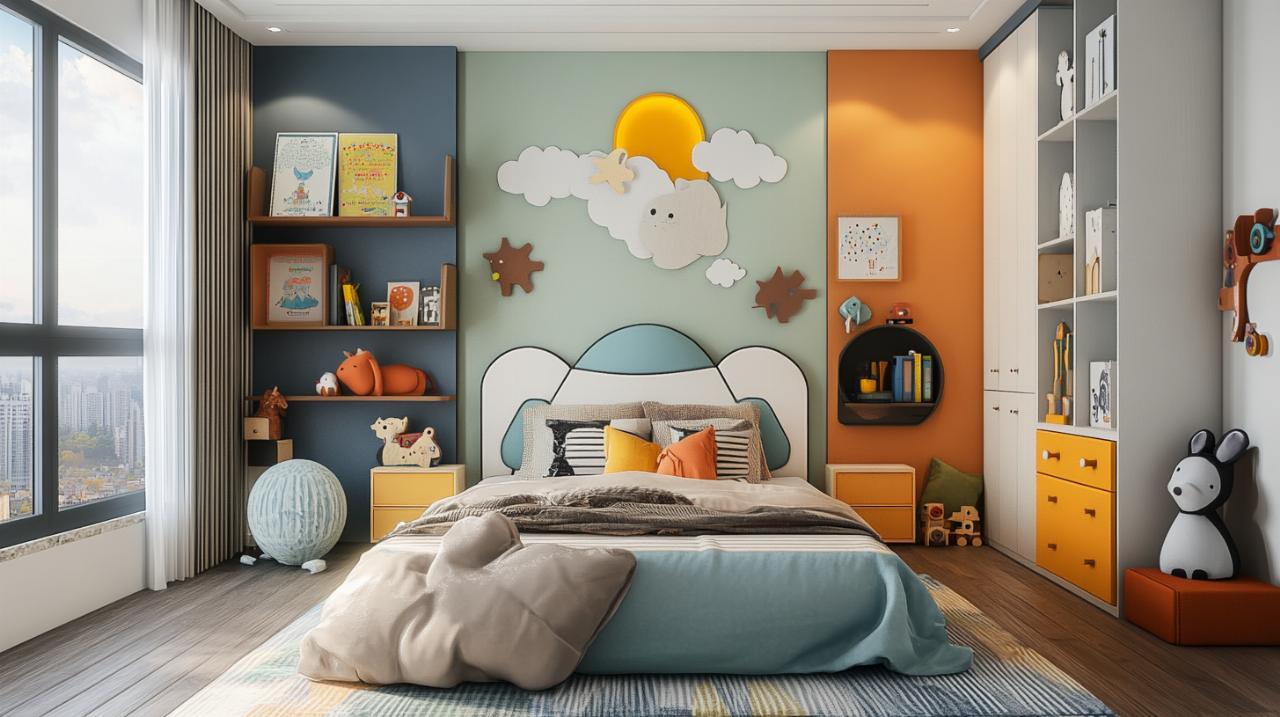
Creating a sanctuary for your little one where imagination flourishes and every corner invites exploration is a rewarding endeavour for any parent. A thoughtfully designed child's room goes beyond mere aesthetics; it becomes a nurturing environment that supports development, encourages creativity, and grows alongside your child through their formative years. From selecting the right furniture and wallpaper to incorporating playful elements that stimulate learning, the process of decorating a child's space is both an art and a science. By blending practicality with whimsy, you can craft a bedroom that not only delights the eye but also fosters essential skills and sparks endless adventures.
Designing a Bedroom That Grows with Your Child
When embarking on the journey of creating a child's bedroom, one of the most important considerations is ensuring that the space can adapt as your baby transitions into a toddler and beyond. Investing in adaptable furniture and versatile design elements allows the room to evolve without requiring a complete overhaul every few years. This approach not only saves money in the long run but also provides continuity and comfort for your child as they grow.
Choosing adaptable furniture for long-term use
Selecting furniture that can serve multiple purposes or adjust to different stages of childhood is a wise strategy. A table and chair set, for instance, can initially be used for simple play activities and snacks, and later become a dedicated spot for creative projects, homework, and rest. Many parents find that sturdy wooden options, such as those available from KiddyMoon, offer both durability and timeless appeal. Another versatile piece is a foam sofa that can be transformed into a comfortable mattress, providing a cosy reading nook during the day and an extra sleeping surface for guests or sleepovers as your child matures. By choosing furniture that grows with your child, you create a room that remains functional and inviting through every developmental milestone.
Selecting age-appropriate wallpaper themes
Wallpaper can dramatically alter the atmosphere of a child's bedroom, setting the stage for imaginative play and personal expression. When choosing a theme, consider designs that will remain appealing as your child's interests evolve. Outer space motifs featuring planets, rockets, and stars can captivate a baby's curiosity and continue to inspire a school-aged child's fascination with science and exploration. Similarly, jungle themes with vibrant foliage and friendly animals offer a lively backdrop that encourages storytelling and adventure. Opting for wallpaper that is easy to clean and made from child-safe materials ensures that the room remains both beautiful and practical. Complementing the wallpaper with wall decorations such as framed images, three-dimensional shapes, and garlands can add depth and personality, transforming plain walls into a canvas for your child's imagination.
Creating imaginative play zones within the baby's space
A child's room should be more than just a place to sleep; it should be a dynamic environment that invites play, learning, and discovery. By thoughtfully designing dedicated play zones, you can encourage your child to engage in activities that support their physical, cognitive, and emotional development. Whether it's a quiet corner for reading or a lively area filled with soft play equipment, each zone serves a unique purpose in nurturing your child's growth.
Incorporating reading nooks and creative corners
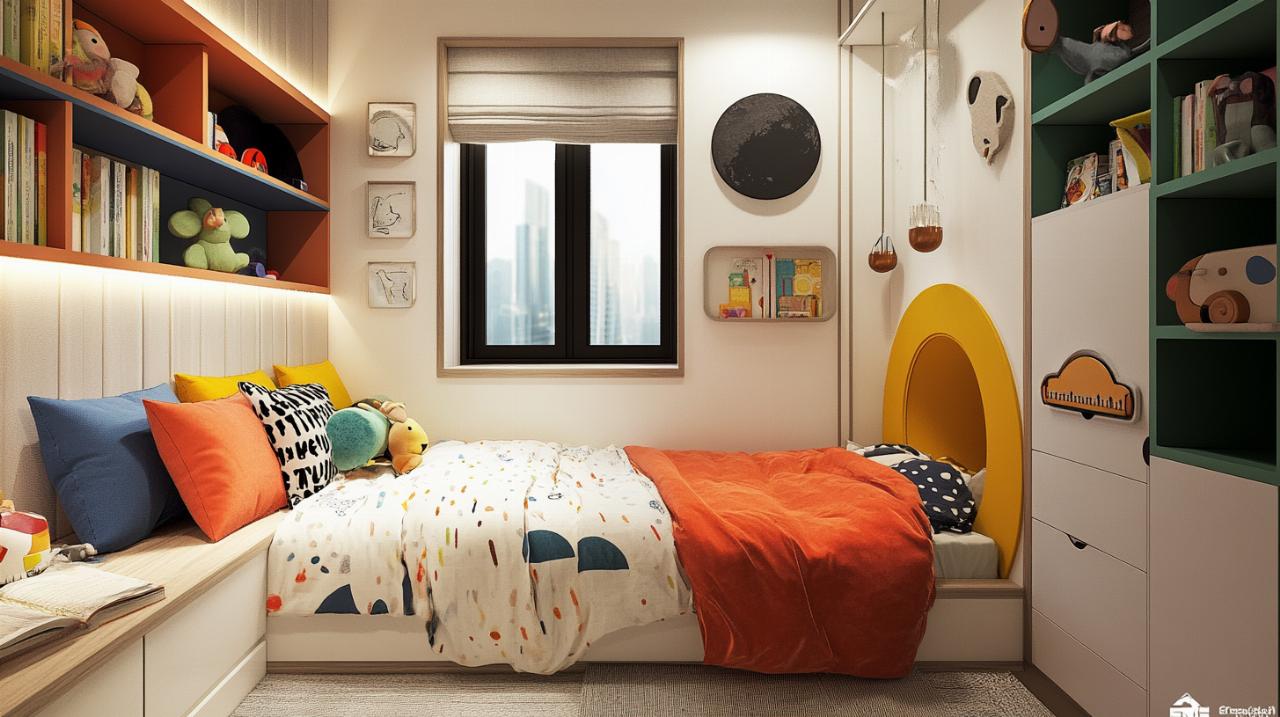
A reading nook provides a tranquil retreat where your child can explore the world of books and develop a lifelong love of reading. Furnishing this area with a comfortable foam armchair or a foldable chair creates an inviting spot for story time or quiet reflection. Adding a small bookshelf within easy reach empowers your child to choose their own reading material, fostering independence and decision-making skills. Creative corners, equipped with a table and chair set, offer a dedicated space for drawing, painting, and crafting. These areas not only support fine motor skill development but also encourage self-expression and critical thinking. By designating specific zones for different activities, you help your child learn to organise their time and space, laying the foundation for good habits as they grow.
Using multi-functional furniture to maximise play areas
In many homes, space is at a premium, making it essential to choose furniture that serves multiple functions. A foam sofa that converts into a mattress is an excellent example of a piece that can adapt to various needs throughout the day. During playtime, it can serve as a climbing structure or a cosy spot for imaginative games, while at night it becomes a comfortable sleeping surface. Soft play equipment, such as foam blocks, ramps, steps, and tunnels, can be arranged and rearranged to create ever-changing play environments. These elements not only enhance gross motor skills and critical thinking but also provide endless opportunities for creative play. A ball pit filled with colourful plastic balls is another fantastic addition, offering a fun and engaging way to develop colour recognition and fine motor skills. By incorporating these versatile pieces, you can maximise the play area within your child's bedroom, ensuring that every square metre is used to its full potential.
Balancing Aesthetics and Practicality in Your Child's Room
Creating a beautiful child's bedroom does not mean sacrificing functionality. The key is to strike a balance between design elements that delight the eye and practical features that make daily life easier. A well-coordinated room that combines attractive wallpaper, thoughtfully chosen furniture, and clever storage solutions will not only look inviting but also remain organised and easy to maintain.
Coordinating Wallpaper and Furniture for a Cohesive Look
Achieving a cohesive aesthetic in your child's room involves selecting wallpaper and furniture that complement each other in colour, theme, and style. If you have chosen an outer space theme for the wallpaper, consider furniture in neutral tones or soft pastels that allow the bold designs on the walls to take centre stage. Alternatively, a jungle-themed wallpaper might pair beautifully with wooden furniture that echoes the natural elements of the theme. Wall decorations such as a moon-shaped decor piece or three-dimensional planets can tie the entire room together, creating a harmonious and visually appealing environment. By carefully coordinating these elements, you create a space that feels intentional and thoughtfully designed, making it a place where your child will love to spend time.
Storage solutions that keep the bedroom organised
An organised bedroom is essential for maintaining both the aesthetic appeal and the functionality of your child's space. Incorporating storage solutions such as open shelves, bins, and baskets makes it easy to keep toys, books, and clothes neatly arranged. A baby play mat can serve as a designated play area, helping to contain clutter and making clean-up a simpler task. Furniture with built-in storage, such as benches with hidden compartments or beds with drawers underneath, can maximise space while keeping the room tidy. Teaching your child to put away their belongings not only keeps the bedroom looking its best but also instills valuable organisational skills and a sense of responsibility. By integrating smart storage solutions into the design, you ensure that the room remains a serene and welcoming retreat for your child, no matter how many toys and treasures accumulate over the years.