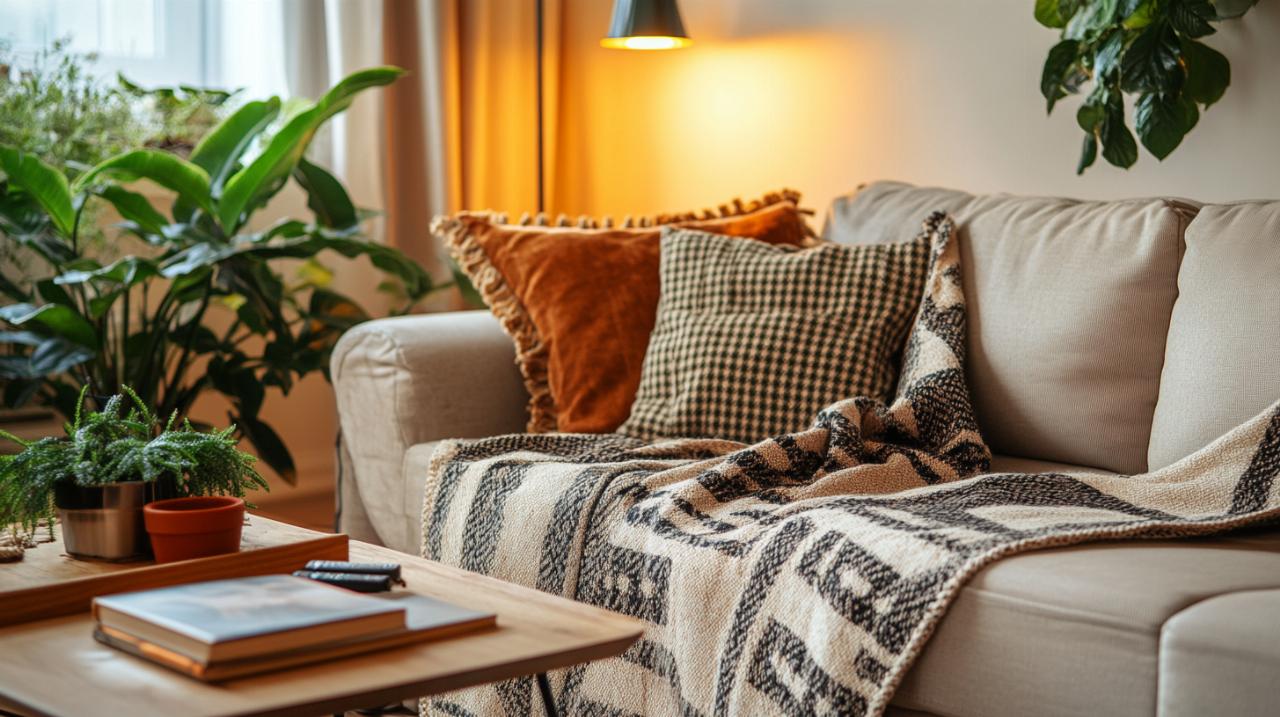
In the hustle and bustle of a busy household, maintaining a polished living room can feel like an endless battle, especially when your carefully arranged throw refuses to stay put on the sofa. Whether it's the playful antics of pets, the boundless energy of children, or simply the friction of daily use, slipping throws are a common frustration for homeowners seeking both style and practicality. The good news is that with the right techniques and a thoughtful approach to selecting and arranging your throw, you can achieve a neat, inviting appearance without sacrificing comfort or ease of maintenance. This guide explores a range of strategies to keep your throw firmly in place, while also considering how these textiles can enhance the overall aesthetic of your home.
Practical Solutions for Securing Throws on Your Sofa
When it comes to preventing your throw from sliding off the sofa, the key lies in understanding the mechanisms that provide stability. Rather than focusing solely on design or colour, it's essential to start by considering how the throw will stay anchored during everyday use. A throw that constantly requires readjustment not only disrupts the visual harmony of your living room but also detracts from the relaxed atmosphere you're trying to create. Fortunately, there are several practical solutions that can address this issue, ranging from the use of specialised underlays to strategic placement techniques that work with the natural contours of your furniture.
Non-Slip Underlays and Grip Pads: The Foundation of Stability
One of the most effective ways to secure a throw is by incorporating non-slip underlays or grip pads. These accessories work by creating friction between the throw and the sofa surface, significantly reducing the likelihood of movement. Many modern throws come equipped with grippy backing or rubberised layers that cling to the fabric of your sofa, ensuring that the throw remains in position even in high-traffic areas. For households with children or pets, this feature is particularly valuable, as it means the throw will stay put despite frequent use and the inevitable shifts and tugs that come with active living.
The advantage of using a throw with a built-in grip system is that it eliminates the need for additional fixtures or frequent adjustments. This is especially relevant for busy households where convenience is paramount. In addition to grippy backing, some throws are designed with anchoring details such as loops or straps that can be secured to the sofa frame or tucked into the crevices between cushions. These features provide an extra layer of security, ensuring that the throw remains perfectly draped throughout the day. For those with slick surfaces such as leather sofas, selecting a throw that specifies grip material compatibility can make all the difference, transforming a slippery surface into one that holds the throw firmly in place.
Strategic Tucking Methods and Furniture Weights for a Pristine Appearance
Beyond the use of specialised materials, the way you position and tuck your throw can significantly impact its stability. Strategic tucking involves carefully draping the throw over the sofa and then securing the excess fabric into the gaps between the seat cushions and the backrest. This method not only helps to anchor the throw but also creates a tailored, polished look that enhances the overall appearance of your living room. When tucking, it's important to ensure that the fabric is evenly distributed, with no bunching or unevenness that could detract from the aesthetic appeal.
Another technique that can be particularly effective is the use of furniture weights. While this may sound unconventional, placing small, discreet weights along the edges of the throw can help to hold it in place without detracting from its visual appeal. These weights can be sewn into the hem of the throw or attached using clips, depending on your preference and the design of the throw itself. For those who prefer a more natural approach, simply ensuring that the throw is proportionally sized to fit your sofa can also reduce slippage. A throw that is too small will inevitably shift and slide, whereas one that is generously sized and properly positioned will drape beautifully and stay put, even in the face of daily wear and tear.
Choosing the Right Throw: Material, Size, and Colour Coordination
Selecting the right throw is about more than just finding a design that catches your eye. The material, size, and colour of the throw all play crucial roles in determining how well it will function in your living space. By paying attention to these factors, you can ensure that your throw not only looks stunning but also performs well in a high-traffic environment. The ideal throw should balance aesthetic appeal with practical considerations, offering both visual interest and the durability needed to withstand the rigours of everyday life.
Selecting fabrics that naturally resist movement
The fabric from which your throw is made can have a significant impact on its ability to stay in place. Certain materials naturally resist movement thanks to their texture and weight, making them ideal choices for busy living rooms. Cotton blends, for example, offer a good balance between softness and grip, while fleece provides a cosy, slightly textured surface that tends to cling to the sofa. Jacquard and woven fabrics, with their intricate patterns and denser construction, also tend to be heavier and more stable, reducing the likelihood of slippage.
Faux fur throws, while undeniably luxurious, can sometimes be more prone to sliding, particularly on smooth surfaces. However, when paired with a non-slip underlay or a grippy backing, even these plush textiles can be secured effectively. The key is to consider the interaction between the throw and the surface of your sofa. For leather or faux leather sofas, which tend to be slicker, opting for a throw with a rubberised backing or a textured underside can provide the necessary friction to keep the throw in place. In contrast, fabric sofas may work well with a wider range of materials, allowing you to prioritise comfort and style without worrying as much about slippage.

Proportional Sizing and Colour Schemes to Complement Your Interior Design
Ensuring that your throw is proportionally sized to your sofa is essential for both aesthetic and practical reasons. A throw that is too small will inevitably shift and slide, while one that is overly large may appear bulky and difficult to arrange. For a standard three-seater sofa, a large throw that covers the full arm-to-arm length is typically recommended, as it provides ample coverage and reduces the need for constant readjustment. Similarly, for two-seater sofas or corner units, selecting a throw that corresponds to the dimensions of the furniture will ensure a neat, cohesive look.
Colour coordination is another important consideration when choosing a throw. The right colour can tie together the various elements of your living room, creating a harmonious and inviting space. Current styling trends for the year ahead emphasise the use of layered neutrals, which offer a timeless, sophisticated look that can be easily updated with seasonal accents. Contrasting colours can also be used to create visual interest, drawing the eye and adding a dynamic element to the room. Mixing textures, such as pairing a smooth cotton throw with a chunky knit cushion, can further enhance the overall aesthetic, adding depth and character to your living space.
When selecting a throw, it's also worth considering how it will fit within the broader context of your home's interior design. A throw that complements the existing colour palette and decor will feel like a natural extension of the space, rather than an afterthought. Whether you opt for a bold, statement piece or a subtle, understated design, the key is to ensure that the throw enhances the room's aesthetic while also serving its practical purpose of protecting your sofa and staying securely in place.
Integrating throws into your home's aesthetic across different spaces
While throws are most commonly associated with the living room, their versatility means that they can be used to enhance the aesthetic of various spaces throughout your home. By thoughtfully integrating throws into different rooms, you can create a cohesive design narrative that ties together the various elements of your interior. From the kitchen to the bedroom, throws offer an easy and affordable way to refresh your decor, protect your furniture, and add a touch of warmth and comfort to any space.
Enhancing Living Room Art and Décor with Thoughtfully Placed Throws
In the living room, a well-chosen throw can serve as a focal point that draws together the room's art and decor. By selecting a throw that complements the colours and textures of your existing furnishings, you can create a layered, curated look that feels both intentional and inviting. For example, a throw in a rich, jewel-toned hue can echo the colours found in a piece of artwork or a decorative cushion, creating a sense of continuity and harmony throughout the space.
Throws can also be used to highlight architectural features or design elements within the room. Draping a throw over the back of a sofa can draw attention to the furniture's shape and structure, while positioning it across the seat can create a welcoming, informal vibe. In high-traffic living rooms, where the sofa is used frequently by family members and guests, a throw provides both protection and style, ensuring that the furniture remains looking its best while also contributing to the overall aesthetic. The ability to change the decor without needing new furniture is one of the key advantages of using throws, offering flexibility and the opportunity to refresh your living space with minimal effort and expense.
Extending the Concept: Throws in the Kitchen, Bedroom, and Beyond
While the living room is the natural home for many throws, these versatile textiles can also be used to great effect in other areas of the house. In the bedroom, a throw draped across the foot of the bed can add a layer of warmth and visual interest, while also providing an extra blanket on cooler evenings. Choosing a throw that complements your bedding and bedroom decor can help to create a cohesive, restful environment that feels both stylish and comfortable.
In the kitchen, throws can be used in more unexpected ways, such as covering seating in a breakfast nook or draping over the back of a bench. While practicality is key in a space that sees frequent spills and splashes, selecting a throw that is machine washable in cold water and easy to air dry ensures that it remains looking fresh and vibrant. The ability to quickly remove and launder a throw makes it an ideal choice for busy households, where convenience and durability are essential.
By extending the use of throws beyond the living room, you can create a sense of continuity throughout your home, with each space benefiting from the warmth, texture, and visual appeal that these textiles provide. Whether you're protecting a cherished piece of furniture, adding a seasonal accent, or simply refreshing your decor, throws offer a versatile and affordable solution that can be tailored to suit the unique needs and preferences of your household. With the right techniques to keep them in place, these textiles can transform your living spaces, ensuring that your home remains both stylish and functional, no matter how busy life gets.