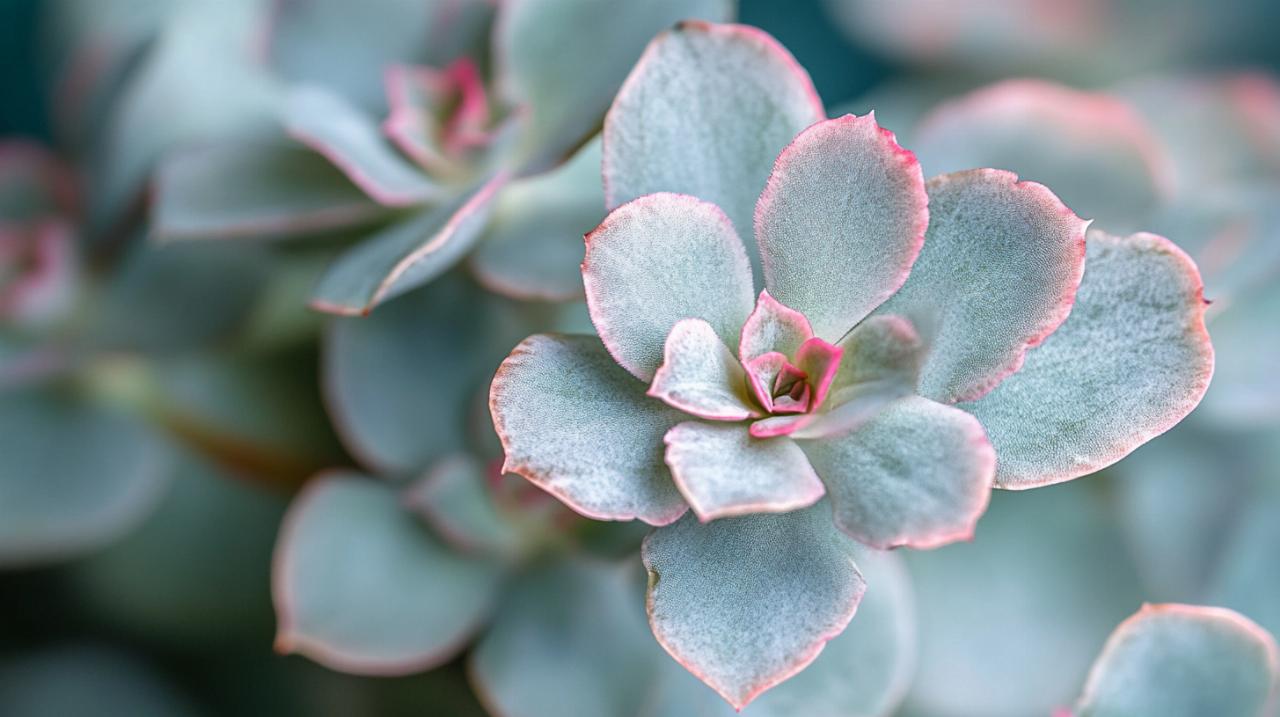
Transforming your living spaces with greenery need not be a challenge, especially when you discover the enchanting qualities of certain lesser-known botanical treasures. The Kalanchoe pumila, affectionately referred to as the Flowering Dust Plant, brings a refreshing touch of sophistication with its silvery foliage and delightful pink blooms. This compact succulent, native to the sun-drenched landscapes of Madagascar, offers both visual intrigue and a surprisingly forgiving nature, making it an ideal candidate for creative indoor arrangements. Whether you are drawn to its frosted appearance or the vibrant bursts of colour it produces during the cooler months, this plant promises to add a layer of elegance to your home décor without demanding constant attention.
Showcasing the Silvery Elegance: Display Ideas for Kalanchoe Pumila
Finding the perfect spot for your Kalanchoe pumila is essential to highlighting its unique character. This succulent thrives on presentation, and the right setting can transform it from a simple houseplant into a striking focal point. Consider locations that allow its distinctive silver-grey leaves to catch the eye, while also ensuring the plant receives the conditions it needs to flourish. Its modest size, typically reaching around 20 centimetres in height, makes it wonderfully versatile for various display options throughout your home.
Windowsill wonders: maximising natural light for optimal growth
A bright windowsill remains one of the most popular and effective placements for the Flowering Dust Plant. This succulent benefits greatly from generous amounts of indirect sunlight, which encourages healthy growth and promotes the development of its charming pink flowers. Position your Kalanchoe pumila on a south-facing or west-facing ledge where it can soak up the light without being subjected to harsh, direct rays that might scorch its delicate foliage. The powdery bloom covering the leaves, formed by fine white hairs, gives the plant its frosted appearance and adds to its ethereal quality when illuminated by natural light. To enhance the display further, consider pairing your Kalanchoe pumila with a simple, elegant pot that complements its silvery tones, perhaps in shades of white, pale grey, or soft terracotta. This approach not only maximises the aesthetic appeal but also ensures the plant receives the full sun to partial shade it prefers, creating an environment where it can truly thrive and reward you with its winter blooms.
Suspended Charm: Hanging Basket Arrangements for a Cascading Effect
For those seeking a more dynamic presentation, incorporating your Kalanchoe pumila into a hanging basket offers a wonderful opportunity to showcase its graceful, branching stems. As the plant matures, its slender growth habit can create a gentle cascading effect, adding vertical interest to your interior spaces. This display method works particularly well in rooms with high ceilings or in areas where floor and surface space is limited. Suspend the basket near a bright window, ensuring the plant continues to receive ample light, and watch as the silvery foliage drapes elegantly downwards. The cascading arrangement also allows the pink or purple flower clusters to become even more prominent, creating a stunning visual contrast against the cool-toned leaves. When selecting a hanging basket, opt for one with excellent drainage to prevent water from pooling, as this succulent, like most of its kin, is susceptible to root rot if overwatered. A well-chosen hanging display not only elevates the Kalanchoe pumila but also draws the eye upwards, adding depth and dimension to your interior design.
Crafting Stunning Succulent Compositions with the Flowering Dust Plant
Combining the Kalanchoe pumila with other plants can unlock a new level of creativity in your indoor gardening endeavours. The key to a successful arrangement lies in understanding which companions will enhance its unique beauty while sharing similar care requirements. By thoughtfully selecting partner plants and the right containers, you can create compositions that feel cohesive and visually captivating, transforming a simple collection of succulents into a miniature landscape that commands attention.
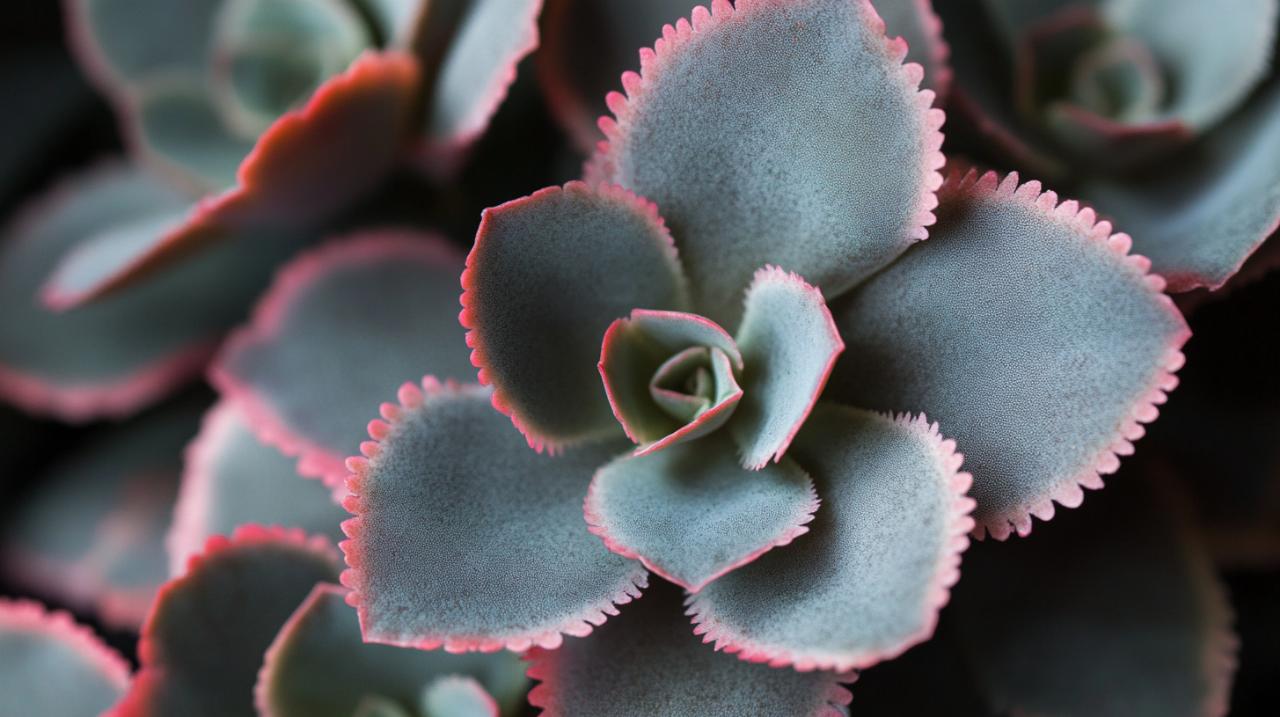
Complementary companions: pairing kalanchoe pumila with other succulents
When assembling a succulent arrangement, the Kalanchoe pumila serves as an excellent centrepiece or supporting player, depending on your design vision. Its silvery foliage provides a neutral backdrop that pairs beautifully with succulents that offer contrasting textures or colours. Consider combining it with varieties that feature deeper green tones, such as certain Echeveria species, or those with warm, reddish hues to create a balanced palette. The compact, clumping growth habit of the Flowering Dust Plant allows it to nestle comfortably alongside other low-growing succulents, creating layers of visual interest without overcrowding the composition. Aim for plants that share the same preference for well-draining soil and the soak-and-dry watering method, ensuring all members of the arrangement receive consistent care. Mixing different heights and growth patterns can add dimension, with trailing varieties spilling over the edges while upright specimens provide structure. The result is a harmonious display that celebrates the diversity of succulent forms while allowing the delicate beauty of the Kalanchoe pumila to shine through. Remember to leave adequate space between plants to accommodate future growth and to maintain good air circulation, which helps prevent issues such as powdery mildew and pest infestations, including mealybugs and aphids, which this plant can sometimes attract.
Container Choices: Selecting the Perfect Pot to Enhance its Frosty Beauty
The vessel you choose for your Kalanchoe pumila plays a significant role in both its health and its aesthetic impact. Prioritise containers with drainage holes to facilitate the essential removal of excess water, a non-negotiable factor for succulent care. Beyond function, consider how the pot's material, colour, and shape interact with the plant's silvery appearance and compact form. Terracotta pots offer a classic, breathable option that suits the succulent's natural look, while their porous nature aids in moisture regulation. For a more contemporary feel, sleek ceramic pots in muted tones such as soft grey, pale pink, or even charcoal can provide a sophisticated contrast that highlights the plant's frosty foliage. If you prefer a rustic aesthetic, consider weathered stone or concrete planters, which echo the rugged landscapes of Madagascar where the plant originates. The size of the pot should be proportionate to the plant, allowing some room for growth without being overly large, as succulents generally prefer to be somewhat snug in their containers. A well-chosen pot not only supports the plant's health but also elevates its presence, transforming it into a decorative element that enhances your overall interior design scheme. Some retailers offer additional plant pots for purchase at varying price points, providing flexibility to match your personal style and budget.
Maintaining year-round appeal: seasonal care and styling tips
Ensuring your Kalanchoe pumila remains a vibrant and attractive feature throughout the year requires an understanding of its seasonal rhythms and a willingness to adapt your care routine accordingly. While this succulent is relatively low-maintenance, paying attention to its changing needs as the seasons shift will reward you with consistent beauty and the occasional spectacular flowering display. By adjusting watering schedules, light exposure, and even the plant's position within your home, you can keep it looking its best from winter through to summer.
Winter blooms and beyond: encouraging vibrant flowering displays
One of the most delightful aspects of the Kalanchoe pumila is its tendency to produce clusters of vibrant pink or purple flowers during the winter months, a time when colour indoors is often most appreciated. To encourage this flowering spectacle, ensure the plant receives plenty of bright, indirect light throughout the shorter days. The natural reduction in daylight during winter can actually trigger the blooming cycle, but maintaining consistent light levels will support the process. During this period, you may notice the plant entering its active growth phase, so continue watering using the soak-and-dry method, allowing the soil to dry out completely between sessions. Overwatering remains a risk, particularly in cooler temperatures when the plant's water uptake slows. Avoid placing the Kalanchoe pumila near cold draughts or heating vents, as sudden temperature fluctuations can stress the plant and inhibit flowering. Once the blooms begin to fade, gently remove the spent flowers to keep the plant tidy and to redirect energy back into foliage growth. A light feeding with a balanced succulent fertiliser during the growing season, typically spring and summer, can also help replenish nutrients and prepare the plant for its next flowering cycle. With attentive care, your Flowering Dust Plant will reliably bring a welcome burst of colour to the grey winter months, becoming a cherished feature in your indoor garden.
Adapting your arrangement: transitioning kalanchoe pumila through the seasons
As the seasons change, so too should your approach to positioning and caring for your Kalanchoe pumila. During the warmer months, this succulent can benefit from a move outdoors if conditions allow, provided you live in an area where temperatures remain mild and you can offer a sheltered spot. The plant is suited for Zone 9a hardiness, meaning it can tolerate temperatures down to around minus six degrees Celsius, but it is not truly frost-hardy and should be protected from freezing conditions. If you choose to keep it indoors year-round, consider shifting its location to take advantage of changing light patterns, ensuring it continues to receive the bright, indirect sunlight it craves. Summer is often a period of dormancy for the Kalanchoe pumila, during which its growth may slow, and watering should be reduced further to prevent root rot. Monitor the plant closely for signs of pests such as mealybugs and aphids, which can become more prevalent in warmer conditions, and address any issues promptly with appropriate treatments. As autumn approaches and temperatures begin to cool, gradually reintroduce the plant to its winter growing routine, increasing light exposure and resuming a more regular watering schedule. This seasonal transition helps the plant prepare for its upcoming flowering period, ensuring it remains healthy and visually appealing throughout the year. By remaining attentive to the plant's natural rhythms and adjusting your care practices accordingly, you can maintain a thriving and beautiful Kalanchoe pumila that enhances your interior spaces regardless of the season.