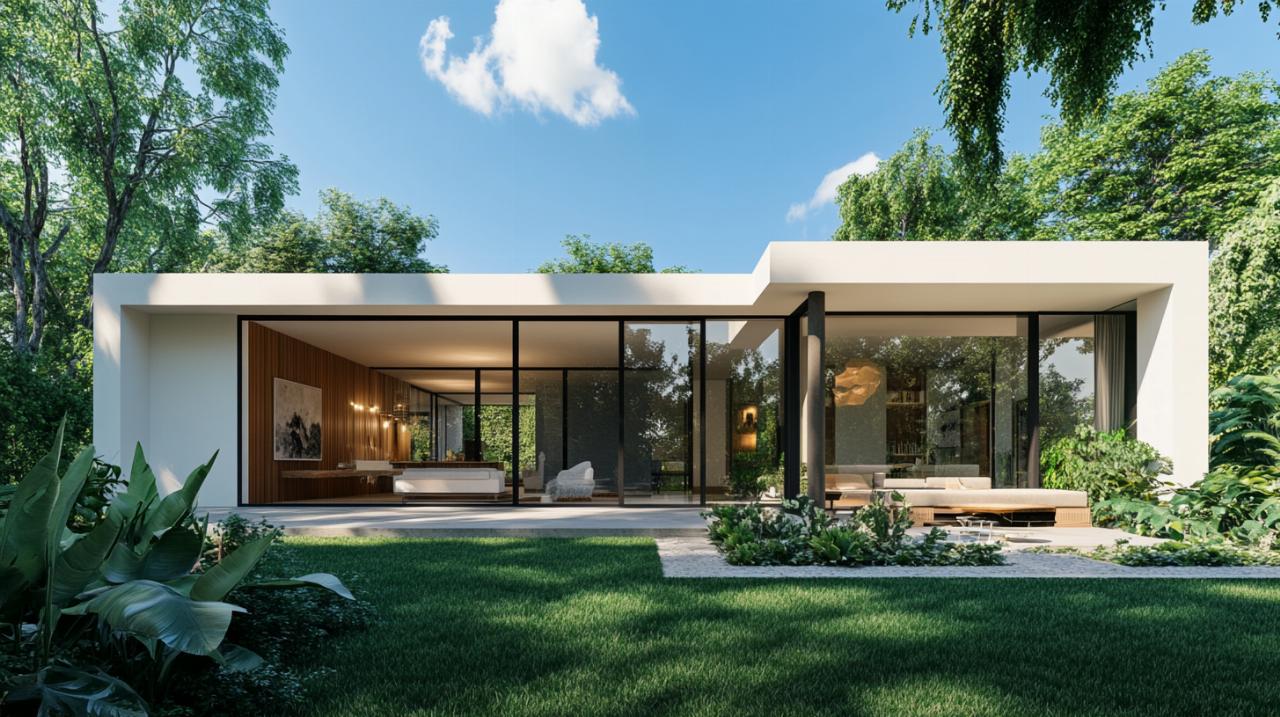
The modern home exists at a fascinating crossroads where architectural philosophy meets personal expression. Whether one gravitates towards the pared-back serenity of minimalism or the vibrant abundance of maximalism, understanding how to articulate these design approaches enriches our appreciation of contemporary living spaces. Both movements offer distinct vocabularies for describing dwellings that define our era, reflecting broader cultural conversations about how we inhabit and experience architecture today.
Defining contemporary architectural language: the essence of modern living spaces
Modern architecture speaks through a visual language that prioritises honesty and intention. Unlike historical styles laden with ornamental detail, contemporary dwellings communicate through their fundamental elements rather than applied decoration. This shift represents not merely an aesthetic choice but a philosophical stance about what buildings should express and how they should function within our lives. The modern house reveals rather than conceals, making legible the decisions behind every surface and spatial relationship.
Clean Lines and Geometric Forms: The Visual Grammar of Modern Dwellings
When describing a modern house, one must first observe how it organises space through geometry. The visual grammar of contemporary architecture relies heavily on clean lines that define edges with precision and clarity. These lines create a sense of order, establishing relationships between interior volumes and exterior masses. Rectilinear forms dominate, though curves appear when they serve specific functional or experiential purposes rather than decorative whimsy. The interplay between horizontal and vertical elements creates rhythm, guiding the eye through compositions that balance tension and repose. This geometric clarity extends from the overall massing down to the smallest detail, creating coherence across scales.
Material Honesty and Spatial Flow: Describing the Tactile and Functional Elements
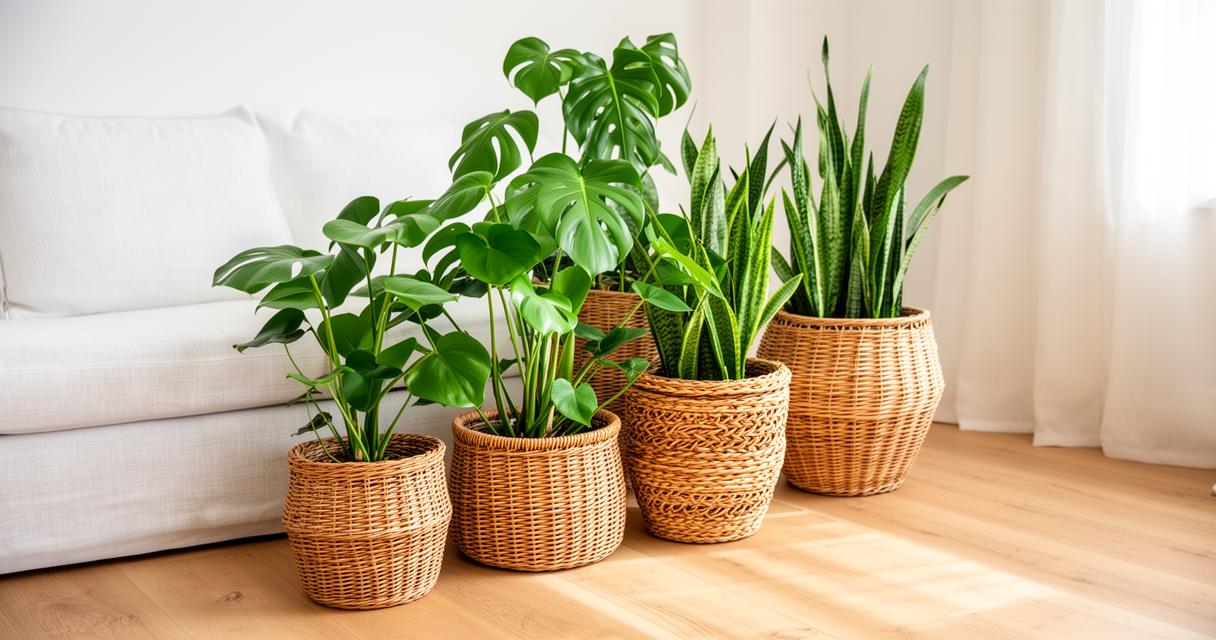
Materials in modern dwellings are selected not just for appearance but for their inherent qualities and truthful expression. Concrete reveals its formwork, timber displays its grain, and glass celebrates its transparency. This material honesty creates tactile richness even within restrained palettes. Natural materials feature prominently, connecting inhabitants to elemental experiences whilst supporting sustainability goals increasingly central to contemporary practice. Spatial flow matters equally, with modern homes often dissolving traditional room boundaries to create fluid transitions between functions. Open-plan arrangements allow light and movement to circulate freely, whilst carefully positioned walls and screens provide privacy without isolation. Describing these spaces requires attention to how one area relates to another, how thresholds are marked, and how circulation paths shape daily experience.
The Minimalist Approach: Articulating Restraint and Simplicity in Modern Homes
Minimalism represents one of the most influential movements shaping how we conceive and describe modern dwellings. Rooted in the modernist principle that form follows function, this approach strips away the superfluous to reveal essential qualities. Figures such as Ludwig Mies van der Rohe, Tadao Ando, John Pawson, Kazuyo Sejima, and Peter Zumthor have demonstrated that restraint need not mean austerity. Rather, minimalism cultivates a particular kind of richness through careful attention to proportion, light, and material. When articulating minimalist spaces, one focuses on what is present rather than what is absent, recognising that each element carries heightened significance within the composition.
Less is More: Vocabulary for Describing Pared-Back Interiors and Exteriors
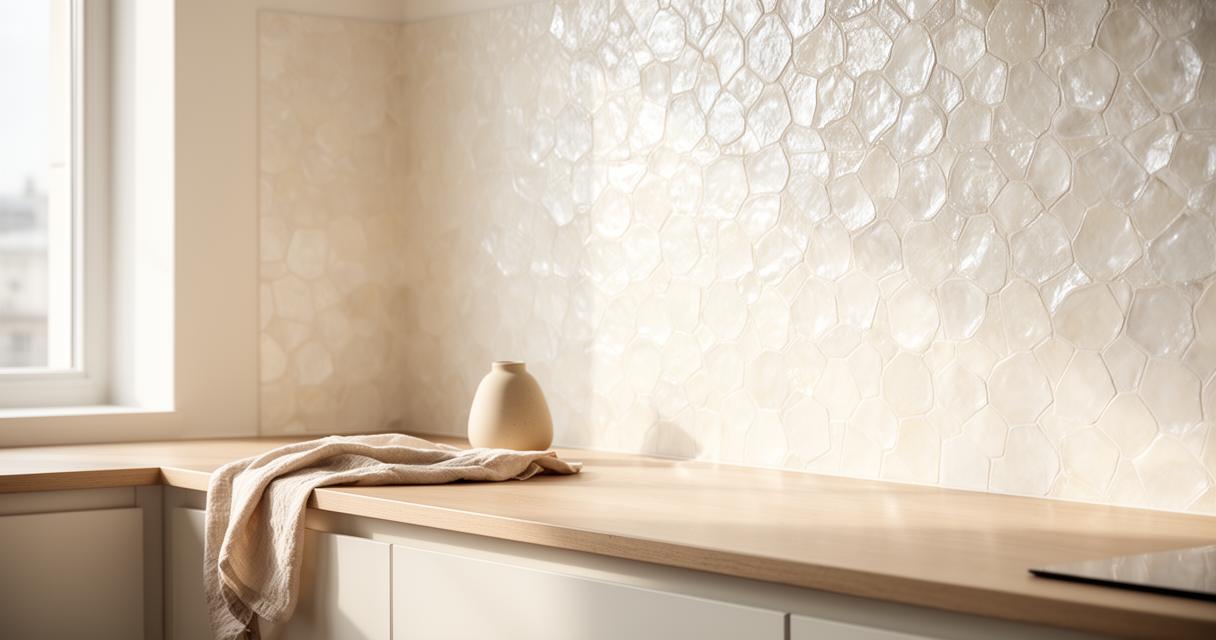
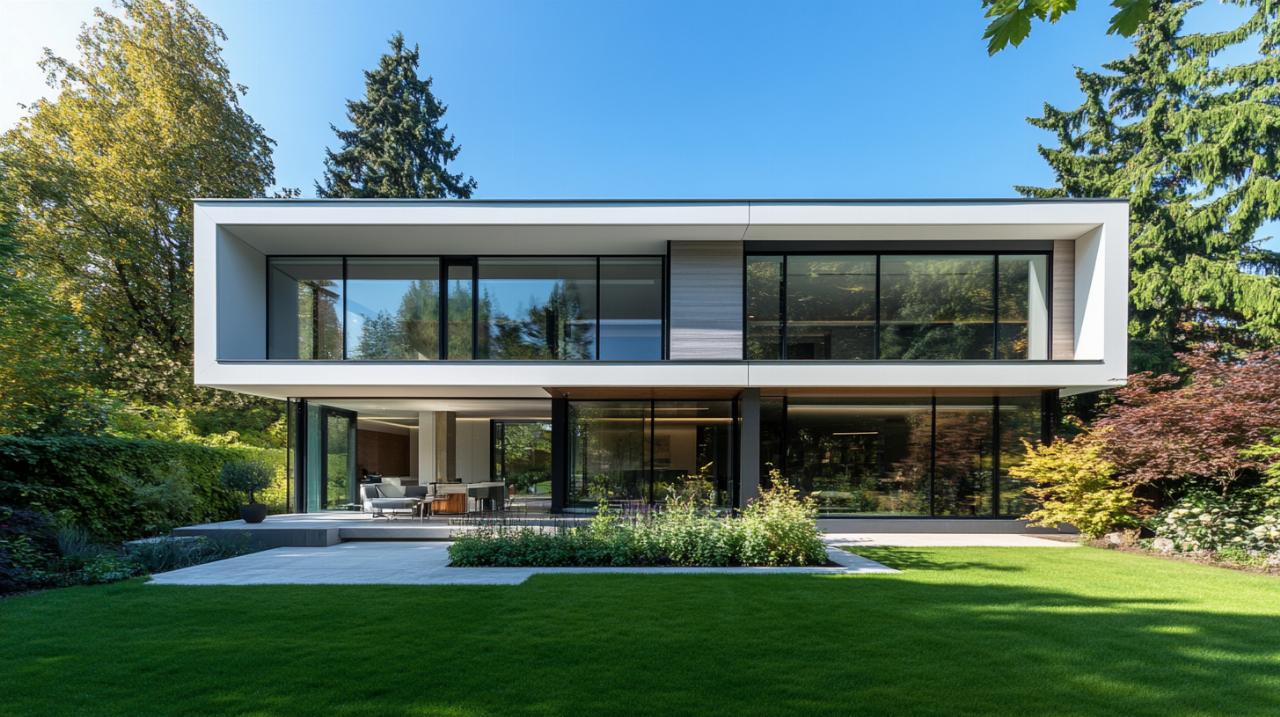
The minimalist vocabulary celebrates reduction and refinement. Terms like pared-back, uncluttered, and serene capture the atmospheric qualities these spaces generate. Neutral colours dominate, creating calm backdrops that allow architectural elements and natural light to become the primary features. Clean lines define edges with crispness, whilst seamless junctions between surfaces maintain visual continuity. Multi-functional furniture serves practical needs without visual clutter, often featuring slim profiles that preserve spatial openness. When describing minimalist exteriors, one might note their monolithic quality, the way masses read as single gestures rather than accumulated elements. Fenestration appears carefully calibrated, creating compositions where glazing, solid wall, and shadow form balanced relationships. The overall effect is one of clarity and focus, where every element earns its place through purpose rather than habit.
Negative space and purposeful design: communicating intentional emptiness
Perhaps the most challenging aspect of describing minimalist architecture involves articulating the role of emptiness. Negative space is not merely absence but an active component of the design, offering respite for the eye and mind. This intentional emptiness creates breathing room, allowing inhabitants to exist without visual demands from their surroundings. Japanese design influences shine through in this appreciation for void as substance, recognising that what is not there shapes experience as powerfully as what is. Purposeful design means every decision serves clear intentions, whether functional, experiential, or conceptual. Describing minimalist homes requires acknowledging this discipline, the rigour that eliminates options until only the essential remains. The result is architecture that appears effortless whilst requiring tremendous care to achieve, spaces that support contemplation and peace through their fundamental simplicity.
The Maximalist Counter-Movement: Expressing Abundance and Personality in Contemporary Design
Maximalism emerges as a vital counterpoint to minimalist restraint, asserting that richness, complexity, and personal expression deserve equal architectural validity. Whilst minimalism seeks universal truths through reduction, maximalism celebrates diversity and individuality through abundance. Figures such as Robert Venturi, Ettore Sottsass, Antoni Gaudí, and Studio Job have demonstrated how layered materials, bold colours, and varied textures create environments of remarkable vibrancy. This approach rejects the notion that less is inherently more, proposing instead that more can be precisely enough when curated with intention. Describing maximalist spaces requires vocabulary that captures their sensory richness and narrative complexity.
Layered Luxury and Bold Statements: Language for Richly Decorated Modern Spaces
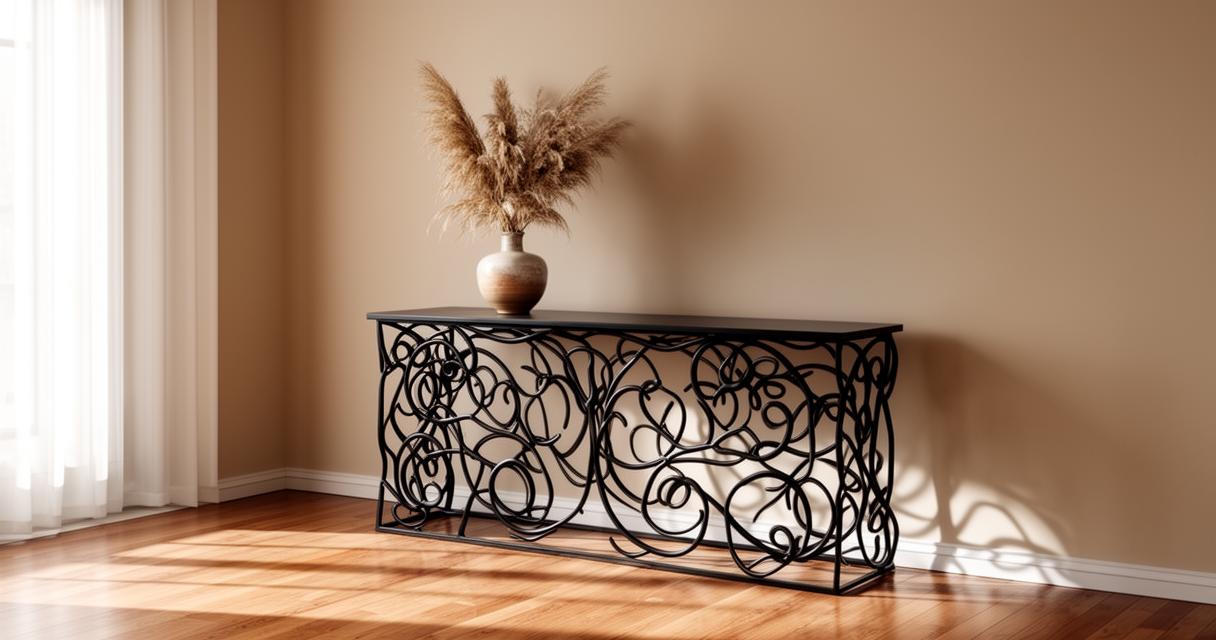
Maximalist interiors demand description that conveys their visual and tactile abundance. Terms like layered, sumptuous, and opulent capture the accumulation of elements that define these spaces. Bold colours appear not as accents but as primary forces, creating dramatic atmospheres that shift with light and viewpoint. Rich textures layer upon one another, inviting touch and creating depth through material variety. Statement pieces anchor compositions, whether furniture of sculptural presence or artworks that command attention. These elements do not compete but rather converse, each contributing to an overall harmony achieved through complexity rather than simplification. Describing maximalist exteriors might note their ornamental exuberance, the way surfaces carry pattern and detail, or how varied materials create visual interest across facades. The effect is one of celebration and personality, architecture that embraces rather than restrains expressive impulses.
Curated Chaos and Eclecticism: Describing the Art of More is More
The challenge in articulating maximalist design lies in distinguishing intentional abundance from mere clutter. Curated chaos suggests careful selection despite apparent profusion, where each element has earned its place within the composition. Visual storytelling becomes central, with personal collections and objects creating narratives that reveal inhabitant identities and histories. Eclecticism mixes styles, periods, and references without anxiety, finding connections across apparent differences. Contemporary objects might sit alongside vintage items, creating dialogues between past and present. Describing these spaces requires acknowledging their layers, the way discovery unfolds as one notices relationships between elements. Pattern layers upon pattern, texture upon texture, creating richness that rewards sustained attention. The overall effect is one of vibrancy and expression, spaces that pulse with life and personality, refusing the neutrality that characterises their minimalist counterparts.
Understanding both minimalism and maximalism as valid approaches to modern architecture expands our descriptive capacity. Hybrid styles like Minimaluxe demonstrate that these movements need not remain opposed, blending minimal layouts with expressive elements to create nuanced contemporary spaces. Whether one describes a dwelling of serene restraint or abundant personality, the key lies in recognising the intentions behind design choices. Modern homes reveal philosophical positions about how we should live, what environments support wellbeing, and how architecture mediates between individual needs and broader cultural values. By developing vocabulary for both minimalist and maximalist approaches, we gain richer tools for articulating the diverse landscape of contemporary residential architecture.