In the pursuit of combining practicality with elegance in modern British homes, radiator shelves crafted from natural stone and quartz have emerged as a sought-after solution for homeowners and interior designers alike. These sophisticated additions not only address the functional challenges posed by radiator heat but also introduce a refined aesthetic element that elevates any room. As the demand for durable, heat-resistant interior products grows, stone radiator shelves stand out as a remarkable investment for those looking to transform their living spaces with both style and substance. The ability of materials such as marble, granite, and quartz to withstand sustained thermal exposure while maintaining their structural integrity makes them ideal candidates for this specific application.
Understanding the Superior Heat Resistance of Natural Stone Materials for Radiator Applications
When considering materials suitable for placement directly above heat radiators, the inherent properties of natural stone become immediately apparent. Marble, granite, and quartz possess exceptional thermal characteristics that allow them to endure continuous exposure to elevated temperatures without warping, discolouration, or structural compromise. These materials have been formed through geological processes involving immense heat and pressure, resulting in dense, stable compositions that naturally resist thermal stress. The crystalline structures within these stones facilitate efficient heat distribution, preventing localised hot spots that might damage lesser materials over time.
The science behind marble, granite, and quartz thermal properties
The thermal stability of marble stems from its metamorphic origins, where limestone undergoes transformation under significant heat and pressure deep within the earth. This process creates a material with tightly bonded calcium carbonate crystals that maintain dimensional stability across a wide temperature range. Granite, formed from cooled magma, exhibits even greater heat resistance due to its interlocking mineral composition, which includes quartz, feldspar, and mica. These constituents work in concert to dissipate thermal energy evenly throughout the stone, preventing cracking or surface degradation. Engineered quartz, whilst manufactured, combines natural quartz crystals with polymer resins to create a non-porous surface that resists heat whilst offering enhanced durability. The low thermal expansion coefficient of these materials ensures they maintain their shape and appearance even when positioned mere centimetres above active radiators, making them exceptionally reliable for this demanding application.
Comparing heat tolerance: why stone outperforms traditional shelf materials
Traditional shelf materials such as wood, laminate, or synthetic composites simply cannot match the thermal resilience of natural stone. Wooden shelves placed above radiators are prone to drying out, warping, and cracking as moisture is drawn from the fibres by sustained heat exposure. Laminate surfaces may bubble, peel, or emit unpleasant odours when subjected to continuous warmth, whilst plastic-based materials risk softening or discolouring over time. In contrast, stone and quartz radiator shelves maintain their appearance and structural integrity indefinitely, regardless of radiator output or duration of use. This inherent stability translates to long-term value, as these shelves require no replacement or refinishing due to heat-related damage. Furthermore, stone's natural density provides excellent weight-bearing capacity, allowing homeowners to confidently display decorative items, plants, or personal belongings without concern for sagging or structural failure. The non-combustible nature of these materials also contributes an additional safety dimension, providing peace of mind in households where radiators operate at higher temperatures during winter months.
Design Versatility and Aesthetic Benefits of Stone Radiator Shelves in Modern Interiors
Beyond their functional superiority, stone and quartz radiator shelves offer remarkable design flexibility that complements contemporary interior aesthetics. The natural veining and colour variations found in marble and granite introduce organic visual interest, with each piece possessing unique characteristics that cannot be replicated. Quartz surfaces, available in an extensive range of colours and finishes, provide opportunities for precise colour matching with existing decor schemes. These shelves transform radiators from purely utilitarian fixtures into integrated design features that enhance rather than detract from room aesthetics. The sleek, polished surfaces of stone shelves reflect light beautifully, contributing to a sense of spaciousness and refinement that elevates the overall ambience of any interior. For those seeking to create cohesive, intentional spaces, stone radiator shelves serve as a unifying element that bridges functional heating requirements with sophisticated design aspirations.
Integrating Marble and Granite Shelves into Contemporary Living Spaces
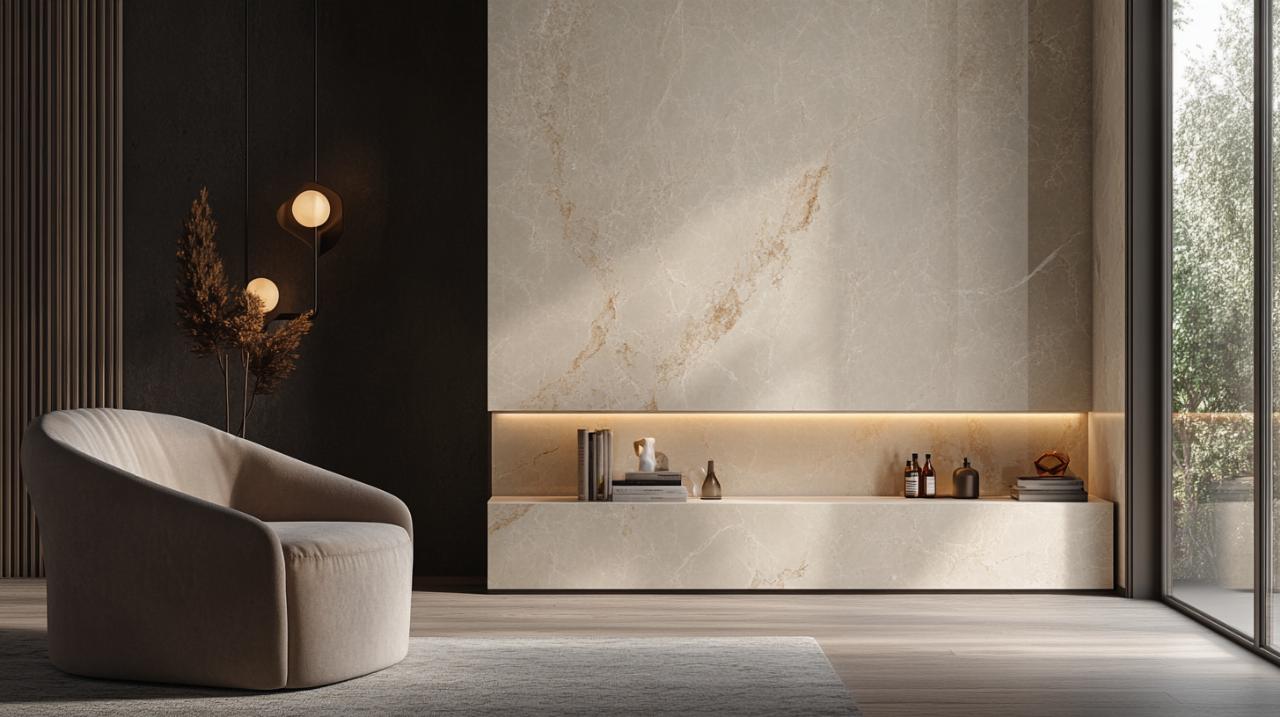
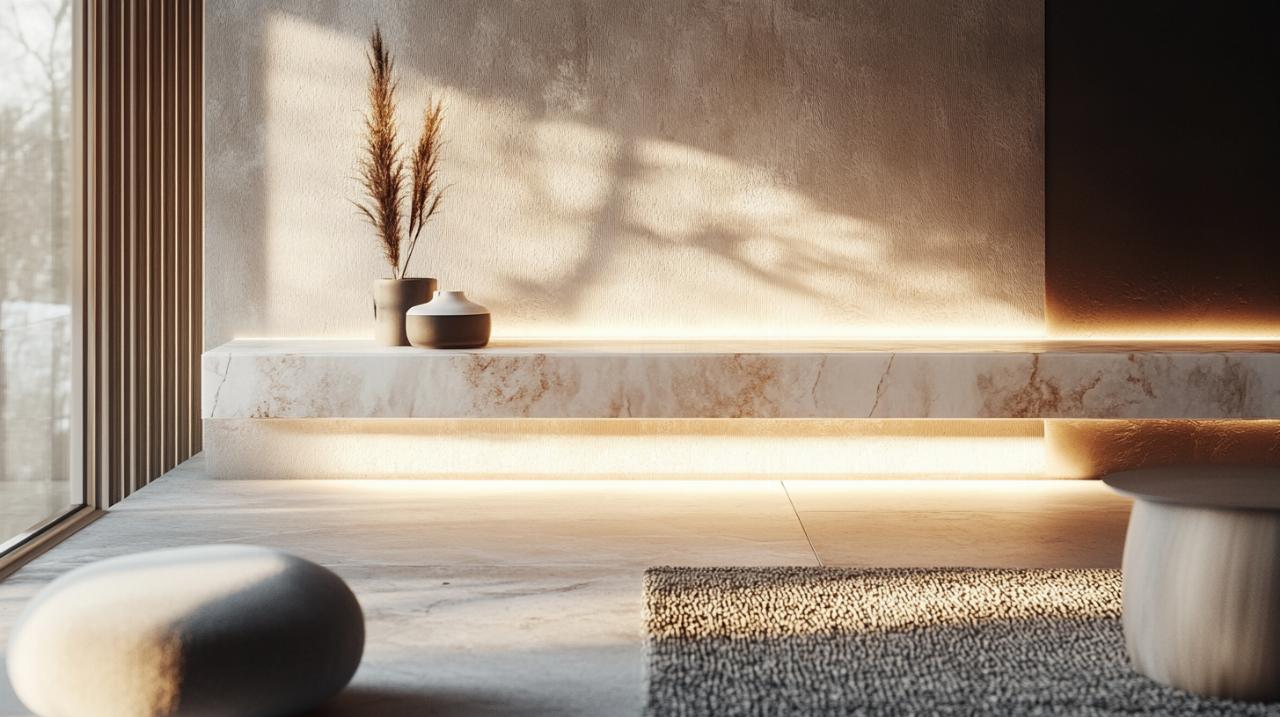
Marble radiator shelves bring a touch of classical elegance to modern interiors, with their distinctive veining patterns creating visual movement and depth. The cool grey tones of certain marble varieties complement minimalist Scandinavian-inspired designs, whilst warmer cream and beige marbles harmonise beautifully with traditional British interiors. Granite shelves, available in a spectrum ranging from deep blacks to warm browns and even striking blues, offer robust aesthetic options for various decorating styles. These natural materials pair exceptionally well with metal radiator finishes, creating an appealing contrast between organic stone textures and industrial metallic surfaces. The substantial presence of stone shelves adds architectural weight to a room, making them particularly effective in larger spaces where they can serve as anchoring visual elements. In smaller homes and rentals, where maximising functionality without permanent structural changes is essential, stone radiator shelves provide an elegant solution that enhances spatial efficiency whilst respecting the constraints of temporary living arrangements.
Creating functional table surfaces above heat radiators with quartz
Engineered quartz radiator shelves excel in creating practical work surfaces in areas where space is at a premium. Their non-porous composition makes them ideal for positioning decorative items, holding drinking vessels, or supporting small potted plants without risk of water damage or staining. The consistent colouring and pattern distribution of quartz surfaces lend themselves to contemporary design schemes that prioritise clean lines and uniform aesthetics. These shelves can effectively function as window sills, providing an elevated platform for displaying seasonal arrangements, cherished photographs, or ambient lighting elements. The heat-resistant properties of quartz ensure that candles, electrical devices, or delicate objects placed upon the surface remain unaffected by radiator warmth below. This versatility transforms underutilised radiator spaces into productive zones that contribute to room functionality whilst maintaining visual harmony. For homeowners looking to achieve instant transformation of room aesthetics without extensive renovation work, quartz radiator shelves deliver immediate impact with minimal disruption.
Installation Requirements and Practical Considerations for Stone Radiator Shelf Mounting
Successful installation of stone and quartz radiator shelves requires careful attention to both mounting methodology and structural support. The considerable weight of natural stone necessitates robust fixing solutions that ensure long-term stability and safety. Professional assessment of wall composition is advisable, as solid masonry walls provide ideal support, whilst plasterboard or stud walls may require specialised fixings or reinforcement. The positioning of mounting brackets must accommodate the natural weight distribution of stone whilst allowing adequate clearance for heat circulation. Proper installation not only guarantees the shelf's longevity but also optimises the radiator's heating efficiency by directing warmth into the room rather than allowing it to rise directly to the ceiling. Many contemporary stone radiator shelves are designed with pre-drilled mounting positions, facilitating straightforward installation that can typically be completed within a modest timeframe, making them accessible projects even for those with limited DIY experience.
Essential Fitting Techniques for Marble and Quartz Radiator Shelves
The installation process for stone radiator shelves begins with precise measurement and marking of bracket positions, ensuring the shelf will sit level and at an appropriate height above the radiator. A minimum clearance of several centimetres between the radiator surface and shelf underside is recommended to permit unobstructed heat circulation whilst protecting the stone from excessive direct heat exposure. Heavy-duty wall anchors or masonry fixings are essential for supporting the substantial weight of stone, with bracket placement corresponding to wall stud positions where possible for maximum security. When fitting marble shelves, particular care must be taken to avoid over-tightening mounting screws, as the natural brittleness of marble can lead to cracking if excessive force is applied. Quartz shelves, being slightly more forgiving due to their resin content, still require careful handling during installation. The use of spirit levels throughout the fitting process ensures perfect horizontal alignment, which is crucial both for aesthetic reasons and for preventing objects placed on the shelf from sliding. Some installation systems incorporate hidden or floating brackets that create a seamless appearance, with the shelf appearing to emerge directly from the wall without visible support mechanisms.
Maintaining Safety Standards and Weight Distribution for Stone Shelf Installation
Safety considerations are paramount when installing any heavy stone fixture, and radiator shelves are no exception. Professional installers typically calculate the load-bearing capacity required based on the shelf's dimensions and the anticipated weight of items to be displayed. Brackets should be spaced appropriately along the shelf's length to prevent sagging or stress concentration at any single point. For particularly long stone shelves, additional intermediate supports may be necessary to maintain structural integrity over time. It is essential to verify that mounting hardware is rated for the combined weight of the shelf and its potential contents, with a comfortable safety margin incorporated. Regular inspection of mounting fixtures is advisable, particularly in the months following installation when settling may occur. The non-porous nature of properly sealed stone surfaces simplifies maintenance, requiring only occasional wiping with a damp cloth to remove dust accumulation. By adhering to proper installation protocols and safety standards, homeowners can enjoy the aesthetic and functional benefits of stone radiator shelves with complete confidence, knowing their interior products are securely mounted and performing optimally. With free delivery often available on larger orders and fast dispatch times ensuring minimal wait, acquiring these transformative interior elements has never been more convenient for British households seeking to upgrade their living spaces with enduring quality and style.