The art of Zen painting has long captivated admirers with its ability to evoke a profound sense of calm and connection to the natural world. Rooted in centuries-old traditions, this meditative practice transforms simple brushstrokes and subtle washes of ink into visual poetry that speaks to the soul. Whether you are an aspiring artist seeking to explore mindfulness through creativity or simply wish to adorn your living spaces with serene imagery, understanding the principles and techniques of Zen painting offers a rewarding journey into tranquillity and artistic expression.
Understanding the Foundations of Zen Painting and Natural Elements
The Philosophy Behind Serenity and Mindfulness in Zen Art
At its core, Zen painting is far more than a method of creating beautiful images. It embodies a philosophy that traces its origins back to the Muromachi period in Japan, spanning from 1336 to 1573. During this era, artists embraced the principles of Zen Buddhism, which emphasise meditation, mindfulness, and the pursuit of inner peace. The act of painting itself becomes a form of contemplation, where each stroke is a deliberate yet spontaneous expression of the artist's state of mind. This practice encourages a deep connection between the creator and the canvas, inviting a harmonious balance that reflects the quietude found in nature.
The emphasis on minimalism in Zen art mirrors the broader aesthetic of Japanese rock gardens, which prioritise simplicity and balance. By stripping away unnecessary details, the artist focuses on the essence of the subject, allowing viewers to engage with the work on a more intuitive level. This approach fosters an environment where stress relief and mental well-being take centre stage, transforming the creative process into a therapeutic experience. The careful consideration of negative space, a hallmark of Zen composition, further enhances the sense of tranquillity by creating breathing room within the artwork. This intentional emptiness invites contemplation and encourages the observer to find meaning in what is not explicitly depicted.
Incorporating natural motifs: mountains, water, and flora
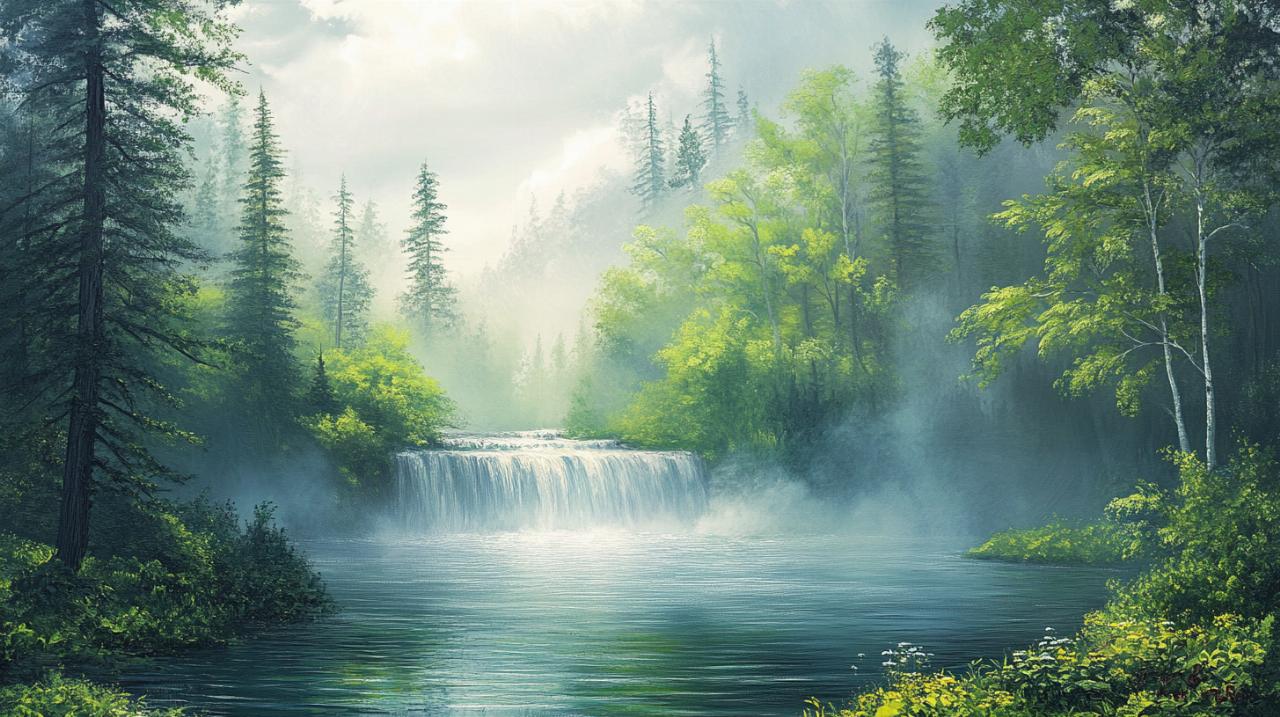
Nature serves as the primary muse for Zen painting, with mountains, water, and flora emerging as recurring themes that symbolise various aspects of existence. Mountains often represent stability and endurance, their towering presence a reminder of the timeless beauty and strength found in the natural world. Water, on the other hand, embodies fluidity and adaptability, its gentle ripples and cascading streams suggesting movement and change. These elements are not merely decorative but carry symbolic weight, inviting viewers to reflect on their own journeys through life.
Flora such as bamboo, moss, and pine are also integral to Zen compositions. Bamboo is admired for its resilience and flexibility, bending gracefully under pressure without breaking. Moss, with its soft texture and muted green hues, evokes a sense of age and continuity, while pine trees symbolise longevity and steadfastness. Japanese maples and azaleas add delicate touches of colour, their seasonal blooms and foliage reminding us of the cyclical nature of existence. By incorporating these natural motifs, artists create works that resonate with viewers on multiple levels, blending aesthetic beauty with deeper philosophical meanings.
Mastering traditional landscape techniques for zen compositions
Brushwork and Ink Wash Methods for Capturing Tranquillity
The techniques employed in Zen painting are as contemplative as the philosophy that underpins them. Brushwork in this tradition is characterised by its fluidity and spontaneity, with each stroke reflecting the artist's inner state. The use of ink wash, a method that involves diluting ink with varying amounts of water, allows for a remarkable range of tonal values. This technique can evoke the misty mountains of a distant landscape or the gentle shimmer of water under moonlight. The subtlety of ink wash encourages the artist to embrace imperfection, as slight variations in pressure or water content can produce unexpected yet harmonious results.
Raked gravel designs, often found in Japanese rock gardens, inspire similar patterns in painted compositions. These artful arrangements imitate the ripples of water, creating a visual rhythm that guides the eye across the canvas. The deliberate placement of stones and the careful rendering of their textures further enhance the sense of balance and serenity. By mastering these traditional methods, artists can capture the essence of tranquillity, translating the meditative qualities of Zen gardens into two-dimensional works that invite quiet reflection.
Colour palettes that reflect nature's beauty and balance
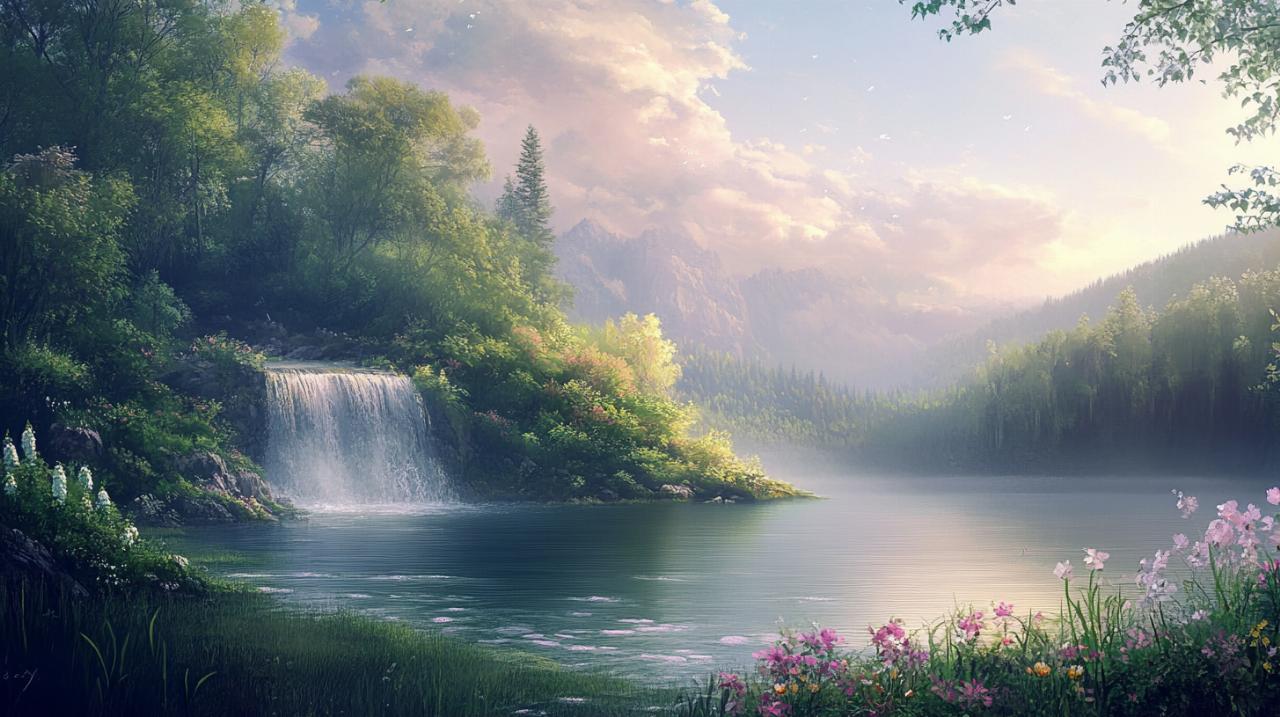
While Zen painting is often associated with monochrome ink work, the judicious use of colour can enhance the emotional resonance of a piece. Calming colours such as soft blues and greens dominate the palette, evoking the hues of sky, water, and foliage. These tones create a soothing visual experience, promoting feelings of peace and well-being. Neutral shades, including subtle greys and earthy browns, provide a grounding effect, ensuring that the composition remains harmonious and balanced.
The interplay of light and shadow, achieved through careful gradations of colour, adds depth and dimension to the artwork. This approach mirrors the natural world, where sunlight filters through leaves or dances on the surface of a stream. By selecting a coherent palette and avoiding overly vivid or clashing colours, artists can cultivate a zen atmosphere that transforms any space into a peaceful retreat. The emphasis on natural materials and organic forms further reinforces the connection between the artwork and the environment it seeks to emulate.
Enhancing well-being through zen painting in modern spaces
Creating Artwork for Meditation and Stress Relief
The benefits of Zen painting extend beyond the canvas, offering profound advantages for mental health and emotional restoration. Engaging with this art form encourages mindfulness, as the act of painting requires full presence and attention. This meditative practice can serve as a powerful tool for stress relief, helping individuals to quiet their minds and find solace in the creative process. The repetitive motions involved in brushwork and the gentle flow of ink on paper create a rhythmic experience that soothes the nervous system and promotes relaxation.
Displaying Zen paintings in personal spaces amplifies these benefits, transforming homes into sanctuaries of calm. Artworks featuring serene landscapes or minimalist compositions can serve as focal points that draw the eye and centre the mind. Whether hung in a bedroom to encourage restful sleep or placed in a living area to foster a sense of tranquillity, these pieces become more than mere decoration. They evoke happy memories and feelings of serenity, reminding viewers of the beauty and peace found in nature. The careful selection of art pieces that share a similar aesthetic ensures a coherent décor style, further enhancing the zen feel of the environment.
Integrating Zen Paintings into Bedrooms, Gardens, and Contemporary Interiors
Modern adaptations of traditional Zen painting make it accessible to a wide range of spaces and design preferences. In bedrooms, these artworks create a restful atmosphere conducive to relaxation and contemplation. The use of horizontal lines and negative space in the composition encourages the eye to move gently across the piece, promoting a sense of calm. Neutral palettes and subtle colour gradations blend seamlessly with contemporary interiors, ensuring that the artwork complements rather than overwhelms the space.
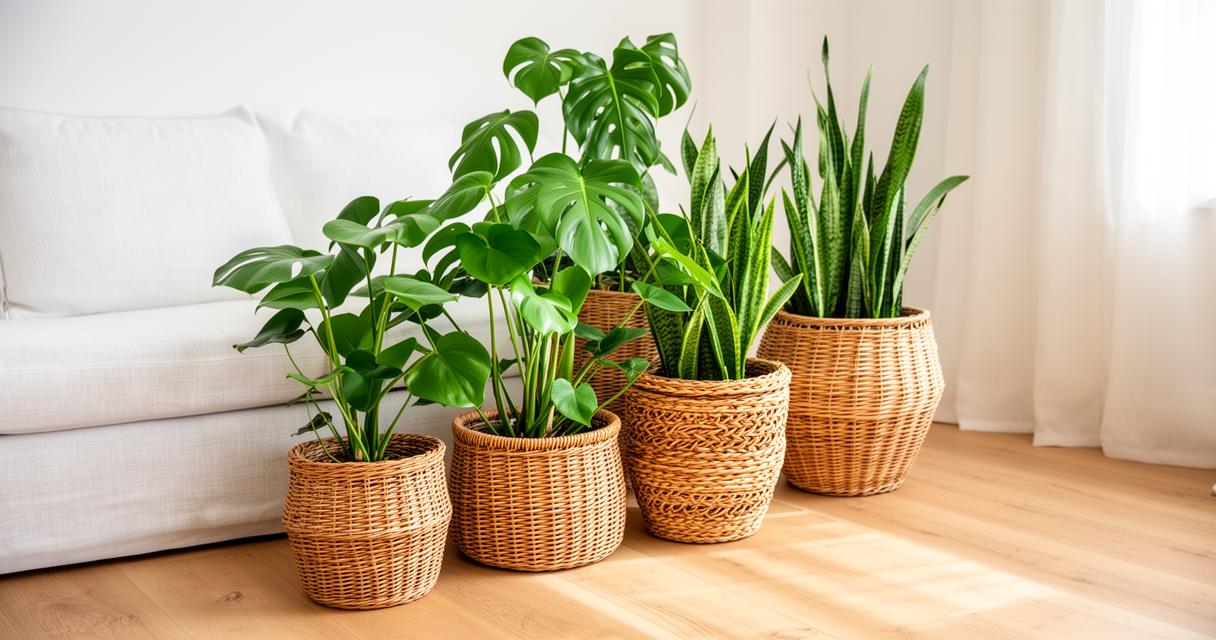
Gardens, both indoor and outdoor, provide an ideal setting for Zen-inspired art. Miniature landscapes and murals can elevate life spaces, bringing the tranquillity of nature into urban environments. Container gardening and tabletop designs offer flexible options for those with limited space, while larger installations can transform patios or courtyards into meditative sanctuaries. The integration of natural stones, bamboo, and water features in garden design echoes the themes explored in Zen painting, creating a cohesive aesthetic that bridges art and landscape.
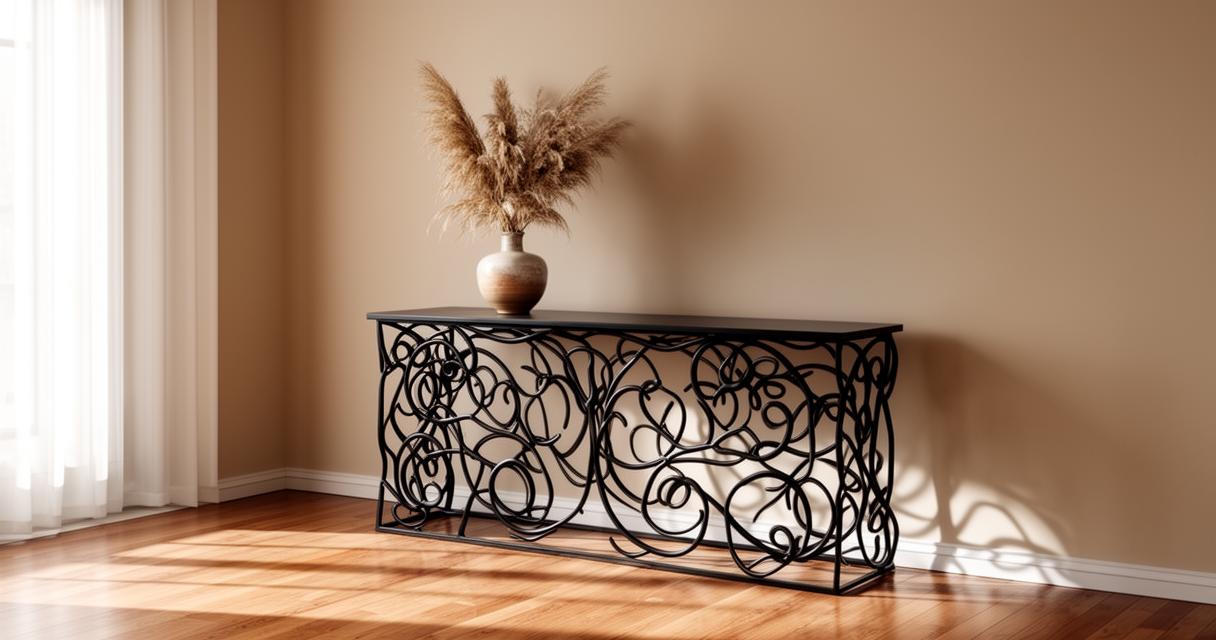
Contemporary interiors benefit from the timeless appeal of Zen compositions, which pair well with minimalist furnishings and organic materials. Stepping stones, moss, and carefully placed ornaments in physical spaces find their visual counterparts in painted works, reinforcing the principles of balance and simplicity. The year-round appeal of these artworks ensures that they remain relevant regardless of seasonal changes, offering a constant source of inspiration and peace. Whether in the form of award-winning landscape photography or traditional ink paintings, the fusion of art and interior design creates environments that nurture the soul and uplift the spirit.