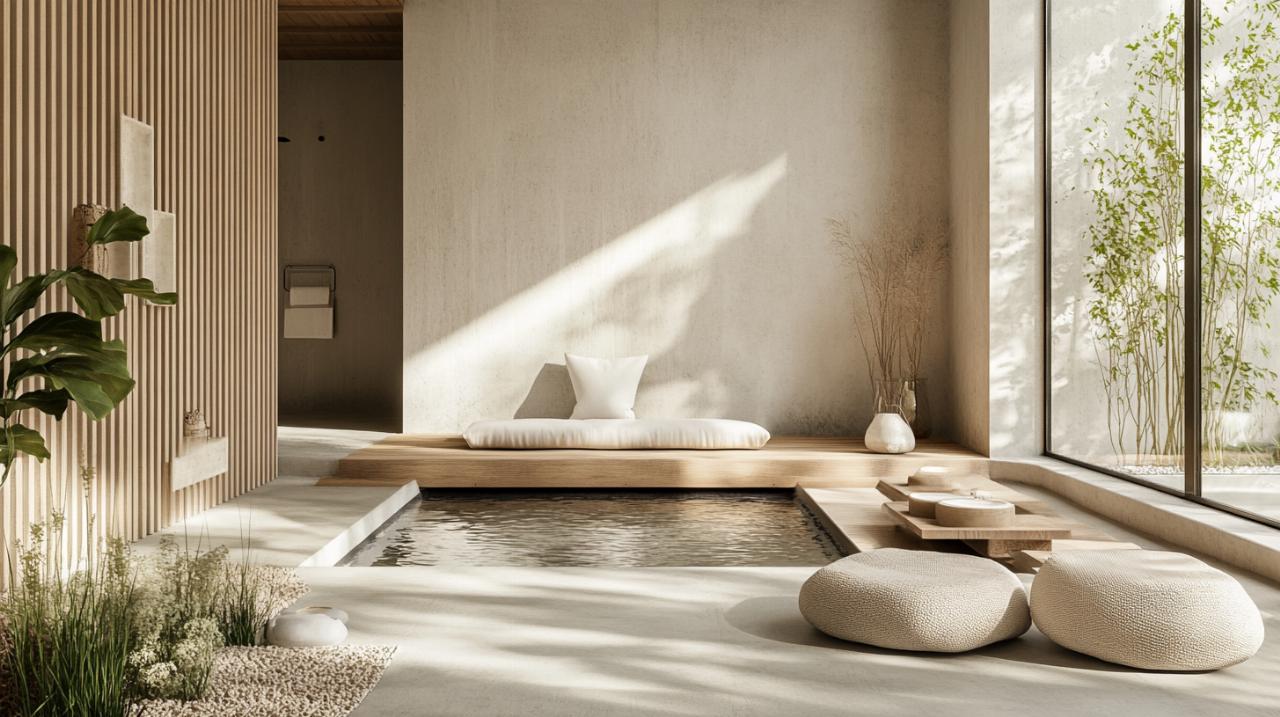
Feng Shui represents an ancient philosophy that has captivated individuals across the globe with its promise of creating harmonious living environments. This time-honoured tradition originated in China and has evolved over centuries into a comprehensive system that guides the arrangement of spaces to promote balance, prosperity, and wellbeing. Whether you are seeking to transform your home into a sanctuary of positive energy or simply curious about how spatial arrangements can influence your daily life, embarking on a journey to understand Feng Shui offers both practical benefits and a deeper connection to the natural forces that surround us. The Bagua map serves as a foundational tool in this practice, helping practitioners identify which areas of their living spaces correspond to different aspects of life, from relationships to career ambitions.
Grasping the Fundamentals of Feng Shui Philosophy
The Ancient Origins and Core Principles of Feng Shui
The roots of Feng Shui stretch back thousands of years to ancient China, where scholars and philosophers observed the natural world and sought to understand the invisible forces that shape our experiences. At its essence, this art is concerned with harmonising the energies present in any given environment, allowing inhabitants to live in greater alignment with the rhythms of nature. The term itself translates to wind and water, two elements that symbolise the movement and flow of vital energy known as chi. This energy is believed to circulate through spaces, influencing mood, health, and fortune. By studying the principles of Feng Shui, you gain insight into how the placement of furniture, the choice of colours, and even the orientation of doorways can either encourage or obstruct this essential flow.
Central to Feng Shui philosophy is the concept that everything in our surroundings possesses energy, and these energies interact with one another in complex ways. The ancient masters developed methods to assess these interactions, identifying patterns that could be adjusted to enhance positive outcomes. Over time, various schools of thought emerged, each offering unique perspectives on how to apply these principles. Despite these differences, all schools share a common goal: to create environments that support the inhabitants' aspirations and wellbeing. Understanding these core tenets provides a solid foundation for anyone wishing to delve deeper into this fascinating discipline.
Understanding Yin and Yang Balance in Your Living Space
One of the most fundamental concepts within Feng Shui is the interplay between yin and yang, the dual forces that represent opposing yet complementary energies. Yin is associated with qualities such as darkness, stillness, and receptivity, while yang embodies brightness, activity, and expansion. Achieving a harmonious balance between these two forces in your home is essential for cultivating a space that feels both restful and invigorating. A room that leans too heavily towards yin may feel lethargic and uninspiring, whereas an excess of yang energy can create an atmosphere of restlessness and tension.
Applying this principle to your interior design involves carefully considering elements such as lighting, colour schemes, and the arrangement of furnishings. Soft, muted tones and gentle illumination contribute to a yin ambiance, making them ideal for bedrooms and areas designated for relaxation. Conversely, vibrant hues and abundant natural light infuse spaces with yang energy, which suits living rooms and workspaces where activity and creativity are encouraged. By consciously balancing these energies, you can tailor each room to serve its intended purpose while maintaining an overall sense of equilibrium throughout your home. This nuanced understanding of yin and yang is a cornerstone of effective Feng Shui practice and a stepping stone towards mastering the art.
Practical steps to begin your feng shui journey
Selecting quality resources and training programmes
Embarking on the path to learning Feng Shui requires access to reliable resources that can guide you through its intricate principles and techniques. Books remain one of the most accessible and comprehensive ways to build your knowledge, with numerous titles available that cater to beginners and advanced practitioners alike. Platforms such as Amazon offer a wide selection of these texts, complete with reviews and ratings that can help you identify which volumes resonate most with your learning style. Many of these books delve into the history, theory, and practical applications of Feng Shui, providing step-by-step instructions for analysing and adjusting your living spaces.
In addition to written materials, structured courses offer another valuable avenue for gaining expertise. Both traditional classroom settings and online programmes are available, each presenting unique advantages. Traditional courses often provide hands-on experience and the opportunity to interact directly with instructors, while online options offer flexibility and the convenience of learning at your own pace. These courses typically cover a broad spectrum of topics, including the flow of energy, decoration choices, the significance of colours, and the incorporation of water elements. Whether you prefer self-directed study or guided instruction, investing time in quality training programmes will equip you with the skills needed to apply Feng Shui principles confidently and effectively.
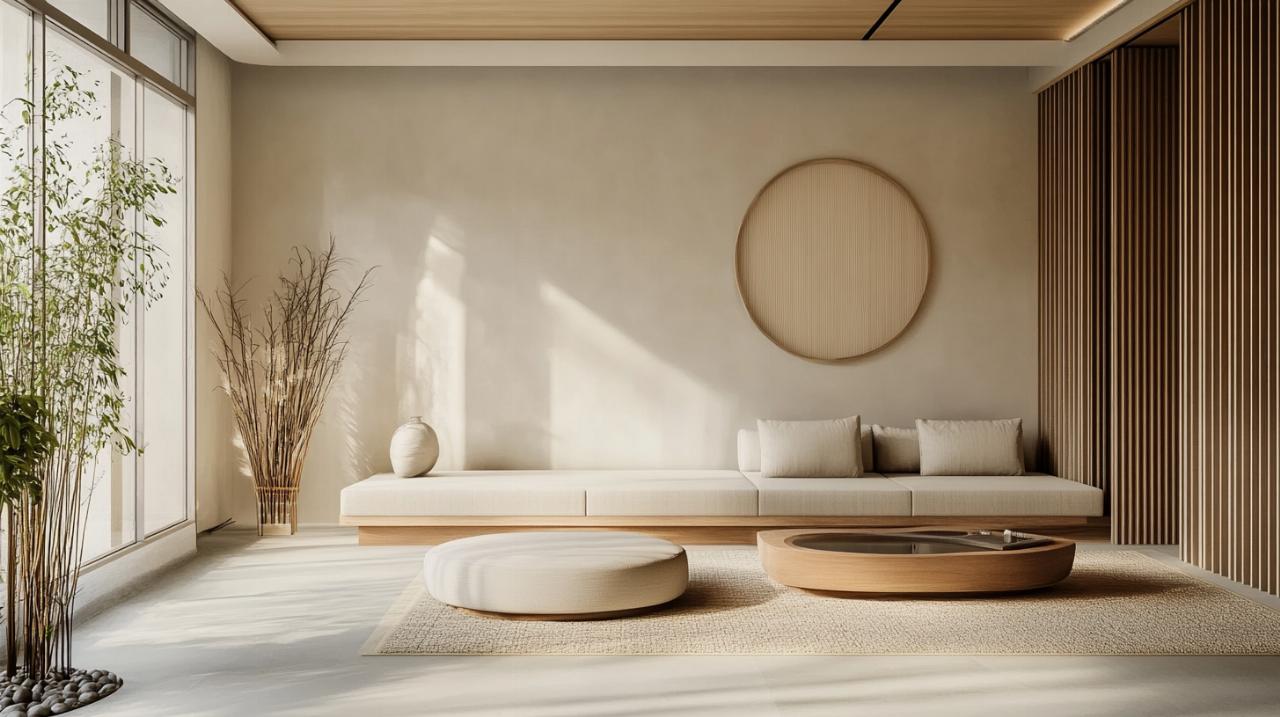
Implementing energy flow techniques in your home arrangement
Once you have acquired a foundational understanding of Feng Shui principles, the next step is to put this knowledge into practice within your own living space. The arrangement of rooms and the placement of furniture play a pivotal role in determining how energy circulates throughout your home. Begin by observing the layout of your habitat and identifying areas where the flow of chi may be hindered. Cluttered spaces, for instance, can obstruct energy, leading to stagnation and a sense of unease. Clearing away unnecessary items and organising your belongings creates pathways for energy to move freely, fostering a more vibrant and welcoming environment.
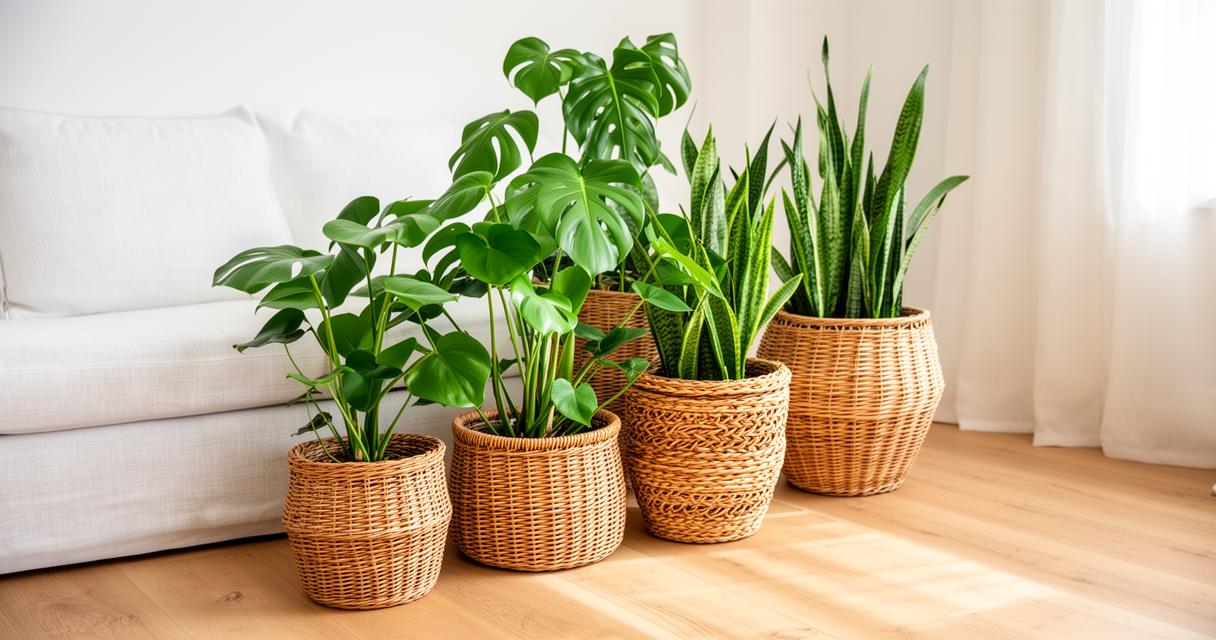
Consider the positioning of key pieces such as beds, desks, and seating arrangements. In Feng Shui, the concept of the commanding position suggests that placing these items where you can see the entrance to a room without being directly in line with the door enhances feelings of security and control. Additionally, pay attention to the interplay between different elements within a space. Incorporating natural materials, plants, and water features can introduce balance and vitality, while the strategic use of mirrors can amplify light and expand the perception of space. As you experiment with these techniques, remain mindful of the overall harmony you wish to achieve. Practising these adjustments in your own home not only deepens your understanding but also allows you to experience firsthand the transformative power of Feng Shui.
Advancing your knowledge through expert guidance
The Benefits of Consulting with Feng Shui Masters
While self-study and practice form the bedrock of learning Feng Shui, consulting with experienced masters can accelerate your progress and provide insights that are difficult to glean from books alone. These experts possess years of training and practical experience, enabling them to assess spaces with a nuanced understanding that comes only through extensive practice. A Feng Shui master can offer personalised advice tailored to your specific circumstances, identifying subtle imbalances that you might overlook and suggesting targeted adjustments to enhance the energy of your home.
Engaging with a master also opens the door to deeper philosophical discussions about the art and its application in contemporary life. They can share wisdom passed down through generations, contextualising traditional principles within modern living environments. Furthermore, working alongside an expert provides an opportunity to observe their analytical methods and develop your own intuition for recognising energy patterns. This mentorship can be invaluable, particularly as you begin to tackle more complex projects or seek to refine your skills to a professional level. The investment in expert guidance often yields profound and lasting benefits, both in the quality of your practice and in the harmony you cultivate within your surroundings.
Applying Colour Theory and Water Elements for Harmonious Interiors
Colour theory is an integral component of Feng Shui, with each hue carrying distinct energetic properties that can influence the mood and function of a space. Warm tones such as reds and oranges are associated with passion and vitality, making them suitable for areas where social interaction and activity occur. Cooler shades like blues and greens evoke calmness and tranquillity, ideal for bedrooms and meditation spaces. Understanding how to select and combine colours allows you to craft an environment that supports your intentions and enhances the natural flow of energy. The thoughtful application of colour can transform a mundane room into a space that resonates with purpose and beauty.
Water elements hold special significance in Feng Shui, symbolising abundance, flow, and the constant movement of life force. Incorporating water features such as fountains, aquariums, or even images of water can invigorate a space and attract positive energy. The placement of these elements should be considered carefully, as their location can amplify or diminish their beneficial effects. For instance, positioning a water feature near the entrance of a home is believed to invite prosperity and opportunities. Combining the principles of colour theory with the strategic use of water elements creates a layered approach to design, one that addresses both visual aesthetics and energetic harmony. As you continue to explore these facets of Feng Shui, you will discover countless ways to tailor your environment to reflect your aspirations and support your journey towards balance and fulfilment.